Gear guides
Youth soccer cleats, by age and by foot
The cleat a four-year-old needs is not a smaller version of the cleat a twelve-year-old needs.
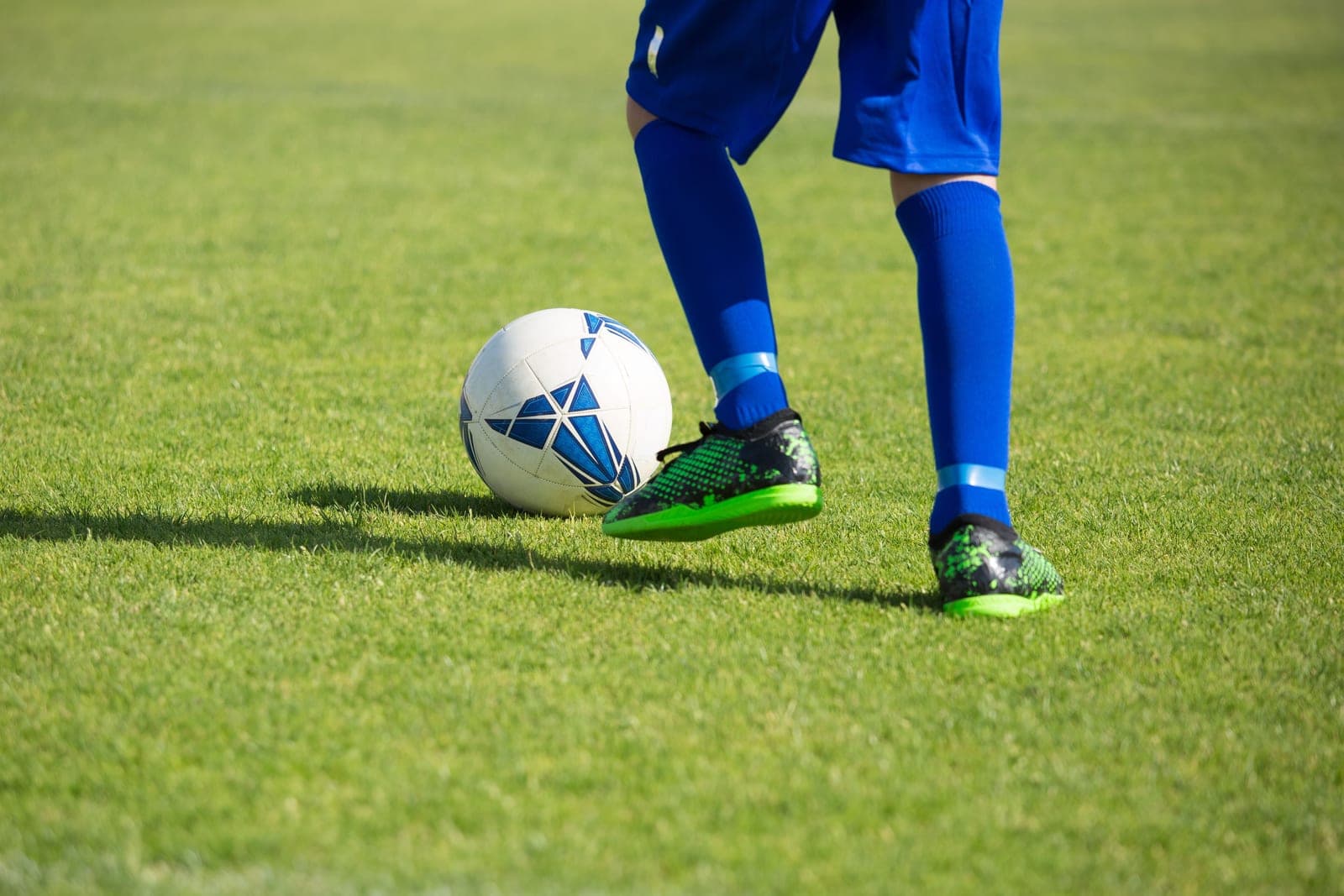
Everything in soccer cleats
22 pages, all of them organized around your kid’s age and level rather than a spec sheet.
Best for toddlers
Best toddler soccer cleats
Genuine toddler sizing, the laceless options, and an honest answer on whether cleats are needed at all.
Top pick: Vizari Palomar Firm Ground
Best for 4 year olds
Best soccer cleats for 4 year olds
Picks for a first U6 season, whether cleats are actually required, and the sizing rule that saves a wasted pair.
Top pick: Vizari Stealth Firm Ground
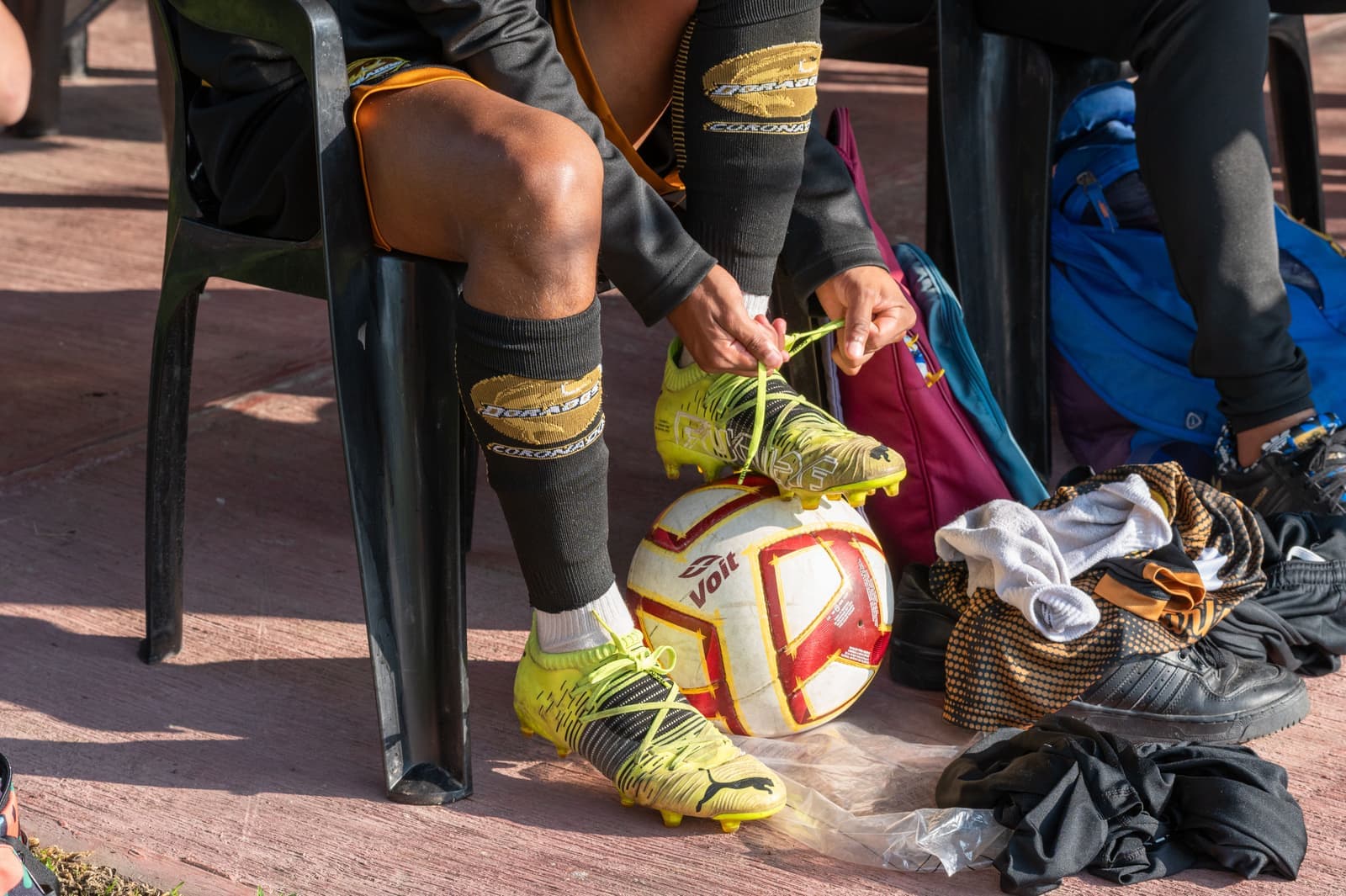
Best for 6 year olds
Best soccer cleats for 6 year olds
First real cleats for a U7–U8 rec season, sorted by foot width, with the laces problem solved.
Top pick: adidas Goletto VIII Firm Ground
Best for 8 year olds
Best soccer cleats for 8 year olds
Cleat picks for an 8 year old by foot width and surface, plus when the step up in price is actually worth it.
Top pick: Nike Jr. Mercurial Vapor 16 Club MG
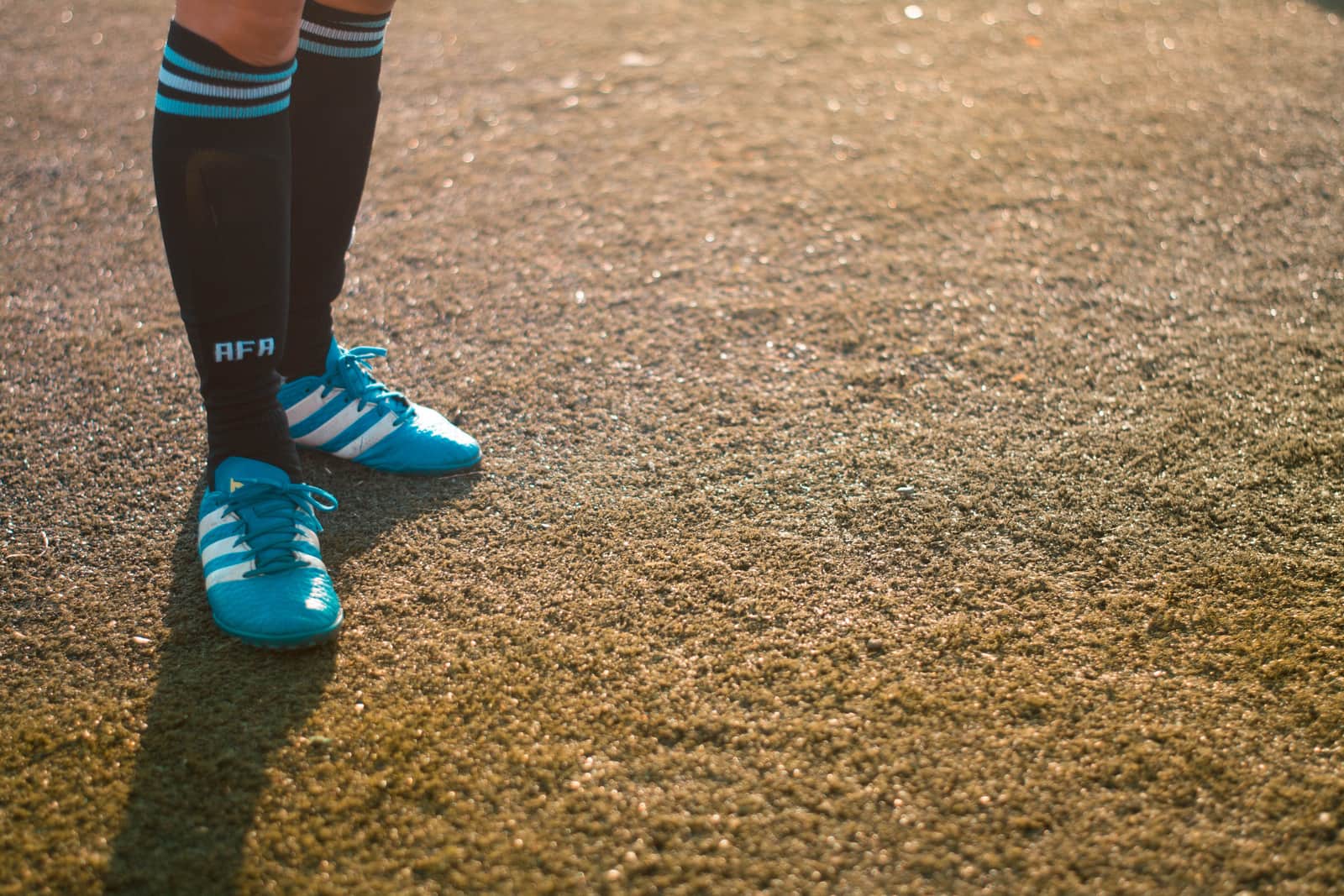
Best for 10 year olds
Best soccer cleats for 10 year olds
Where rec and travel picks diverge, sorted by width and surface, with the honest case for spending more.
Top pick: Nike Jr. Mercurial Vapor 16 Academy FG/MG
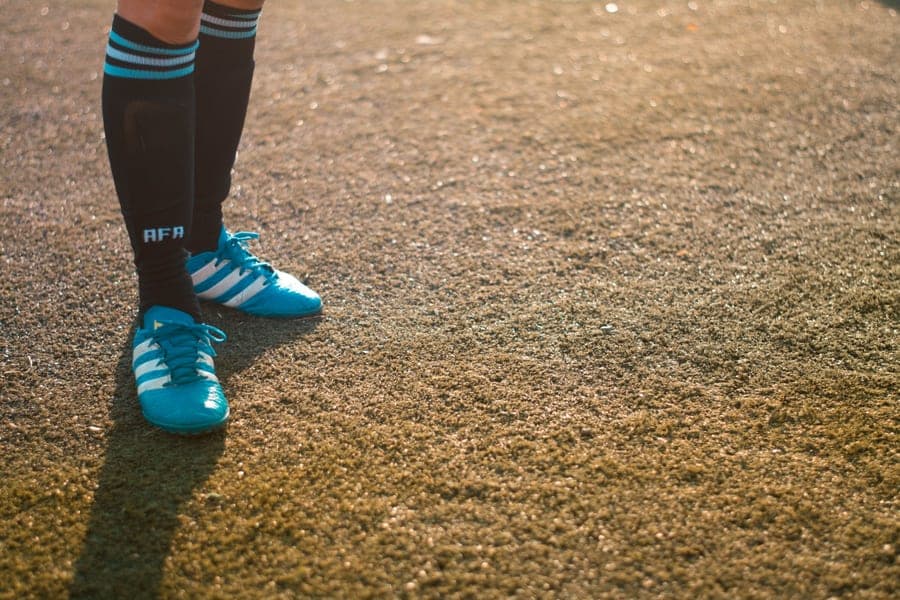
Best for 11–12 year olds
Best soccer cleats for 11 and 12 year olds
Where position starts affecting cleat choice, plus the honest case for the Academy and Pro tiers at 11–12.
Top pick: Nike Jr. Mercurial Vapor 16 Academy FG/MG
Best for wide feet
Best youth soccer cleats for wide feet
Which lines genuinely run wide, which only claim to, and why sizing up makes a width problem worse.
Top pick: adidas Jr. Copa Pure.3 Firm Ground

Best for heel pain
Soccer cleats for Sever's disease and heel pain
What footwear can and cannot do about a sore heel, with cushioning-first picks. Cited medical context, not medical advice.
Top pick: Nike Jr. Mercurial Vapor 16 Club Turf
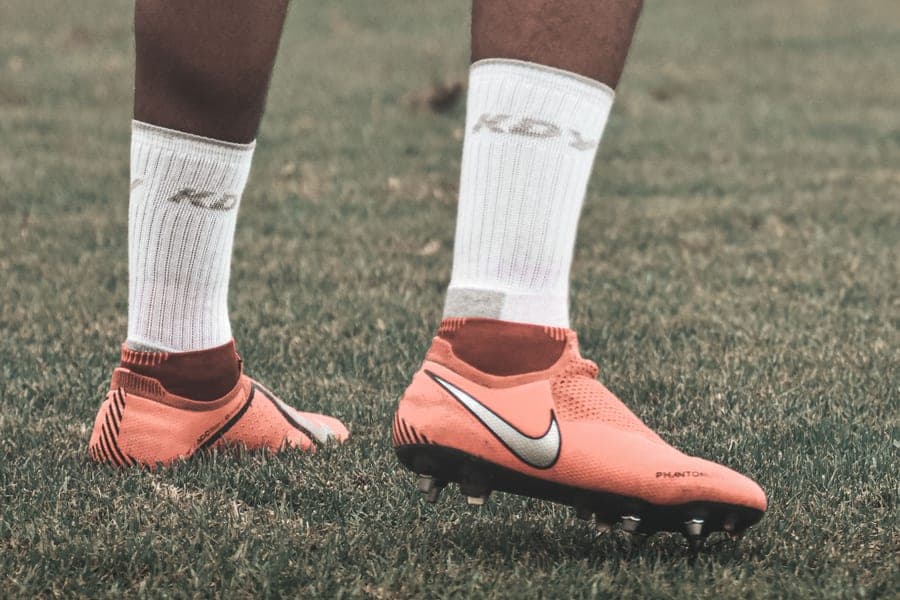
Best for flat feet
Best youth soccer cleats for flat feet
What a cleat can and cannot do about arch support, and which models give the most room and stability.
Top pick: adidas Jr. Copa Pure.3 Firm Ground
Best budget picks
Best budget youth soccer cleats
Cheap cleats that are actually worth buying, and exactly what each step up in price buys you.
Top pick: adidas Goletto VIII Firm Ground
Best without laces
Best laceless soccer cleats for kids
No-laces options for kids who cannot tie them yet, plus the width catch and the free fix for laced cleats.
Top pick: adidas Goletto IX Laceless Turf
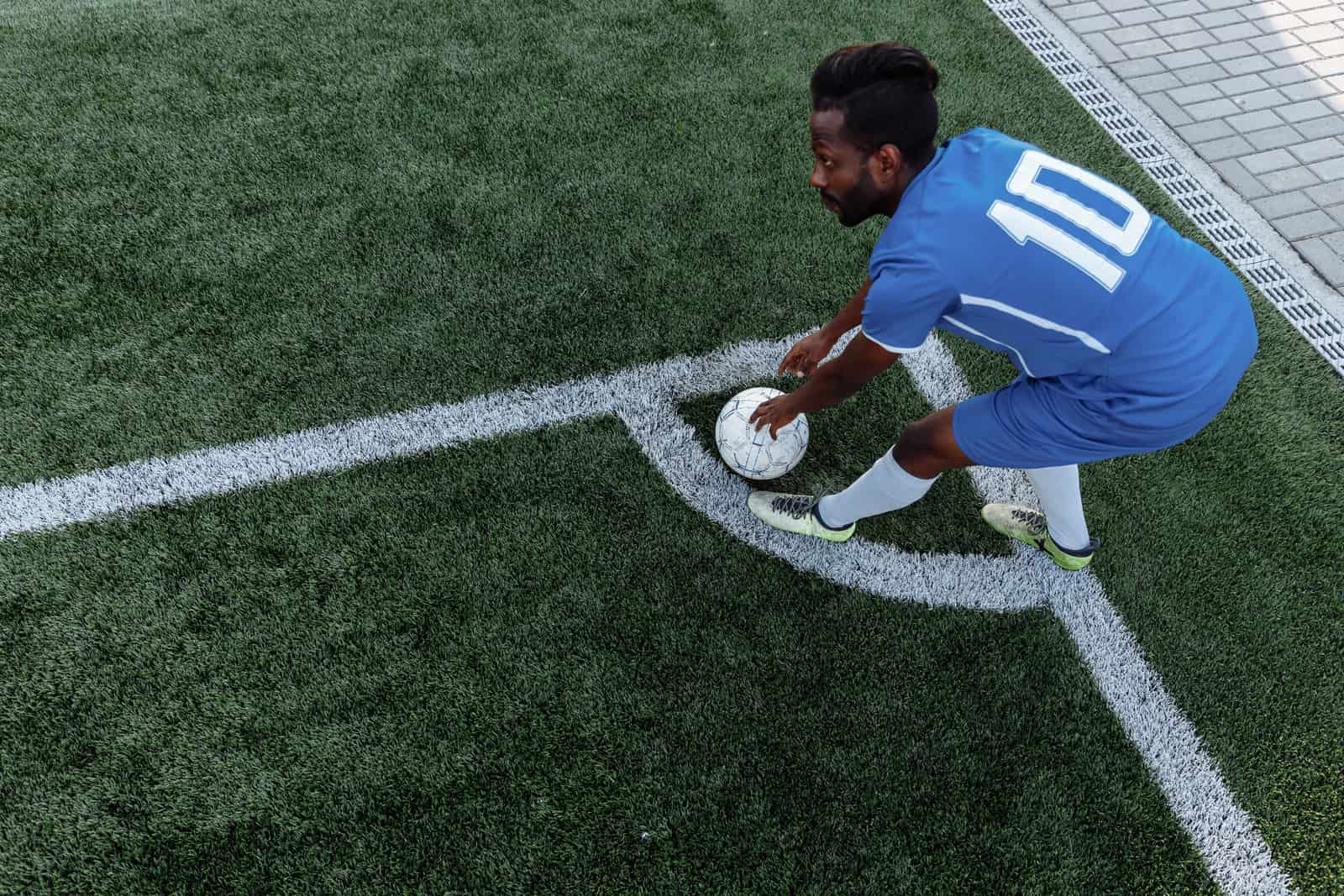
Best turf shoes
Best youth turf soccer shoes
Turf shoe picks by age and width, and why the turf outsole does more for comfort than any upper.
Top pick: Nike Jr. Mercurial Vapor 16 Club Turf
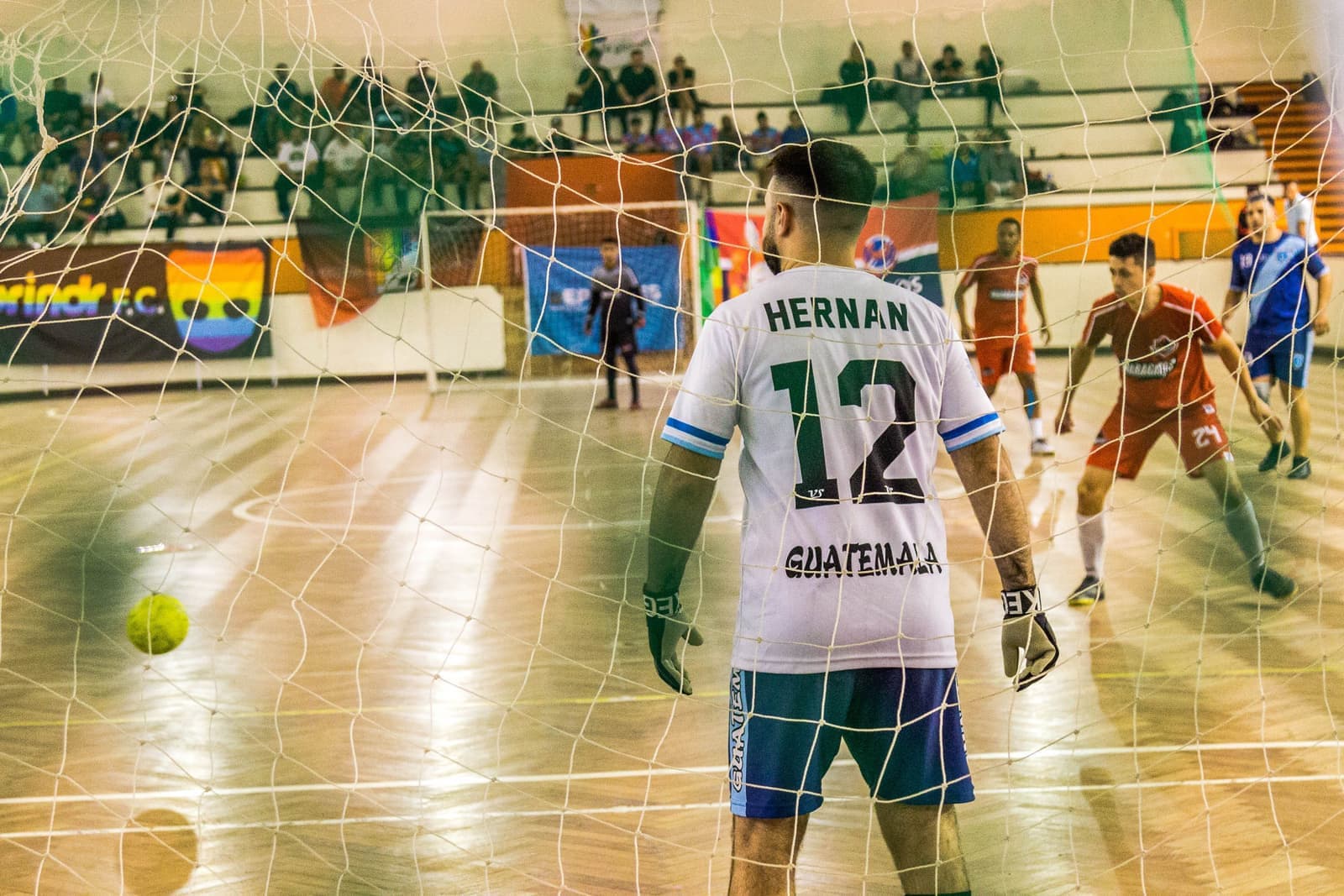
Best indoor shoes
Best indoor soccer shoes for kids
Non-marking indoor picks from U7 up, why turf shoes will not do, and what a futsal season needs.
Top pick: adidas Super Sala Indoor
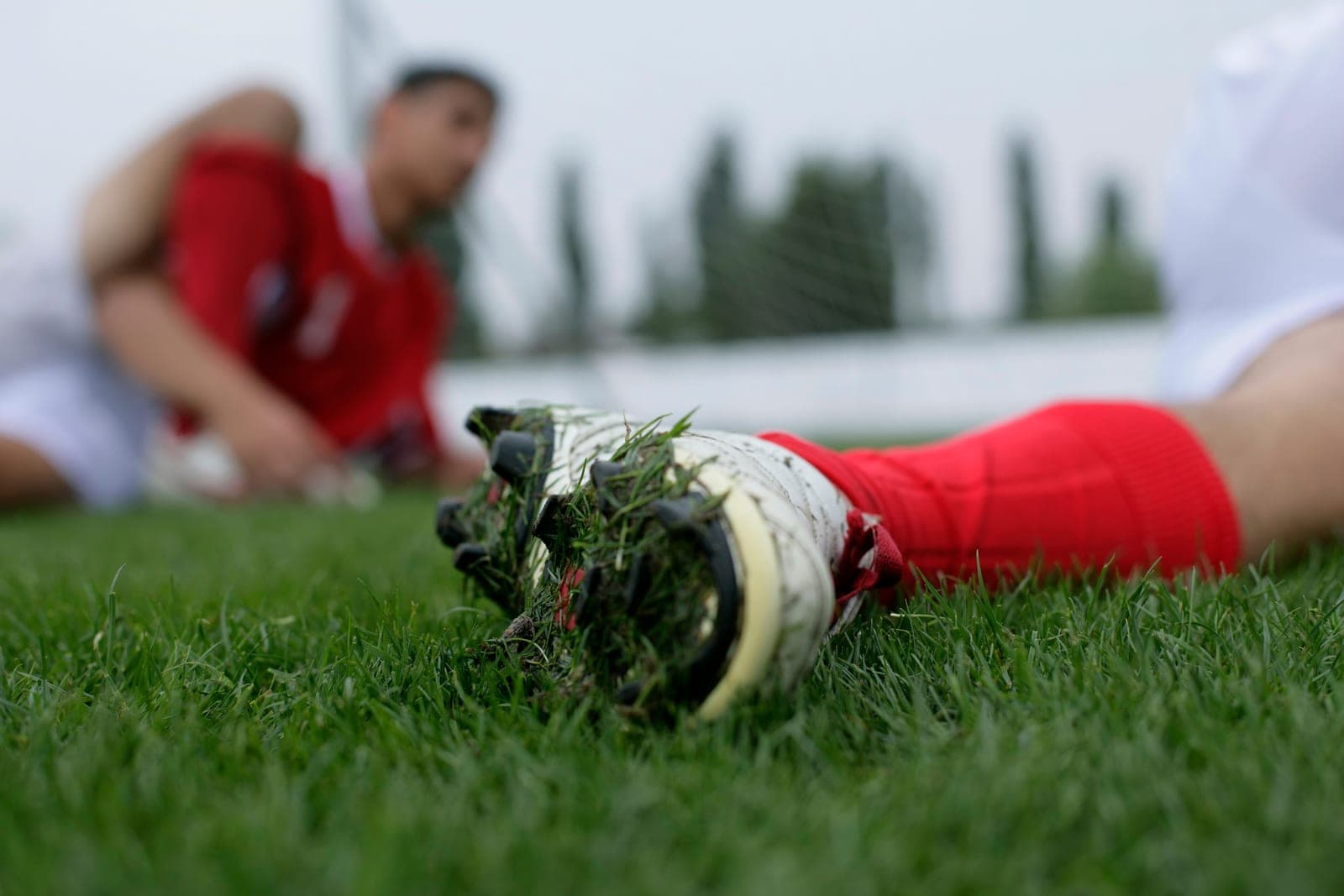
Comparison
Firm ground vs turf vs artificial grass cleats
The FG, AG, TF and MG decision table, whether one pair can cover a mixed schedule, and the cost of guessing wrong.
Top pick: Nike Jr. Mercurial Vapor 16 Club MG
Comparison
Soccer vs football vs baseball cleats for kids
Which cleat swaps between sports are allowed, which are refused, and why the toe stud is the whole answer.
Top pick: Nike Jr. Mercurial Vapor 16 Club MG
Comparison
Nike Mercurial vs Tiempo vs Phantom for youth players
Nike's three youth lines compared on width, weight and what each is actually built for.
Top pick: Nike Jr. Mercurial Vapor 16 Academy FG/MG
Comparison
adidas Goletto vs Copa vs Predator for kids
adidas's youth lines compared on price, width and purpose, with the Copa as the wide-foot answer.
Top pick: adidas Jr. Copa Pure.3 Firm Ground
Sizing
Youth soccer cleat size chart
US, EU and centimeter conversions with approximate ages, plus how each brand's junior sizing actually runs.
Guide
How should kids' soccer cleats fit?
The thumb's-width rule and four hands-on fit checks — because asking a kid whether shoes fit does not work.
Guide
How to break in soccer cleats
Five steps to break cleats in without blisters, and why the water trick is a bad idea on modern uppers.
Guide
How to clean soccer cleats
The five-minute post-game routine, how to deal with turf pellets, and the two drying mistakes that wreck a pair.
Guide
When to replace kids' soccer cleats
The four signs a pair is finished, how often replacement actually happens, and what to check every two months.
Most cleat advice online is written for adults and then shrunk. That is the wrong shape for the problem, because the things that actually decide a youth cleat purchase are not the things that decide an adult one. An adult buys for position, surface and touch. A parent buys for a foot that will be a different size in four months, a league that may not require cleats at all, and a kid who will refuse to wear anything that pinches.
So this section is organized the way the decision actually works: start with your kid's age, then narrow by foot shape if they have one that complicates things, then by surface if they play somewhere other than grass.
Start with your kid's age
Age is the best single filter because it bundles together several things at once — foot size, how hard they strike the ball, how much they play, and how much it makes sense to spend on something they will outgrow. A six-year-old in rec needs a cleat that fits and survives a season. A twelve-year-old at club level is genuinely affected by stud pattern and plate stiffness.
- Toddlers — most leagues at this age do not require cleats at all. Read this before you buy anything.
- 4 year olds — first-touch soccer, very short seasons, feet still changing shape fast.
- 6 year olds — the age most kids get their first real pair, and the age laces become a problem.
- 8 year olds — enough running that cushioning starts to matter.
- 10 year olds — the crossover point where a rec player and a travel player want different shoes.
- 12 year olds — near-adult sizing, real speed, and the first age where the expensive options earn their money.
Then narrow by foot shape, if you need to
Roughly speaking, the major brands run narrow in their speed lines and wider in their touch lines. That single fact solves most fit complaints. If your kid has been squeezed by a Nike Mercurial, the answer is usually an adidas Copa Pure rather than a bigger Mercurial — going up a size to fix a width problem gives you a heel that slips and a blister within two games.
- Wide feet — which lines actually run wide, and which claim to.
- Flat feet and ankle support — what a cleat can and cannot do about arch support.
- Sever's disease and heel pain — a common problem in exactly this age bracket. Cushioning and fit only; this is not medical advice.
- Laceless cleats — genuinely useful before a kid can tie laces, and a trap for narrow feet.
- Budget picks — what you give up at each price step, stated plainly.
Then check the surface
Surface is the one technical decision that genuinely changes the shoe, and it is the one most families get wrong — usually by buying firm-ground cleats and then training on artificial turf all winter. Firm ground (FG) means long, widely spaced studs for natural grass. Turf (TF) means many short rubber studs for artificial surfaces. Multi-ground (MG) and firm-ground/artificial-ground (FG/AG) are compromises designed to do both adequately.
If your kid plays games on grass and trains on turf — which is the most common pattern in American youth soccer — an MG or FG/AG plate in one pair is the sensible answer until they are playing enough to justify two pairs.
- Firm ground vs turf vs artificial grass — the decision table, and whether you can get away with one pair.
- Turf shoes — picks for a turf-heavy schedule.
- Indoor shoes — flat non-marking soles for futsal and gym floors.
- Soccer vs football vs baseball cleats — whether the pair in the closet will do.
Sizing and care, where most of the money is saved
The single most expensive mistake in youth cleats is buying a size up to make a pair last longer. It does not work: a cleat has a stud plate that has to sit under the foot in the right place, and a foot sliding around inside one produces blisters, lost first touches and, in a bad case, a rolled ankle. Buy to fit now, with a thumb's width at the toe, and accept that you are buying twice a year for a few years.
The second most expensive mistake is not cleaning them. Caked mud dries hard, pulls the upper out of shape and rots the stitching — a pair that would have lasted two seasons lasts one.
- Youth cleat size chart — US, EU and centimeter conversions with approximate ages.
- How cleats should fit — the thumb's-width rule and how to check it properly.
- Breaking them in — without the water trick, which ruins more boots than it saves.
- Cleaning them — a five-minute routine that adds a season.
- When to replace them — the four signs, none of which is 'they look old'.
The three brands, honestly
Nike, adidas and PUMA cover the overwhelming majority of what you will see on a youth field, and the useful generalizations are simple. Nike's junior Mercurial and Phantom lines are excellent and run narrow; the Phantom has more forefoot room than the Mercurial. adidas's Goletto is the cheapest sensible entry point and runs wide, and the Copa Pure is the best mainstream option for a genuinely wide foot. PUMA is frequently the best value once something is discounted, with the least consistent sizing of the three — which makes it a line to try on rather than order blind.
Below those three, Vizari is worth knowing about for one specific reason: it makes a genuine toddler-through-big-kid size run in single models, which the major brands mostly do not. For a first pair on a three-year-old, that matters more than materials.
Common questions
Do kids really need soccer cleats?
Not always, and not from the start. Most U6 and many U7 programs play on short grass and do not require cleats — turf shoes or ordinary sneakers are fine and often better, because a kid can wear them to school. Check your league's rules before spending anything. From roughly U8, once games are on longer grass and kids are running properly, cleats start to earn their place. There's more on this on the U6 first kicks page.
Are kids' soccer cleats true to size?
Mostly, with two consistent exceptions: PUMA junior models tend to run short, so many parents size up half a size, and Nike's Mercurial line runs narrow rather than short. Length is usually true across all three major brands; width is where they differ. Always measure the foot rather than going by last season's size — feet at these ages change shape as well as length.
Do youth soccer cleats come in wide?
Very few come in a formal wide fitting. Instead, some lines are simply built on a wider last — the adidas Copa Pure and Goletto, and Nike's Legend and Phantom lines, all run wider than the Nike Mercurial or adidas F50. The practical move is to pick a wide-running line rather than to hunt for a 'wide' label. Our wide feet picks covers which is which.
How often should you get new soccer cleats for a kid?
For most kids between 6 and 12, roughly every six to nine months — driven by growth rather than wear. Check fit every couple of months during the season; a thumb's width at the toe is the target, and less than that means they are done regardless of how the cleats look. When to replace kids' soccer cleats goes through the signs.
Can you wear firm ground cleats on turf?
You can, and plenty of kids do, but it is the wrong tool. Firm-ground studs are long and widely spaced, so on artificial turf they grip harder than intended and concentrate pressure on a few points underfoot — which is uncomfortable and adds load to the knee on a hard stop. For occasional use it is fine. For a whole winter of turf training, get turf shoes. The surface comparison lays out the trade.
Are soccer cleats and football cleats the same for kids?
No. Soccer cleats have no toe stud and a lower cut; football cleats add a front toe stud for pushing off, and often a higher ankle. A soccer cleat is generally allowed in flag football, but a football cleat is usually not allowed in soccer, because the toe stud is a hazard in a tackle. Details are on the cross-sport comparison.
Sources
- Nike — kids' soccer cleats and shoes — Verified that each Nike model named on this page is currently sold, and the source for Nike's own published upper, plate and surface descriptions.
- adidas — kids' soccer — Verified current availability of the adidas models named here, plus adidas's published material and construction claims.
- Vizari Sports — youth cleats and indoor shoes — Verified the Vizari models named here are currently sold, including the toddler size range and the indoor line, plus Vizari's published material claims.
- adidas — kids' turf soccer shoes — Current adidas youth turf models and adidas's description of turf outsole construction.