Cleats
How to keep soccer cleats from smelling
Cleats smell because they never dry. Fix the drying and you fix the smell.
By Ryder M. · Published October 10, 2026
The short answer
- Take them out of the bag the moment they get home. A closed bag is the whole problem.
- Pull the insoles out and loosen the laces so air reaches the inside.
- Dry at room temperature, never with heat. Newspaper or paper towel inside speeds it up.
- Rotate two pairs of socks per tournament day, and never put a damp sock back on.
- Store them somewhere ventilated, not in the bag and not in a car.
Soccer cleats smell for one reason: bacteria living in moisture that never gets a chance to leave. Everything that works attacks the moisture, and everything that fails attacks the smell. That is the whole page, and the rest is detail.
It is worth separating this from cleaning. Mud on the outside of a cleat is a cosmetic and durability issue, covered on how to clean soccer cleats. Odor is an inside-the-shoe problem, and a cleat can be spotless outside and unbearable inside.
The routine that actually prevents it
Five minutes after every session, and it is far more effective than anything you can do after the smell has arrived.
- Out of the bag immediately. A sealed bag with damp cleats in it is an incubator, and most youth cleats spend five days a week in exactly that state. This single habit does more than every spray on the shelf.
- Insoles out. The insole holds more moisture than the shoe does and dries far slower in place. Pull both out every time.
- Laces fully loosened and the tongue pulled forward, so air can actually get in. A cleat laced tight dries from the outside in, which is to say barely.
- Stuff with newspaper or paper towel for the first hour or two if they are genuinely wet. Change it once. Paper wicks moisture out of the lining in a way air alone does not.
- Leave them somewhere with moving air at room temperature — a garage shelf, a utility room, anywhere that is not a closed bag or a sunny windowsill.
If the player trains more than twice a week, two pairs of cleats solves this completely by giving each pair 48 hours to dry. That is an expensive fix and it is the real one. A cheaper version of the same idea is two pairs of socks on a tournament day, swapped at halftime or between games — dry socks also prevent blisters, which the American Academy of Dermatology recommends moisture-wicking socks for and specifically warns against cotton, because cotton soaks up sweat and moisture.
What to do once they already smell
| Method | Does it work? | Notes |
|---|---|---|
| Daily full drying, insoles out | Yes — the main fix | Removes the moisture the bacteria live in. Everything else is secondary |
| Replace the insoles | Yes | The insole holds the most odor. New ones cost little and reset the shoe |
| Baking soda overnight, then shake out | Usually helps | Absorbs moisture and odor. Cheap, harmless, and needs repeating |
| Shoe deodorizer spray | Partly | Masks rather than dries. Fine as an addition, useless as the only step |
| Freezing them | Little | A popular trick with no drying effect — moisture comes back with the shoe |
| Washing machine or dryer | No — avoid | Delaminates glued soles and distorts the upper. The most common way a good cleat is destroyed |
Replacing the insole is the single most underrated step here. It is cheap, it takes ten seconds, and it removes the part of the shoe holding most of the problem. If a specific foot issue is in play, an aftermarket insole can do two jobs at once — podiatry-informed sources treat insoles as a legitimate fit adjustment rather than a gimmick.
A cheap second pair makes the rotation possible
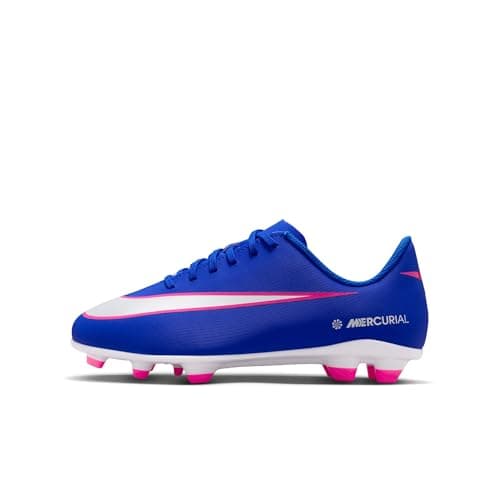
Nike
Nike Jr. Mercurial Vapor 16 Club MG
The safest default cleat for a rec player between U7 and U12, as long as the foot is average width or narrower.
$60.88View on Amazon#ad — we may earn a commission · price as of October 16, 2026
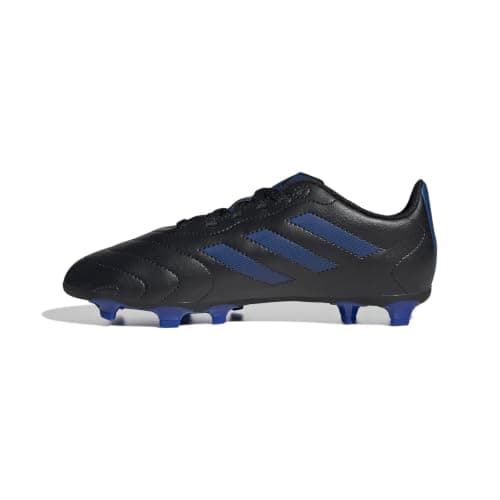
adidas
adidas Goletto VIII Firm Ground
The sensible answer when the honest requirement is a cleat that survives one rec season and costs as little as possible.
$33.67View on Amazon#ad — we may earn a commission · price as of October 16, 2026
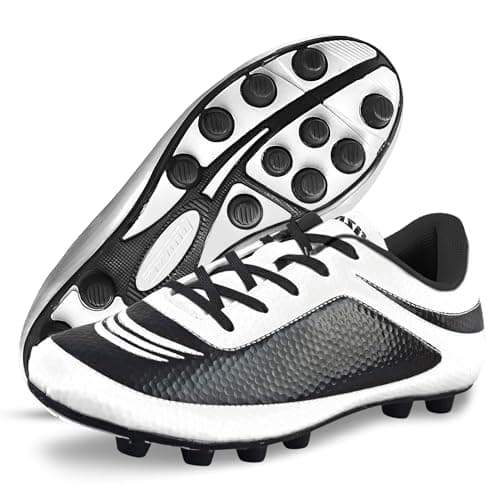
Vizari
Vizari Infinity Firm Ground
Best understood as a spare or a low-stakes first pair, not the cleat a regular player should rely on.
$24.99$27.99−11%View on Amazon#ad — we may earn a commission · price as of October 16, 2026
Product photos come from each item’s current Amazon listing.
What ruins cleats, and why people reach for it anyway
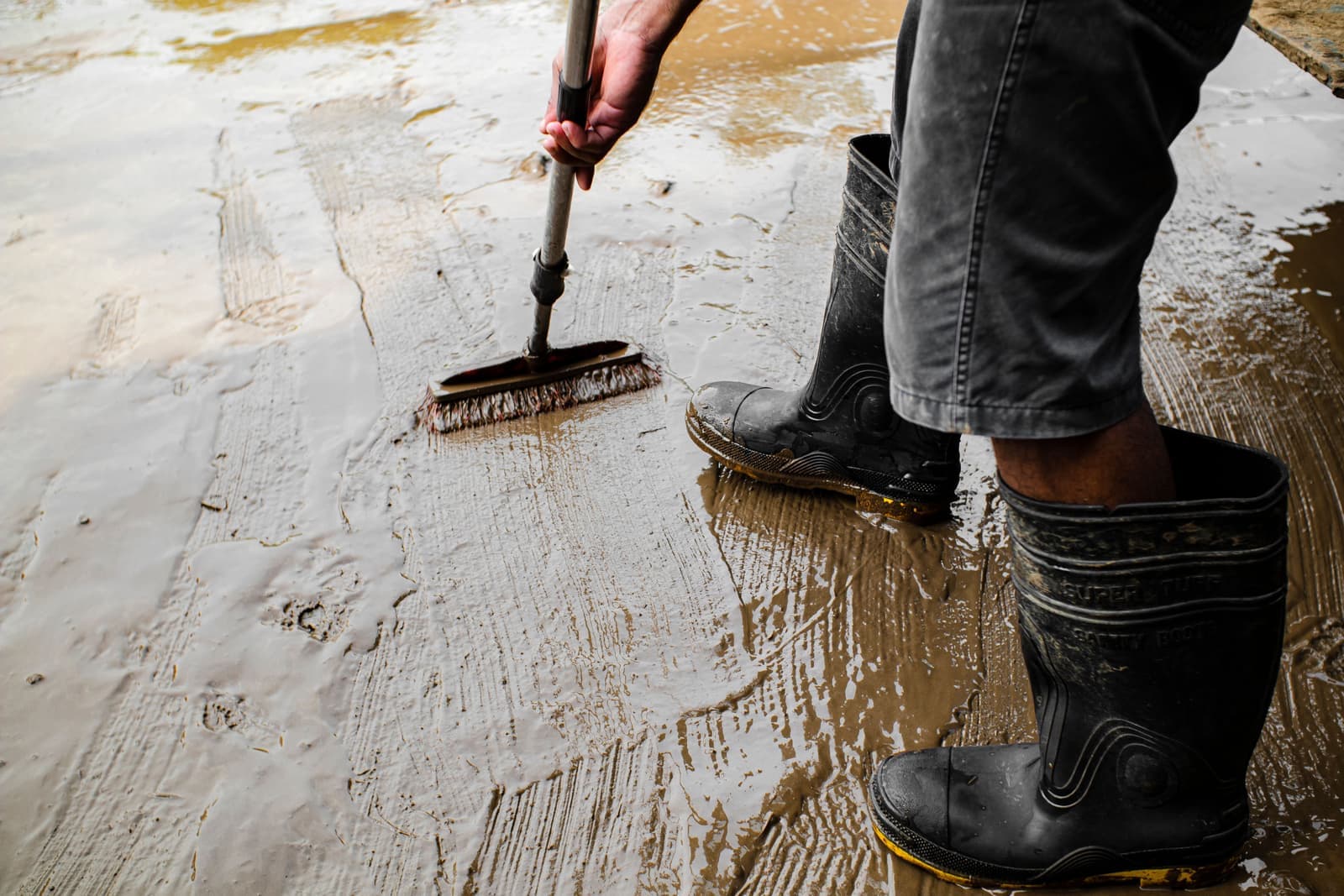
Heat is the destroyer. A tumble dryer, a radiator, a hair dryer or a hot car dashboard will dry a cleat quickly and distort the upper, soften or separate the glued sole, and stiffen synthetic materials permanently. It is tempting precisely because it works on the symptom and fast — and it is how most prematurely dead youth cleats actually die.
- No tumble dryer, ever. Heat plus tumbling is the worst combination for a glued-sole shoe.
- No washing machine. The same reasons, plus prolonged soaking.
- No direct sun or radiator. Slower but the same mechanism.
- No bleach or solvent on the inside. It will not fix the smell and it will degrade the lining.
- No storing them damp. The default failure, and the one everybody commits.
The jersey-care version of this rule is identical, and Nike states it for jerseys: avoid the dryer and air dry, because heat damages the garment. Soccer gear in general is air-dry gear — how to wash a soccer jersey and how to wash shin guards both land in the same place.
Turf cleats, indoor shoes and the worst case
Flat-soled turf and indoor shoes are usually the worst offenders in a soccer bag, for a structural reason: they are more enclosed than a firm-ground cleat, they are often worn without a long sock, and they get worn for longer sessions on hot indoor courts. Same routine, applied more often.
The genuine worst case is a single pair worn for everything — games, training, indoor and the walk to school — which never gets 24 hours off. If that describes your situation, a cheap second pair is a better purchase than any deodorizing product, and best budget youth soccer cleats is where to find one.
One last thing worth checking: a cleat that smells badly and suddenly, in a pair that was fine, is sometimes a cleat that has started holding water through a worn seam or a separating sole. That is a replacement signal rather than a cleaning problem — when to replace kids' soccer cleats covers the rest of the signs.
Common questions
Why do soccer cleats smell so bad?
Bacteria living in trapped moisture. Cleats get soaked in sweat, go straight into a closed bag, and never fully dry before the next session, so the bacteria never run out of the damp environment they need. Every method that works attacks the moisture; every method that fails attacks the smell.
How do you get the smell out of soccer cleats?
Dry them properly first: out of the bag immediately, insoles out, laces loosened, at room temperature with moving air. Then replace the insoles, which hold most of the odor. Baking soda left in overnight and shaken out helps. Sprays mask rather than dry, so they are an addition rather than a fix.
Can you put soccer cleats in the washing machine?
Don't. A wash cycle combines prolonged soaking with heat and agitation, which delaminates glued soles and distorts the upper, and a dryer is worse. It is the most common way a perfectly good pair of youth cleats gets destroyed. Clean the outside by hand and air dry.
Does freezing soccer cleats stop the smell?
Barely. Freezing does nothing about the moisture the bacteria live in, so the problem returns with the shoe. It is a popular trick because it is easy, not because it works. Drying the cleats fully and replacing the insoles does far more for no more effort.
How do you dry soccer cleats quickly without ruining them?
Insoles out, laces fully loosened, tongue pulled forward, and newspaper or paper towel stuffed inside and changed once after an hour. Then room temperature air with movement. Never a radiator, hair dryer, tumble dryer or sunny windowsill — heat distorts the upper and softens the glue holding the sole on.
Should you buy two pairs of soccer cleats?
If the player trains more than twice a week, it genuinely solves the odor problem by giving each pair 48 hours to dry, and it is the only fix that works without any routine at all. A cheap budget pair as the second is more effective than any deodorizing product costing a fraction as much.
Sources
- American Academy of Dermatology — how to prevent and treat blisters — Board-certified dermatologists' published guidance, and the source for the blister-prevention facts on this site: blisters are caused by chafing and are prevented by preventing chafing; to prevent blisters on the feet, wear nylon or moisture-wicking socks, and if one pair does not help, try two pairs; shoes should fit properly and be neither too tight nor too loose; avoid cotton in activewear because cotton soaks up sweat and moisture, which leads to friction and chafing; adhesive moleskin or soft bandages help at problem areas; stop the activity if there is pain, discomfort or redness; most blisters heal on their own in one to two weeks; and a blister should be left unpopped and loosely covered rather than drained.
- Michigan Foot Doctors — insoles for soccer cleats (Dr. Tom Biernacki, DPM) — A board-certified podiatrist's guidance on insoles in cleats: high arches need cushioned support against the lateral roll that causes sprains in supinators, thick orthotics lift the heel out of the cleat's heel cup, and the factory sockliner must come out first.
- Nike — kids' soccer cleats and shoes — Verified that each Nike model named on this page is currently sold, and the source for Nike's own published upper, plate and surface descriptions.
- adidas — kids' soccer — Verified current availability of the adidas models named here, plus adidas's published material and construction claims.
- Vizari Sports — youth cleats and indoor shoes — Verified the Vizari models named here are currently sold, including the toddler size range and the indoor line, plus Vizari's published material claims.
Read next
- How to clean soccer cleatsThe five-minute post-game routine, how to deal with turf pellets, and the two drying mistakes that wreck a pair.
- When to replace kids' soccer cleatsThe four signs a pair is finished, how often replacement actually happens, and what to check every two months.
- Best budget youth soccer cleatsCheap cleats that are actually worth buying, and exactly what each step up in price buys you.
- How to wash shin guardsThe manufacturer-stated method for a hard shell, how sleeve guards differ, why heat is the one thing that ruins them, and what the smell actually is.
- How to wash a soccer jerseyThe manufacturer method for a polyester jersey, why fabric softener makes the smell worse rather than better, and what to do about printed numbers.
- How to lace soccer cleatsFour lacing patterns that change how a cleat fits, which problem each one solves, and the fixes for two lace holes and over-long laces.