Heads up: we earn a commission if you buy through our links, at no extra cost to you. It never changes which product we recommend — here’s how that works.
The short answer
Indoor soccer needs a flat, non-marking gum outsole — most facilities require it, and it is what gives feel for the ball on a hard floor. A turf shoe will not do: the nubs mark the floor and offer a vague, sliding grip on hardwood. Expect to buy a third pair for a winter futsal season.
Winter indoor soccer is where a lot of families discover a third pair of footwear exists. The cleats are useless on a gym floor, the turf shoes get turned away at the door, and the session starts in twenty minutes.
The requirement is usually specific and non-negotiable: a flat, non-marking sole. Most indoor facilities enforce it because studs and colored rubber both damage or mark a sports floor.
Start here
Pick by your kid’s level
The right answer changes with the level, not just the shoe size. Find your kid’s bracket and start there.
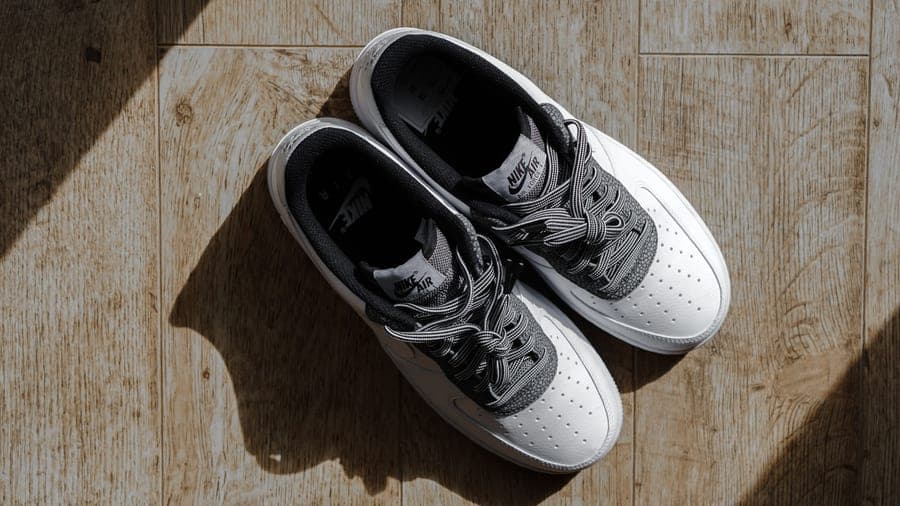
The default indoor shoe. Flat non-marking gum outsole that gets you on any court, and it doubles as an everyday sneaker — which softens the cost of a third pair.
Tap any row to jump to the full write-up. We do not show prices because we do not hold live pricing — the button opens the current Amazon listing so you see today’s number rather than last month’s.
#
Product
Best for
Surface
Fit notes
Price
1
adidas Super Sala IndoorThe default indoor shoe for a kid in a winter futsal league; add an insole if sessions run long.
Product photos are licensed representative stock images, not photographs of the exact model.
Why a turf shoe will not do
This catches most people out, so it is worth stating clearly. Turf shoes and indoor shoes look similar and are not interchangeable:
Turf shoe (TF)
Indoor shoe (IN/IC)
Outsole
Many short rubber nubs
Completely flat gum rubber
Marks a gym floor
Yes — usually refused entry
No
Grip on hardwood
Vague, slides on the nubs
Positive and predictable
Ball feel on a hard floor
Reduced by the nub height
Direct
Scroll the table sideways on a narrow screen.
The flat sole is not just a facility rule — it is why the shoe works. Futsal and indoor soccer are about close control on a hard surface, and a flat sole puts the foot directly on the floor. Nubs lift it and roll underfoot.
The one real weakness: cushioning
Indoor soccer shoes are minimal by design, and a hardwood or concrete-backed court is unforgiving. A two-hour futsal session in a thin flat shoe is the most common source of sore feet in the whole category.
The cheap fix is an aftermarket cushioned insole, which works well because indoor shoes are roomy enough to take one and there is no stud plate to fight. If your kid is doing a full futsal season rather than a few casual sessions, budget for one.
Sizing indoor shoes
Indoor shoes should fit snugger than cleats — there is no stud plate anchoring the foot, so a sloppy fit means the foot slides on every turn, and futsal is almost entirely turns. Keep the thumb's width at the toe but lace them properly tight.
The one advantage: because the sole is flat and the upper is usually softer, indoor shoes tend to be more forgiving in width than cleats at the same nominal size. A kid who is pinched in a Mercurial cleat is often fine in an indoor shoe. See how cleats should fit for the checks.
Do they need a different ball too?
For proper futsal, yes — and this is a bigger difference than the shoes. A futsal ball has a deliberately low bounce, achieved by filling the bladder with material that kills the rebound, because the game is played on a hard surface in a small space and a normal ball would spend the session in the rafters.
Futsal balls also use their own sizing convention, which catches people out. Select's Talento range sidesteps it by grading by age: Talento 9 for U8–U9, Talento 11 for U10–U11, Talento 13 for U12–U13. See the indoor and futsal ball picks.
For a casual recreational indoor session on a gym floor — not proper futsal — a normal ball at the right size for their age is usually fine. Check what the league uses.
What about shin guards indoors?
Most indoor leagues still require them, and arguably they matter more indoors rather than less: a smaller pitch means more tackles per minute and less room to avoid one. A handful of purely recreational programs do not require them — check the specific facility. See do you need shin guards for indoor soccer.
1. adidas
adidas Super Sala Indoor
The default indoor shoe for a kid in a winter futsal league; add an insole if sessions run long.
Best for
Futsal and indoor league play, U9+
Levels
U9–U10 · U11–U12 · U13+ travel & club
Type / surface
IN (indoor/court)
How it fits
True to length, average width. Indoor shoes should fit snugger than cleats — there is no stud plate to stabilize a sloppy fit.
What we like
The non-marking outsole is what most indoor facilities actually require, so this is the shoe that gets you on the court
Flat sole gives far better feel for the ball on a hard surface than a turf shoe does
Doubles as an everyday sneaker, which softens the cost of a third pair
Where it falls short
Minimal cushioning, and a hard gym floor is unforgiving over a two-hour session
Completely unusable outdoors on grass
Manufacturer’s published specs
Flat non-marking gum outsole for hard courts and futsal (adidas)
Available in youth and adult sizes
Low-profile court construction
These are the manufacturer’s own claims, not measurements we took.
Usually not. Most indoor facilities require a flat non-marking sole, and turf nubs both mark a sports floor and give a vague, sliding grip on hardwood. Some casual programs are more relaxed about it, but check before you turn up — being refused entry at the door is a bad way to find out.
What shoes do you wear for indoor soccer?+
Indoor or court shoes — labeled IN or IC — with a completely flat non-marking gum outsole. The flat sole is what gets you into the facility and also what gives direct feel for the ball on a hard floor, which is the whole point of futsal.
Are indoor soccer shoes worth buying for a short season?+
If the facility requires non-marking soles, they are not optional. What you can do is buy cheap: an indoor season is typically eight or ten sessions and the shoes get outgrown rather than worn out, so the budget options are the right call for a younger player.
Do indoor soccer shoes need cushioning?+
They benefit from it. Indoor shoes are minimal by design and a hardwood court is unforgiving, so a long futsal session in a thin flat shoe is the most common source of sore feet in the category. An aftermarket cushioned insole is a cheap fix and there is room for one.
What size ball for indoor soccer?+
For proper futsal, a futsal-specific low-bounce ball on its own sizing convention — Select's Talento range grades by age, with Talento 9 for U8–U9 through Talento 13 for U12–U13. For a casual recreational indoor session, a normal ball in the right size for their age is usually fine. Check what the league uses.