Cleats
Firm ground vs turf vs artificial grass cleats
Four labels, one decision — and it matters more than which brand you pick.
By Ryder M. · Published September 27, 2026
Heads up: we earn a commission if you buy through our links, at no extra cost to you. It never changes which product we recommend — here’s how that works.
The short answer
| Label | Studs | Use on | Do not use on |
|---|---|---|---|
| FG firm ground | Few, long, widely spaced | Natural grass | Hard artificial turf |
| AG artificial grass | More, shorter, often hollow | Long-pile artificial grass | Very soft natural grass |
| TF turf | Many short rubber nubs | Short artificial turf, mown grass | Wet or long natural grass |
| MG / FG-AG multi-ground | Compromise pattern | Both grass and artificial grass | Indoor courts |
Of all the technical decisions in youth soccer footwear, this is the one that genuinely affects how a kid plays and feels — more than brand, more than price tier. It is also the one most families get wrong, almost always in the same direction: firm-ground cleats worn on artificial turf for an entire winter of training.
The short version
If your kid plays games on grass and trains on artificial turf — the standard American pattern — and you are buying one pair, buy MG or FG/AG. It is adequate on both surfaces and that is the correct trade for one pair.
If they train on turf every single week and you can buy two pairs, buy FG for grass games and TF for turf training. That is better than a compromise plate in both directions and it also means neither pair stays damp.
Can you wear firm ground cleats on turf?
You can, and plenty of kids do all season. It is the wrong tool, for a specific mechanical reason worth understanding.
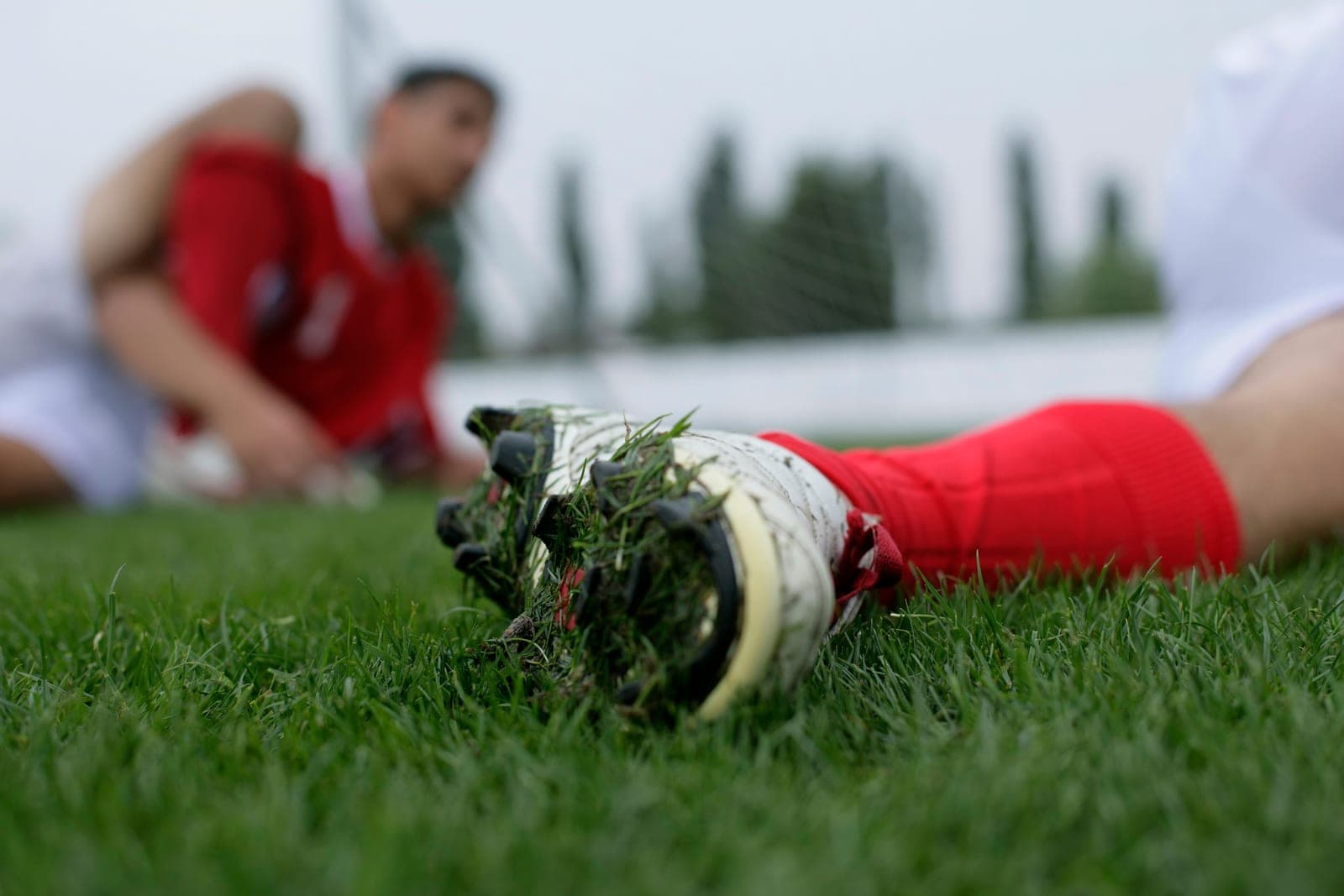
Firm-ground studs are long and widely spaced so they sink into soft natural grass and anchor the foot. On hard artificial turf they do not sink in — they sit on the surface and carry the child's whole weight through a handful of small points, repeatedly, for the length of the session.
Two consequences follow. It is uncomfortable, and that discomfort compounds over a season into genuine foot and heel soreness, particularly in a kid going through a growth spurt. And the grip is unpredictable, because the studs never get purchase — they can catch suddenly, which puts more load through the knee on a hard stop than a turf outsole does.
For a one-off session it is completely fine. For a winter of weekly turf training it is the reason a lot of ten-year-olds start saying their feet hurt.
Can you wear turf shoes on grass?
On short, dry, mown grass, yes — turf shoes grip it perfectly well, and for a U6 program on a bowling-green pitch a turf shoe is arguably the better choice than a cleat.
On longer or wet natural grass, no. The short nubs cannot bite into soft ground and a kid will slip on any change of direction. If Saturday games are on real grass, turf shoes should not be the only pair.
What about AG? Do you need it?
AG is the most confusing label because it sounds like it covers turf and does not, quite. AG cleats have real studs — more of them than FG, shorter, often hollow to reduce pressure — and they are built for long-pile third-generation artificial grass: the stuff on full-size artificial pitches that looks and behaves fairly like grass.
Most youth training facilities in the US use shorter, harder artificial turf, which is what TF shoes are for. So for the average youth player AG is not the label to chase. Where it matters is a club whose home pitch is a full-size 3G artificial surface — there, AG or FG/AG is right and TF is not enough.
If in doubt, look at the surface. Long pile you can run your fingers into, roughly grass-length: AG. Short, dense, sand or rubber filled, hard underfoot: TF.
Choose A if… choose B if…
Buy MG or FG/AG if…
- You are buying one pair and the schedule is mixed. This is most families.
- Your kid is under about U10 and plays once or twice a week.
- You genuinely do not know what surface they will be on.
Buy FG plus a separate TF pair if…
- Games are on natural grass and training is on artificial turf every week.
- They play three or more sessions a week, in which case one pair never dries out anyway.
- They have started complaining about sore feet or heels after turf sessions.
Buy TF only if…
- Everything they play is on artificial turf or short mown grass.
- They are U6 and the program plays on a very short, dry pitch.
The picks for each route
Nike
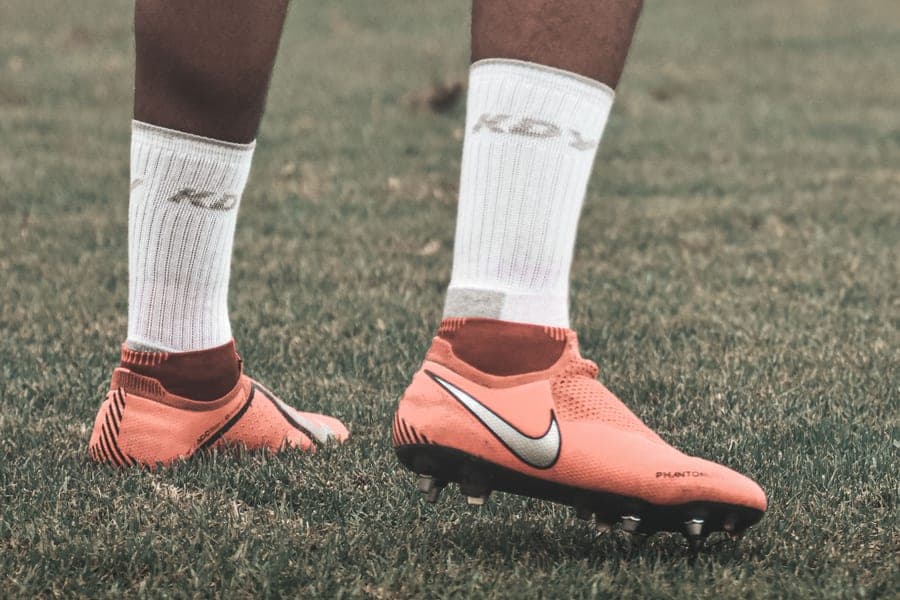
Nike Jr. Mercurial Vapor 16 Club MG
The safest default cleat for a rec player between U7 and U12, as long as the foot is average width or narrower.
PUMA
PUMA Kids' Ultra Play Firm Ground/Artificial Ground
Good value for a dual-surface season, provided you can check the fit rather than guessing a size online.
Nike
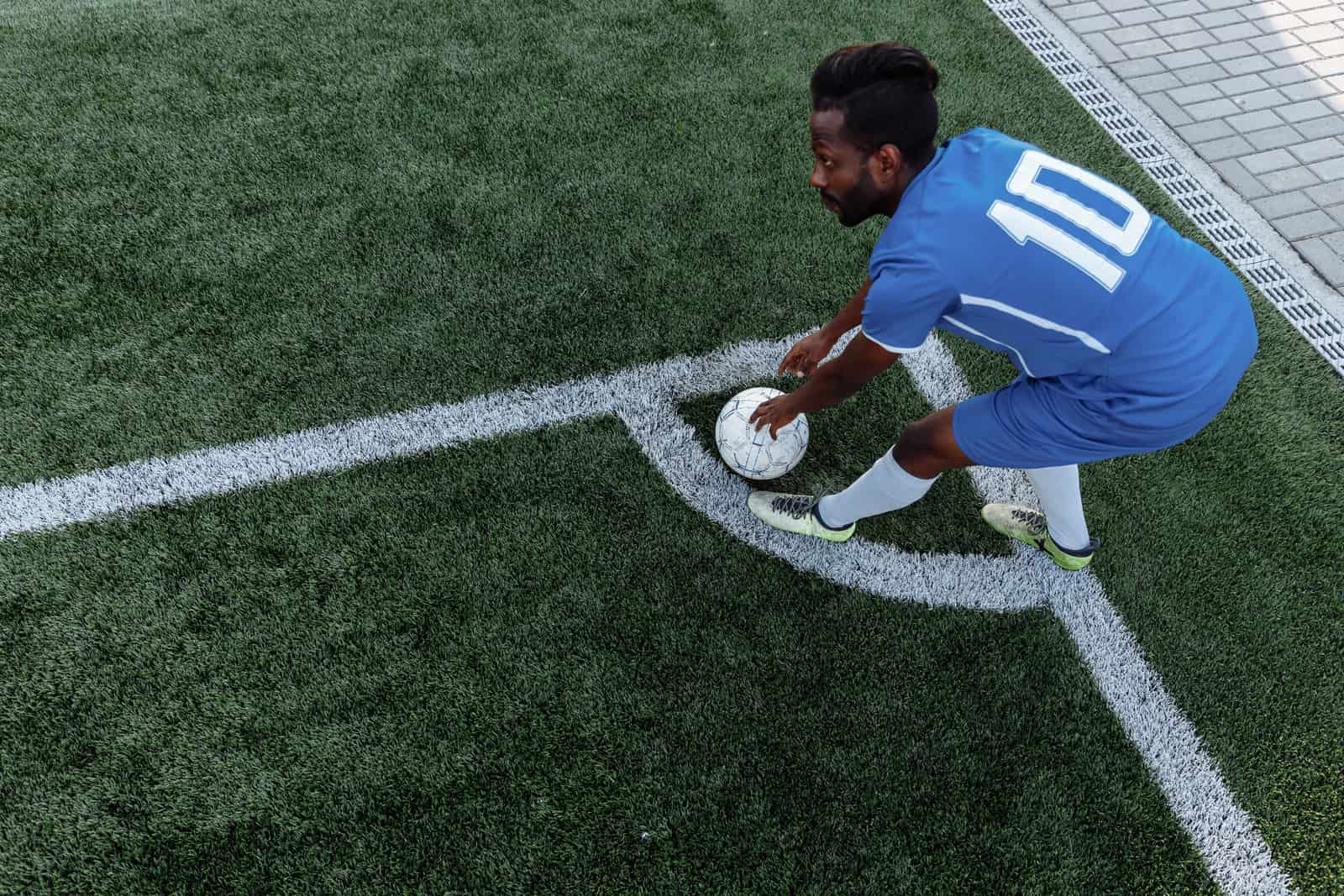
Nike Jr. Mercurial Vapor 16 Club Turf
The right second pair once a kid is training on artificial turf every week, and a bad only-pair if games are on grass.
adidas
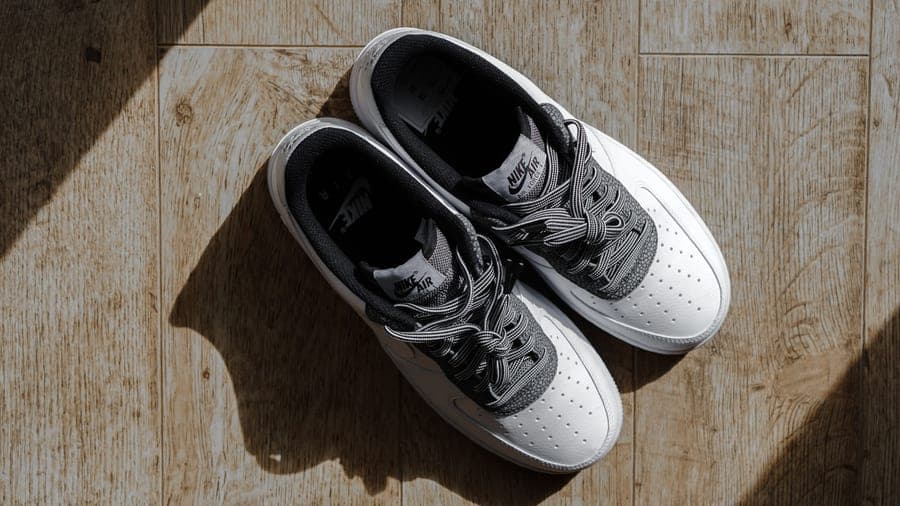
adidas Goletto IX Turf
A defensible way to get a second pair without spending twice; add an insole if your kid complains about hard turf.
Photos are licensed representative stock images, not the exact models.
What about indoor?
None of the above covers it. Indoor facilities need a flat, non-marking gum sole — labeled IN or IC — because studs and colored rubber both damage or mark a sports floor. A turf shoe is usually refused at the door. That is a separate third pair; see the indoor picks.
Does the plate wear out differently on each surface?
Yes, and it is worth knowing. Firm-ground studs abrade fast on hard artificial turf — they are designed to sink into ground that gives, and a surface that does not give simply grinds them down. A pair of FG cleats used mainly on turf will lose stud height noticeably faster than one used on grass.
Worn-down studs are one of the four signs a pair is finished, alongside a split upper, a thumb's width gone at the toe, and the plate having lost its stiffness. When to replace kids' soccer cleats covers all four.
Common questions
Can you wear firm ground cleats on turf?
You can, but it is the wrong tool. Firm-ground studs are designed to sink into soft grass; on hard artificial turf they sit on the surface and concentrate the child's weight on a few points, which is uncomfortable, wears the studs quickly and makes grip less predictable. Fine occasionally, and the wrong arrangement for a whole season of turf training.
What is the difference between firm ground and turf cleats?
Firm-ground cleats have a few long, widely spaced studs that sink into natural grass. Turf shoes have many short rubber nubs spread across the whole sole, which grip hard artificial surfaces and distribute the player's weight rather than concentrating it. They are built for opposite surfaces.
What is the difference between AG and turf cleats?
AG cleats have real studs — more than firm-ground, shorter, often hollow — and are built for long-pile third-generation artificial grass on full-size pitches. Turf shoes have nubs rather than studs and are built for the shorter, harder artificial turf most youth training facilities use. Look at the surface: long pile means AG, short and dense means TF.
Are multi-ground cleats any good?
For one pair covering a mixed schedule, yes — that is exactly what they are for. An MG or FG/AG plate is a deliberate compromise that is adequate on both natural grass and artificial grass. It is not as good as the right specialist shoe on either surface, which is the trade you are making.
Which cleats should I buy if I do not know the surface?
Multi-ground or FG/AG. It is the safe default and it is adequate everywhere except an indoor court. Then ask the coach what midweek training is actually on — that one question is what decides whether a second, surface-specific pair is worth buying.
Sources
- Nike — kids' soccer cleats and shoes — Verified that each Nike model named on this page is currently sold, and the source for Nike's own published upper, plate and surface descriptions.
- adidas — kids' turf soccer shoes — Current adidas youth turf models and adidas's description of turf outsole construction.
- adidas — kids' soccer — Verified current availability of the adidas models named here, plus adidas's published material and construction claims.
Read next
- Best youth turf soccer shoesTurf shoe picks by age and width, and why the turf outsole does more for comfort than any upper.
- Best indoor soccer shoes for kidsNon-marking indoor picks from U7 up, why turf shoes will not do, and what a futsal season needs.
- Best soccer cleats for 8 year oldsCleat picks for an 8 year old by foot width and surface, plus when the step up in price is actually worth it.
- When to replace kids' soccer cleatsThe four signs a pair is finished, how often replacement actually happens, and what to check every two months.
- Soccer cleats for Sever's disease and heel painWhat footwear can and cannot do about a sore heel, with cushioning-first picks. Cited medical context, not medical advice.
- U9–U10: size 4, seven-a-side, and a goalkeeperAges 8 to 10. The ball goes up to size 4, the format goes to 7v7, and someone has to play in goal.