Heads up: we earn a commission if you buy through our links, at no extra cost to you. It never changes which product we recommend — here’s how that works.
The short answer
At 11 and 12, the Academy or mid tier is the right landing spot for most committed players — better plate, upper and cushioning at four sessions a week. Pro tier is firm-ground only and only worth it for a fast player whose games are genuinely on grass. Pick the line by position and foot width.
This page covers both 11 and 12 year olds, because the answer is the same for both and splitting them would produce two near-identical pages. What changes across this band is not the product — it is how much of the tier ladder is worth climbing.
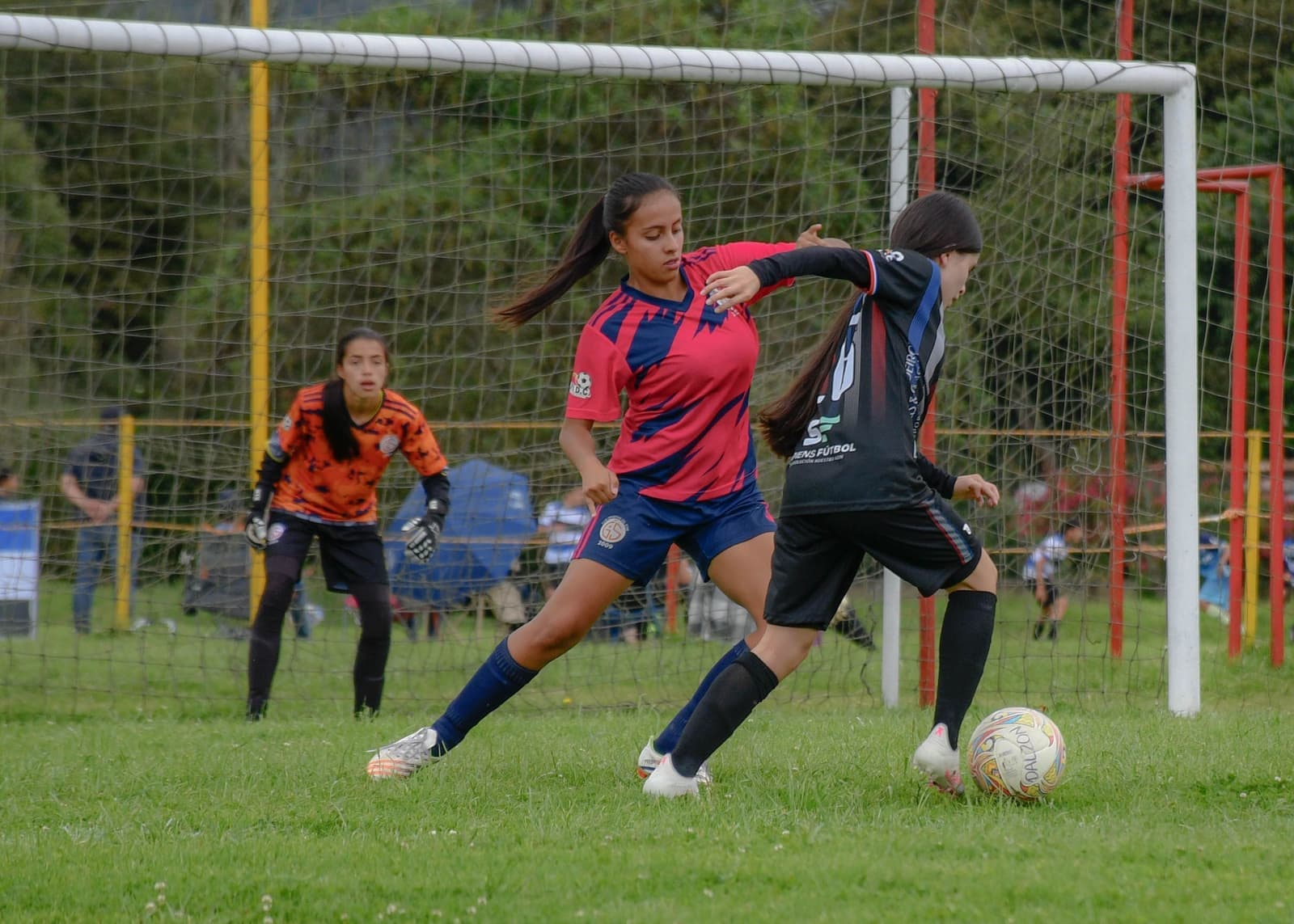
U11–U12 is 9v9 on a pitch of roughly 70 to 80 yards by 45 to 55, still with a size 4 ball. That is nearly a full-size field with near-full-size distances, and it is the first level where three things are simultaneously true: the player is fast enough for weight to matter, plays often enough for cushioning to matter, and is on a pitch big enough for the plate to matter.
Start here
Pick by your kid’s level
The right answer changes with the level, not just the shoe size. Find your kid’s bracket and start there.
Tap any row to jump to the full write-up. We do not show prices because we do not hold live pricing — the button opens the current Amazon listing so you see today’s number rather than last month’s.
Nike Jr. Phantom GX II Academy FG/MGThe better Nike choice for a midfielder or defender who needs a reliable striking surface more than a few grams saved.
U9–U10, U11–U12, U13+ travel & club
FG/MG
Slightly more forefoot volume than a Mercurial at the same size.
Product photos are licensed representative stock images, not photographs of the exact model.
Position starts mattering here
Below U11, brand lines are essentially a style choice. From 11 or 12, the differences map onto how a player actually plays, and picking by line rather than by colorway is worth doing.
This is the real question at 11 and 12, and the answer is Academy for most players.
The Pro tier is genuinely better: lighter, more responsive, a properly aggressive firm-ground stud pattern. Three things argue against it for a twelve-year-old. It is firm-ground only, so a schedule with midweek turf training wastes its main advantage. The thin upper offers less protection against a stray kick to the top of the foot. And it is the most expensive option on a foot that still has months of growth in it.
The honest test: if their games are genuinely on natural grass, and they are genuinely fast, and you are comfortable replacing them within a year, the Pro tier is defensible. Otherwise the Academy tier is not a compromise — it is the correct answer.
Two pairs is now the normal arrangement
At four sessions a week a single pair never dries out, which rots the stitching and produces a smell no amount of airing fixes. A grass pair and a turf pair solves that and roughly doubles the life of the better pair.
If there is a winter indoor or futsal season, that is a third pair and there is no way round it — indoor facilities require non-marking flat soles, and a turf shoe is a different thing. See the turf and indoor picks.
For 11 and 12 year old boys and girls
Same picks. These sizes are sold unisex across every line here, and there is no difference in foot shape in this band that changes last selection. Individual width does vary, and that is what the recommendations are sorted by.
One thing that does change in this band for many players: crossing into adult sizing. The junior ranges run out, prices go up, and the fit options widen. It is worth measuring rather than assuming — plenty of twelve-year-olds still fit a big-kid size better than an adult small.
What about 11 year olds specifically?
An eleven-year-old and a twelve-year-old want the same cleat. The band shares a format (9v9), a ball size (4) and a pitch size, and the tier decision turns on playing volume rather than birthday. If your eleven-year-old plays twice a week, read the rec column; if four times, the travel column. Rec vs travel: what gear actually changes is the page for that.
1. Nike
Nike Jr. Mercurial Vapor 16 Academy FG/MG
Worth the step up only when the volume of play justifies it — two or three sessions a week, not one Saturday game.
Best for
A U10–U13 player who plays two or three times a week
Levels
U9–U10 · U11–U12 · U13+ travel & club
Type / surface
FG/MG
How it fits
Same narrow Mercurial shape as the Club. True to length. If the Club fit, this fits.
What we like
Noticeably better upper and plate than the Club tier, which matters once a kid is training midweek as well as playing weekends
Same last as the Club, so a player moving up from Club will not have to relearn the fit
Where it falls short
Costs meaningfully more than the Club for a difference a rec-only player will not notice
Still a narrow last — this is not the line for a wide foot
Manufacturer’s published specs
Step up from the Club tier within the same Mercurial 16 family (Nike)
FG/MG plate configuration
Low-top
Big kids' sizing
These are the manufacturer’s own claims, not measurements we took.
Measure, because this is the band where many players cross into adult sizing and the conversion is not obvious. Mark heel to longest toe, measure, and leave a thumb's width. Plenty of twelve-year-olds still fit a big-kid size better than an adult small, so check rather than assuming they have graduated.
Are Pro soccer cleats worth it for a 12 year old?+
Only for a fast player whose games are genuinely on natural grass, and only if you are comfortable replacing them within a year. Pro-tier cleats are firm-ground only, so turf training wastes their advantage, and the thin upper protects less against a stray kick. For most twelve-year-olds the Academy tier is the correct answer rather than a compromise.
What size soccer ball does an 11 year old use?+
Size 4. AYSO's standards keep the size 4 through the 12U division, moving to size 5 at 14U. A lot of parents assume an eleven or twelve-year-old is on a size 5 — check your league, but size 4 is the default. Full chart here.
Does position matter when choosing cleats at 12?+
It starts to. Speed lines like the Mercurial suit a quick winger; touch lines like the Phantom or Copa suit a midfielder who needs a predictable striking surface; leather-feel lines are the most comfortable and the best bet for a broad foot at any position. Below about U11 this is mostly style; at 12 it is a real distinction.
How many pairs of cleats does a 12 year old travel player need?+
Two, plus indoor shoes if there is a futsal season. At four sessions a week a single pair never dries out, which rots the upper. A grass pair and a turf pair covers most club schedules and roughly doubles the life of the better pair.
Nike — kids' soccer cleats and shoes — Verified that each Nike model named on this page is currently sold, and the source for Nike's own published upper, plate and surface descriptions.
adidas — kids' soccer — Verified current availability of the adidas models named here, plus adidas's published material and construction claims.
Vizari Sports — youth cleats and indoor shoes — Verified the Vizari models named here are currently sold, including the toddler size range and the indoor line, plus Vizari's published material claims.