Gear guides
Soccer ball size by age — and which ball to buy
Ball size is the one piece of youth soccer gear with an official answer. Here it is.
Everything in soccer balls
7 pages, all of them organized around your kid’s age and level rather than a spec sheet.

Best size 3 balls
Best size 3 soccer balls
Size 3 picks for U6 through U8, the bladder difference that matters, and why you need a pump.
Top pick: adidas Starlancer Club
Best size 4 balls
Best size 4 soccer balls
Size 4 picks for U9 through U12, and the point where a match-quality ball starts earning its money.
Top pick: adidas Starlancer Club
Best size 5 balls
Best size 5 soccer balls
Size 5 picks for U13 upward, including budget options, and why quality finally justifies itself here.
Top pick: Select Numero 10
Best indoor & futsal balls
Best indoor and futsal soccer balls for kids
Futsal ball picks by age, why the low bounce matters, and how futsal sizing differs from outdoor.
Top pick: Select Talento Futsal Ball
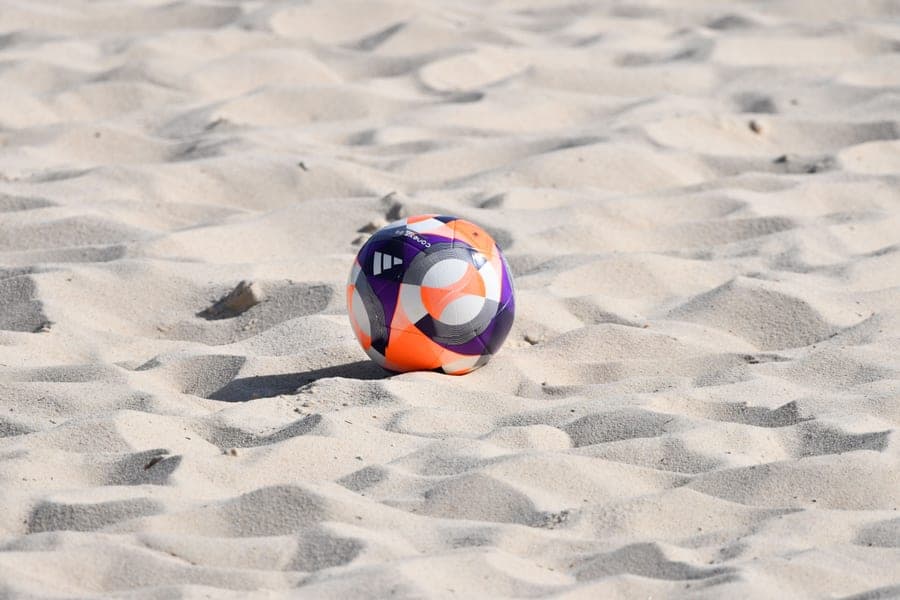
Comparison
Size 3 vs size 4 soccer ball
The U9 cutoff, what changes at the transition, and when to start practicing with the bigger ball.
Top pick: adidas Starlancer Club
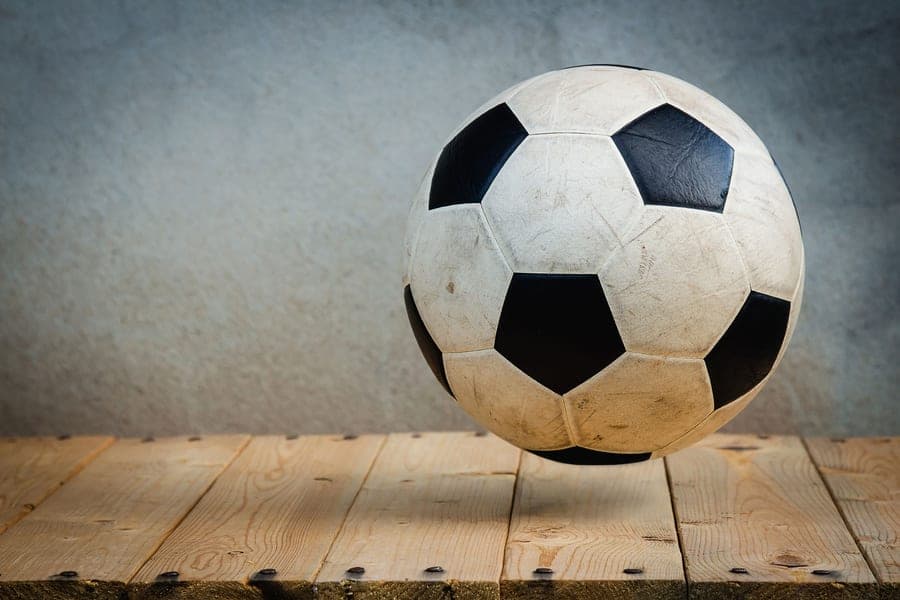
Comparison
Size 4 vs size 5 soccer ball
The U13 cutoff, the real weight difference, and how to prepare for the last ball-size change there is.
Top pick: Select Numero 10
Guide
How to choose a soccer ball for your kid
Three checks in order — size, bladder, where it lives — and what you can safely ignore below U12.
The short answer
| Age group | Typical ages | Ball size | Circumference |
|---|---|---|---|
| U6–U8 | 5 to 8 | Size 3 | Smallest standard size |
| U9–U12 (10U, 12U) | 8 to 12 | Size 4 | 25.0–26.5 inches, 12–14 oz |
| U13 and up (14U+) | 13 and up | Size 5 | 26.5–28.0 inches, 14–16 oz |
Circumference and weight ranges are AYSO's published figures for each division. Your league may differ at the margins — a few run size 4 a year early or late — so check your club's rules before a first game.
That chart is genuinely the whole answer to the most common question in youth soccer gear, and it is worth understanding why it exists. A size 5 ball weighs up to 16 ounces. An eight-year-old kicking one repeatedly is loading a growing leg with a ball that is disproportionately heavy for them, and they cannot strike it cleanly, so they learn to toe-poke instead of striking properly. The smaller sizes are not a concession — they are how a kid develops technique.
Which size, for which level
Ball size maps almost exactly onto the level structure this site is built around, which is why the two work well together:
- Size 3 covers U6 first kicks and U7–U8 rec. See the size 3 picks.
- Size 4 covers U9–U10 and U11–U12 — a four-year stretch, which makes a size 4 the longest-serving ball you will buy. See the size 4 picks.
- Size 5 starts at U13 and travel club and never changes again. See the size 5 picks.
The two transition points are worth a page each, because they are where parents actually get stuck and buy the wrong thing: size 3 vs size 4 and size 4 vs size 5.
What actually differs between balls at the same size
Once the size is settled, three things separate a fifteen-dollar ball from a fifty-dollar one, and only two of them matter for a kid.
The bladder — this one matters
Butyl bladders hold air far longer than latex ones. That is the difference between pumping the ball up once a month and pumping it up before every session, which in practice is the difference between a ball that gets used and a soft lump in the garage. adidas's Starlancer family uses butyl and it is the main reason to prefer it over the cheapest supermarket balls.
The carcass — this one matters for a yard ball
The layers under the cover are what keep a ball round. A nylon-wound carcass, which adidas lists on the Starlancer V, is what survives a season of being kicked against a brick wall. A cheap ball goes oval and then never recovers.
The seams — this one mostly does not, yet
Thermally bonded seams are more durable and more waterproof than machine stitching, and hand-stitched match balls fly more predictably. Both are real. Neither is worth paying for below roughly U12, because a nine-year-old is not striking the ball hard enough or consistently enough to notice. From U12 or so, a proper match ball like the Select Numero 10 starts to be a genuinely better ball rather than a more expensive one.
Indoor is a different ball, not a smaller one
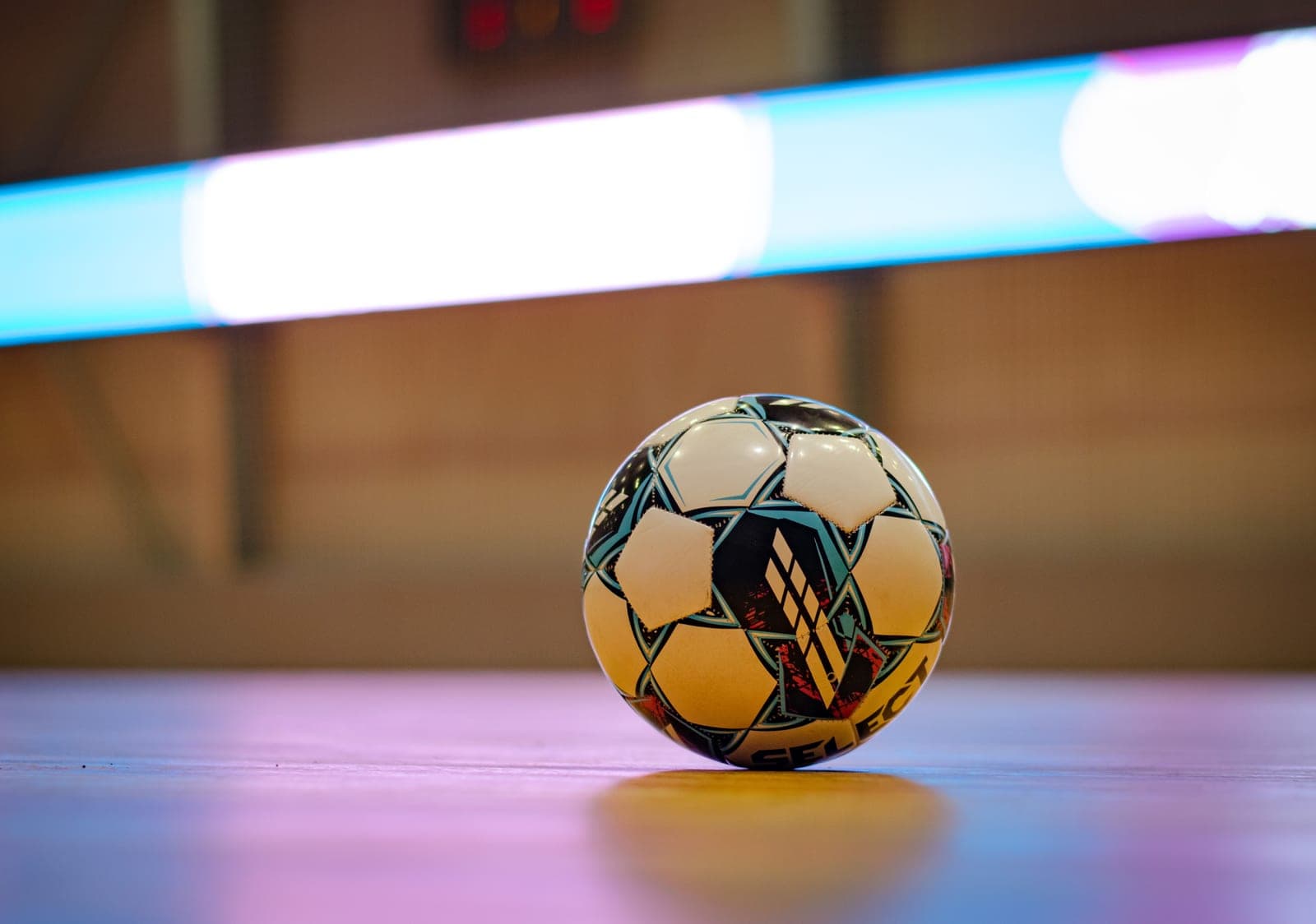
If your kid plays a winter indoor or futsal season, a regular outdoor ball is the wrong equipment. Futsal balls have a deliberately low bounce — Select fills the bladder with microfibre polyester to kill the rebound — because the game is played on a hard surface in a small space, and a normal ball would spend the session in the rafters. A low-bounce ball is also why futsal develops close control so well.
Futsal sizing runs on its own numbering, which catches people out. Select's Talento range is graded by age instead: Talento 9 for U8–U9, Talento 11 for U10–U11, Talento 13 for U12–U13. That is the clearest labeling in the category. See the indoor and futsal ball picks.
How many balls does a kid actually need?
Two, and they do different jobs. One that lives in the gear bag and goes to training and games, and one that lives outside and gets left in the rain. Trying to make one ball do both means either the good ball gets ruined or the kid has nothing to kick about with in the yard. Both can be cheap; the second one should be.
If you are buying a first ball and do not own a pump, buy a bundle. Every ball arrives deflated, nobody mentions this, and discovering it at 8am on a Saturday is a specific kind of misery.
Common questions
What size soccer ball for a U8?
Size 3. U6 through U8 all use a size 3 ball under AYSO's and US Youth Soccer's standards. A few leagues move to size 4 at U8 rather than U9, so check your club's rules — but if nobody has told you otherwise, size 3 is right.
What size soccer ball for a 10 year old?
Size 4. The size 4 ball covers the 10U and 12U divisions, which in practice means roughly ages 8 through 12. AYSO lists the size 4 at 25.0 to 26.5 inches circumference and 12 to 14 ounces.
Are size 4 soccer balls good for adults?
For practice, genuinely yes — a lot of adults use a size 4 for close control work because the smaller ball forces cleaner contact. For a game, no: adult and U13+ matches are played with a size 5, and training exclusively on a size 4 leaves the strike feeling different when they switch back.
How do you buy a good soccer ball without overspending?
Check three things in order. First the size, against the chart above. Second whether it has a butyl bladder, which is what keeps air in. Third whether it will live outside, in which case a nylon-wound carcass is worth a few dollars. Below U12 you can ignore everything else — seam construction and match-ball certification make no practical difference at that age. How to choose a soccer ball goes through it properly.
How much should a youth soccer ball be inflated?
Check the pressure range printed next to the valve on the ball itself and inflate to the middle of it — every ball states its own range and they differ. A ball inflated over its range gets hard and hurts to head or strike; under-inflated it goes sluggish and the seams flex more than they should. If you have no gauge, a properly inflated ball should barely dent under firm thumb pressure.
Sources
- AYSO — Size of Ball and Field by Age Division — Official ball sizes, circumference and weight ranges, and field dimensions by age division. Used for every ball-size and field-size figure on this site.
- adidas — kids' soccer — Verified current availability of the adidas models named here, plus adidas's published material and construction claims.
- Select Sport — futsal balls — Select's futsal range including the age-graded Talento models, and Select's own description of the low-bounce bladder construction.