Cleats
Youth soccer cleat size chart
Measure the foot, convert with the chart, then adjust for how the brand runs.
By Ryder M. · Published September 27, 2026
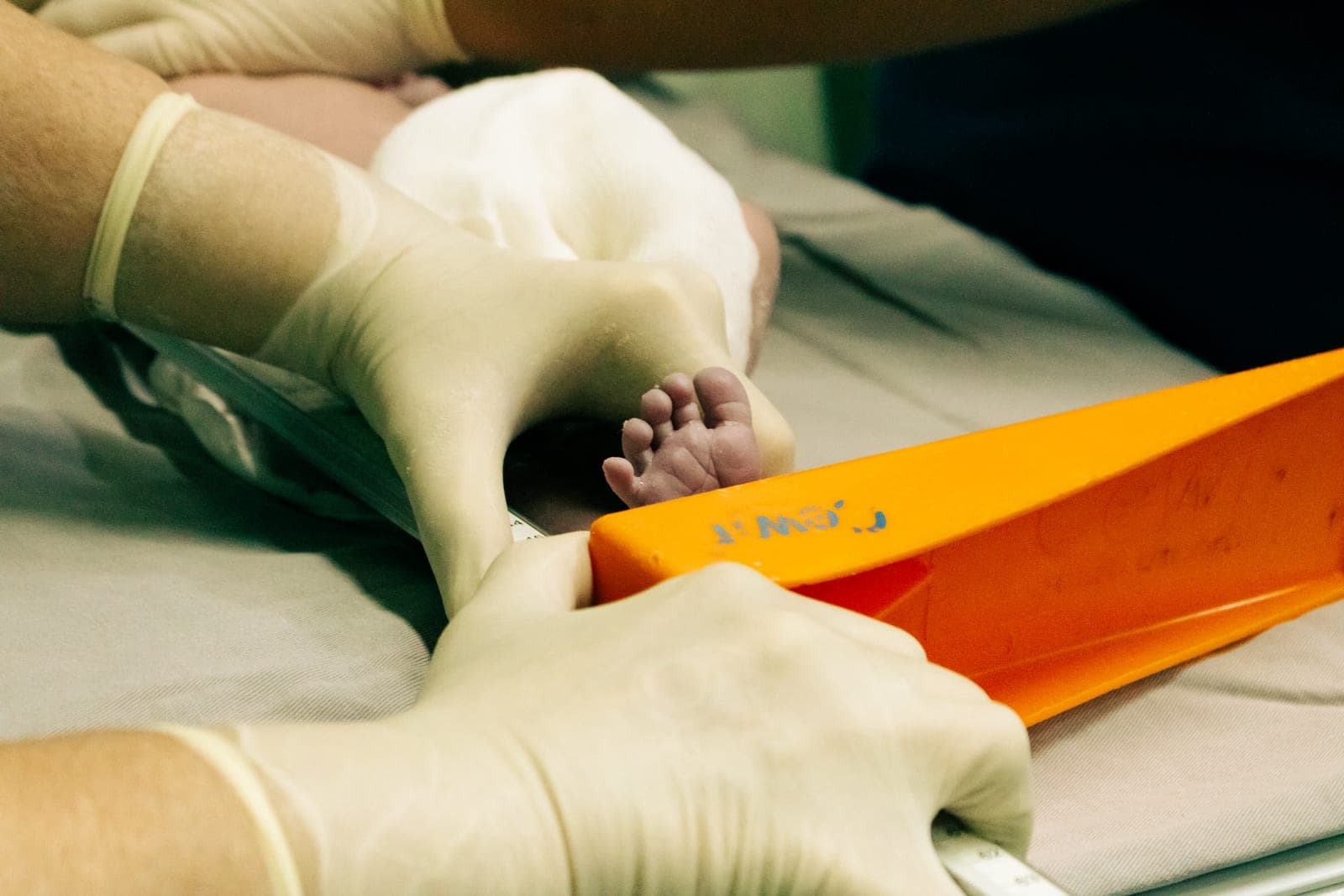
The short answer
| US youth | EU | Foot length (cm) | Approx. age |
|---|---|---|---|
| 10C | 27 | 16.5 | 3–4 |
| 11C | 28 | 17.1 | 4–5 |
| 12C | 30 | 18.1 | 5–6 |
| 13C | 31 | 19.1 | 6–7 |
| 1Y | 32 | 19.7 | 7 |
| 2Y | 33 | 20.6 | 7–8 |
| 3Y | 35 | 21.6 | 8–9 |
| 4Y | 36 | 22.2 | 9–10 |
| 5Y | 37 | 23.5 | 10–11 |
| 6Y | 38.5 | 24.1 | 11–12 |
| 7Y | 40 | 25.1 | 12–13 |
Conversions are approximate and vary between manufacturers. The ages are a rough guide only — foot length at a given age varies enormously, which is exactly why you measure rather than buying by age.
How to measure the foot properly
- Measure late in the day. Feet swell over a day, and you want the larger measurement — that is the foot that has to fit at the end of a game.
- Put a soccer sock on first. A thick over-the-calf sock adds real volume, and that is what will be in the cleat.
- Stand them on a sheet of paper against a wall, heel touching it, with their weight on the foot. Sitting gives a shorter reading, and a flat foot in particular lengthens under load.
- Mark the longest toe — which is not always the big toe — and measure heel to mark in centimeters.
- Measure both feet and use the larger. Most people have one foot slightly bigger; buying for the smaller one is a blister.
Then add about a centimeter — a thumb's width — for growing room, and look up that total in the chart. That is the size to order.
How each brand's junior sizing actually runs
The chart gets you close. This table is the correction, and it is the part that actually saves a return.
| Brand | Length | Width | Practical note |
|---|---|---|---|
| Nike | True | Narrow in Mercurial, roomier in Phantom and Legend | If it feels tight, change line rather than size |
| adidas | True | Wide in Goletto and Copa, narrow in F50 | The Copa Pure is the widest junior cleat there is |
| PUMA | Runs short — often half a size up | Average, with a snug heel | Check for heel slip specifically |
| Vizari | True to standard US kids' sizing | Average to generous | Toddler sizes run closer to sneaker sizing |
The one rule: do not size up to make them last
This is the most expensive mistake in youth cleats and it feels like the frugal choice, which is why it is so common.
A soccer cleat has a stud plate with a defined shape, and that plate has to sit under the right parts of the foot. In an oversized cleat the foot slides forward, so the studs are in the wrong place, the heel lifts on every stride and the toes hit the end on every stop. The result is blisters, lost first touches, and in a bad case a rolled ankle.
One centimeter of growing room, no more. Then replace them. At these ages you will be replacing every six to nine months regardless — see when to replace kids' soccer cleats.
C sizes and Y sizes
US kids' shoe sizing runs in two blocks and the changeover confuses everybody. Little-kid sizes carry a C (child) and run up to 13C. Then the numbering restarts at 1Y (youth, sometimes written as big-kid) and runs upward. So 13C is immediately followed by 1Y, which is one size larger, not eleven sizes smaller.
Around 6Y or 7Y, most brands' junior ranges end and adult sizing takes over. A 7Y is roughly an adult men's 7, which is where a lot of twelve and thirteen-year-olds land. Worth measuring rather than assuming — plenty of twelve-year-olds still fit a big-kid size better than an adult small.
Sizing turf and indoor shoes
Same chart, two differences in how to apply it.
- Both should fit snugger than cleats. There is no stud plate anchoring the foot, so a loose fit means the foot slides on every change of direction.
- Both tend to run more forgiving in width at the same nominal size, because no rigid plate defines the footprint. A kid pinched in a Mercurial cleat is often fine in a Mercurial turf shoe.
See the turf shoe picks and indoor picks.
Cleats that are easiest to size correctly
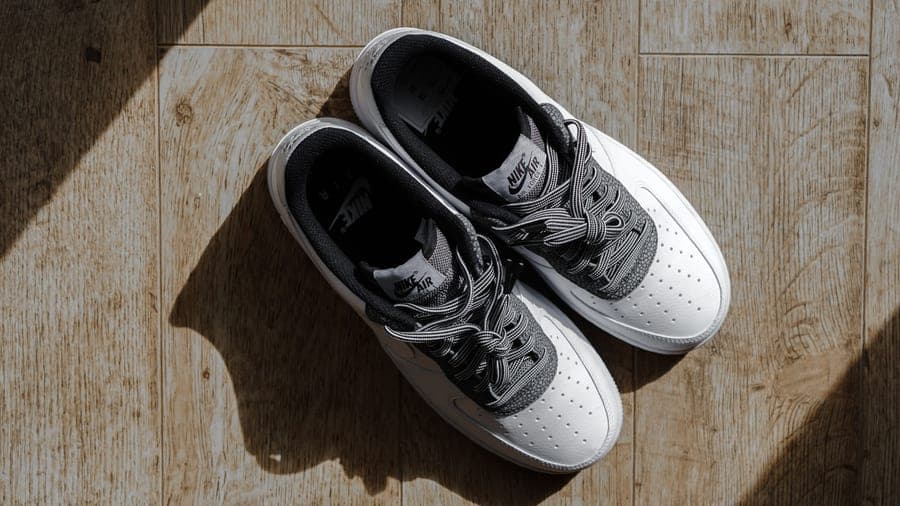
adidas
adidas Goletto VIII Firm Ground
The sensible answer when the honest requirement is a cleat that survives one rec season and costs as little as possible.
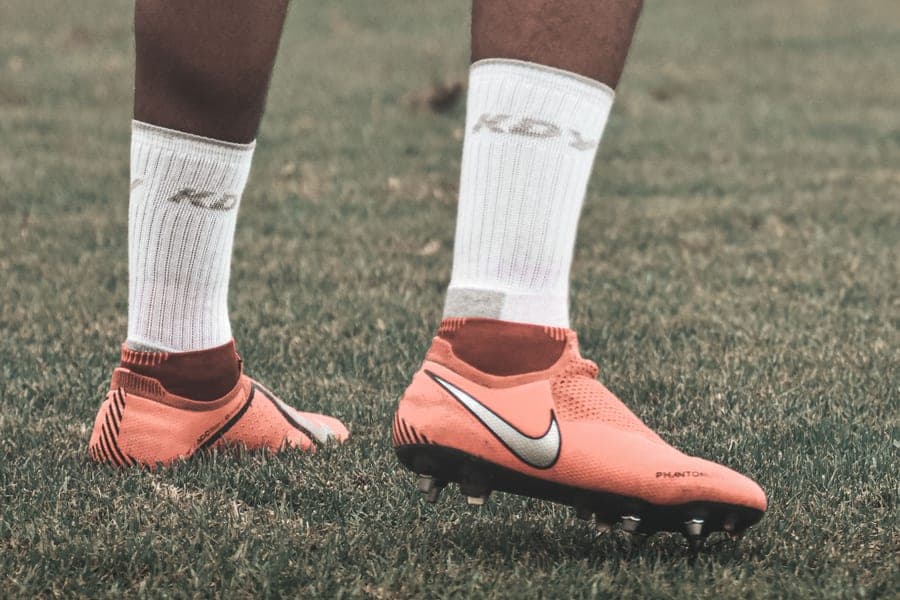
Nike
Nike Jr. Mercurial Vapor 16 Club MG
The safest default cleat for a rec player between U7 and U12, as long as the foot is average width or narrower.
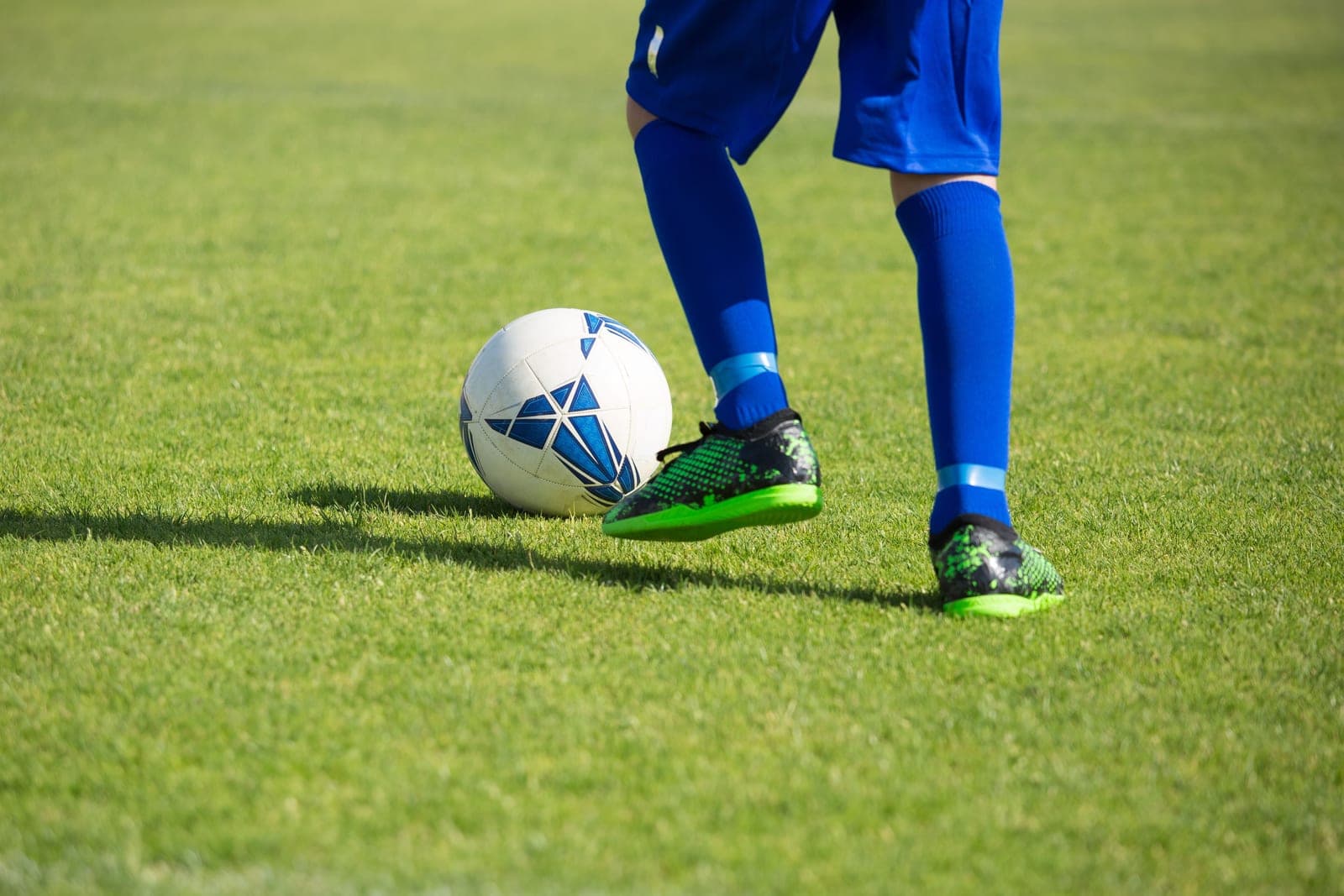
adidas
adidas Jr. Copa Pure.3 Firm Ground
The best mainstream junior cleat for a wide foot, and a real help to a player still learning first touch.
Photos are licensed representative stock images, not the exact models.
When you cannot measure — buying online for a gift
Honest answer: do not buy cleats as a gift unless you know the size and the foot width. It is the one piece of soccer gear where getting it wrong means it cannot be used at all, and a cleat that nearly fits is worse than no cleat.
If you want to buy footwear for someone else's kid, ask the parent for the centimeter measurement rather than a shoe size — that survives brand differences. Otherwise buy a ball, which fits everybody at a given age. See the gift ideas.
Common questions
Are kids soccer cleats true to size?
Length is usually true across Nike, adidas and Vizari; PUMA junior models tend to run short, so many parents size up half a size. Width is where brands really differ — Nike's Mercurial runs narrow, adidas's Goletto and Copa run wide. If a cleat feels tight across the middle, change line rather than size.
How much room should kids soccer cleats have?
About a centimeter — a thumb's width — between the longest toe and the end of the cleat, measured standing with a soccer sock on. Not two centimeters and not a full size. More room than that means the foot slides forward and the stud plate ends up under the wrong part of the foot.
What is the difference between C and Y sizes in kids shoes?
C means child (little-kid) sizes and runs up to 13C. The numbering then restarts at 1Y for youth or big-kid sizes and continues upward. So 13C is immediately followed by 1Y, which is one size larger. Around 6Y or 7Y most brands' junior ranges end and adult sizing takes over.
Should I measure my kid's feet standing or sitting?
Standing, with their weight on the foot, and late in the day. Feet lengthen under load — a flat foot particularly — and swell through the day, so a measurement taken sitting in the morning can lead you to a cleat that is correct at rest and too short at the end of a game.
What size cleats does a 10 year old wear?
Commonly between 3Y and 5Y, but the spread at that age is wide enough that the question is not really answerable — measure instead. Foot length at ten varies by several sizes between kids, which is exactly why buying by age rather than by measurement is what produces returns.
Sources
- Nike — kids' soccer cleats and shoes — Verified that each Nike model named on this page is currently sold, and the source for Nike's own published upper, plate and surface descriptions.
- adidas — kids' soccer — Verified current availability of the adidas models named here, plus adidas's published material and construction claims.
- Vizari Sports — youth cleats and indoor shoes — Verified the Vizari models named here are currently sold, including the toddler size range and the indoor line, plus Vizari's published material claims.
Read next
- How should kids' soccer cleats fit?The thumb's-width rule and four hands-on fit checks — because asking a kid whether shoes fit does not work.
- When to replace kids' soccer cleatsThe four signs a pair is finished, how often replacement actually happens, and what to check every two months.
- Best youth soccer cleats for wide feetWhich lines genuinely run wide, which only claim to, and why sizing up makes a width problem worse.
- Best soccer cleats for 8 year oldsCleat picks for an 8 year old by foot width and surface, plus when the step up in price is actually worth it.
- Best soccer cleats for 10 year oldsWhere rec and travel picks diverge, sorted by width and surface, with the honest case for spending more.
- Gear by levelThe full kit list for every age group from U6 through travel club.