Goals
How to anchor a backyard soccer goal safely
The US CPSC has documented at least 21 deaths from goals tipping onto children. This is not optional.
By Ryder M. · Published September 27, 2026
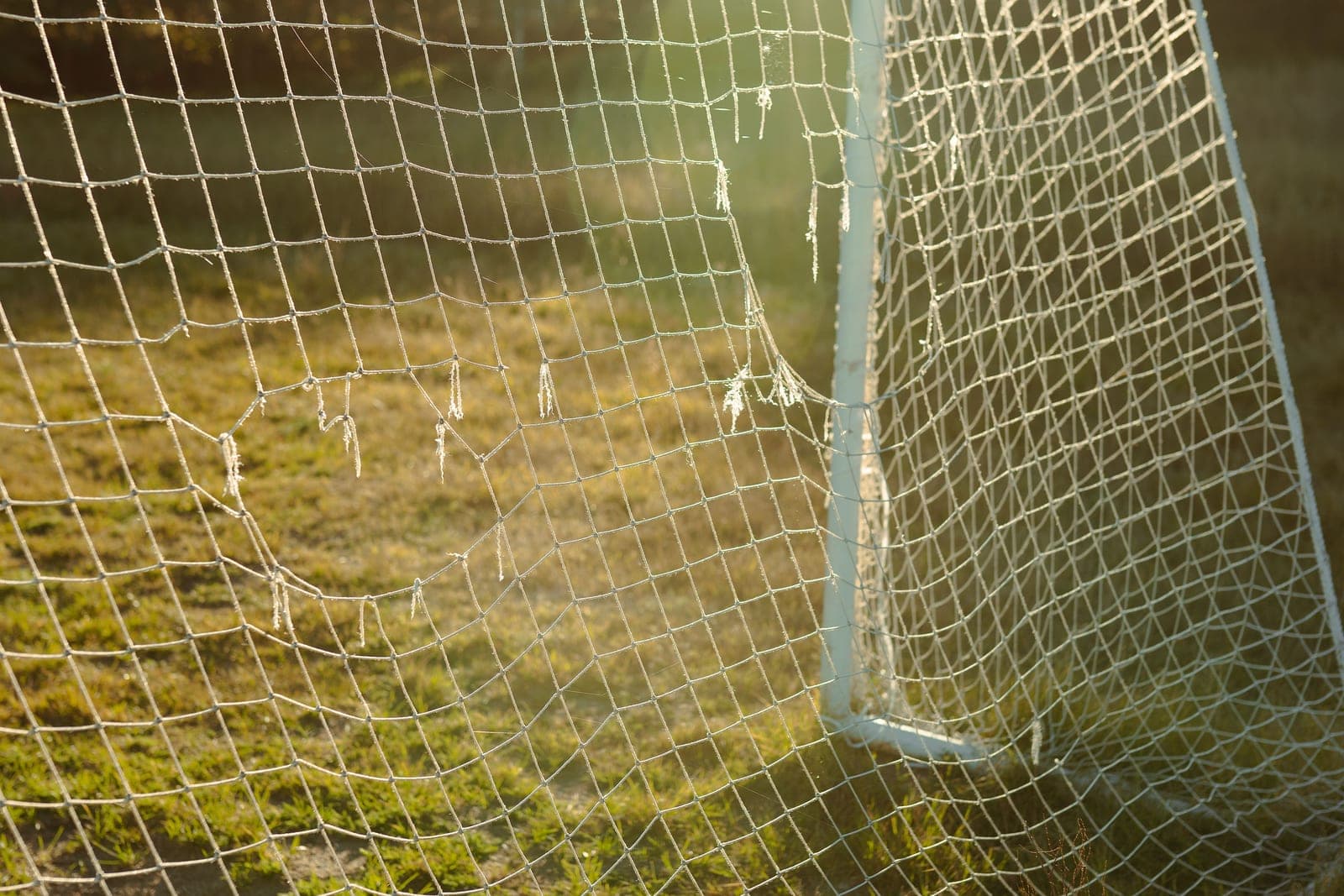
The short answer
- Anchor at the rear of the goal, at all times it is up, with the anchors flush to the ground so nobody trips on them.
- On grass: at least two auger-style helical anchors screwed into the ground, or two to four peg or stake anchors roughly ten inches long driven in at angles.
- On a hard surface: sandbags or counterweights, since you cannot stake.
- Check the anchors regularly — ground softens, pegs work loose, and the goal is only as safe as its last check.
- When not in use: remove the nets and lock or chain the goal to another goal or a fixed structure such as a permanent fence.
Everything on this page comes from the CPSC's published guidance for movable soccer goals. It is the one topic on this site where we are simply relaying a safety authority rather than offering a view, and it is worth reading the source directly — it is linked at the bottom.
Why goals tip, and onto whom
The mechanism is specific and worth understanding, because it explains why anchoring matters even for a goal that seems stable.
A goal's weight is concentrated in the frame, and the frame is tall relative to its base depth. When a child hangs from the crossbar or climbs the net, their weight acts at the top of that lever and the goal rotates forward. Once it starts, the goal's own mass completes the movement, and the child is underneath.
The CPSC's data shows this is not a freak event: at least 21 deaths in the sixteen years to 1994, with around 120 emergency-room-treated injuries a year in the early 1990s. The victims are children, and the injuries are blunt force trauma to the head, neck, chest and limbs.
The anchor types, and which to use
The CPSC lists several, and which one you use depends on the surface:
| Anchor type | How it works | Use on |
|---|---|---|
| Auger-style (helical) | Screwed into the ground like a corkscrew. A minimum of two is recommended. | Grass, soil — the strongest option |
| Semipermanent | A buried base with tethers or threaded openings the goal attaches to | A permanent goal position |
| Peg or stake style | Two to four per goal, roughly ten inches long, driven in at angles | Grass — the usual choice for portable goals |
| J-hook stakes | Hook over the frame where there are no pre-drilled holes | Goals without anchor points |
| Sandbags / counterweights | Weigh the rear of the goal down | Hard surfaces like artificial turf or a patio, where staking is impossible |
Two details from the guidance that are easy to miss. Anchor at the rear of the goal, because that is the direction it needs to be held against. And keep the anchors flush with the ground, so they are not themselves a trip hazard on a surface children are running on.
When the goal is not in use
This is the half of the guidance people skip, and it addresses the exact scenario the fatality data describes — a goal standing unattended in a yard, with children around and no game going on.
- Remove the nets. A netless frame is far less inviting to climb, and the net is what children hang from.
- Lock and chain the goals, either to each other or to a suitable fixed structure such as a permanent fence.
- Store them securely if you can — in a locked room or shed.
- Fully disassemble seasonally rather than leaving a goal standing through a winter nobody is using it.
For a backyard pop-up, the practical version is: fold it down and put it away if it will be weeks before the next use, and at minimum take the net off.
The rules to give your kids
Anchoring is the engineering fix. The behavioral one matters too, and it is short:
- Nobody hangs on the crossbar. This is the single behavior in the incident data.
- Nobody climbs the net. Including to retrieve a ball stuck on top.
- Nobody moves a goal alone. Goals are moved by adults, with help.
- If it is not anchored, it does not go up.
Worth saying out loud once rather than assuming. Hanging on a crossbar is an obvious and appealing thing for a child to do, and the reason not to is not obvious to them.
Checking the anchors
Anchors are not a one-time job. Ground softens with rain and dries out in summer, pegs work loose under repeated impacts, and sandbags get moved to sit on in a garden chair.
Check them at the start of each season and any time the goal has been moved, plus a quick pull-test on the rear of the frame before a session. If the goal shifts when you lean on the crossbar, it is not anchored well enough.
Goals with anchoring points built in
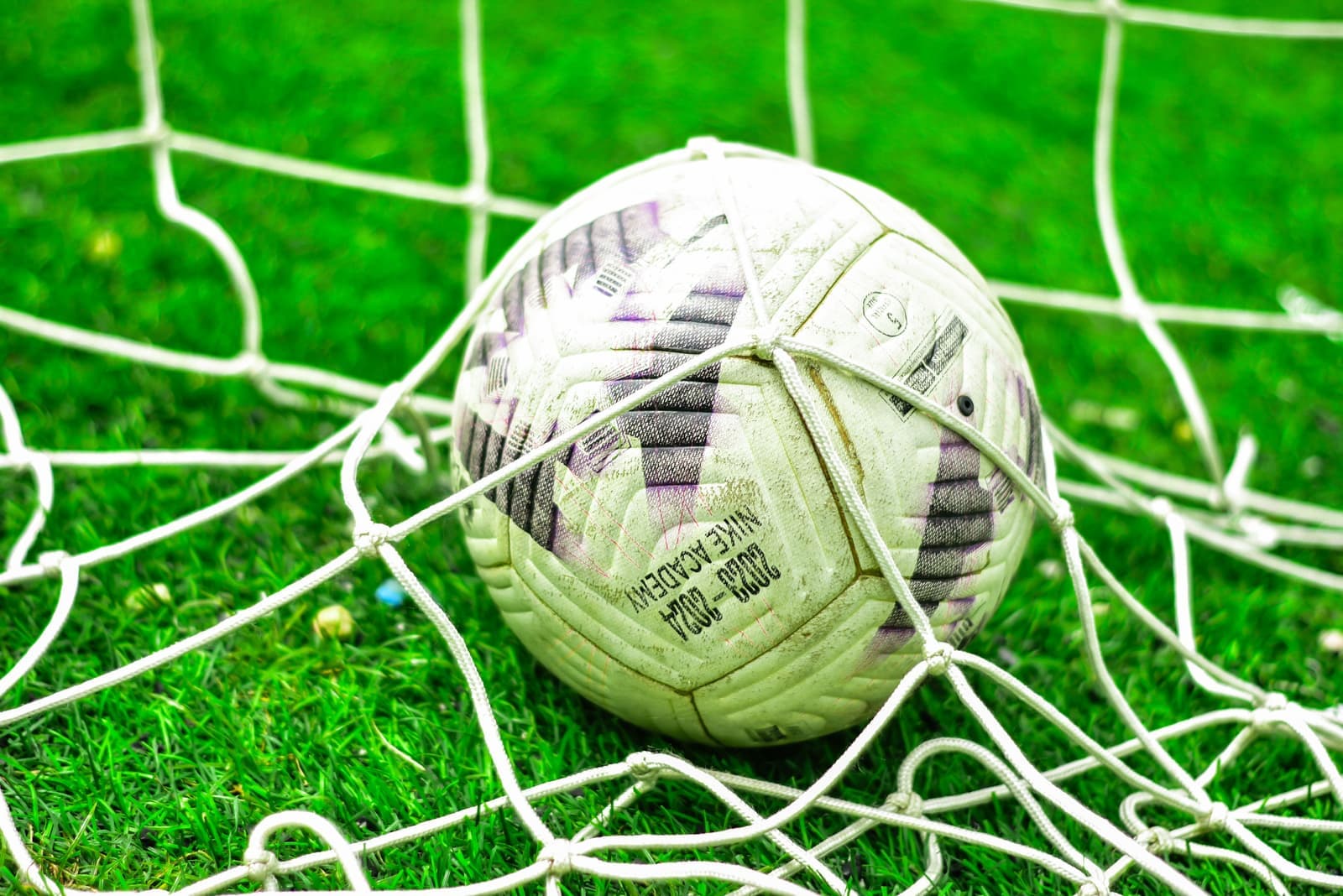
Franklin Sports
Franklin Sports Blackhawk Portable Soccer Goal
The right first goal for a young player, sized honestly for the ages where it earns its keep.
QuickPlay
QuickPlay Kickster 2-in-1 Soccer Goal / Rebounder 8x5
The best two-in-one for an older player who does most of their extra work alone.
Open Goaaal
Open Goaaal 3-in-1 Soccer Goal, Rebounder & Backstop
The right answer for a player who will use it for years and a yard where stray shots are a genuine problem — priced accordingly.
Photos are licensed representative stock images, not the exact models.
A note on rebounders
Rebounders are lighter than full goals and the CPSC figures concern goals, so the risk profile is different. The same principle holds: a lightweight frame skips across a lawn under a firm shot and can tip if a child pulls on it, so peg it down on grass and weigh it down on a hard surface. See the rebounder picks.
If you are building your own goal or rebounder, the anchoring requirement does not change — see how to build a backyard soccer goal.
Common questions
How do you anchor a backyard soccer goal?
Anchor at the rear of the goal with the anchors flush to the ground. On grass, use at least two auger-style helical anchors screwed into the ground, or two to four peg or stake anchors around ten inches long driven in at angles. On a hard surface, use sandbags or counterweights. Check them at the start of each season.
Why do soccer goals need to be anchored?
Because they tip onto children. The US CPSC has documented at least 21 deaths between 1979 and 1994 and estimated around 120 injuries treated in US emergency rooms each year in the early 1990s, nearly all involving children climbing on the net or hanging from the crossbar on a goal that was unanchored or badly anchored.
How do you secure a soccer goal on a hard surface?
With sandbags or counterweights at the rear, since staking is not possible. This is the CPSC's stated approach for hard surfaces such as artificial turf. The weight has to be sufficient and at the rear of the frame, where it counteracts the direction the goal would tip.
What should you do with a soccer goal when it is not in use?
Remove the nets, and lock or chain the goal to another goal or to a fixed structure such as a permanent fence. Store it in a secure room if possible, and fully disassemble it seasonally. A netless, secured frame is far less inviting for a child to climb.
Do pop-up soccer goals need anchoring?
Yes. They are lighter than the full-size goals in the CPSC's figures, which reduces the hazard rather than removing it — the incidents in that data involved children hanging on the crossbar or climbing the net, which is equally possible on a pop-up. Use the pegs supplied and set the crossbar rule.
Sources
- US CPSC — Guidelines for Movable Soccer Goals — Tipover fatality and injury figures, and the CPSC's specific anchoring, counterweighting and storage recommendations. The source for every safety figure on the goal pages.
- Open Goaaal USA — soccer goals and rebounders — Verified current availability and the manufacturer's description of the 3-in-1 goal, rebounder and backstop system.
- QuickPlay — Kickster 2-in-1 goal / rebounder — QuickPlay's published dimensions and its description of the swappable rebounder panel.
Read next
- Best pop-up soccer goalsPortable pop-up picks for U6 to U10, honest about the narrow age window where they work.
- Best backyard soccer goals for teens8x5 and larger goals that survive a teenager, and why anchoring matters more as the goal gets bigger.
- What size backyard soccer goal do you need?Goal size by player age and by yard, the run-up measurement people skip, and official sizes for reference.
- How to build a backyard soccer goalBuilding a PVC goal or rebounder, where DIY beats buying, and the safety rules that still apply.
- Best soccer rebounders for kidsRebounder picks by age and yard size, and why a rebounder often beats a goal as the first purchase.
- Soccer goal vs rebounder: which first?The decision table for goal versus rebounder, the combined units, and the case for waiting.