Roughly ages 10 to 12
U11–U12: nine-a-side, and the travel question
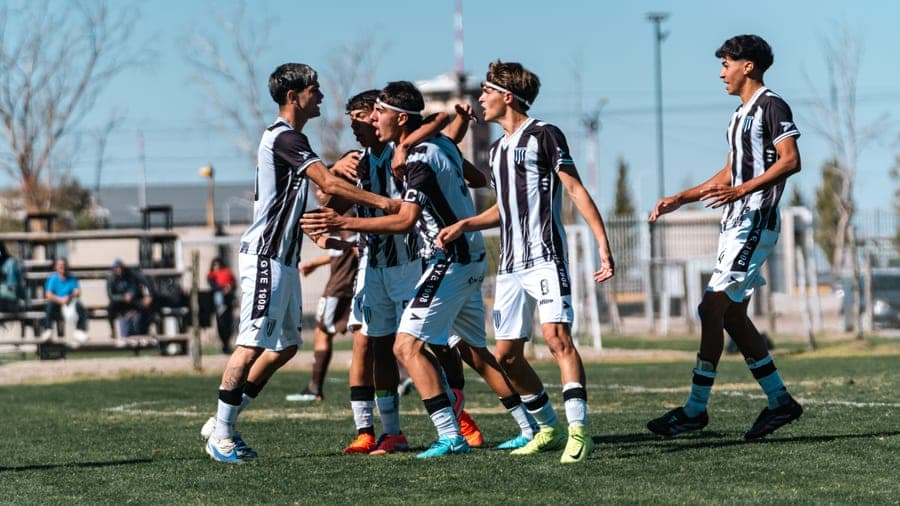
Still a size 4 ball, but nearly everything else is now a real decision.
By Ryder M. · Published September 27, 2026
Heads up: we earn a commission if you buy through our links, at no extra cost to you. It never changes which product we recommend — here’s how that works.
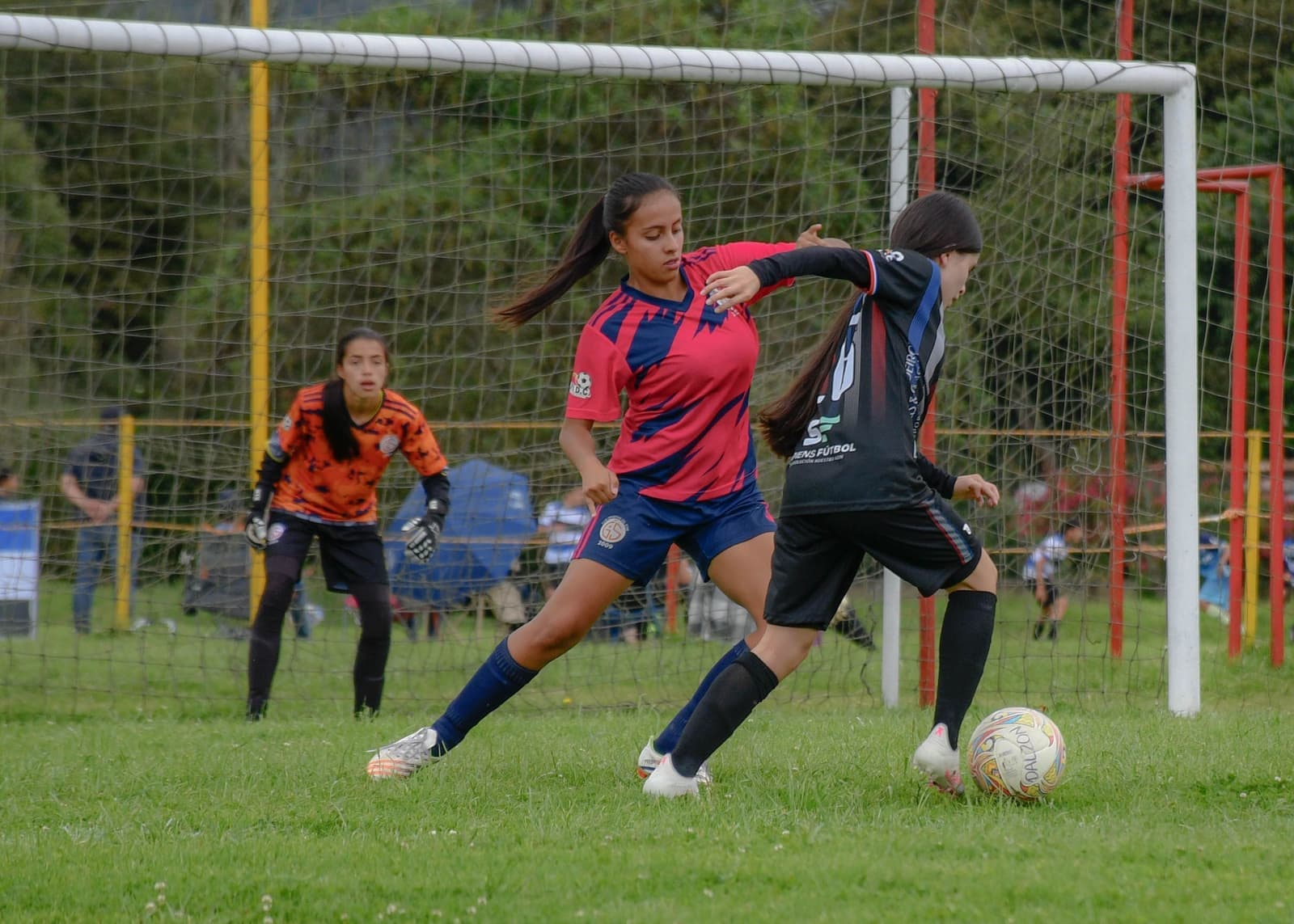
The short answer
U12 still uses a size 4 soccer ball — the size 4 covers the 10U and 12U divisions. The format steps up to 9v9 on a pitch of roughly 70–80 by 45–55 yards. Gear-wise, this is the level where a travel player and a rec player genuinely need different things for the first time.
The ball does not change, which surprises people — a twelve-year-old on a nearly full-size pitch is still playing with a size 4. AYSO's published standards keep the size 4 through the 12U division and move to size 5 at 14U. So the equipment change at this level is not about the ball. It is about everything that follows from playing two or three times a week instead of once.
What changes at U11–U12
| U9–U10 | U11–U12 | |
|---|---|---|
| Ball | Size 4 | Size 4 (unchanged) |
| Format | 7v7 | 9v9 |
| Pitch | ~55–65 × 35–45 yards | ~70–80 × 45–55 yards |
| Typical volume | 1 game + 1 practice | 1–2 games + 2–3 practices |
| Gear implication | One pair covers it | Volume starts breaking cheap gear |
That last row is the whole story of this level. A cheap cleat that comfortably survived one session a week starts failing at four — the sockliner flattens, the upper creases through, and a kid who plays a lot starts noticing their feet at the end of a session. That is not a reason to buy the most expensive thing available; it is a reason to buy the middle tier rather than the bottom one.
The U12 kit list
Start here
Pick by your kid’s level
The right answer changes with the level, not just the shoe size. Find your kid’s bracket and start there.
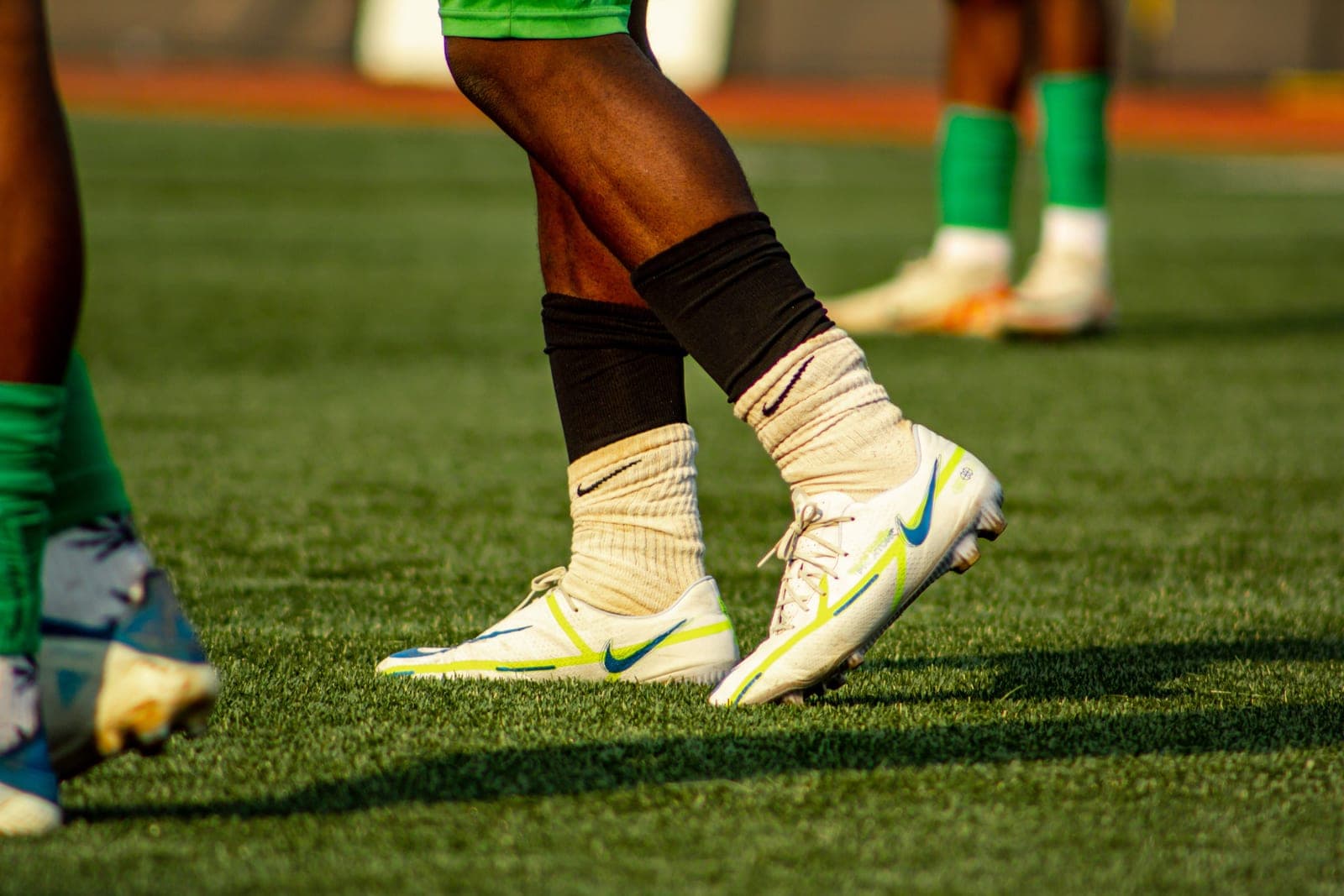
Nike Jr. Mercurial Vapor 16 Academy FG/MG
The step up from the entry tier, and this is the level where it earns the money — better plate and upper for a kid training midweek as well as playing weekends.
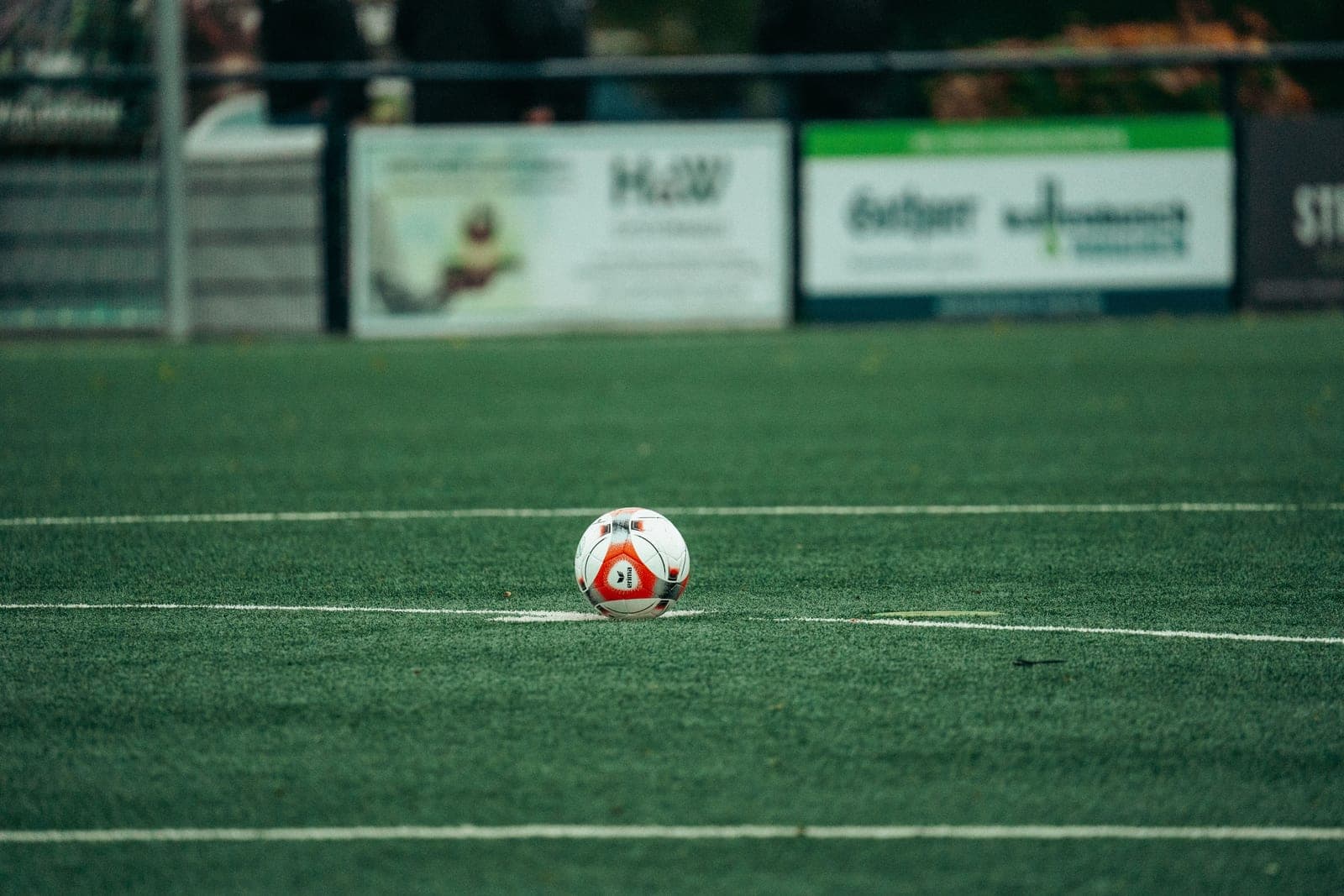
Select Numero 10
From about U12 a proper match ball is a genuinely better ball rather than a more expensive one. A kid striking it cleanly will feel the difference in flight.
adidas Tiro League Shin Guards
The sleeve guard is the right compromise at this age: lower profile than a strapped guard, and far more secure than a bare slip-in that migrates round the leg.
Cleats: this is where tiers start being real
Below U10, the difference between a cheap cleat and an expensive one is mostly marketing as far as the player is concerned. At U11–U12 that stops being true, for three reasons:
- They are fast enough for weight to matter. A speed cleat's weight saving is a real advantage to a kid who is actually sprinting past people.
- They play enough for cushioning to matter. Four sessions a week on a thin sockliner is what generates foot and heel complaints.
- The plate matters on a bigger pitch. Longer sprints and harder turns are what stud patterns are designed around.
The Academy tier is the right place to land for most players here — the Pro tier is a genuine step further but it is firm-ground only, thinner, and more expensive than sense allows on a foot that has months left in it. See the 12 year olds picks, and if brand lines are the confusing part, the Nike Mercurial vs Tiempo vs Phantom and adidas Goletto vs Copa vs Predator comparisons explain what each is actually for.
A second pair stops being a luxury
At two or three sessions a week, a single pair of cleats never dries out properly between uses, and a permanently damp cleat rots and smells. A second pair — usually turf shoes, since most midweek training is on turf — solves both problems and roughly doubles the life of the good pair.
If there is an indoor or futsal season, that is a third pair, and there is no way around it: indoor facilities require non-marking flat soles, and a turf shoe is not the same thing. See the turf and indoor picks.
The genuine upgrades at this level
Three things that are not worth buying at U8 and are worth buying now, if the player is committed:
- A match-quality ball. From about U12 a hand-stitched ball flies more predictably and a kid striking it properly notices. See the size 4 picks.
- Grip socks. These genuinely reduce foot movement inside the cleat, which is a real cause of blisters and mis-hit touches. Expensive, and only worth it at this volume. Are grip socks worth it covers when.
- A rebounder. The most useful training purchase at this age, because it makes solo practice productive. See the rebounder picks.
If your kid is in goal, it changes now
At 9v9 the goalkeeper is a real position with real shots, and a basic rotation glove is no longer the right purchase for a regular keeper. A youth-specific glove with finger support is worth it here — the injury it addresses, a hyperextended finger from a shot on the fingertips, is the common goalkeeping injury at this age.
Padded keeper pants also start earning their place, because diving repeatedly on dry ground is what stops kids wanting to dive. See the finger protection picks.
What comes next
At U13 and up the ball finally goes to size 5, the game goes to 11v11 on a full pitch, and sizing crosses over into adult ranges — which changes where you shop as much as what you buy.
Common questions
What size soccer ball for a U12?
Size 4. AYSO's standards keep the size 4 through the 12U division and move to size 5 at 14U. A lot of parents assume a twelve-year-old is on a size 5 and buy the wrong ball — check your league, but size 4 is the default at U12.
What size soccer ball for an 11 year old?
Size 4. Age 11 sits squarely in the size 4 band, which runs from roughly age 8 to 12. The step to size 5 comes at U13 or 14U depending on the organization.
Is it worth buying expensive cleats for a 12 year old?
The middle tier is worth it; the top tier usually is not. At U11–U12 a player is fast enough and playing enough for a better plate, upper and sockliner to make a real difference. The Pro tier goes further but is firm-ground only, thinner and considerably more expensive, on a foot that has months of growth left.
Does a U12 travel player need two pairs of cleats?
Effectively yes, if they train two or three times a week. A single pair never dries between sessions, which rots the upper and makes it smell. A second pair — usually turf shoes, since midweek training is mostly on turf — solves that and roughly doubles the life of the good pair.
When do grip socks become worth it?
Around U12, and only for a player training several times a week. The grip genuinely reduces foot movement inside the cleat, which is a real cause of blisters. Below that volume, a well-fitting sock in a well-fitting cleat does nearly as much for a fraction of the cost.
Sources
- AYSO — Size of Ball and Field by Age Division — Official ball sizes, circumference and weight ranges, and field dimensions by age division. Used for every ball-size and field-size figure on this site.
- US Youth Soccer small-sided playing formats — Player counts, game lengths and format progression (4v4, 7v7, 9v9, 11v11) by age group.