U6 rec → travel club
Youth soccer gear by level
Find your kid’s age group and see exactly what they need, with the sizes already worked out.
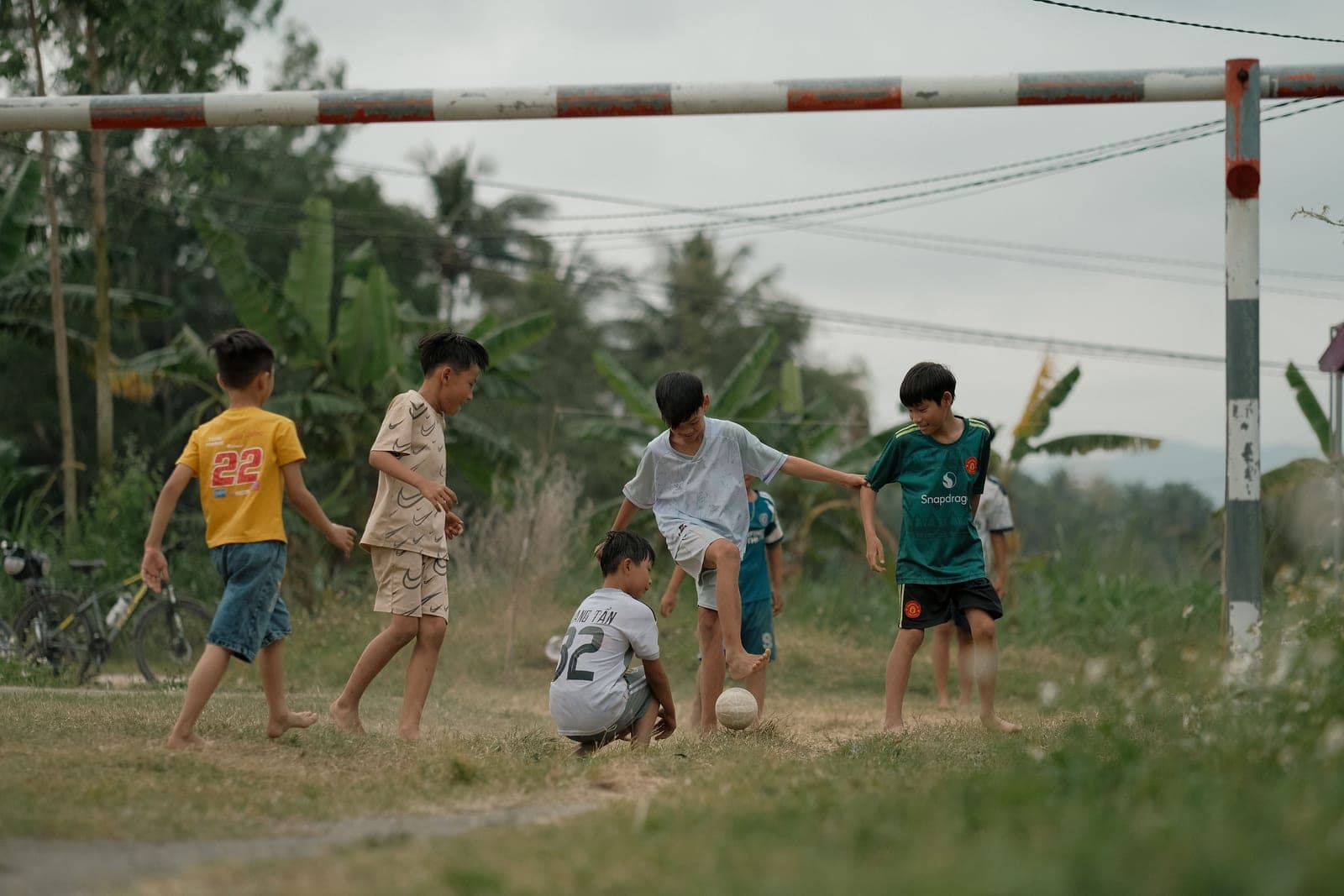
Pick your kid’s level
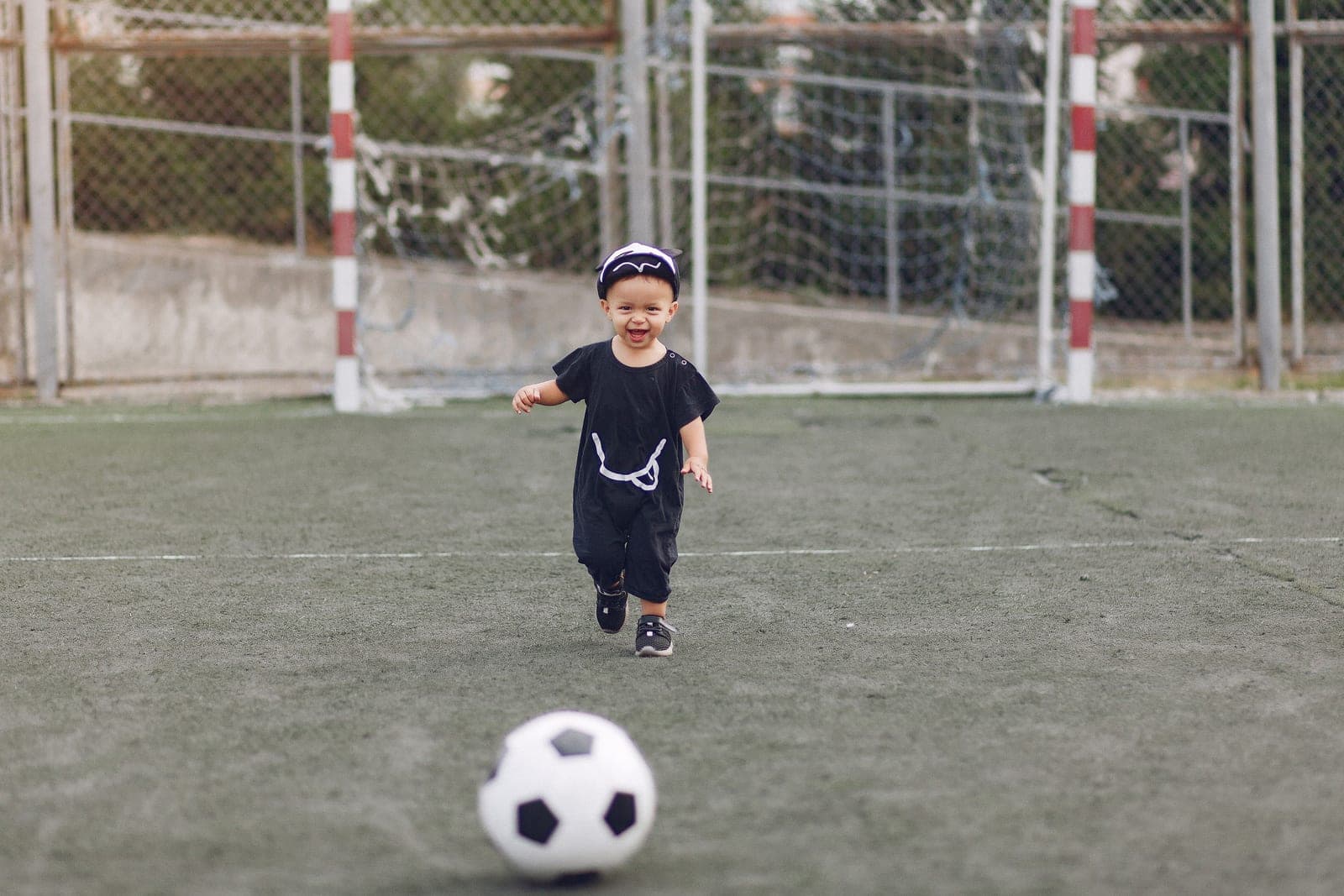
Roughly ages 3 to 5
U6 — first kicks
Ages 3 to 5. Size 3 ball, shin guards, and an honest answer on whether cleats are needed at all.
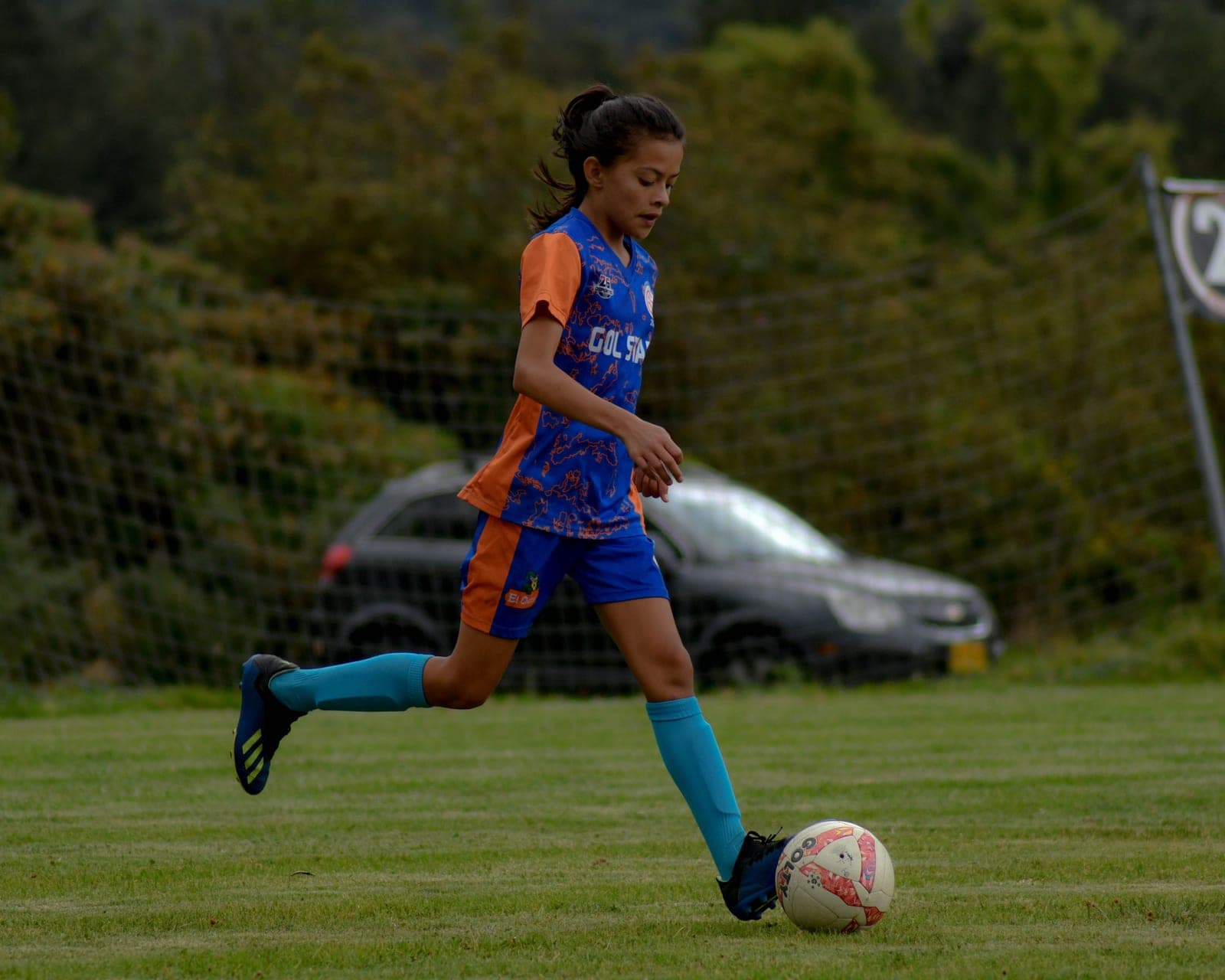
Roughly ages 6 to 8
U7–U8 rec
Ages 6 to 8. Still a size 3 ball, but this is where the first real pair of cleats earns its place.
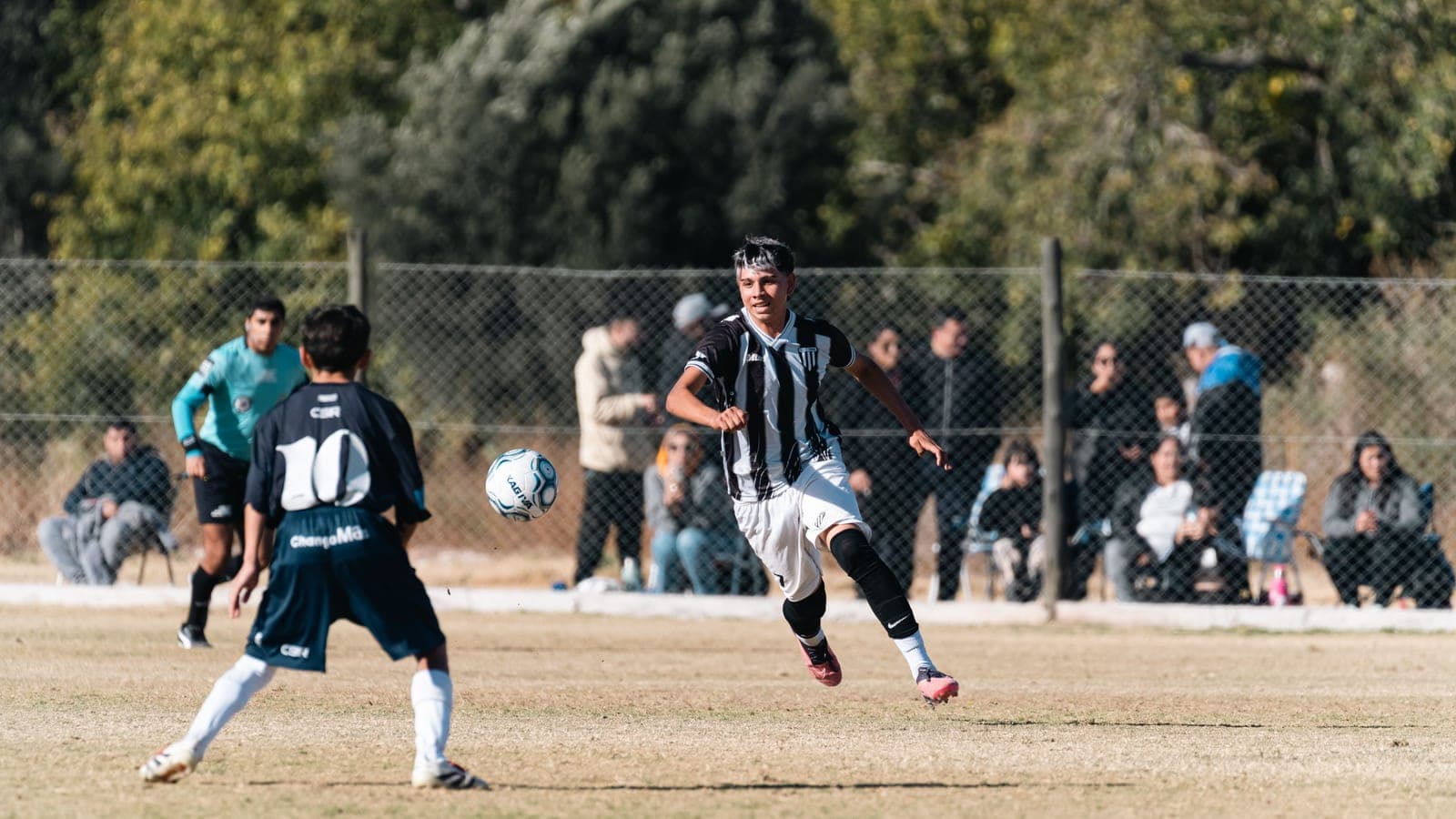
Roughly ages 8 to 10
U9–U10
Ages 8 to 10. The ball goes up to size 4, the format goes to 7v7, and someone has to play in goal.
Roughly ages 10 to 12
U11–U12
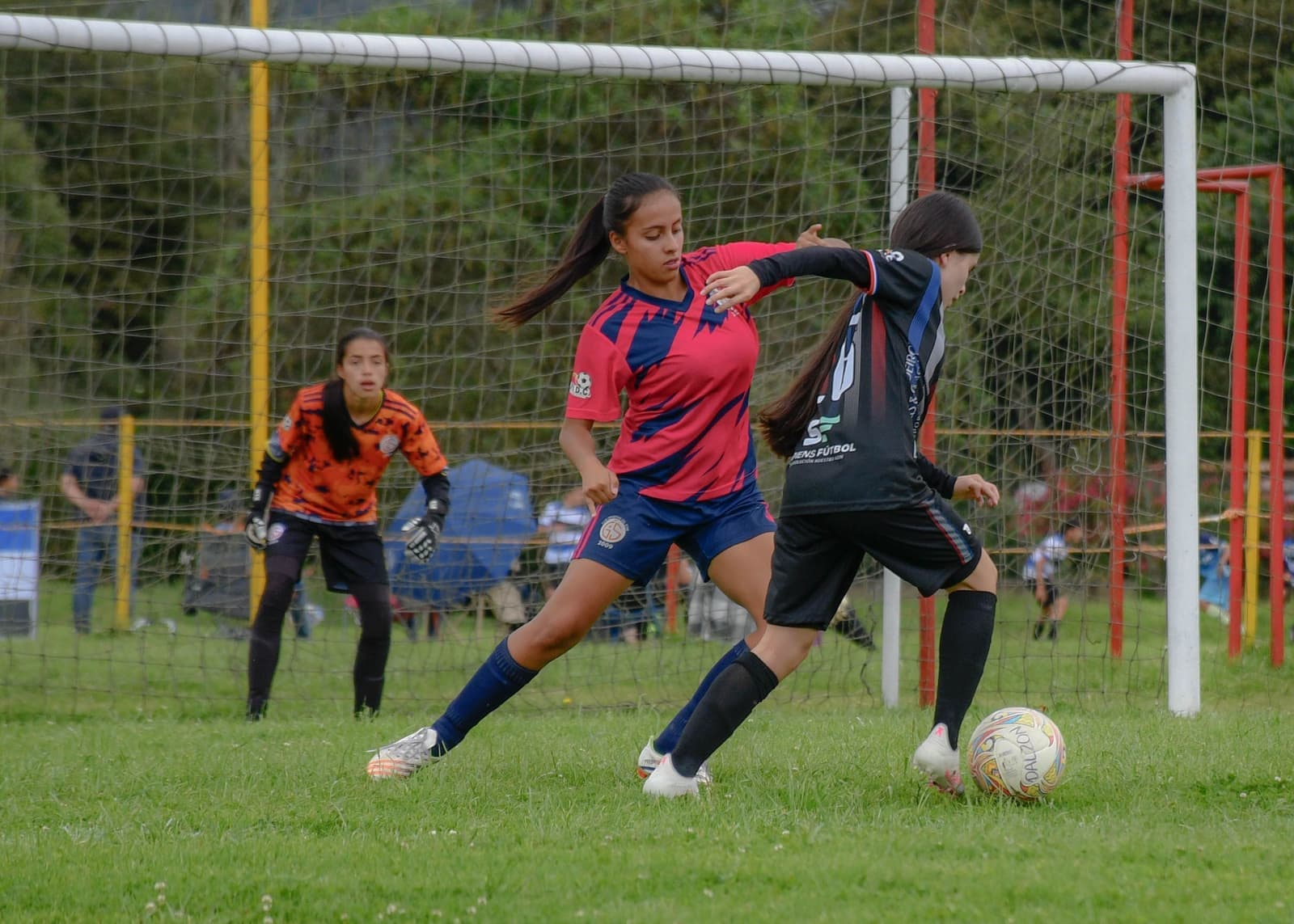
Ages 10 to 12. Size 4 still, 9v9 format, and the level where travel-club gear diverges sharply from rec.
Age 13 and up
U13+ travel & club
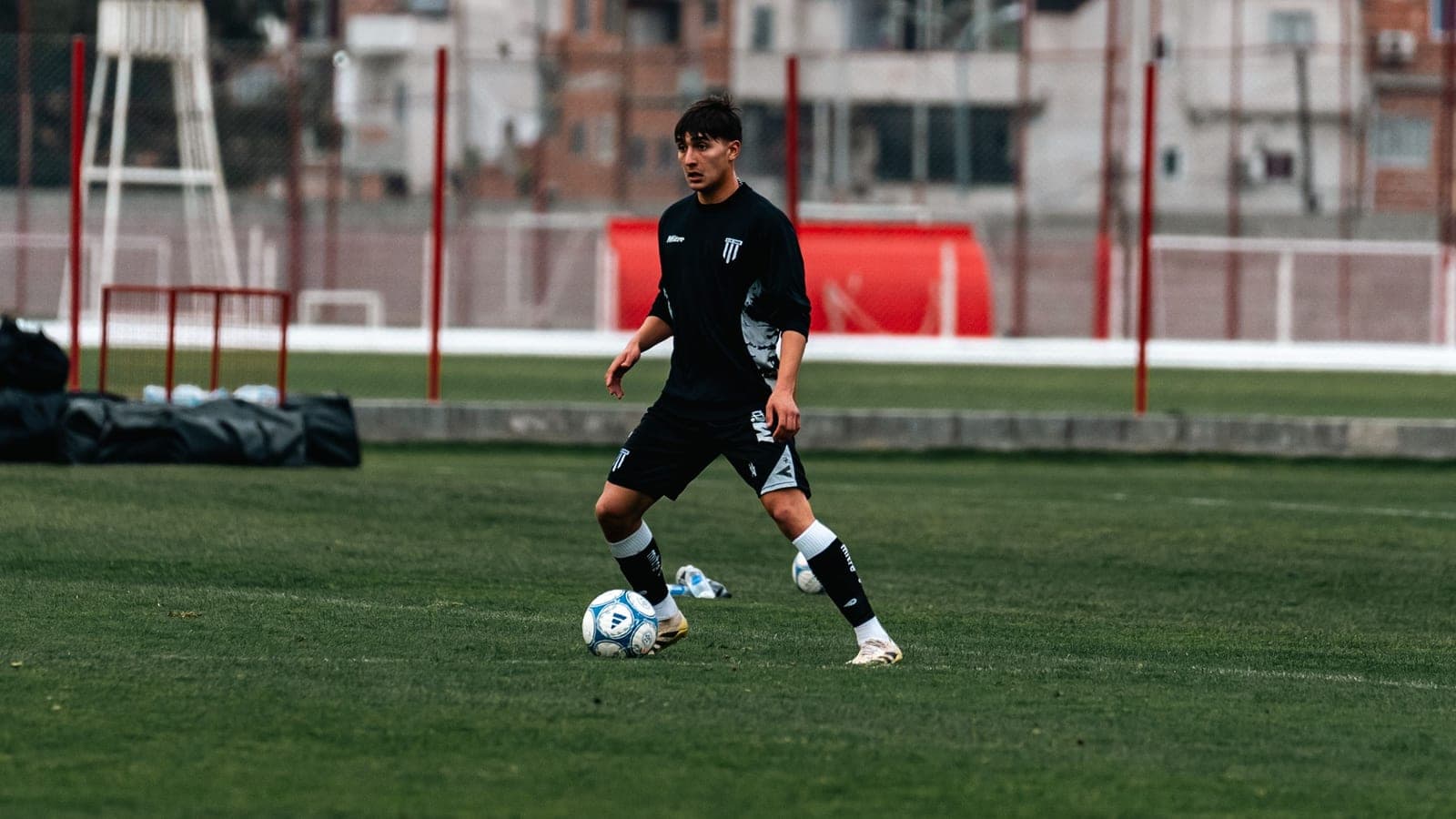
Age 13 and up. Size 5 ball, 11v11 on a full pitch, and the crossover into adult sizing.
All ages
Rec vs travel: what gear changes
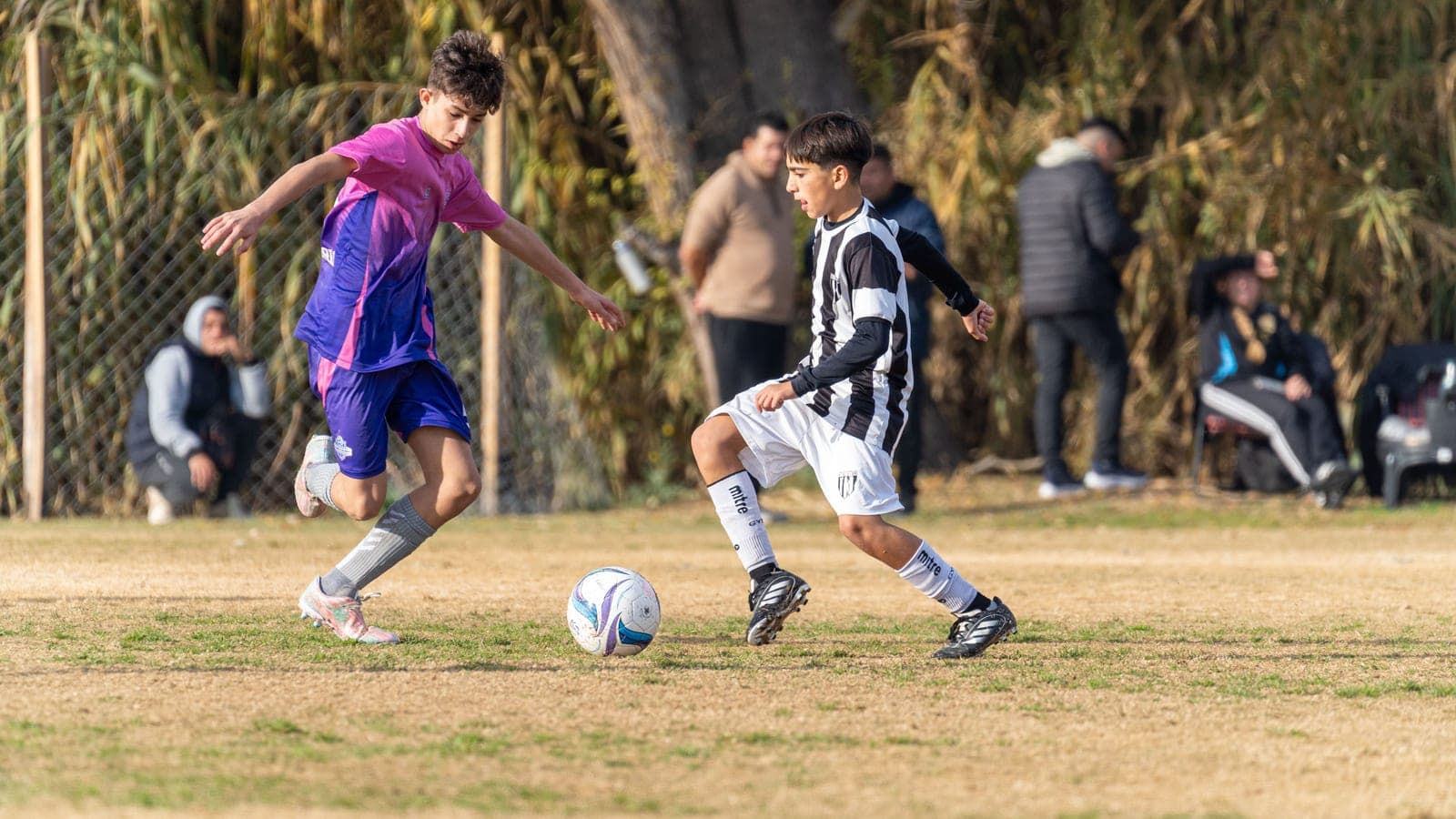
What the jump from one session a week to four actually breaks — and what genuinely needs upgrading.
Or browse by gear
- Soccer CleatsAge-by-age cleat picks, plus wide feet, flat feet, heel pain, turf, indoor and sizing.
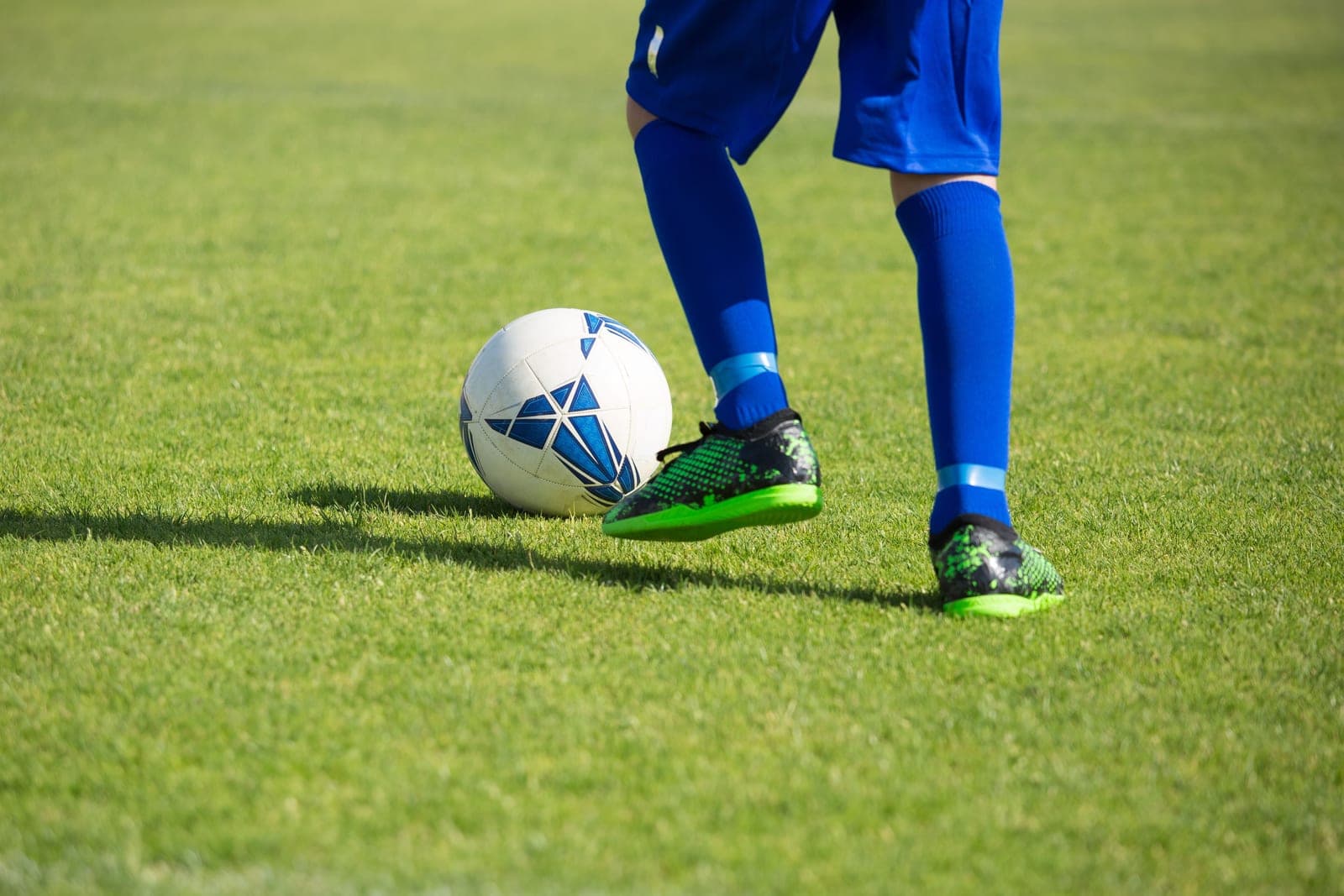
- Soccer BallsThe official size-by-age chart, plus picks for size 3, size 4, size 5 and indoor futsal.
- Shin GuardsSlip-in versus ankle protection, the size chart, and how to stop guards sliding round the leg.
- Backyard Goals & ReboundersPop-up goals, rebounders and teen-sized goals — plus the CPSC anchoring guidance you need to read first.
- Goalkeeper GearGloves with and without finger protection, the size chart by age, and how to keep the grip alive.
- Team Kit & BagsSocks, bags, practice jerseys, grip socks and gift ideas — the kit that gets bought last and matters more than expected.

The short answer
| Level | Ages | Ball | Format |
|---|---|---|---|
| U6 — first kicks | 3–5 | Size 3 | 4v4, no keeper |
| U7–U8 rec | 6–8 | Size 3 | 4v4, no keeper |
| U9–U10 | 8–10 | Size 4 | 7v7 with a keeper |
| U11–U12 | 10–12 | Size 4 | 9v9 |
| U13+ travel & club | 13+ | Size 5 | 11v11, full pitch |
Almost every youth soccer gear guide is organized by product: here are the cleats, here are the balls, here are the shin guards. That is a useful way to arrange a warehouse and a terrible way to answer the question a parent actually has, which is what does my kid need, at their level, right now.
So this is the other way round. Find your kid's bracket, and the page tells you what they need, in what size, and what to skip. The gear pages are there when you want to compare options; these pages are for the Tuesday evening when the season starts Saturday.
Why level and not age alone
Because the level bundles together everything that actually decides a purchase. The age group sets the ball size, the format, the pitch dimensions and how much running a kid does — and those together determine whether cleats are needed at all, whether cushioning matters, and whether there is a goalkeeper.
A concrete example. A four-year-old and a nine-year-old both play soccer, and their kit lists barely overlap. The four-year-old probably does not need cleats, plays 4v4 with no keeper on a pitch of about 25 to 35 yards, and needs shin guards more than anything else. The nine-year-old needs a different ball size, plays 7v7 with a goalkeeper on a pitch nearly twice as long, and is running enough that what is underfoot starts to matter.
Both facts are in the official standards. Neither is on a product page.
What changes, and when
Three transitions do most of the work across a youth career:
- Around U7–U8: cleats start to matter. Kids run continuously on longer grass, which is what studs are for. Before that, turf shoes or sneakers are often the better buy. See U7–U8 rec.
- At U9: the ball goes to size 4 and a goalkeeper appears. The format jumps to 7v7 on a much bigger pitch. This is the biggest single equipment change in youth soccer. See U9–U10.
- At U13: the ball goes to size 5 and the game goes 11v11. The last change there is, and the first point where the expensive options are defensible. See U13+ travel & club.
Note what is *not* on that list: moving from rec to travel club. That changes the volume of play rather than the equipment category, and volume mostly affects durability rather than what you buy. Rec vs travel: what gear actually changes goes through it honestly.
The short version of the whole site
If you read nothing else, these are the things most worth knowing:
- Ball size is set by age group, not preference — size 3 through U8, size 4 for U9–U12, size 5 from U13. See ball size by age.
- Never buy cleats a size up to make them last. The stud plate has to sit under the right part of the foot. A thumb's width at the toe, then replace them. See how cleats should fit.
- Fix a width problem with a different line, not a bigger size. adidas's Copa Pure and Goletto run wide; Nike's Mercurial runs narrow. See wide feet.
- Shin guards are sized by height, not age, and under U10 they should have ankle protection. See the size chart.
- If they train on artificial turf every week, buy turf shoes. A turf outsole spreads load across the foot instead of concentrating it on studs. See turf shoes.
- Anchor any backyard goal. The US CPSC has documented at least 21 deaths from movable goals tipping onto children. See how to anchor a goal.
Or browse by gear instead
If you already know what you are shopping for, the gear hubs go deeper on each category: cleats, soccer balls, shin guards, backyard goals, goalkeeper gear and team kit.
Common questions
What does a youth soccer player actually need?
At minimum: shin guards, a ball in the right size for their age group, and appropriate footwear — which under U6 is often not cleats at all. Add over-the-calf socks and a water bottle. Everything else on a sporting-goods shelf can wait, and some of it can wait for years.
What size soccer ball for each age?
Size 3 for U6 through U8, size 4 for U9 through U12, and size 5 from U13 onward. AYSO lists the size 4 at 25.0–26.5 inches circumference and 12–14 ounces, and the size 5 at 26.5–28.0 inches and 14–16 ounces. A few leagues shift the boundaries by a year, so check your club.
At what age do kids need soccer cleats?
Usually around U7 or U8, when kids start running continuously on longer grass. Most U6 programs play on short mown fields and do not require cleats, where turf shoes or sneakers grip fine and can be worn off the field too. Check your league's rules first.
What is the difference between rec and travel soccer gear?
Less than the club shop suggests. The ball size, shin guard requirement and basic kit are set by age group, not level. What changes is volume — three to five sessions a week instead of one — and volume breaks cheap footwear. Realistically it is two mid-tier pairs of footwear, more socks and a bag with a shoe compartment.
How often do kids need new soccer gear?
Cleats every six to nine months between ages 6 and 12, driven by growth rather than wear. Shin guards each time they move up a height band. Socks each season. A good ball lasts several years, since the size covers three or four age groups.
Sources
- AYSO — Size of Ball and Field by Age Division — Official ball sizes, circumference and weight ranges, and field dimensions by age division. Used for every ball-size and field-size figure on this site.
- US Youth Soccer small-sided playing formats — Player counts, game lengths and format progression (4v4, 7v7, 9v9, 11v11) by age group.