Gear guides
Socks, bags and the rest of the kit
The parts nobody researches, which is why they are the parts that go wrong.
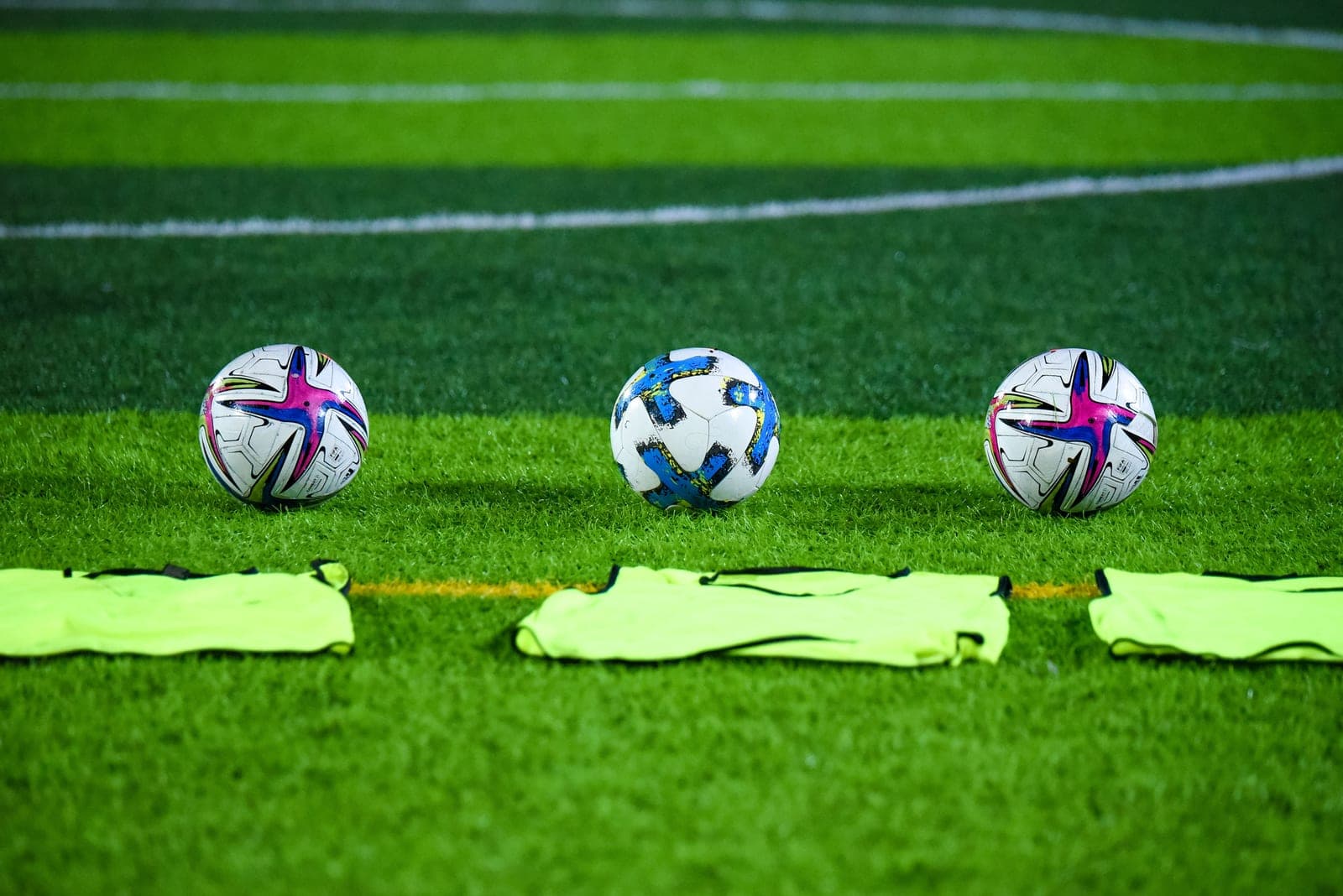
Everything in team kit & bags
7 pages, all of them organized around your kid’s age and level rather than a spec sheet.
Best socks
Best youth soccer socks
Sock picks that actually hold slip-in shin guards, plus whether grip socks are worth the money.
Top pick: adidas Copa Zone Cushion V Over-the-Calf Socks

Best bags
Best soccer bags for kids
Bag picks by age, the one feature worth insisting on, and why adult team bags do not work on kids.
Top pick: Nike Academy Team Soccer Backpack
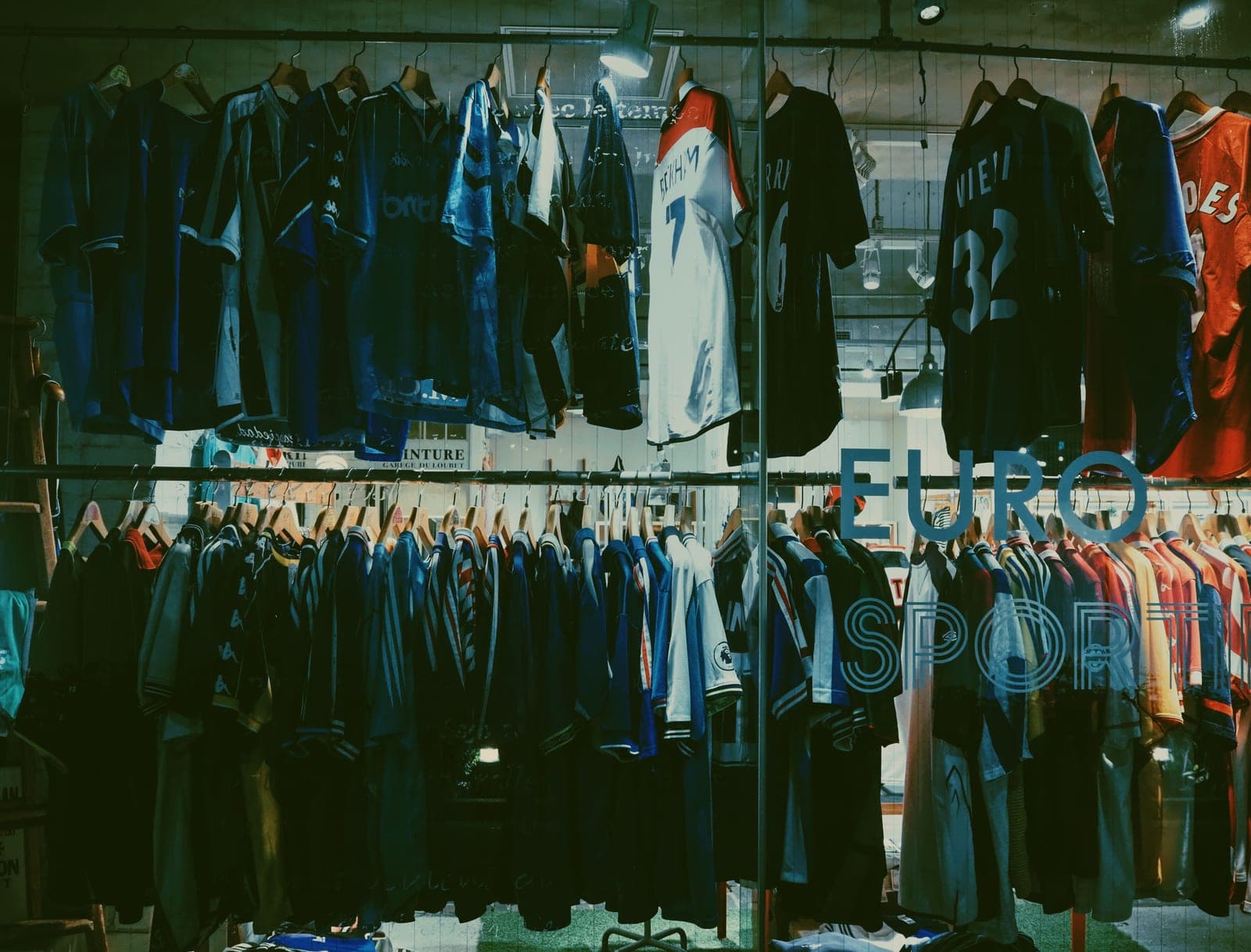
Best practice jerseys
Best youth soccer practice jerseys
Practice jersey picks, the sizing catch that catches everybody, and why two is the right number.
Top pick: adidas Entrada 22 Jersey (Youth)
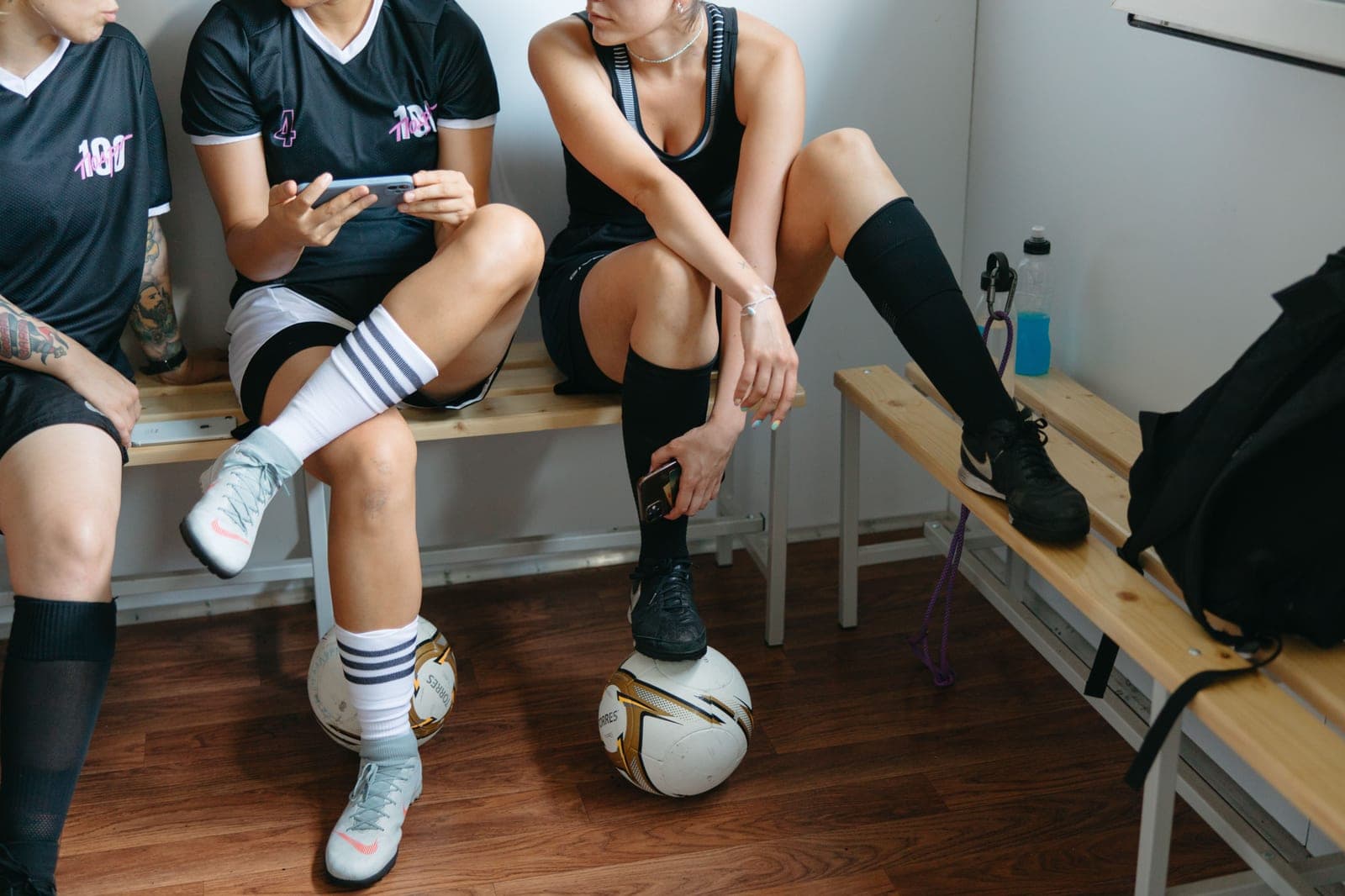
Comparison
Are grip socks worth it for youth soccer?
What grip socks actually do, when the cost pays off, and why they are hard to justify below U12.
Top pick: adidas Copa Zone Cushion V Over-the-Calf Socks
Sizing
Youth soccer jersey sizing
Why jerseys run small, whether to size up, how much they shrink, and what to do mid-growth-spurt.
Best gifts
Best gifts for youth soccer players
Gift ideas sorted by how much you know about the kid — and what to avoid buying without a size.
Top pick: adidas Starlancer Package Soccer Ball

Best gifts under $50
Youth soccer gifts under $50
Budget gift ideas that actually get used, sorted by what you know about the kid. No tat.
Top pick: adidas Starlancer Club
Cleats, ball, shin guards — those get researched. Socks and bags get grabbed off a shelf, and then cause most of the small weekly friction of youth soccer: guards that slide, a bag with wet kit fermenting in it, a jersey that turned out to be two sizes small.
Socks do a real job
A soccer sock is not decoration. In slip-in shin guards it is the only thing holding the guard in place, which makes sock choice a protection decision rather than a comfort one. A stretched-out sock is the most common cause of guards migrating round the leg mid-game.
Buy over-the-calf, with real compression through the calf, and buy three pairs rather than one — soccer socks get soaked, and nothing is more predictable than needing clean ones on a Saturday morning. The adidas Copa Zone is the long-standing default because the cushioning survives repeated washing and the calf grip is genuinely tight. Nike's Classic II is cheaper with a wider color range, which matters when a team has specified a sock color. See the sock picks.
Grip socks — the thin inner socks with rubberized pads — are a separate product and a genuine one. They reduce how much the foot slides inside the cleat, which is a real cause of blisters and of losing a first touch. They are also expensive, worn under the team sock, and largely wasted on a kid who plays once a week. Are grip socks worth it works through when they are.
A bag's one job is separating the cleats
Everything else a soccer bag claims to do is secondary. Wet, muddy cleats in with a change of clothes ruins the clothes and keeps the cleats wet, which is how uppers rot. A bag with a dedicated shoe compartment fixes that, and a bag without one never will.
The second consideration is size, and this is where most bags are bought wrong. An adult team bag on a nine-year-old reaches below their hips and drags — get the junior size. Nike's Academy Team backpack is sized for a child and separates the cleats, which covers the basics. adidas's Tiro bag adds a ball compartment, which is the right choice if carrying the ball is your actual problem. See the bag picks.
Jerseys run small — plan for it
Soccer jerseys are cut athletically, which in youth sizing means slim and short. adidas's youth range in particular runs small, so a kid who is a comfortable medium in everyday clothes is often a large in a jersey. If they are mid-growth-spurt, size up — a jersey that rides up is worn once and then refused.
For practice, a plain jersey like the adidas Entrada 22 is what most rec clubs use, because it takes numbering and printing and costs little enough to own two. Buy two: back-to-back practices and a single jersey do not combine well. See the practice jersey picks and the jersey sizing guide.
Buying for someone else's kid
Soccer gear is a good gift and an easy one to get wrong, mostly because the two obvious choices — cleats and a jersey — are the two things you cannot buy without knowing a size. The things that work are the ones that fit anybody: a ball in the right size for their age, a bag, a rebounder, a pump.
- Best gifts for youth soccer players — by recipient and by what you actually know about them.
- Youth soccer gifts under $50 — the budget tier, without the tat.
The things you will forget
In rough order of how annoying it is to discover you do not have one: a ball pump, a water bottle that survives being dropped, a spare pair of shin guards, and a plastic bag for wet kit. None costs much. All of them are what separates a calm Saturday morning from a frantic one.
Common questions
Are grip socks good for soccer?
They genuinely reduce how much the foot slides inside the cleat, which is a real cause of blisters and of mis-hit first touches. Whether they are worth the money depends on volume: for a player training several times a week from about U12, yes. For a kid playing once a week, an ordinary well-fitting sock in a well-fitting cleat does nearly as much. Longer answer here.
Do youth soccer jerseys run big or small?
Small. Soccer jerseys are cut athletically, and adidas's youth sizing in particular runs slim and short. A kid who wears a medium in everyday clothes is frequently a large in a jersey. If they are between sizes or growing fast, size up. Sizing guidance here.
How many pairs of soccer socks does a kid need?
Three, if there are two sessions a week plus a game. Soccer socks come off soaked and take a day to dry properly, so two pairs means one is always damp. They are cheap enough that three is not an extravagance, and it removes an entire category of Saturday-morning problem.
What should be in a youth soccer bag?
Cleats in a separate compartment, shin guards, a full water bottle, socks, and a plastic bag for whatever comes off wet. Add a ball if the bag holds one and the team expects each player to bring theirs. A spare pair of shin guards living permanently in the bag is the single most useful thing you can add.
Do you need a special bag for soccer?
Not special, but a shoe compartment is worth insisting on — muddy cleats packed in with clothes ruins the clothes and keeps the cleats damp, which rots the upper. Beyond that, any well-sized backpack does the job. Size matters more than branding: an adult team bag on a nine-year-old drags on the ground.
Sources
- TRUsox — 3.0 performance grip socks — TRUsox's own description of the IN//EX grip technology and the range's construction.
- adidas — Entrada 22 jersey — Verified current availability and adidas's published AEROREADY fabric description for the youth Entrada 22.
- adidas — kids' soccer — Verified current availability of the adidas models named here, plus adidas's published material and construction claims.