Heads up: we earn a commission if you buy through our links, at no extra cost to you. It never changes which product we recommend — here’s how that works.
The short answer
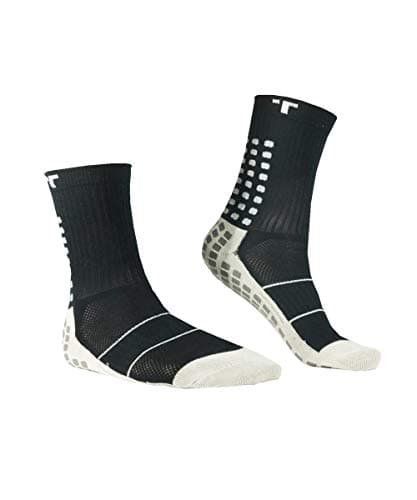
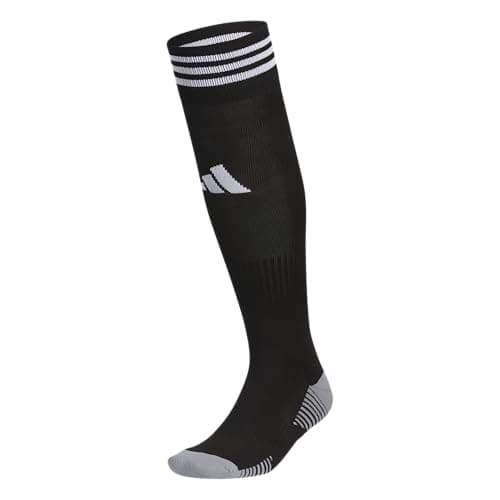
Blisters are caused by chafing, so the fix is less friction and less moisture. Wear a moisture-wicking synthetic sock, never cotton — dermatologists are specific that cotton soaks up sweat and moisture, which leads to friction and chafing. The adidas Copa Zone Cushion V is the default pick. If the foot is sliding inside the cleat, a grip sock such as the TRUsox 3.0 worn under the team sock addresses the cause rather than the symptom.
Almost every parent who searches this has already bought a thicker sock and found it did not work, which is a useful clue. Blisters are not caused by thin socks. They are caused by skin rubbing against something repeatedly while damp, and in soccer that something is usually the inside of a cleat that the foot is moving around in. The sock is the cheapest lever, and it is not always the strongest one.
What actually causes a soccer blister
The American Academy of Dermatology's guidance is short and worth reading literally: blisters can be prevented by preventing chafing. Three things in soccer produce chafing, and they stack.
Movement. A foot that slides inside the cleat rubs the same patch of skin hundreds of times a game. This is the big one, and it is a fit problem rather than a sock problem.
Moisture. Damp skin blisters far more readily than dry skin. The AAD's specific recommendation is nylon or moisture-wicking socks, and specifically to avoid cotton in activewear because it soaks up sweat and moisture.
Heat and a new surface. A brand-new, stiff cleat is a blister machine for the first few sessions regardless of what sock is in it.
Which means the honest ranking of fixes is: get the cleat fitting, get the cotton out, then choose the sock. A roundup that stops at the third item is selling socks rather than solving the problem.
Start here
Pick by your kid’s level
The right answer changes with the level, not just the shoe size. Find your kid’s bracket and start there.
The default for a young player: a cushioned footbed with zoned support, tight enough through the calf to also hold a slip-in shin guard, and the cushioning survives a season of washing. For most kids this plus a correctly fitting cleat is the whole answer.
For an older player whose foot genuinely slides inside the cleat. TRUsox's grip pads work on both the inner and outer surfaces of the sock, which reduces the movement that causes the rubbing in the first place.
Two thin pairs is the AAD's own fallback: if one pair of moisture-wicking socks does not help, try two pairs to protect the skin. It works, and it needs a cleat with room for it.
Cushioned match sock
Grip sock under a team sock
Two thin pairs
Cost
Low
High
Low
What it fixes
Moisture and cushioning
Foot movement inside the cleat
Friction between layers
Extra bulk in the cleat
None
One thin layer
One full layer
Worth it for a rec player
Yes
Rarely
If blisters persist
Worth it for a club player
Yes
Yes, if the foot slides
Usually unnecessary
Scroll the table sideways on a narrow screen.
The two-pair trick is worth taking seriously because it is free if you already own the socks, and because it addresses friction directly — the layers move against each other instead of against skin. The catch is volume: adding a layer to a cleat that already fits snugly makes the fit wrong, which creates a different problem. Only do it if there is genuinely room.
Quick picks
Tap any row to jump to the full write-up. The price in each button is the one Amazon reported on the date stamped under it — tap through for today’s number, which is the only one that can be relied on.
Product photos come from each item’s current Amazon listing.
Get the cotton out first
This is the single cheapest change and the one most often skipped, because a lot of what ends up on a kid's feet at practice is whatever was in the drawer. Cotton socks hold sweat against the skin, and damp skin blisters. Synthetic match socks wick instead, which is most of what a soccer sock is for beyond the shin guard and the team color.
Match socks for matches and training both. The practice sock is where cotton sneaks back in.
Dry socks for the second half of a long tournament day. Two pairs in the bag is the cheapest blister prevention there is.
Wash and line dry grip socks. TRUsox's grip pads stiffen in a tumble dryer, which is a real way to ruin an expensive sock.
Replace a sock whose cuff has gone. A sock that slides down stops holding the shin guard and starts bunching at the ankle, and a bunched sock is a blister.
1. adidas
adidas Copa Zone Cushion Over-the-Calf Socks
The safe default. If your kid wears slip-in shin guards, the grip through the calf is the reason to pick these.
Best for
The default match sock, U8+
Levels
U7–U8 rec · U9–U10 · U11–U12 · U13+ travel & club
Type / surface
Over-the-calf
How it fits
Sock size is keyed to shoe size — check the band on the packaging rather than buying by age.
What we like
The long-running default for a reason: the cushioning holds up through a season of washing
Tight enough through the calf to actually hold a slip-in shin guard in place
Sold in youth sizes, which a lot of adult-focused sock lines are not
Where it falls short
Hotter than a thin sock, which is a real issue in a summer league
The cuff loses elasticity after a season and starts sliding down
Manufacturer’s published specs
Cushioned footbed with zoned support
Over-the-calf length
Youth and adult sizing
These are the manufacturer’s own claims, not measurements we took.
If blisters keep happening in the same place after the sock change, stop buying socks. A heel blister almost always means the heel is lifting, and a toe blister almost always means the cleat is too long or too short. The AAD says the same thing in general terms: shoes should fit properly, neither too tight nor too loose.
The two checks worth running are free. Measure both feet standing, with match socks on — Under Armour's own kids' buying guide puts the target at about half an inch at the toe, and notes that kids' soccer cleats are unisex and sized to normal shoe size. Then check for heel lift by having them walk: if the heel comes up out of the shoe, no sock will fix that.
Heel lift has a specific fix that is not a sock. Heel lock lacing feeds each lace through the top eyelet on the same side and then crosses them through the opposite loop, which pulls the heel into the back of the shoe and, in Nike's own words, minimizes movement and prevents blisters. How to lace soccer cleats walks through it, along with the wide-foot and high-arch patterns for pressure points elsewhere.
If a blister has already happened
The AAD's advice is to leave it alone: most blisters heal on their own in one to two weeks, and popping or draining one risks infection. Cover it loosely with a bandage, bringing the sides in so the middle sits slightly raised, and for a blister on a pressure area such as the sole, cut padding into a donut shape with a hole in the middle, place it around the blister, and bandage over the top. Adhesive moleskin works for problem areas before a blister forms. And stop the activity if there is pain or redness rather than playing through it.
This page is gear guidance, not medical advice. Watch for redness, pus, or increasing pain and swelling around a blister, which the AAD lists as signs of infection worth seeing a doctor about.
Moisture-wicking synthetic socks rather than cotton. Dermatologists specifically recommend nylon or moisture-wicking socks for the feet and advise avoiding cotton in activewear, because cotton soaks up sweat and moisture which leads to friction and chafing. A cushioned over-the-calf match sock such as the adidas Copa Zone Cushion V is the sensible default.
Do grip socks prevent blisters?+
They help when the cause is the foot sliding inside the cleat, which is the most common cause in soccer. TRUsox's grip pads work on both the inner and outer surfaces of the sock, reducing the movement that produces the rubbing. They are expensive and worn under the team sock, so they are hard to justify for a once-a-week rec player.
Should you wear two pairs of socks to prevent blisters?+
It is the American Academy of Dermatology's own fallback: if one pair of moisture-wicking socks does not help, try two pairs to protect the skin. It works because the layers rub against each other rather than against skin. The catch is volume — only do it if the cleat has genuine room, or you will trade a blister for a fit problem.
Why does my kid get blisters playing soccer?+
Three causes that stack: the foot moving inside the cleat, damp skin from a cotton sock, and a new stiff cleat worn straight into a game. Fix them in that order. A heel blister almost always means the heel is lifting, which is a fit and lacing problem rather than a sock problem.
How do I stop heel blisters in soccer cleats?+
Stop the heel lifting. Check the fit first — measure both feet standing with match socks on and leave about half an inch at the toe — then use heel lock lacing, which feeds each lace through the top eyelet on the same side and crosses them through the opposite loop. Nike's own guide describes it as creating a firm grip around the heel that minimizes movement and prevents blisters.
Should you pop a soccer blister?+
The AAD advises against it, because draining a blister risks infection, and says most blisters heal on their own in one to two weeks. Cover it loosely, use donut-shaped padding around it on pressure areas, and stop the activity until it has healed. Watch for redness, pus or increasing pain, which are signs to see a doctor.
Sources
American Academy of Dermatology — how to prevent and treat blisters — Board-certified dermatologists' published guidance, and the source for the blister-prevention facts on this site: blisters are caused by chafing and are prevented by preventing chafing; to prevent blisters on the feet, wear nylon or moisture-wicking socks, and if one pair does not help, try two pairs; shoes should fit properly and be neither too tight nor too loose; avoid cotton in activewear because cotton soaks up sweat and moisture, which leads to friction and chafing; adhesive moleskin or soft bandages help at problem areas; stop the activity if there is pain, discomfort or redness; most blisters heal on their own in one to two weeks; and a blister should be left unpopped and loosely covered rather than drained.
Under Armour — how to buy soccer cleats for kids — A manufacturer's own buying guide, and the source for the statement that kids' soccer cleats are unisex and sized to normal shoe size, plus its guidance on leaving about half an inch at the toe and fitting with match socks on.
Nike — kids' soccer cleats and shoes — Verified that each Nike model named on this page is currently sold, and the source for Nike's own published upper, plate and surface descriptions.
adidas — kids' soccer — Verified current availability of the adidas models named here, plus adidas's published material and construction claims.