Gear guides
Goalkeeper gear for young players
Most kids in goal are there on rotation. That changes what you should buy.
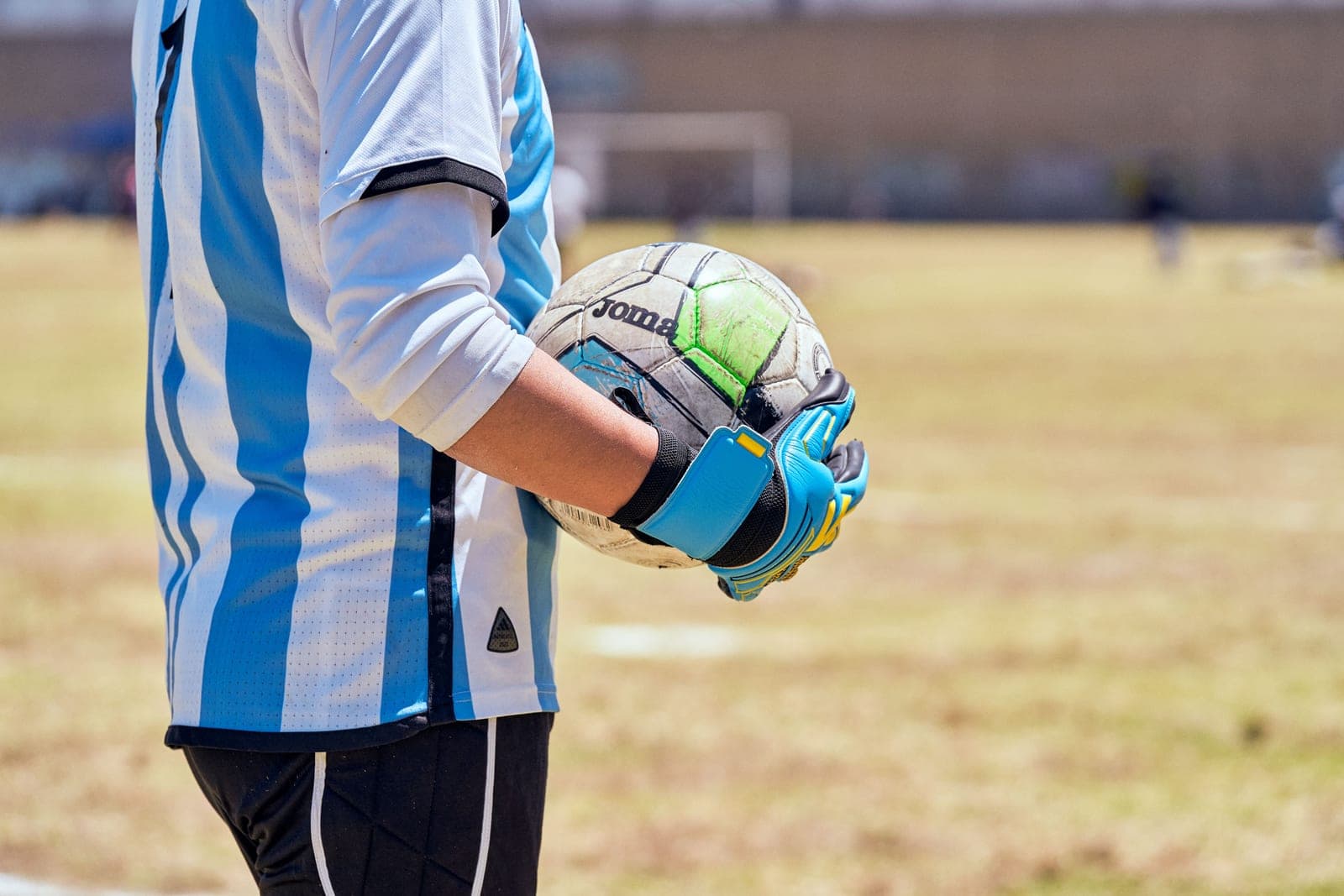
Everything in goalkeeper gear
6 pages, all of them organized around your kid’s age and level rather than a spec sheet.
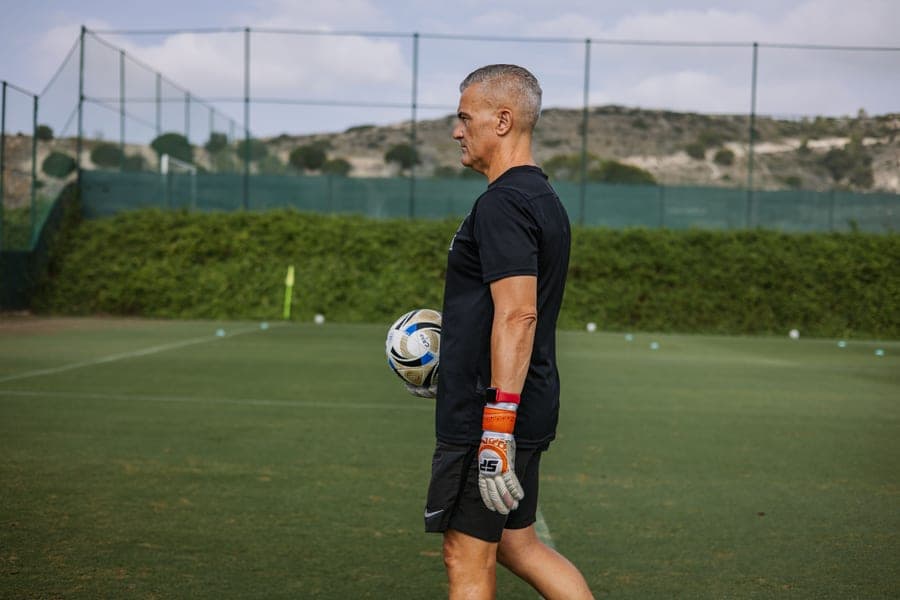
Best with finger protection
Best youth goalie gloves with finger protection
Finger-protection picks for a regular keeper, what the spines do, and how to size gloves properly.
Top pick: Reusch Attrakt Grip Evolution Finger Support Junior
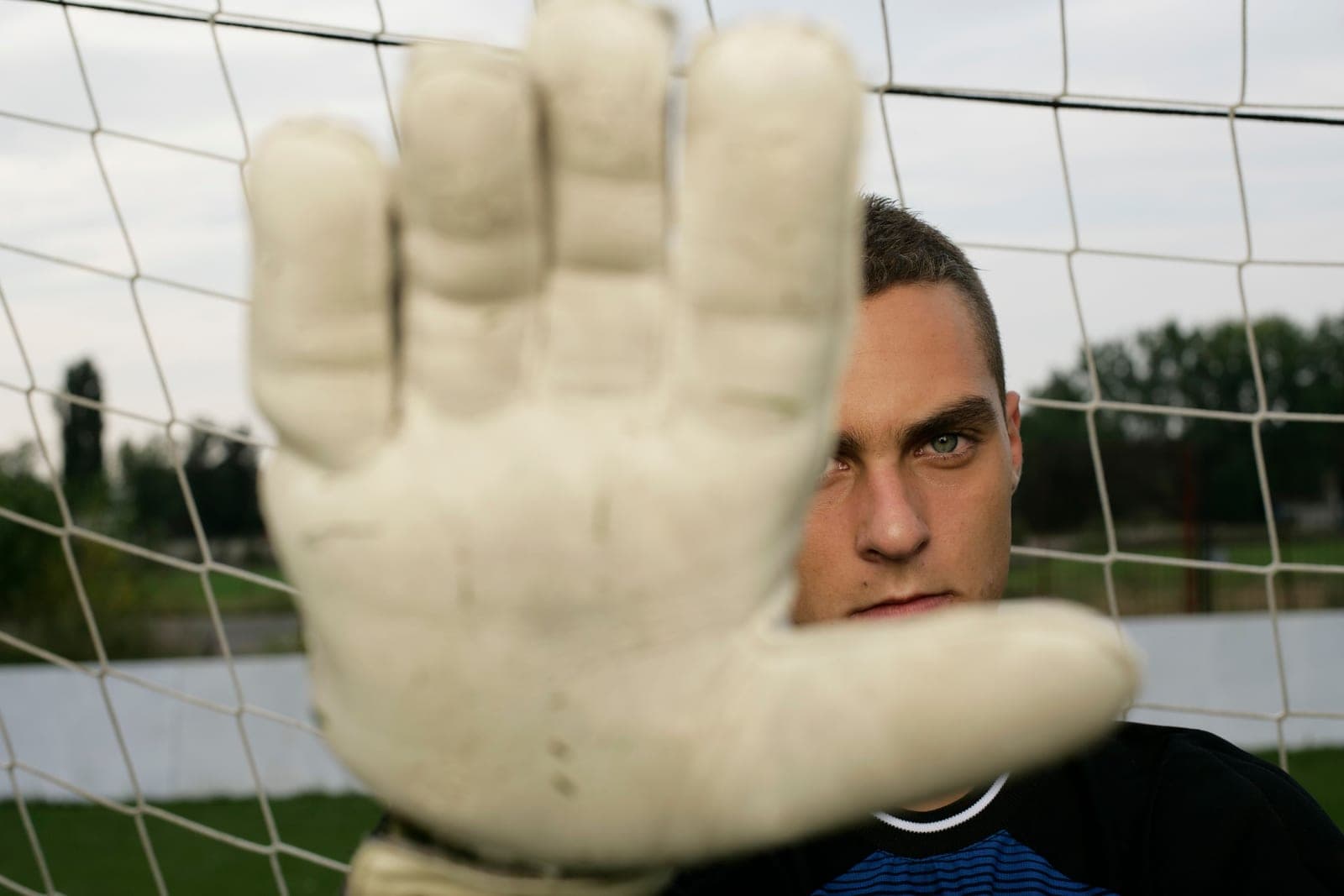
Best budget gloves
Best budget youth goalie gloves
Cheap glove picks for a rotating rec keeper, and exactly what the budget tier gives up.
Top pick: Nike Jr. Match Goalkeeper Gloves
Comparison
Goalie gloves with or without finger protection
The injury finger spines prevent, the feel they cost, and a decision table for which kids need them.
Top pick: Reusch Attrakt Grip Evolution Finger Support Junior
Sizing
Youth goalie glove size chart
Glove sizes by age and palm measurement, plus the fist test that tells you whether the fit works.
Guide
How to wash goalie gloves
The washing and drying routine that extends latex grip, and the one mistake that cracks a palm.
Guide
Why do soccer goalies wear gloves?
The three reasons keepers wear gloves, what a young keeper needs, and what the position actually asks.
The first question in youth goalkeeping is not which gloves. It is whether your kid is a goalkeeper or a kid who takes a turn in goal, because the honest answer changes the purchase by a factor of three or four in price.
| If your kid… | Buy | Because |
|---|---|---|
| Rotates into goal for a quarter | A basic junior glove | They need grip and a bit of padding, not a specialist product. Spending more buys features they will not use. See the budget glove picks. |
| Plays in goal every week | A youth-specific glove with finger support | Fit and finger protection genuinely matter once they are taking shots for a whole game. See the finger protection picks. |
Why fit matters more than any feature
Most junior keeper gloves are adult gloves scaled down, and they fit badly as a result — the finger stalls end up the wrong length relative to the palm, so the glove bunches and the kid cannot make a fist. Reusch's Attrakt range is built on a genuine youth last, and that single fact does more for a young keeper than any grip compound.
To size a glove, measure across the palm at the widest point in inches and add about one. A keeper glove should have roughly a fingertip's gap beyond the end of the longest finger — snug, not tight. Too tight and they cannot close the hand, which is the one thing a keeper has to be able to do. The glove size chart by age has the conversions.
Finger protection: what it is and who needs it
Finger protection — adidas calls it Fingersave, Reusch calls it Finger Support — means plastic or composite spines running up the back of the fingers, limiting how far they can bend backwards. The injury it addresses is real and specific: a hyperextended or jammed finger from taking a shot on the fingertips, which is the most common goalkeeping injury at youth level.
The trade-off is also real. Spines stiffen the glove, and some keepers say it changes the feel of a catch. Our reading is straightforward: if your kid plays in goal properly, or has already jammed a finger, the protection is worth the stiffness. If they rotate in for fifteen minutes, it is not.
Latex wears out, and that is not a fault
The grip on a keeper glove comes from soft latex on the palm, and soft latex is a consumable. It will show visible wear within a season, faster on artificial turf and concrete than on grass, and nothing prevents that — a glove that gripped well and then wore out worked as designed.
You can slow it down. Keep the gloves damp during play rather than bone dry, since latex grips better and abrades less with a little moisture. Do not dry them on a radiator, which hardens and cracks the palm. Rinse them after a game on turf so the rubber pellets are not left grinding into the latex. How to wash goalie gloves has the routine.
One practical consequence: do not use match gloves for training. A cheap second pair for practice will add most of a season to the life of the good ones, and at youth prices two cheap pairs often costs less than one good pair replaced early.
What else does a young keeper need?
Less than the catalogs suggest. Padded goalkeeper pants and long-sleeve padded jerseys are genuinely useful from about U12 on hard ground, where diving repeatedly on a dry pitch is what stops kids wanting to dive. Below that, ordinary long training pants do the same job. Everything else — specialist keeper socks, undershirts, arm sleeves — is optional, and at youth level mostly cosmetic.
And if your kid has just been volunteered for goal and has never played there before, why goalies wear gloves is the short version of what the position actually asks of them.
Common questions
What size goalie gloves for a 10 year old?
Usually a size 5 or 6, but measure rather than assume — hand size varies a lot at that age. Measure across the palm at its widest point in inches and add roughly one to get the glove size. There should be about a fingertip's gap beyond the longest finger. The size chart is here.
What size goalie gloves for a 12 year old?
Commonly a size 6 or 7, again depending on the hand rather than the birthday. Use the palm measurement plus one inch. At this age a lot of kids are between a junior and an adult small, and the youth-specific ranges — Reusch's in particular — fit noticeably better than an adult small does.
How do you measure youth soccer goalie gloves?
Measure the width across the palm at the widest point, just below the knuckles, in inches. Add about one inch: that number is the glove size. Check the fit by having them make a fist — if they cannot close the hand comfortably, the glove is too small or too stiff, whatever the chart said.
Can you wash soccer goalie gloves?
Yes, and you should. Rinse the palms in lukewarm water after play, work out any grit with your fingers, and press the water out rather than wringing. Air dry them palm-up away from direct heat — never on a radiator or in a tumble dryer, both of which harden the latex and crack it. Full routine here.
Why do soccer goalies wear gloves?
Three reasons. Grip, mainly — the latex palm holds a wet ball far better than skin, which is the difference between a catch and a fumble. Protection second, against a hard shot on the fingers and against the ground when diving. And padding across the palm takes some of the sting out of a shot, which matters for a young keeper's confidence. More here.
Sources
- Reusch — Attrakt goalkeeper gloves — Reusch's own description of the Finger Support system, AirVent ventilation and its youth sizing range.
- Dick's Sporting Goods — youth goalkeeper gloves — Verified current availability of the youth goalkeeper gloves named here and the manufacturers' published finger-protection descriptions.
- adidas — kids' soccer — Verified current availability of the adidas models named here, plus adidas's published material and construction claims.