Heads up: we earn a commission if you buy through our links, at no extra cost to you. It never changes which product we recommend — here’s how that works.
The short answer
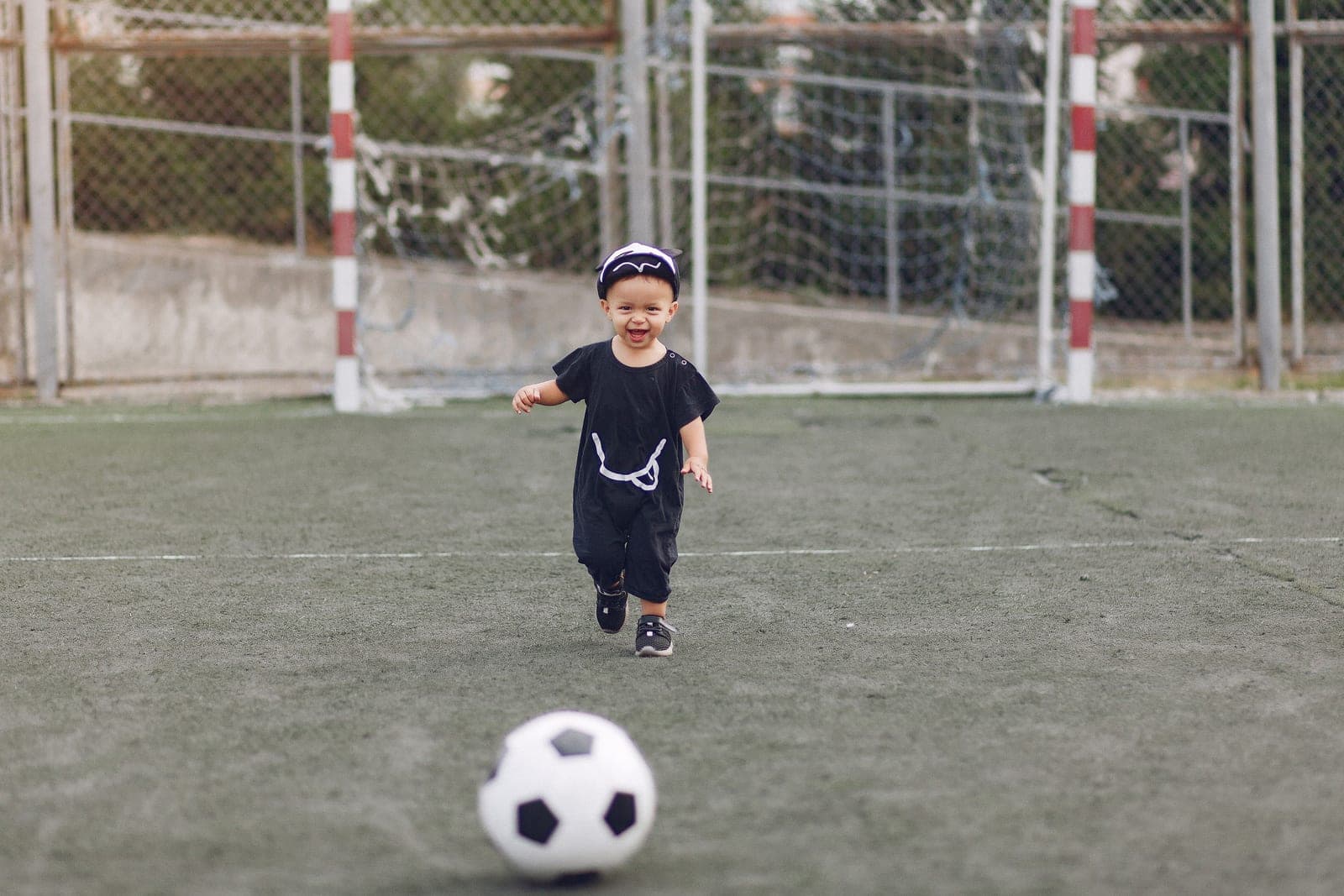
Most 4 year olds do not need soccer cleats. U6 soccer is 4v4 with no keeper on a pitch of about 25–35 yards, on short grass — turf shoes or sneakers grip fine. If your league requires cleats, buy inexpensive ones in the measured size with a thumb's width at the toe, and expect to replace them within a season.
A four-year-old's soccer season is typically six to ten Saturday mornings. The purchase decision should be sized to that reality rather than to the idea of a soccer career, and the single most common regret at this age is a good pair of cleats outgrown before the last game.
US Youth Soccer's standards for this bracket are 4v4 with no goalkeeper, a size 3 ball, no offside, and a pitch of roughly 25 to 35 yards by 15 to 25. That is a small space with very little sustained running, which is why footwear requirements are so light.
Start here
Pick by your kid’s level
The right answer changes with the level, not just the shoe size. Find your kid’s bracket and start there.
The honest first-season pick: enough cleat to play in, cheap enough that a growth spurt in week four is not a disaster. Toddler through big-kid sizing.
Better for most U6 programs than a firm-ground cleat. Turf outsole suits short mown grass, and no laces means no parent walking onto the field mid-game.
If the league specifically requires studs, this is the cheapest sensible firm-ground option from a major brand, and it runs wider than the Nike equivalents.
Tap any row to jump to the full write-up. We do not show prices because we do not hold live pricing — the button opens the current Amazon listing so you see today’s number rather than last month’s.
#
Product
Best for
Surface
Fit notes
Price
1
Vizari Stealth Firm GroundThe honest choice for a first-season player: enough cleat to play in, not enough money to regret if they switch to basketball.
U6, U7–U8 rec
FG
True to standard US kids' sizing and reasonably generous in width.
adidas Goletto VIII Firm GroundThe sensible answer when the honest requirement is a cleat that survives one rec season and costs as little as possible.
U6, U7–U8 rec, U9–U10
FG
Runs slightly generous in width and true in length.
Vizari Palomar Firm GroundA reasonable first cleat for a three-to-five-year-old, on the understanding that most U6 leagues do not require cleats at all.
Product photos are licensed representative stock images, not photographs of the exact model.
Cleats, turf shoes, or sneakers?
Worth being concrete about, because this is the actual decision and it usually gets skipped.
Option
Grip on short grass
Wearable off the field
Cost
Firm-ground cleats
More than needed
No
Highest
Turf shoes
Good
Yes
Middle
Sneakers
Adequate
Yes
Already owned
Scroll the table sideways on a narrow screen.
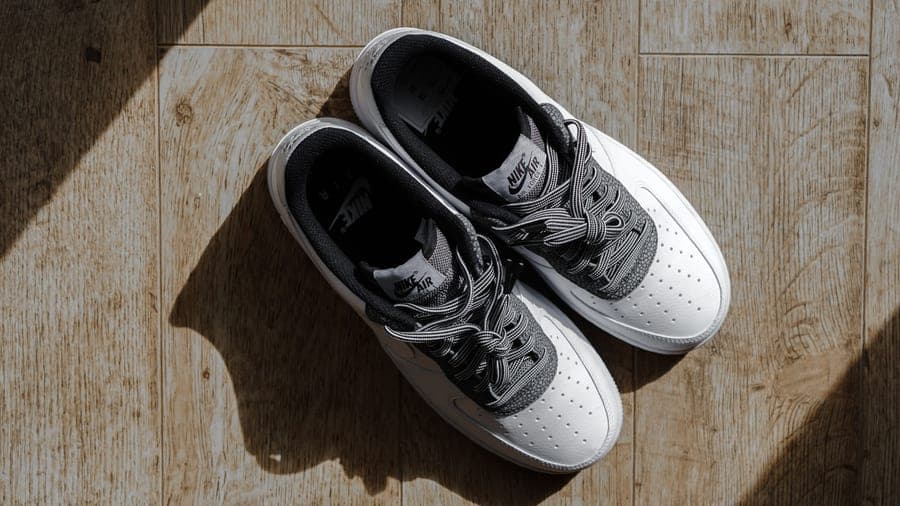
For a four-year-old on a mown field, turf shoes are the sweet spot — they grip well, they are comfortable, and crucially they get worn to school and to the park, which spreads the cost across far more hours than a pair of cleats ever will.
The laces problem arrives at this age
A four-year-old cannot tie laces. That means either you are on the field twice a game, or you plan around it.
Laceless models are the simplest fix, with one caveat: no laces means no adjustment, so they fit a generous average width and a narrow foot will slide inside them. For a slim foot, a hook-and-loop strap is the better answer, because the strap gives you the adjustment back. See the laceless picks for both.
If you have laced cleats already, the free fix works: tie them properly, double-knot, then tuck the loops under the laces across the top of the foot. That holds for a full game.
For 4 year old boys and 4 year old girls
No difference worth acting on. Every model on this page is sold unisex in these sizes, and there is no divergence in foot shape at four that affects which last fits. Colorways vary; the shoe does not. Fit and fastening are the whole decision.
Sizing: the one rule that saves money
Buy to fit now, with a thumb's width at the toe. Do not buy a size up.
It feels like the frugal move and it is the opposite. A cleat's stud plate has to sit under the right part of the foot; in an oversized cleat the foot slides forward, the heel lifts, and you get blisters and a kid who does not want to wear them. At four, it is also a trip risk.
Measure rather than converting from their sneaker size — cleat lasts are a different shape. Stand them on paper, mark heel to longest toe, measure. The size chart has the conversions and how cleats should fit covers checking it on a child who will tell you everything is fine.
What else a 4 year old actually needs
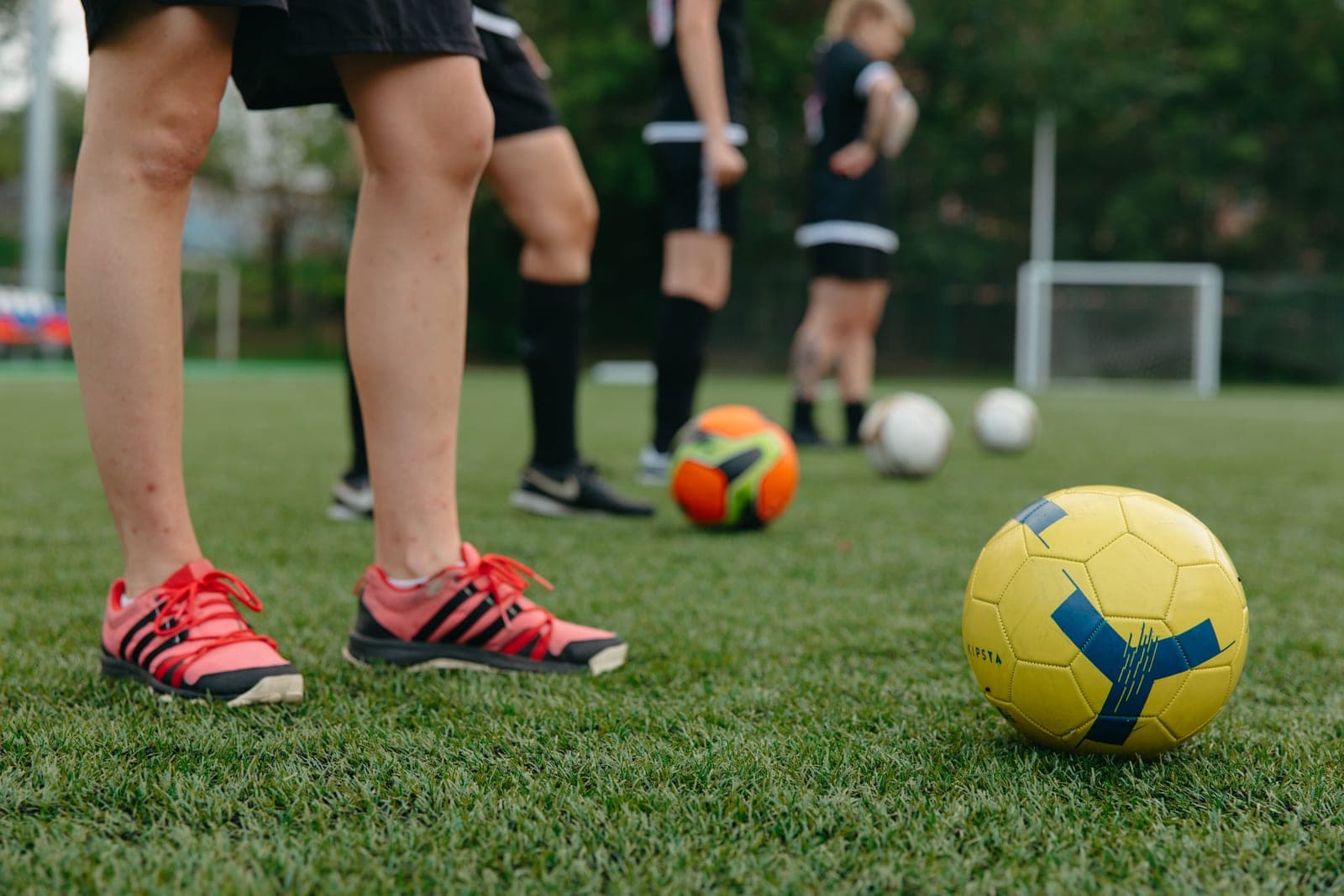
A size 3 ball and shin guards, and that is genuinely the list. The ball matters most, because almost all the soccer a four-year-old plays happens in a yard rather than at a session. Shin guards are required by nearly every program and do a real job at an age where kids kick each other's ankles constantly.
The complete list is on the U6 first kicks page, including what to skip — which is most of what a sporting-goods store will suggest.
1. Vizari
Vizari Stealth Firm Ground
The honest choice for a first-season player: enough cleat to play in, not enough money to regret if they switch to basketball.
Best for
A first pair for a U6–U8 who may not stick with the sport
Levels
U6 — first kicks · U7–U8 rec
Type / surface
FG
How it fits
True to standard US kids' sizing and reasonably generous in width. Check the toddler sizes especially — they run closer to sneaker sizing than cleat sizing.
What we like
One of the few brands that makes a genuine toddler-through-big-kid run in one model
Priced below the major brands' entry cleats, which is the right call for a first season
Simple hook-free construction with nothing fiddly for small hands
Where it falls short
Materials are visibly cheaper than a Goletto or Ultra Play and will not survive a second season of heavy use
Limited colorways compared with the big brands, which matters more to an eight-year-old than to you
Manufacturer’s published specs
Lightweight synthetic upper with a molded rubber firm-ground sole (Vizari)
Padded collar and supportive footbed
Sold in toddler, little kid and big kid sizing
These are the manufacturer’s own claims, not measurements we took.
Often not. U6 programs play 4v4 on short grass with very little sustained running, and many leagues do not require cleats at all. Check your league's rules first. If cleats are not required, turf shoes are the better buy — they grip fine and get worn off the field too.
What size soccer cleats for a 4 year old?+
Measure the foot rather than converting from their sneaker size, since cleat lasts are shaped differently. Mark heel to longest toe on paper, measure, and pick the size that leaves about a thumb's width of room. Do not size up to make them last — an oversized cleat is a trip hazard at four.
Do kids need soccer cleats for U6?+
Usually no. The combination of short grass, a small pitch and minimal running means the problem cleats solve is not really present at U6. Some leagues require them regardless, which settles it — but if yours does not, the money is better spent on a size 3 ball.
Are laceless cleats good for 4 year olds?+
Yes, with one caveat. They remove the single most common mid-game problem at this age, and nothing can come undone. But laceless means no adjustment at all, so they fit a generous average width and a narrow foot will slide inside them. For a slim foot, pick a hook-and-loop model instead.
How long will soccer cleats last a 4 year old?+
Usually one season, and often less — driven by growth rather than wear. That is the main argument for buying at the cheap end at this age: the cleats will be outgrown long before they are worn out, so paying for durability buys nothing.
Nike — kids' soccer cleats and shoes — Verified that each Nike model named on this page is currently sold, and the source for Nike's own published upper, plate and surface descriptions.
adidas — kids' soccer — Verified current availability of the adidas models named here, plus adidas's published material and construction claims.
Vizari Sports — youth cleats and indoor shoes — Verified the Vizari models named here are currently sold, including the toddler size range and the indoor line, plus Vizari's published material claims.