Shin Guards
Slip-in vs ankle shin guards
One protects more. The other gets worn. The age your kid is decides which matters.
By Ryder M. · Published September 27, 2026
Heads up: we earn a commission if you buy through our links, at no extra cost to you. It never changes which product we recommend — here’s how that works.
The short answer
| Ankle (strapped) | Sleeve | Slip-in | |
|---|---|---|---|
| Protection | Most | Middle | Least |
| Stays put | Yes | Yes | Depends entirely on the sock |
| Weight and bulk | Most | Middle | Least |
| Best age | U6–U10 | U9 upward | U11 upward |
| Ankle coverage | Yes | No | No |
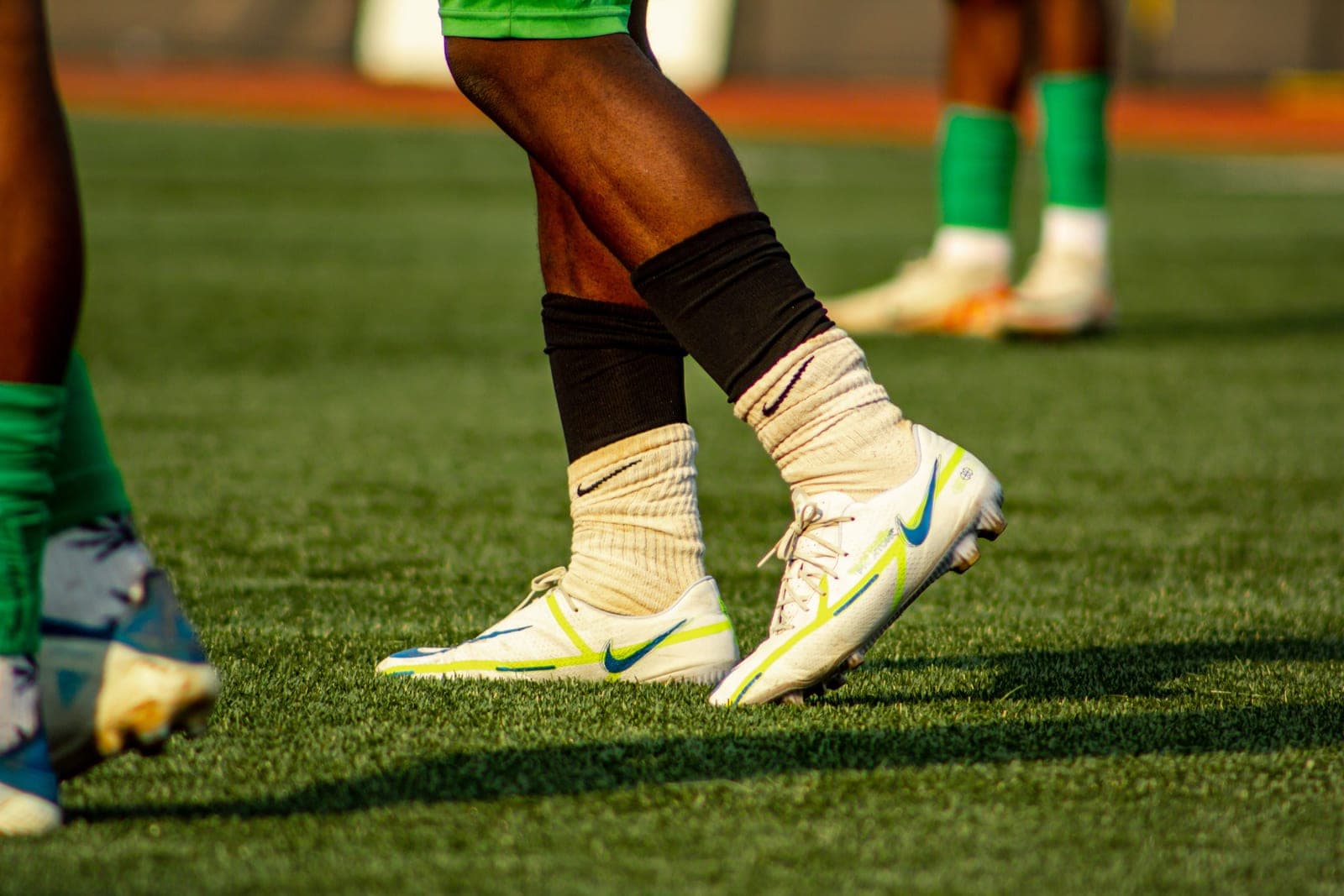
The honest version of this comparison is short: a strapped guard with ankle protection protects more, and a slip-in gets worn more. Which of those facts matters depends almost entirely on how old your kid is.
Choose ankle protection if…
- Your kid is U6 to U10. At these ages the contact arrives at ankle height, because everybody is chasing the same ball into the same small space.
- They play in defense and take a lot of contact.
- They have already taken a bad knock and are nervous. Confidence is worth more than grams.
- They are too young to manage keeping a sock pulled up — which is most kids under nine.
See the ankle guard picks.
Choose slip-in if…
- Your kid is U11 or older and objects to bulk. Take the objection seriously — a guard they take off protects nothing.
- They play a position where weight genuinely matters and they are fast enough to notice.
- It is a hot-weather season and the alternative is them abandoning guards altogether.
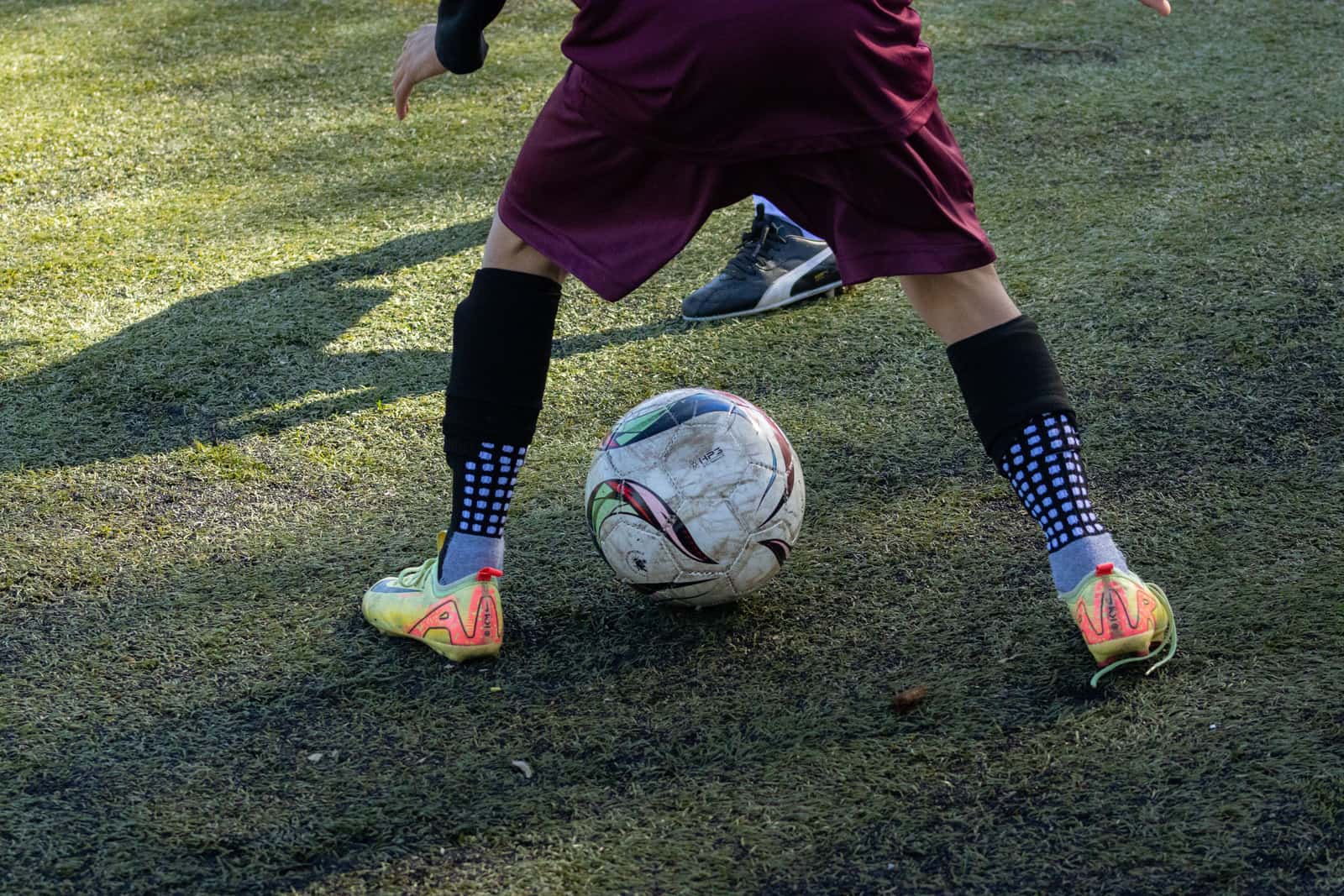
- They wear a properly tight over-the-calf sock, which is the retention system.
See the slip-in picks.
Or choose a sleeve, which splits the difference
The compression sleeve guard is the most under-recommended option in this category, and for a U10 to U12 it is frequently the right one.
It holds the guard in an integrated pocket, so it cannot migrate round the leg — solving the slip-in's one real failure mode — while staying far lower profile than a strapped guard with an ankle cuff. What you give up is ankle coverage and one extra step when getting changed, since the sleeve goes on before the sock.
If your kid wants slip-ins and keeps losing them round the back of their calf, this is the answer rather than more tape.
One pick from each style
adidas
adidas Tiro Match Shin Guards Kids
The best first pair of shin guards for a young rec player, precisely because it protects the ankle too.
adidas
adidas Tiro League Shin Guards
The best compromise between the security of a strap and the low profile of a slip-in.

Nike
Nike Mercurial Lite Shin Guards
The right guard for an older player who will refuse anything bulkier — but not the right choice for a young beginner.
Photos are licensed representative stock images, not the exact models.
Why the slip-in protects less, specifically
Three reasons, and it is worth being concrete rather than vague:
- Less area. Slip-ins are smaller, covering the front of the shin and less of the sides.
- No ankle coverage at all. The ankle bone is exposed, and at young ages that is where much of the contact lands.
- It can move. Even with a good sock, a slip-in shifts more under contact than a strapped guard, and a guard that has rotated is not covering what it was covering.
None of this makes slip-ins a bad product. It makes them a product for a player old enough that comfort and compliance are the binding constraint.
What about the flexible-pad guards?
Sleeve-style guards with a flexible impact pad instead of a rigid shell — the G-Form Pro-S Vento being the example here — sit slightly outside this comparison. The pad moves with the leg, which is why players who reject hard shells will wear them, and they are the coolest option in hot weather.
The trade is that a flexible pad spreads an impact rather than blocking it, so it is less protective against a direct stud than a rigid shell. For an older player who would otherwise wear the thinnest possible slip-in, that is a good trade. For a beginner, it is not.
The age the answer flips
Usually U10 or U11, and the signal is behavioral rather than chronological: they start complaining about the ankle cuff, or you find the guards in the bag after a session.
When that happens, the productive move is to switch style rather than to insist. An enforced guard that comes off in the second half is worse than a lighter guard worn for ninety minutes. Move to a sleeve first, since it keeps most of the security, and to a true slip-in only if they still object.
One thing that is true of all three
They all go under the sock, and they all depend on the sock to some degree. An over-the-calf sock with real compression through the calf helps every style and is essential for a slip-in. A stretched-out sock is the commonest cause of guard problems across the board — see the sock picks and how to stop shin guards slipping.
Common questions
Are shin guards with ankle protection better?
They protect more, which is not the same as being better for every player. For U6 to U10 they are the right choice, because contact at those ages arrives at ankle height and the extra bulk costs a young player nothing. From about U11 most kids find the cuff restrictive, and a guard they keep on protects more in practice.
Are slip in shin guards better than strapped?
Lighter and more comfortable, not more protective. Slip-ins cover less area, offer no ankle protection and can rotate under contact. They are the right answer from about U11, when comfort becomes the thing that determines whether the guard is worn at all.
What are sleeve shin guards?
A compression sleeve with the guard held in an integrated pocket. They solve the slip-in's one real failure mode — migrating round the leg — while staying much lower profile than a strapped guard. The trade is no ankle coverage and one extra step when getting changed, since the sleeve goes on before the sock.
At what age should kids switch shin guard style?
Usually around U10 or U11, and the signal is behavioral: they complain about the ankle cuff, or you find the guards in the bag after a session. When that happens, switch style rather than insisting — move to a sleeve first, since it keeps most of the security.
Do flexible shin guards protect as well as hard ones?
Against a direct stud, no — a flexible pad spreads the impact rather than blocking it, where a rigid shell resists it. For an older player who would otherwise wear the thinnest possible slip-in, that is still a good trade. For a beginner who needs maximum protection, a rigid shell is the right choice.
Sources
- Nike — kids' soccer cleats and shoes — Verified that each Nike model named on this page is currently sold, and the source for Nike's own published upper, plate and surface descriptions.
- adidas — kids' soccer — Verified current availability of the adidas models named here, plus adidas's published material and construction claims.
- Vizari Sports — youth cleats and indoor shoes — Verified the Vizari models named here are currently sold, including the toddler size range and the indoor line, plus Vizari's published material claims.
Read next
- Best slip-in shin guards for kidsSlip-in and sleeve picks for U10 upward, what they give up in protection, and the sock that stops them sliding.
- Best kids' shin guards with ankle protectionStrapped guards with ankle protection for U6 to U11, and why that is the right style for young players.
- Youth shin guard size chartThe height-based size chart, how high guards should go, and the crouch test that confirms the fit.
- How to stop shin guards from slippingThe three real causes of slipping guards and the fixes in order — starting with the one nobody checks.
- U9–U10: size 4, seven-a-side, and a goalkeeperAges 8 to 10. The ball goes up to size 4, the format goes to 7v7, and someone has to play in goal.
- Best youth soccer socksSock picks that actually hold slip-in shin guards, plus whether grip socks are worth the money.