Cleats
How to clean soccer cleats
Five minutes after each muddy game adds most of a season. Skipping it is why uppers split.
By Ryder M. · Published September 27, 2026
The short answer
- Knock the loose mud off outside, sole against sole, before it dries.
- Brush the studs and the upper with a dry stiff brush to get the bulk off.
- Wipe the upper with a damp cloth and a little dish soap. Do not submerge the cleats.
- Pull the laces and sockliner out and let everything dry separately.
- Stuff with newspaper and air dry at room temperature — never on a radiator, never in a tumble dryer.
This is the highest-return five minutes in youth soccer. Caked mud left to dry in the upper pulls the material out of shape, holds moisture against the stitching, and turns a pair that would have lasted two seasons into one that splits in one.
It is also the easiest thing in the world to skip, since the game ends and everybody wants to go home. The trick is doing the first step in the parking lot, which takes thirty seconds and does most of the work.
The routine in detail
Step 1 — knock the mud off while it is wet
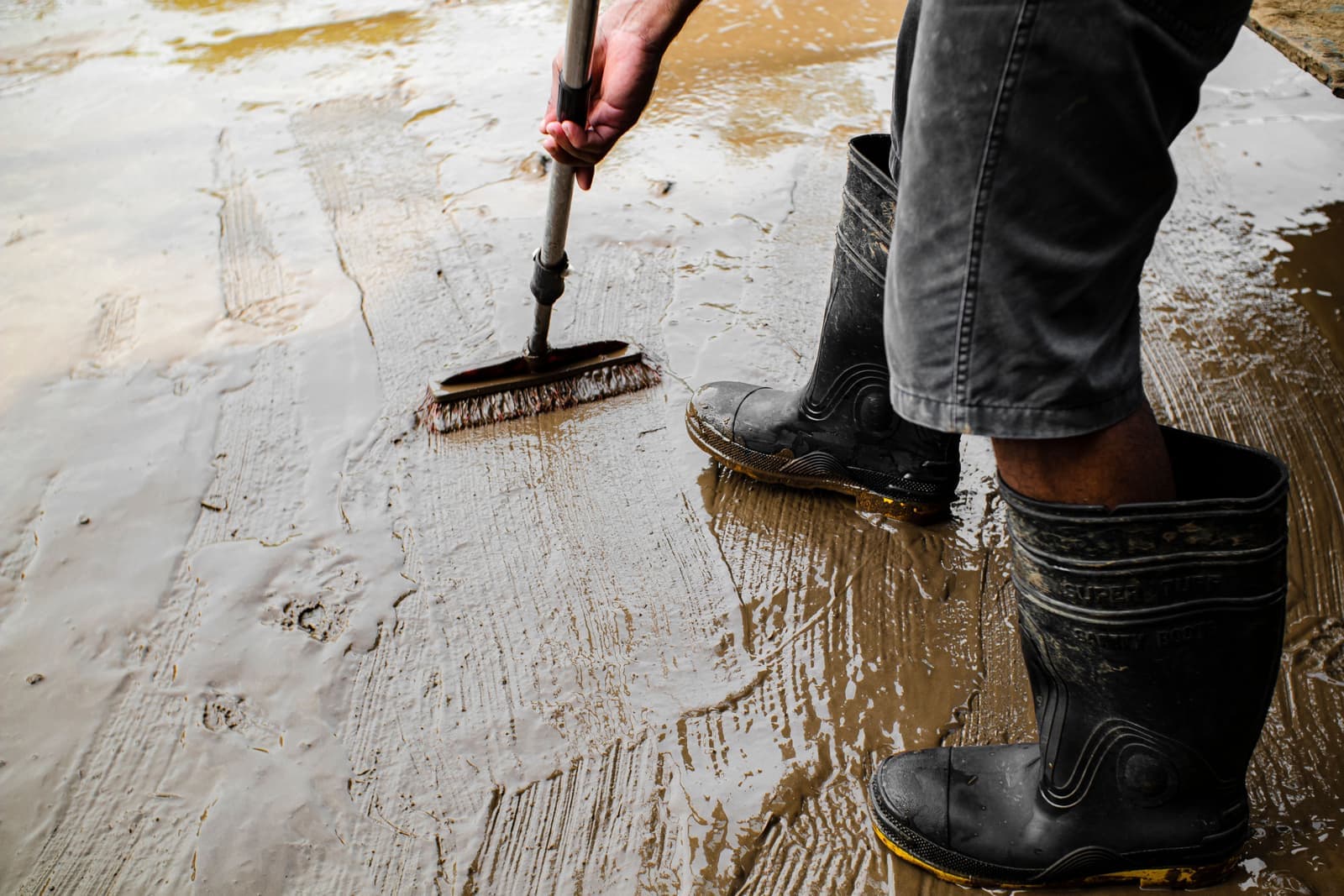
Hold the cleats sole to sole and clap them together a few times, outside. Wet mud comes off in lumps; dried mud does not come off at all without work. This is the single most useful thing on the page and it happens at the field, not at home.
Step 2 — dry brush
An old washing-up brush or a shoe brush. Get between the studs, along the seam where the upper meets the soleplate, and across the upper. Dry brushing first means you are not turning the remaining mud into a paste you then have to wipe off.
If the upper is textured — the adidas Predator line especially — spend longer here. Textured strike zones trap mud in a way smooth synthetics do not.
Step 3 — damp wipe, not a wash
A cloth, warm water, a drop of dish soap. Wipe the upper down and rinse the cloth as it gets dirty.
Do not submerge the cleats and do not put them in a washing machine. Both soak the glue line between the upper and the soleplate, which is where cleats fail. A damp cloth gets them clean; a soaking gets them clean and shortens their life.
Step 4 — take the insides out
Pull the laces out and the sockliner if it lifts. Two reasons: the cleat dries far faster with air getting inside it, and the sockliner is where the smell actually lives. Rinse the sockliner separately and let it dry flat.
Laces can go in the washing machine in a mesh bag, or be rinsed by hand. Either is fine.
Step 5 — dry at room temperature
Stuff each cleat with crumpled newspaper or paper towel, which draws moisture out from inside and holds the shape while it dries. Change the paper once if it gets sodden. Leave them somewhere with moving air at room temperature.
The two drying mistakes
The second mistake is more common and less obvious: putting damp cleats straight back into a closed bag. That is how a pair stays wet from one session to the next, and permanent damp is what rots stitching and grows the smell. If nothing else, take them out of the bag when you get home.
Turf pellets are a different problem
If your kid trains on artificial turf, the cleats will come home full of black rubber crumb rather than mud. Two things to know.
First, get it out rather than leaving it. Rubber crumb is abrasive, and left in the shoe it grinds against the upper and the sockliner. Shake the cleats out thoroughly, then brush between the studs.
Second, it gets everywhere else too. A bag with a separate shoe compartment is the practical fix — it keeps the crumb out of the clothes rather than distributing it through the house. See the bag picks.
The smell
Soccer cleat smell is a damp problem rather than a dirt problem, so it responds to drying rather than to washing. In rough order of effectiveness:
- Get them properly dry after every session. This fixes most cases on its own.
- Take the sockliner out and dry it separately. This is where the smell concentrates.
- A second pair, alternated. At three or more sessions a week, one pair never dries out — this is the real fix and it is why a turf pair is a good purchase. See the turf picks.
- Baking soda overnight, then shaken out. Cheap, mildly effective, worth trying before anything scented.
What does not work: spraying deodorizer into a wet cleat. It masks the smell for an hour and leaves the damp behind.
Hook-and-loop straps need picking out
If your kid has hook-and-loop fastening — common on younger sizes — the strap fills with grass, mud and turf crumb and stops gripping over a season. Pick the debris out with a stiff brush or an old toothbrush every few weeks. A strap that will not hold is the same problem as an untied lace. See the laceless and strap picks.
Cleats that are easiest to keep clean
adidas
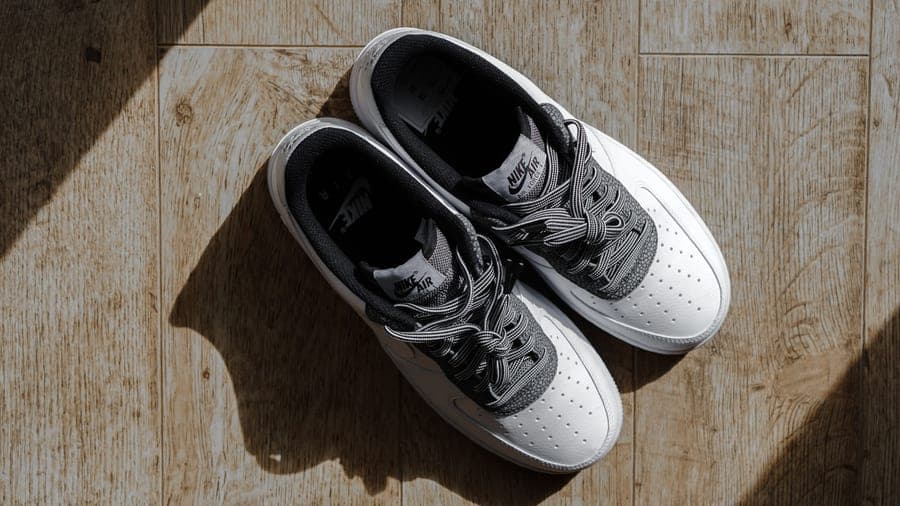
adidas Goletto VIII Firm Ground
The sensible answer when the honest requirement is a cleat that survives one rec season and costs as little as possible.
Nike
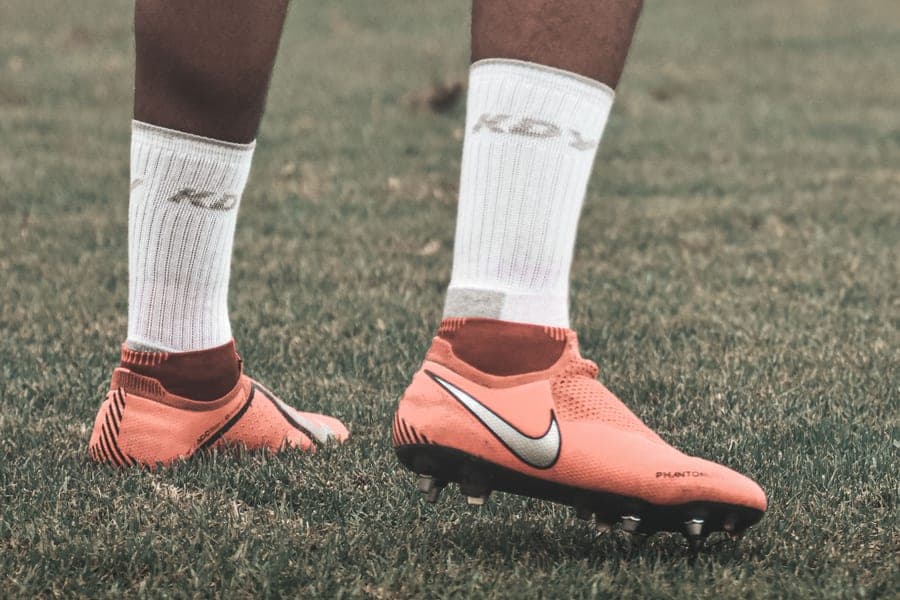
Nike Jr. Mercurial Vapor 16 Club MG
The safest default cleat for a rec player between U7 and U12, as long as the foot is average width or narrower.
Nike
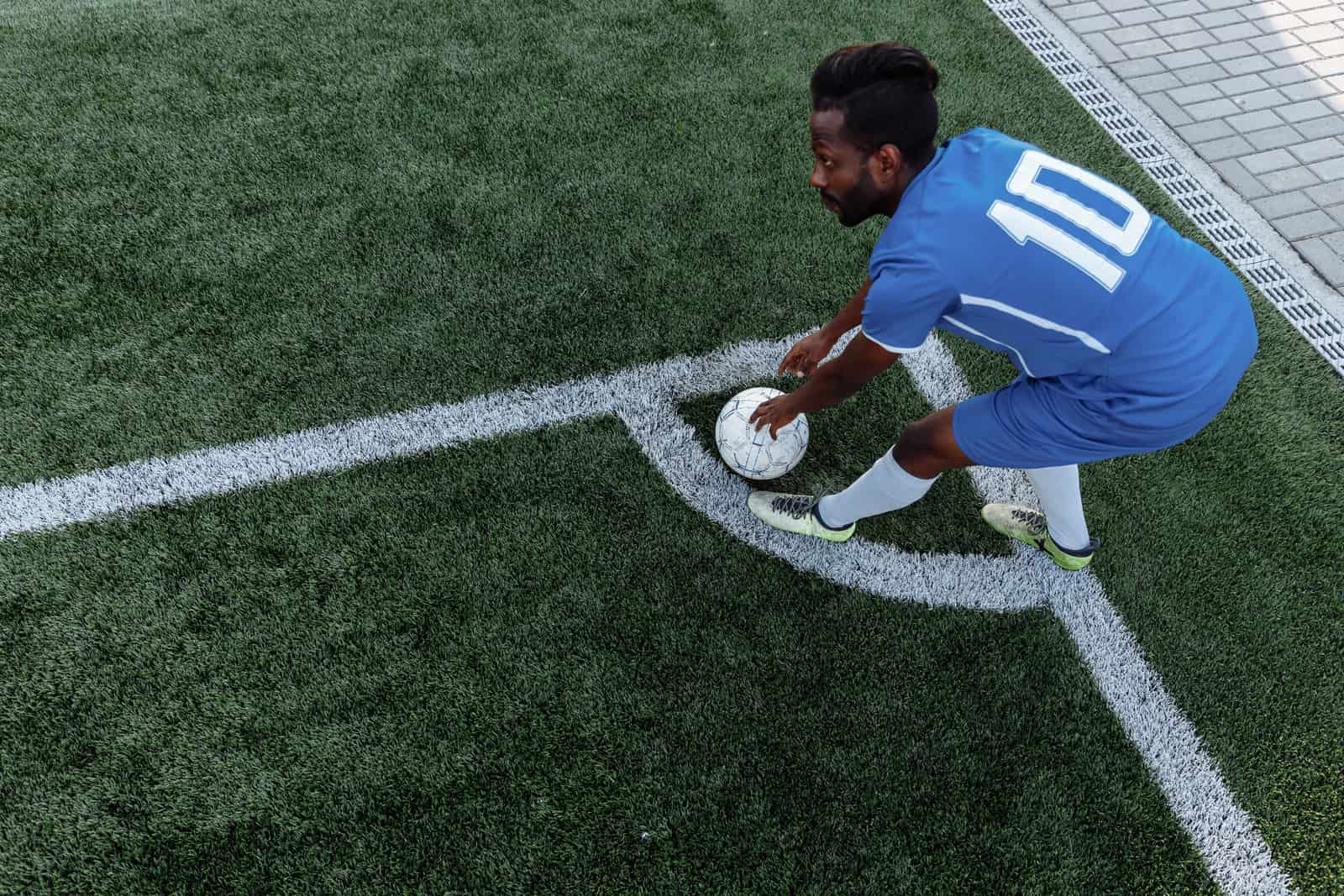
Nike Jr. Mercurial Vapor 16 Club Turf
The right second pair once a kid is training on artificial turf every week, and a bad only-pair if games are on grass.
Photos are licensed representative stock images, not the exact models.
How often
The mud knock-off after every muddy game, which is thirty seconds. The full routine after every game or two, or any time they come home properly filthy. Turf sessions need the shake-out every time but rarely the full wipe.
Cleats that get this treatment usually end their life because the kid outgrew them, which is the right way for a pair to end. Cleats that do not usually end it with a split at the flex point — see when to replace kids' soccer cleats.
Common questions
How do you clean soccer cleats at home?
Knock the loose mud off outside while it is still wet, dry brush the studs and upper, wipe the upper with a damp cloth and a drop of dish soap, pull out the laces and sockliner, then stuff with newspaper and air dry at room temperature. The whole thing takes about five minutes.
Can you put soccer cleats in the washing machine?
No. A machine soaks the glue line between the upper and the soleplate, which is where cleats fail, and the tumbling can deform internal stiffeners. Laces can go in a machine in a mesh bag; the cleats themselves want a damp cloth.
How do you clean soccer cleats from turf?
Shake them out thoroughly to get the rubber crumb out, then brush between the studs. Turf crumb is abrasive and grinds against the upper and sockliner if left in, so getting it out matters more than it looks. A bag with a separate shoe compartment stops it spreading through everything else.
How do you get the smell out of soccer cleats?
Dry them properly — cleat smell is a damp problem, not a dirt problem. Take the sockliner out and dry it separately, since that is where the smell concentrates. If your kid plays three or more sessions a week, a second pair alternated is the real fix, because one pair never dries out.
Can you dry soccer cleats in the dryer?
No, and this is the mistake that genuinely wrecks cleats. Direct heat hardens and cracks synthetic uppers, shrinks leather trim, and can weaken the adhesive holding the upper to the soleplate. Stuff them with newspaper and dry at room temperature instead.
Sources
- Nike — kids' soccer cleats and shoes — Verified that each Nike model named on this page is currently sold, and the source for Nike's own published upper, plate and surface descriptions.
- adidas — kids' soccer — Verified current availability of the adidas models named here, plus adidas's published material and construction claims.
Read next
- When to replace kids' soccer cleatsThe four signs a pair is finished, how often replacement actually happens, and what to check every two months.
- How to break in soccer cleatsFive steps to break cleats in without blisters, and why the water trick is a bad idea on modern uppers.
- Best youth turf soccer shoesTurf shoe picks by age and width, and why the turf outsole does more for comfort than any upper.
- Best soccer bags for kidsBag picks by age, the one feature worth insisting on, and why adult team bags do not work on kids.
- Best laceless soccer cleats for kidsNo-laces options for kids who cannot tie them yet, plus the width catch and the free fix for laced cleats.
- Best budget youth soccer cleatsCheap cleats that are actually worth buying, and exactly what each step up in price buys you.