Shin Guards
How to wash shin guards
The method depends on the style, and one manufacturer puts the warning in writing.
By Ryder M. · Published October 6, 2026
The short answer
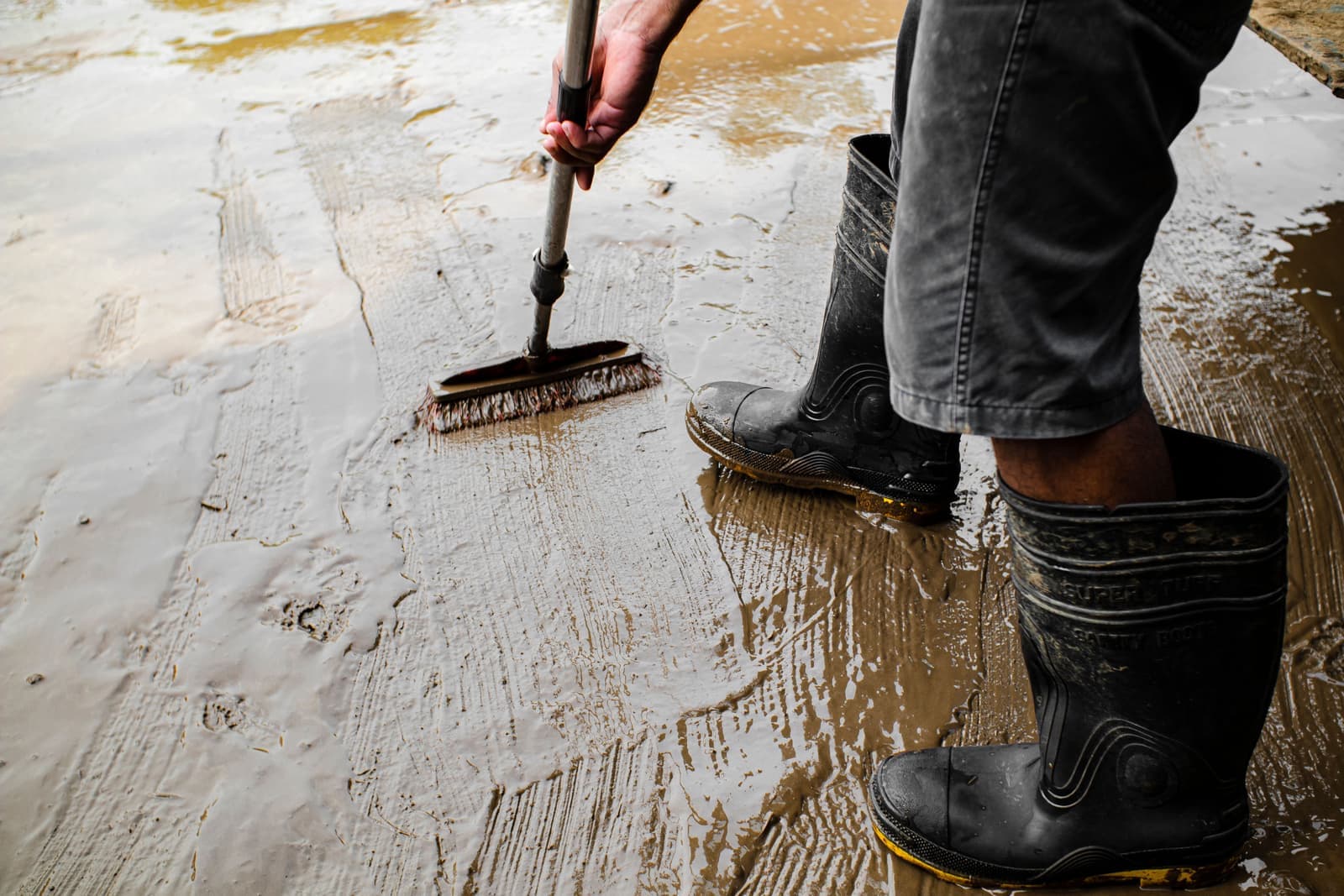
For a hard-shell guard: a soft brush and a damp cloth, no solvents, no machine, no heat. Reusch says it in writing — remove dirt with a soft brush, wipe with a damp cloth, do not use solvents or other cleaners, and do not expose the guard to excessive heat or strong sunlight, "otherwise the performance of the shinguard reduce[s] significantly." Sleeve-style guards with fabric can go in a cold wash; air dry everything.
The smell that prompted this search is almost never coming from the plastic. It is coming from the foam backing, the sock, or the gear bag — which is why the fix is a routine rather than a deep clean.
Hard-shell guards: the manufacturer method
Reusch's care instructions for its own shinguard are the clearest published statement of this and they are worth following to the letter:
- Remove dirt with a soft brush. Dry, before anything wet touches it. Most of what is on a guard after a game is dried mud and it brushes straight off.
- Wipe with a damp cloth. Water, and a drop of mild dish soap if it needs it.
- No solvents or other cleaners — Reusch states these may cause damage. That rules out bleach, degreaser, alcohol wipes and anything "for sports gear" in a spray can.
- No excessive heat or strong sunlight. This is the one that actually destroys guards, and it is also the one everybody breaks.
- Store dry and ventilated. Not in a sealed gear bag, which is where the smell comes from.
Sleeve and fabric guards: cold wash
A sleeve-style guard — a compression sleeve with a flexible pad built in — is mostly fabric, and the general advice for these is a hand wash or a cold gentle machine cycle with mild detergent, rinsed thoroughly and hung to dry without wringing.
The rules that still apply: no bleach, no fabric softener, and no dryer. Softener coats the fibers and makes it harder for detergent to reach the odor-causing bacteria next time, which is why Nike's own jersey guidance tells you to skip it — the same logic applies here.
| Guard style | Method | Drying | Never |
|---|---|---|---|
| Hard shell, strapped | Soft brush, then damp cloth | Air, room temperature | Machine, dryer, solvents, sun |
| Hard shell with ankle sleeve | Brush the shell; cold hand wash the sleeve | Air, flat | Dryer, bleach |
| Sleeve with built-in pad | Cold gentle wash or hand wash, mild detergent | Air, hung, not wrung | Dryer, softener, bleach |
| Slip-in guard | Soft brush, then damp cloth | Air | Dryer, solvents |
| Socks that go over them | Normal wash, inside out | Air if printed | Softener |
Guards and socks, by how they are cleaned
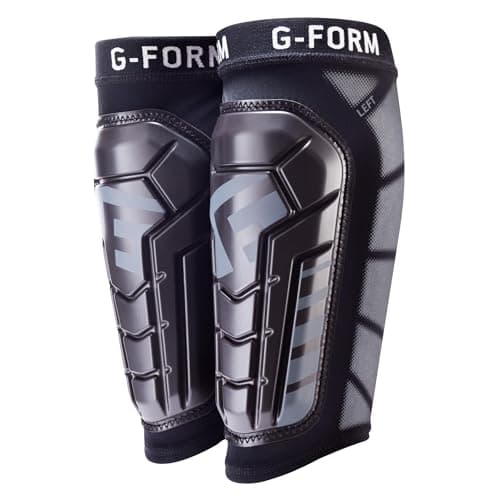
G-Form
G-Form Pro-S Vento Shin Guards
Worth it for an older player who would otherwise wear the thinnest possible slip-in; not the safest choice for a beginner.
$28.99View on Amazon#ad — we may earn a commission · price as of October 16, 2026
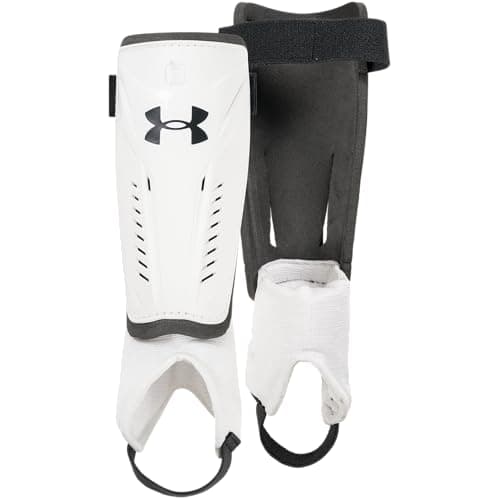
Under Armour
Under Armour Challenge Youth Shin Guards
The right guard when protection is the priority — a young defender, a nervous beginner, or a kid who has already taken a bad knock.
$16.97View on Amazon#ad — we may earn a commission · price as of October 16, 2026
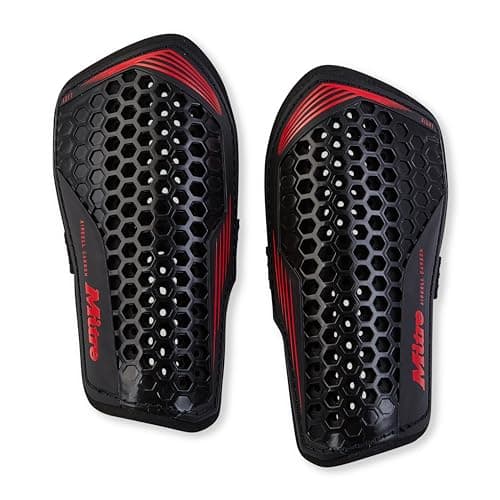
Mitre
Mitre Aircell Carbon Shin Guards
A sensible middle option if you want strap security without the bulk of an ankle-disc guard.
$17.00View on Amazon#ad — we may earn a commission · price as of October 16, 2026
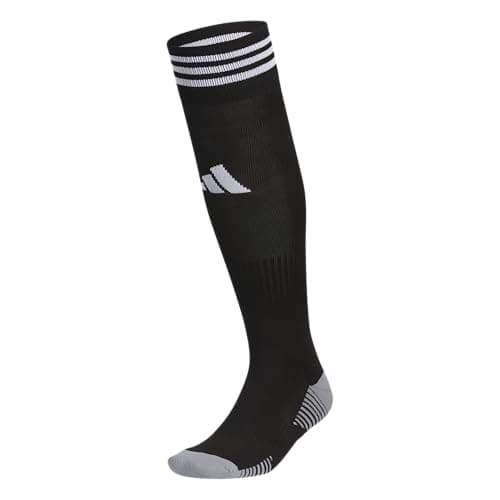
adidas
adidas Copa Zone Cushion Over-the-Calf Socks
The safe default. If your kid wears slip-in shin guards, the grip through the calf is the reason to pick these.
$10.00$16.00−38%View on Amazon#ad — we may earn a commission · price as of October 16, 2026
Product photos come from each item’s current Amazon listing.
Where the smell actually comes from
Worth diagnosing before you scrub, because three of the four sources are not the guard.
- The foam backing. Molded EVA foam on the inside of the shell absorbs sweat and holds it. Wipe it, let it dry fully, and it stops. This is the only guard-side source.
- The socks. Far more often the culprit. Over-the-calf match socks are thick, worn against the guard, and frequently washed with softener which stops the detergent working.
- The gear bag. A damp guard sealed in a bag for six days is a culture. Reusch's "dry and ventilated" storage instruction is doing more work than any cleaning method.
- The cleats. Usually the real answer when a bag smells. How to clean soccer cleats deals with those.
The routine that solves all four: take the guards and cleats out of the bag after every session, not after every week. That one habit does more than anything you can buy.
How often
Brush and wipe the shell after any muddy session, which takes under a minute. A proper wash of a fabric sleeve once a week during the season is plenty. There is no benefit to cleaning a hard shell more often than it is dirty — and some risk, because every cleaning is another chance to use the wrong product on it.
Between sessions, air them. Out of the bag, somewhere with moving air, pad side up. The guards that stay usable longest are the ones that get dry rather than the ones that get scrubbed.
When to replace rather than clean
Three signs, and the first is the one to act on:
- The shell no longer sits flat against the shin. That is warping, usually from heat, and it is not recoverable. Replace.
- The foam is compressed flat or crumbling. The foam is what spreads an impact; a shell on bare skin transmits it.
- Cracks anywhere in the shell. A cracked guard concentrates force at the crack instead of spreading it, and the edges are a hazard to the other player.
Guards are also the cheapest thing in the bag, so the replace threshold should be low — and because they are sized by height, re-ordering is one measurement. The size chart has the bands, and growth is usually the real reason to replace anyway.
Common questions
Can you put shin guards in the washing machine?
Not hard-shell ones. Reusch's own care instructions for its shinguards specify a soft brush and a damp cloth, no solvents or other cleaners, and no exposure to excessive heat — a machine cycle plus a dryer is both agitation and heat. Sleeve-style guards that are mostly fabric can go in a cold gentle cycle with mild detergent.
How do you clean smelly shin guards?
Brush off the dried dirt, wipe the shell and the foam backing with a damp cloth and a drop of mild soap, then let them dry fully in moving air before they go back in the bag. Most of the smell is actually the socks, the gear bag or the cleats rather than the guards, so check those at the same time.
Can you put shin guards in the dryer?
No. Heat is the one thing that genuinely ruins a shin guard: a molded shell softens, warps slightly and does not come back, and a warped guard no longer sits flat against the shin. Reusch states plainly that excessive heat or strong sunlight significantly reduces the guard's performance. Air dry at room temperature.
What should you not use to clean shin guards?
Solvents and household cleaners — Reusch's instructions say these may cause damage to the shinguard. That rules out bleach, degreasers, alcohol wipes and aerosol sports-gear sprays. On fabric sleeve guards also skip fabric softener, which coats the fibers and makes it harder for detergent to reach odor-causing bacteria.
How often should you wash shin guards?
Brush and wipe the shell after any muddy session, which takes under a minute, and give a fabric sleeve guard a proper cold wash about once a week in season. A hard shell does not benefit from being cleaned more often than it is dirty, and every extra cleaning is another chance to use the wrong product on it.
When should you replace shin guards instead of cleaning them?
When the shell no longer sits flat against the shin, which means it has warped and is not recoverable; when the foam backing is compressed flat or crumbling, because the foam is what spreads the impact; or when there is any crack in the shell, which concentrates force and leaves a hazardous edge for other players.
Sources
- Reusch — Shinguard Attrakt Supreme (care instructions) — A manufacturer's own care instructions for a hard-shell shinguard, quoted on this site: remove dirt with a soft brush and wipe with a damp cloth; do not use solvents or other cleaners as they may cause damage; do not expose the product to excessive heat or strong sunlight; store in a dry and ventilated area, otherwise the performance of the shinguard reduces significantly.
- Reusch — Attrakt goalkeeper gloves — Reusch's own description of the Finger Support system, AirVent ventilation and its youth sizing range.
- IFAB Laws of the Game — Law 4, The Players' Equipment — The Law text quoted on this site: undershorts and tights must be the same color as the main color of the shorts or the lowest part of the shorts, and players of the same team must wear the same color; shinguards must be of suitable material and appropriate size, covered by the socks, with the player responsible for their suitability; non-dangerous protective equipment of soft, lightweight padded material is permitted; and a player must not use equipment or wear anything that is dangerous, which must be removed rather than taped or covered. Law 4.3 is also the source for the kit-color rules quoted here: the two teams must wear colors that distinguish them from each other and the match officials, and each goalkeeper must wear colors that are distinguishable from the other players and the match officials. Law 4.4 names gloves, headgear, facemasks and knee and arm protectors of soft, lightweight padded material as permitted non-dangerous protective equipment, and separately permits goalkeepers caps and tracksuit bottoms.
- adidas — Entrada 22 jersey — Verified current availability and adidas's published AEROREADY fabric description for the youth Entrada 22.
- TRUsox — 3.0 performance grip socks — TRUsox's own description of the IN//EX grip technology and the range's construction.
Read next
- Youth shin guard size chartThe height-based size chart, how high guards should go, and the crouch test that confirms the fit.
- How to stop shin guards from slippingThe three real causes of slipping guards and the fixes in order — starting with the one nobody checks.
- Do shin guards go under socks?The Law 4 requirement, why it exists, and how to get a sock over a guard on a thin leg without it sliding.
- How to clean soccer cleatsThe five-minute post-game routine, how to deal with turf pellets, and the two drying mistakes that wreck a pair.
- How to wash goalie glovesThe washing and drying routine that extends latex grip, and the one mistake that cracks a palm.
- How to wash a soccer jerseyThe manufacturer method for a polyester jersey, why fabric softener makes the smell worse rather than better, and what to do about printed numbers.