Team Kit
How to wash a soccer jersey
Four rules, all from the manufacturers, and the dryer is the one that ends jerseys.
By Ryder M. · Published October 6, 2026
The short answer
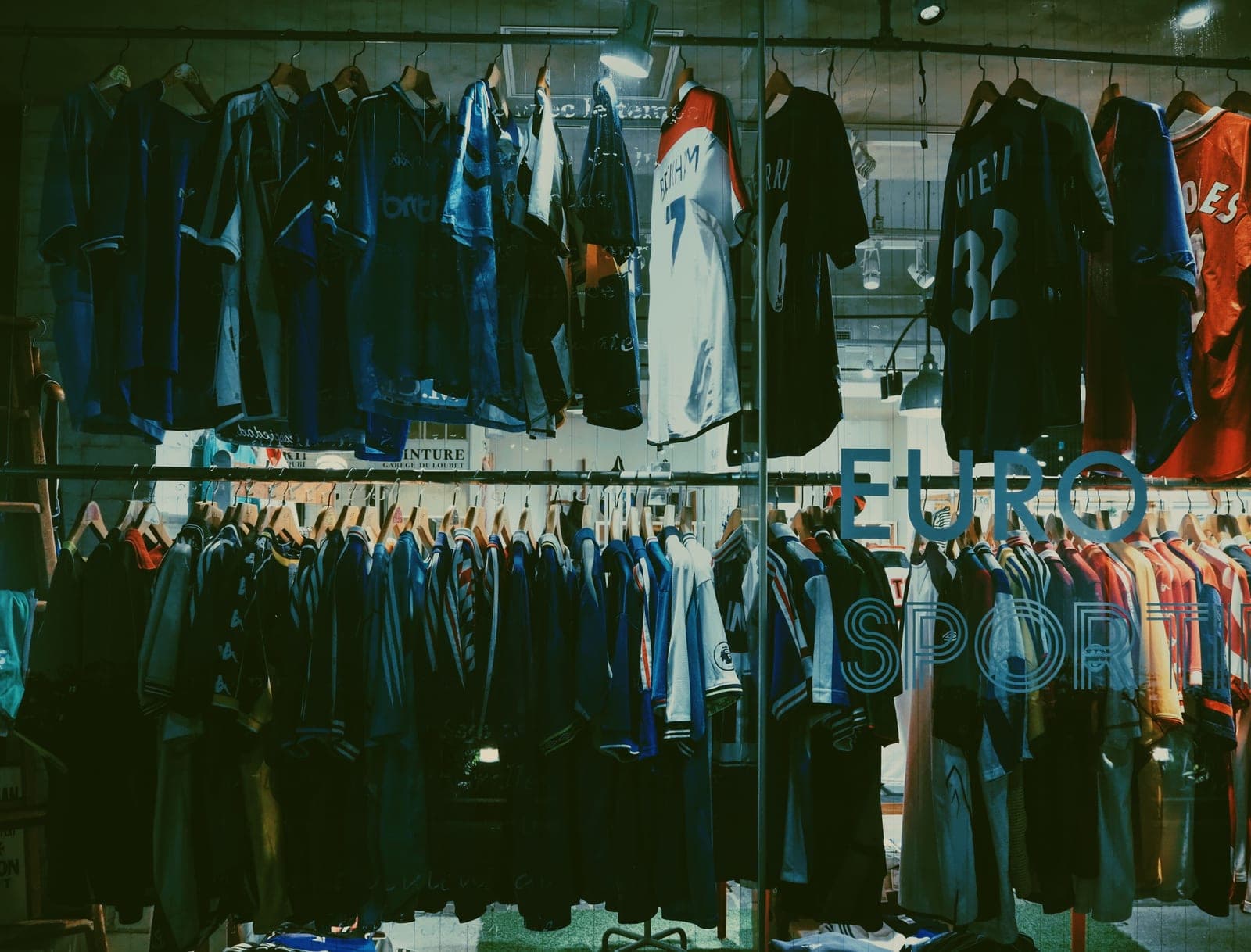
Cold water, gentle cycle, inside out, no fabric softener, and never the dryer. That is Nike's own guidance for a jersey, and adidas's care labels agree: machine wash, do not tumble dry, do not use fabric softener, wash and iron inside out. Air dry flat. Heat is what makes printed letters and numbers crack and peel, and nothing brings them back.
A club jersey is often the most expensive single item in a youth kit and the one with a name and number on it, which makes it the one item where a laundry mistake costs real money. The method is short and the reasons are worth knowing, because they also explain the smell.
The method
- Take it out of the bag after the game, not before the next one. A damp polyester jersey sealed in a bag for a week is where the odor actually comes from.
- Turn it inside out. Nike's guidance is explicit about this: it puts the surface that absorbed the sweat and oils against the water, and protects any printing or embroidery from abrasion in the drum.
- Cold water, gentle cycle. Cold prevents fading, shrinking and damage to letters and numbers.
- Normal detergent, but not too much. Nike specifically warns against overdoing it — excess detergent leaves a soap buildup that traps odor rather than removing it.
- No fabric softener. This is the counterintuitive one and the reason the smell keeps coming back. See below.
- Air dry flat. Not the dryer, not a radiator, not a sunny windowsill.
Why no dryer
Two separate failures, and both are permanent.
The first is the printing. Numbers, names and sponsor logos on a youth jersey are usually heat-pressed vinyl or screen print, applied with heat and therefore softened by heat. A dryer cycle lifts the edges, and once an edge lifts it peels. Nike's guidance on this is direct: avoid the dryer because heat can cause letters, numbers or other details to crack or peel off.
The second is the fabric. A soccer jersey is polyester engineered for moisture movement, and heat flattens the fiber structure that does that work. The jersey still looks fine and stops performing — which is the kind of damage nobody notices until the kid complains about being wet.
| Step | Do | Never | Why |
|---|---|---|---|
| Water | Cold | Hot | Prevents fading, shrinking and number damage |
| Cycle | Gentle | Heavy duty | Agitation abrades printing |
| Orientation | Inside out | Right side out | Washes the sweat side; protects print |
| Detergent | Normal amount | Extra for the smell | Soap buildup traps odor |
| Softener | None | Any | Coats fibers and blocks detergent next time |
| Drying | Air, flat | Tumble dryer, radiator, direct sun | Heat cracks print and flattens the fabric |
| Ironing | Cool, inside out, if at all | Hot iron on the print | Melts vinyl lettering |
Jerseys and kit this applies to
adidas
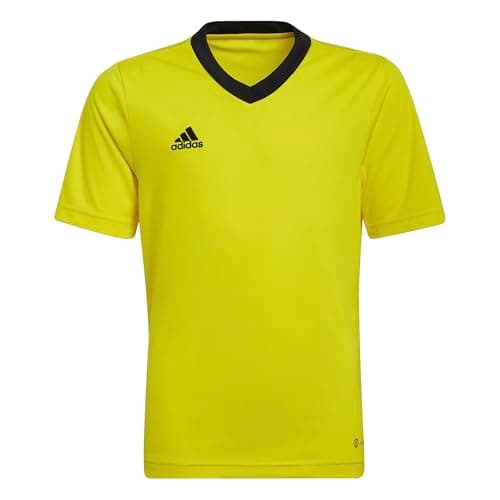
adidas Entrada 22 Jersey (Youth)
The standard plain practice jersey, and the sizing is the only thing to watch — it runs small.
$14.30$18.00−21%View on Amazon#ad — we may earn a commission · price as of October 16, 2026
adidas
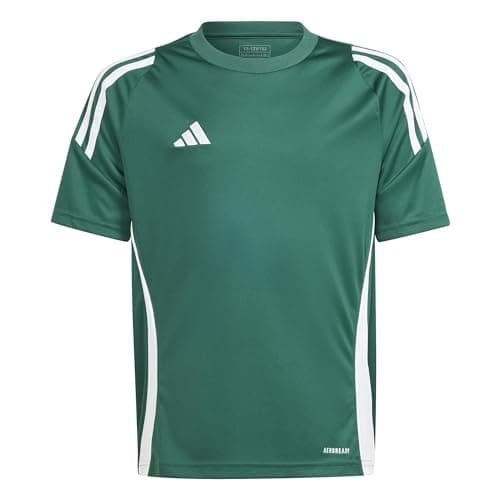
adidas Kids' Tiro 24 Jersey
The better buy if you want one top that covers practice and everyday wear; the Entrada is better as a plain team shirt.
$25.18$35.00−28%View on Amazon#ad — we may earn a commission · price as of October 16, 2026
adidas
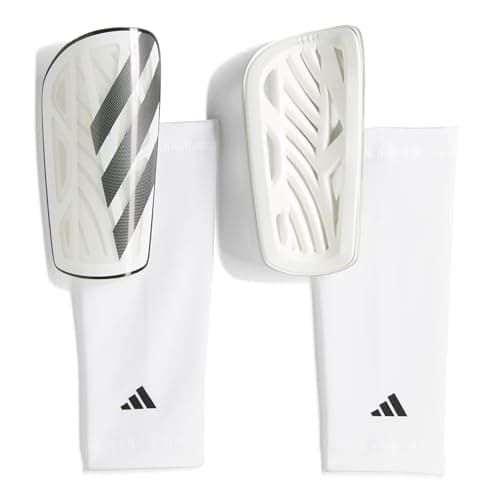
adidas Tiro League Shin Guards
The best compromise between the security of a strap and the low profile of a slip-in.
$18.99View on Amazon#ad — we may earn a commission · price as of October 16, 2026
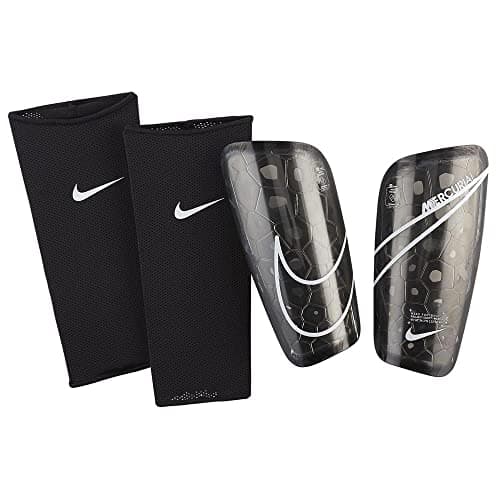
Nike
Nike Mercurial Lite Shin Guards
The right guard for an older player who will refuse anything bulkier — but not the right choice for a young beginner.
$44.00View on Amazon#ad — we may earn a commission · price as of October 16, 2026
Product photos come from each item’s current Amazon listing.
Getting the smell out properly
If a jersey already smells after washing, the coating is the problem and you need to strip it rather than wash harder. The sequence that works:
- Stop using softener entirely, on the jersey and on everything that shares a load with it.
- Run a cold wash with half the usual detergent and about half a cup of white vinegar in place of softener. Vinegar breaks the coating down; it is not a fragrance and the smell of it goes as it dries.
- Rinse again on a plain cold cycle, nothing added.
- Air dry fully before it goes anywhere near a bag.
Do not combine vinegar with bleach, and do not use bleach on a printed jersey at all. If the smell survives that sequence, it is usually not the jersey — it is the gear bag, the shin guards or the cleats, which all share the same enclosed space.
Shin guards in particular hold sweat in the foam backing and need their own routine — Reusch's instructions for its own guards are a brush, a damp cloth and no solvents, with no heat. How to wash shin guards has that method, and how to clean soccer cleats deals with the usual actual culprit.
The rest of the kit, by item
- Shorts. Same rules as the jersey. One extra note: Law 4 requires undershorts and tights to match the main color of the shorts, so if you are replacing a pair, match it.
- Socks. Normal wash, inside out, no softener — softener is what kills the elastic, and a sock with no elastic is the commonest reason shin guards slip.
- Grip socks. No softener and absolutely no dryer; the printed grip pads are the first thing heat destroys. See are grip socks worth it.
- Practice jerseys and pinnies. Same method, lower stakes — see the practice jersey picks.
- Base layers. Cold, no softener, air dry. Heat destroys the stretch, and these rely on it.
The sock point is worth acting on if your kid's guards keep sliding. A stretched-out, softener-coated sock has no retention left, and no guard fixes that — how to stop shin guards slipping starts there for exactly this reason.
Stains, briefly
Grass and mud, which is nearly all of them, come out of polyester far more easily than out of cotton — but only if they are treated before heat touches them. Rinse the area in cold water as soon as you can, work a little detergent in with your fingers, leave it twenty minutes, then wash cold as normal.
What not to do: no hot water on a fresh stain, because heat sets protein and grass stains rather than lifting them. And no bleach on anything with printing on it, ever — adidas's own care labels say do not bleach, and the lettering is the first thing to go.
How often, and the two-jersey system
After every use, because polyester holds odor fast and a jersey left damp in a bag is unrecoverable within a few days. That is a lot of washes across a season, which is the argument for owning two.
Most clubs issue one game jersey and expect you to buy training tops separately. A second plain training jersey takes almost all the washing load off the one with the number on it, which is the cheapest way to make a club jersey last a whole season looking like a club jersey. Sizing those is its own question — youth soccer jersey sizing covers it.
The same two-of-everything logic applies below the waist, and for the same laundry reason — the youth soccer shorts picks explain why two cheap pairs beat one expensive pair.
Common questions
How do you wash a soccer jersey?
Turn it inside out, wash cold on a gentle cycle with a normal amount of detergent and no fabric softener, then air dry it flat. That is Nike's own guidance, and adidas's care labels agree — machine wash, do not tumble dry, do not use fabric softener, wash and iron inside out.
Can you put a soccer jersey in the dryer?
No. Heat lifts the edges of heat-pressed numbers and lettering, and once an edge lifts it peels — Nike's guidance says directly to avoid the dryer for this reason. Heat also flattens the polyester fiber structure that moves moisture, so the jersey keeps looking fine while it stops performing. Air dry flat.
Why does my soccer jersey still smell after washing?
Usually fabric softener. Softener coats the fibers, and that coating sits over the places where odor-causing bacteria live, so the next wash's detergent cannot reach them. Stop using it, run a cold wash with half the usual detergent and about half a cup of white vinegar in place of softener, then rinse again and air dry fully.
Should you wash a soccer jersey inside out?
Yes. It puts the surface that absorbed the sweat and skin oils against the water, which is where the cleaning needs to happen, and it protects printed or embroidered numbers and lettering from abrasion against the drum. Nike's own guidance specifies it.
What temperature should you wash a soccer jersey at?
Cold, on a gentle cycle. Cold prevents fading, shrinking and damage to letters and numbers. adidas's own care labels on its youth soccer jerseys allow a warm machine wash, but cold is the safer setting for anything with printing on it and loses nothing in cleaning on polyester.
Can you bleach a soccer jersey?
No. adidas's care instructions say do not bleach, and on a printed jersey the lettering and numbering are the first things to go. For grass and mud, rinse the area in cold water promptly, work a little detergent in, leave it twenty minutes and wash cold — hot water sets grass and protein stains instead of lifting them.
Sources
- Nike — how to wash a jersey — Nike's own jersey-washing guidance, quoted on this site: wash in cold water on a gentle cycle; turn it inside out; do not overdo the detergent because soap buildup traps odors; avoid fabric softener because it stops detergent penetrating the fibers where odor and bacteria sit; avoid the dryer and air dry flat, because heat makes letters and numbers crack or peel.
- adidas — Entrada 22 jersey — Verified current availability and adidas's published AEROREADY fabric description for the youth Entrada 22.
- IFAB Laws of the Game — Law 4, The Players' Equipment — The Law text quoted on this site: undershorts and tights must be the same color as the main color of the shorts or the lowest part of the shorts, and players of the same team must wear the same color; shinguards must be of suitable material and appropriate size, covered by the socks, with the player responsible for their suitability; non-dangerous protective equipment of soft, lightweight padded material is permitted; and a player must not use equipment or wear anything that is dangerous, which must be removed rather than taped or covered. Law 4.3 is also the source for the kit-color rules quoted here: the two teams must wear colors that distinguish them from each other and the match officials, and each goalkeeper must wear colors that are distinguishable from the other players and the match officials. Law 4.4 names gloves, headgear, facemasks and knee and arm protectors of soft, lightweight padded material as permitted non-dangerous protective equipment, and separately permits goalkeepers caps and tracksuit bottoms.
- TRUsox — 3.0 performance grip socks — TRUsox's own description of the IN//EX grip technology and the range's construction.
- Reusch — Shinguard Attrakt Supreme (care instructions) — A manufacturer's own care instructions for a hard-shell shinguard, quoted on this site: remove dirt with a soft brush and wipe with a damp cloth; do not use solvents or other cleaners as they may cause damage; do not expose the product to excessive heat or strong sunlight; store in a dry and ventilated area, otherwise the performance of the shinguard reduces significantly.
Read next
- Youth soccer jersey sizingWhy jerseys run small, whether to size up, how much they shrink, and what to do mid-growth-spurt.
- Best youth soccer practice jerseysPractice jersey picks, the sizing catch that catches everybody, and why two is the right number.
- Best youth soccer socksSock picks that actually hold slip-in shin guards, plus whether grip socks are worth the money.
- Are grip socks worth it for youth soccer?What grip socks actually do, when the cost pays off, and why they are hard to justify below U12.
- How to wash shin guardsThe manufacturer-stated method for a hard shell, how sleeve guards differ, why heat is the one thing that ruins them, and what the smell actually is.
- How to clean soccer cleatsThe five-minute post-game routine, how to deal with turf pellets, and the two drying mistakes that wreck a pair.
- How to wash goalie glovesThe washing and drying routine that extends latex grip, and the one mistake that cracks a palm.