Roughly ages 6 to 8
U7–U8 rec: the first real kit
The age cleats start to matter, and the age laces become a daily problem.
By Ryder M. · Published September 27, 2026
Heads up: we earn a commission if you buy through our links, at no extra cost to you. It never changes which product we recommend — here’s how that works.
The short answer
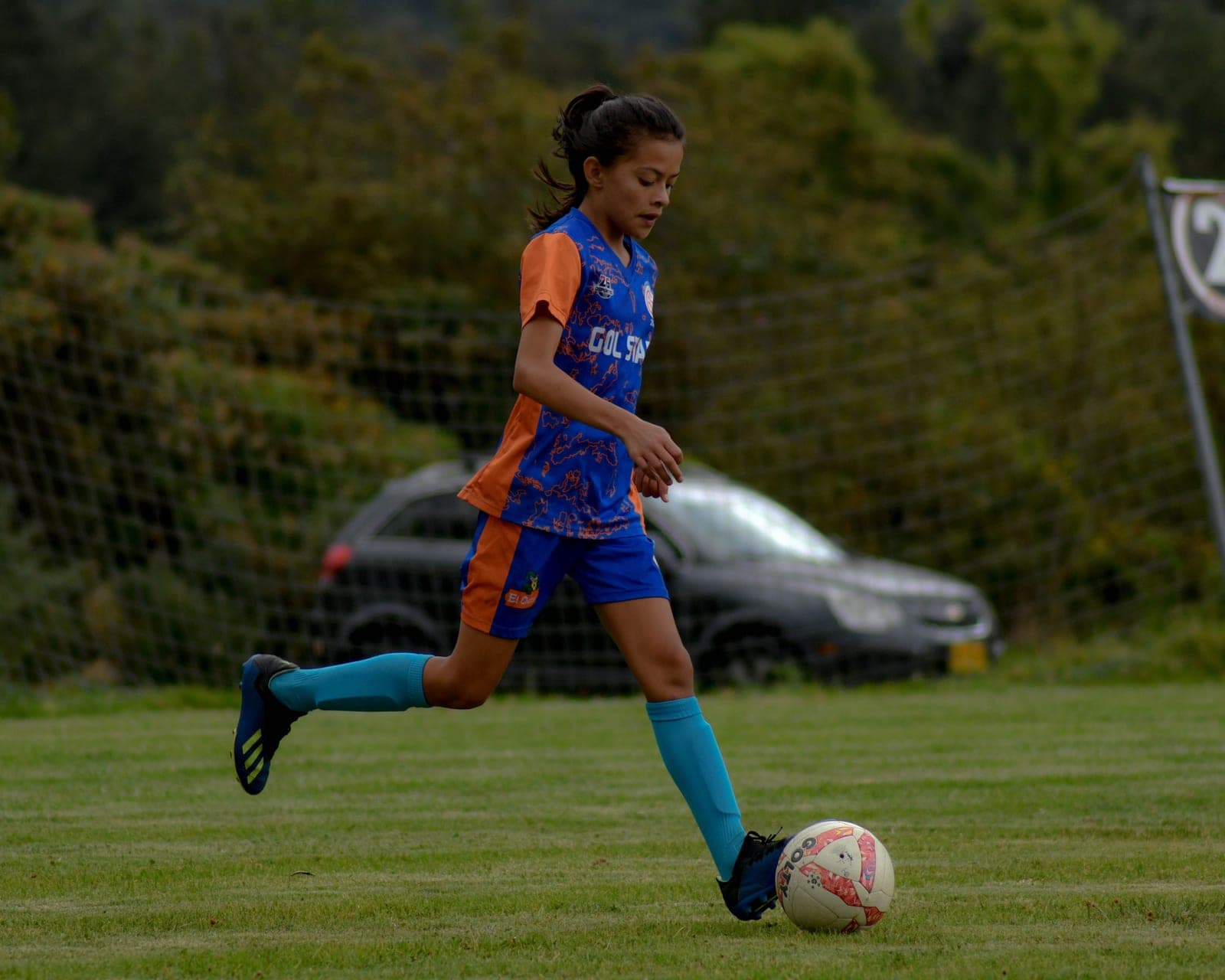
A U8 player needs a size 3 ball, shin guards with ankle protection, and their first real cleats — firm-ground or multi-ground, bought to fit now with a thumb's width at the toe. Add over-the-calf socks that grip the calf properly. Skip grip socks, goalkeeper gloves and match-quality balls.
U7 and U8 is the crossover. At U6 the honest advice is to buy almost nothing; by U8 the kids are genuinely running, the grass is longer, and a proper cleat starts making a difference to how they play rather than just how they look.
It is also the level where a specific, universal problem arrives: a six-year-old cannot reliably tie laces, and a lace that comes undone mid-game means a parent walking onto the field. This is worth planning for rather than discovering.
What U7–U8 soccer looks like
US Youth Soccer keeps the youngest bracket at 4v4 with no goalkeeper on a pitch of roughly 25 to 35 yards by 15 to 25, still with a size 3 ball and no offside. Some leagues run U8 as 5v5 or 7v7 and introduce a keeper, so check locally.
The important difference from U6 is not the format — it is the intensity. Six and seven-year-olds chase the ball continuously. That is real running, on grass that gets churned up, which is what firm-ground studs exist for.
The U8 kit list
Start here
Pick by your kid’s level
The right answer changes with the level, not just the shoe size. Find your kid’s bracket and start there.
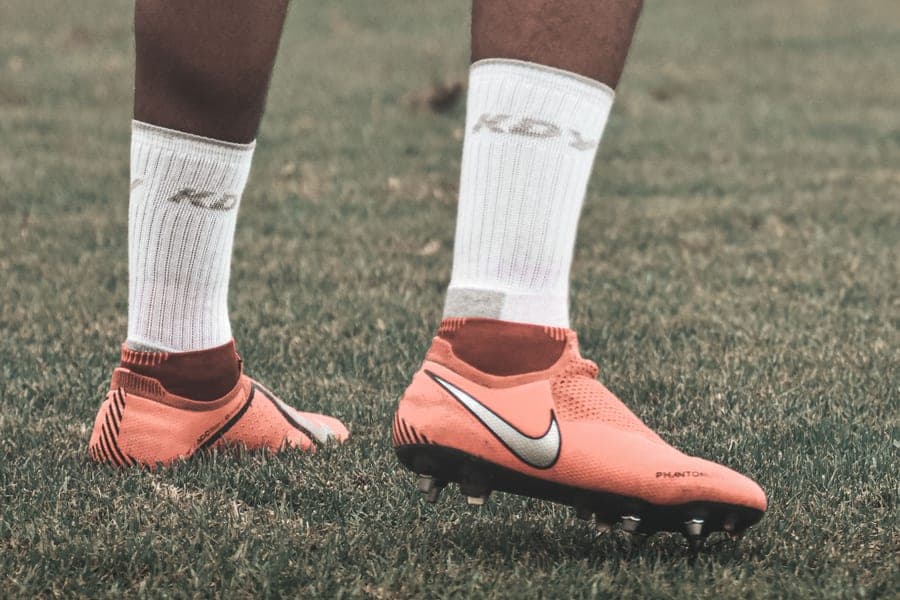
Nike Jr. Mercurial Vapor 16 Club MG
The safe default first real cleat. The multi-ground plate covers a season split between grass games and turf training, which is the most common pattern. Narrow, so not for a wide foot.
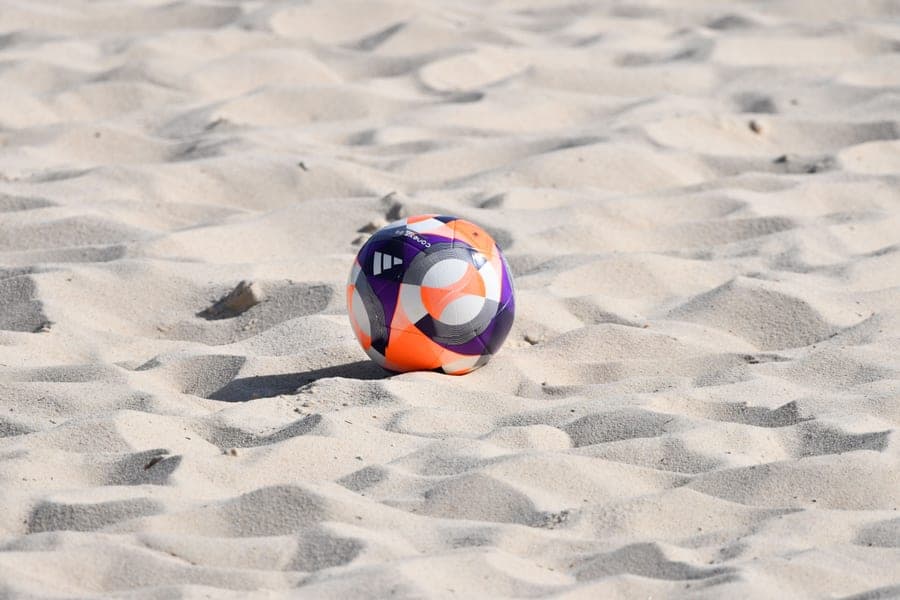
adidas Starlancer Club
Still a size 3 ball at this age. If you bought one at U6, it is almost certainly still the right size.
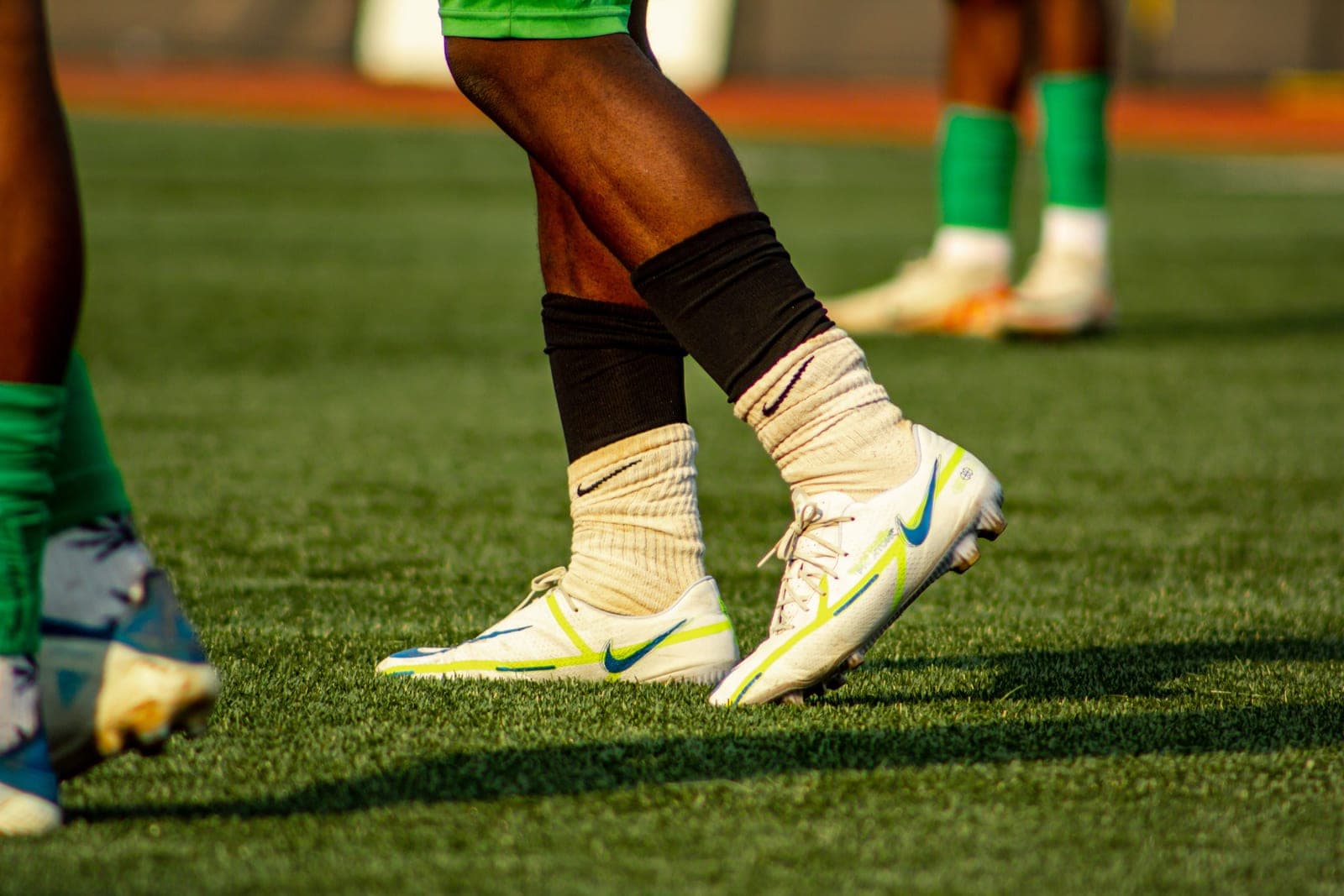
Nike Youth Charge Shin Guards
Strapped guards with attached ankle support. Still the right style at this age — slip-ins depend on a sock discipline a seven-year-old does not have.
Cleats: the first real decision
Two things to get right, and one to deliberately get wrong.
Get the surface right
If games are on grass and training is on artificial turf — the standard American pattern — buy a multi-ground (MG) or firm-ground/artificial-ground (FG/AG) plate. One pair, adequate at both. Buying pure firm-ground cleats and then training on turf all winter is the most common mistake at this level, and it is uncomfortable underfoot as well as being wrong. The surface comparison has the decision table.
Get the width right
Nike's Mercurial line runs narrow. adidas's Goletto and Copa Pure run wide. If your kid's foot is broad, start with adidas — going up a size in a narrow cleat to solve a width problem gives you a slipping heel and a blister. The wide feet picks sort out which lines are which.
Deliberately do not buy a size up
It is tempting and it does not work. A cleat has a stud plate that needs to sit under the foot in the right place; a foot sliding inside one produces blisters and lost touches. Buy to fit now — a thumb's width at the toe — and accept replacing them. How cleats should fit shows how to check it properly, and the size chart has the conversions.
The laces problem, and the two real fixes
At six, most kids cannot tie laces tightly enough to hold through a game even if they can tie them at all. Two approaches actually work:
- Laceless or hook-and-loop footwear. Nothing to come undone. Laceless models run generous in width, so they suit an average or wide foot and are wrong for a narrow one — a hook-and-loop strap keeps the adjustability. See the laceless picks.
- Double-knot and tuck. Tie them properly, double-knot, then tuck the loops under the laces across the top of the foot. This genuinely holds for a full game and costs nothing.
Socks are a protection decision now
Once shin guards are in the picture every week, the sock is what holds them in place. Buy over-the-calf socks with real compression through the calf, and buy three pairs — they come off soaked and take a day to dry. The sock picks cover the options; grip socks are not worth it yet.
What to skip at U7–U8
- Grip socks. Real product, wrong age. Not enough playing volume for it to pay off.
- A match-quality ball. A seven-year-old cannot strike a ball hard enough to notice the difference. Save it for U12.
- Turf shoes as a second pair. Only worth it if they are genuinely on turf every week. An MG plate covers a mixed schedule.
- Goalkeeper gloves, unless your league has introduced a keeper and your kid is rotating in — in which case a basic junior glove is plenty.
One thing worth buying that is not kit
A target in the yard. This is the age where the gap between kids who kick a ball at home and kids who only play at practice starts to show, and a pop-up goal or a rebounder is what makes at-home play happen. A cheap pop-up is correctly sized for this age. See the pop-up goal picks, and read the anchoring guidance first — unanchored goals have killed children.
What comes next
At U9–U10 the ball steps up to size 4 and the format grows to 7v7 with a keeper. That is the biggest single equipment change in youth soccer, and the level where rec and travel players start needing genuinely different things.
Common questions
What size soccer ball for a U8?
Size 3, the same as U6 and U7. A few leagues move to size 4 at U8 rather than U9, so check your club — but absent any instruction, size 3 is correct. If you bought a size 3 at U6, it is still the right ball.
What cleats for a 7 year old?
A multi-ground or firm-ground/artificial-ground plate from any of the three major brands, bought to fit now. Pick the line by foot width: Nike's Mercurial for average-to-narrow, adidas's Goletto or Copa Pure for broad. The 6 year olds and 8 year olds pages both cover this age.
Should I buy cleats a size too big so they last longer?
No. A cleat's stud plate has to sit in the right place under the foot, and a foot sliding inside one causes blisters, mis-hit touches and occasionally a rolled ankle. Buy with a thumb's width at the toe and plan on replacing them — at these ages that is roughly every six to nine months regardless.
Do you need shin guards for U8 practice as well as games?
Yes, and most clubs require it. Practices have the same stray kicks as games, often more per minute. It also matters for habit: a kid who only wears guards on Saturday finds them uncomfortable on Saturday.
How do you stop a 6 year old's cleats coming undone?
Double-knot the laces, then tuck the loops under the laces across the top of the foot — that holds through a full game. If it keeps happening, switch to a laceless or hook-and-loop model. Laceless runs wide, so for a narrow foot pick the hook-and-loop version instead, where the strap gives you adjustment.
Sources
- US Youth Soccer small-sided playing formats — Player counts, game lengths and format progression (4v4, 7v7, 9v9, 11v11) by age group.
- AYSO — Size of Ball and Field by Age Division — Official ball sizes, circumference and weight ranges, and field dimensions by age division. Used for every ball-size and field-size figure on this site.
- US CPSC — Guidelines for Movable Soccer Goals — Tipover fatality and injury figures, and the CPSC's specific anchoring, counterweighting and storage recommendations. The source for every safety figure on the goal pages.