Heads up: we earn a commission if you buy through our links, at no extra cost to you. It never changes which product we recommend — here’s how that works.
The short answer
Size 5 starts at U13 — AYSO lists it at 26.5–28.0 inches circumference and 14–16 ounces for the 14U, 16U and 18U divisions — and it never changes again. Because this is the last size, quality is finally worth paying for: a hand-stitched match ball flies more predictably and a player striking it properly will feel it.
Every previous ball your kid has owned was temporary. This one is not: size 5 is the ball for the rest of their playing life, whether that is two more seasons or twenty. That changes the maths on spending.
It also arrives at an awkward moment. The step up from a 12–14 ounce ball to a 14–16 ounce one lands at the same time as the pitch going full size and the format going to 11v11, so expect a few weeks of shorter, less clean striking. That is normal and the fix is repetition, not equipment.
Start here
Pick by your kid’s level
The right answer changes with the level, not just the shoe size. Find your kid’s bracket and start there.
Tap any row to jump to the full write-up. We do not show prices because we do not hold live pricing — the button opens the current Amazon listing so you see today’s number rather than last month’s.
#
Product
Best for
Surface
Fit notes
Price
1
Select Numero 10Worth the money from about U12 upward, and a waste of it before then.
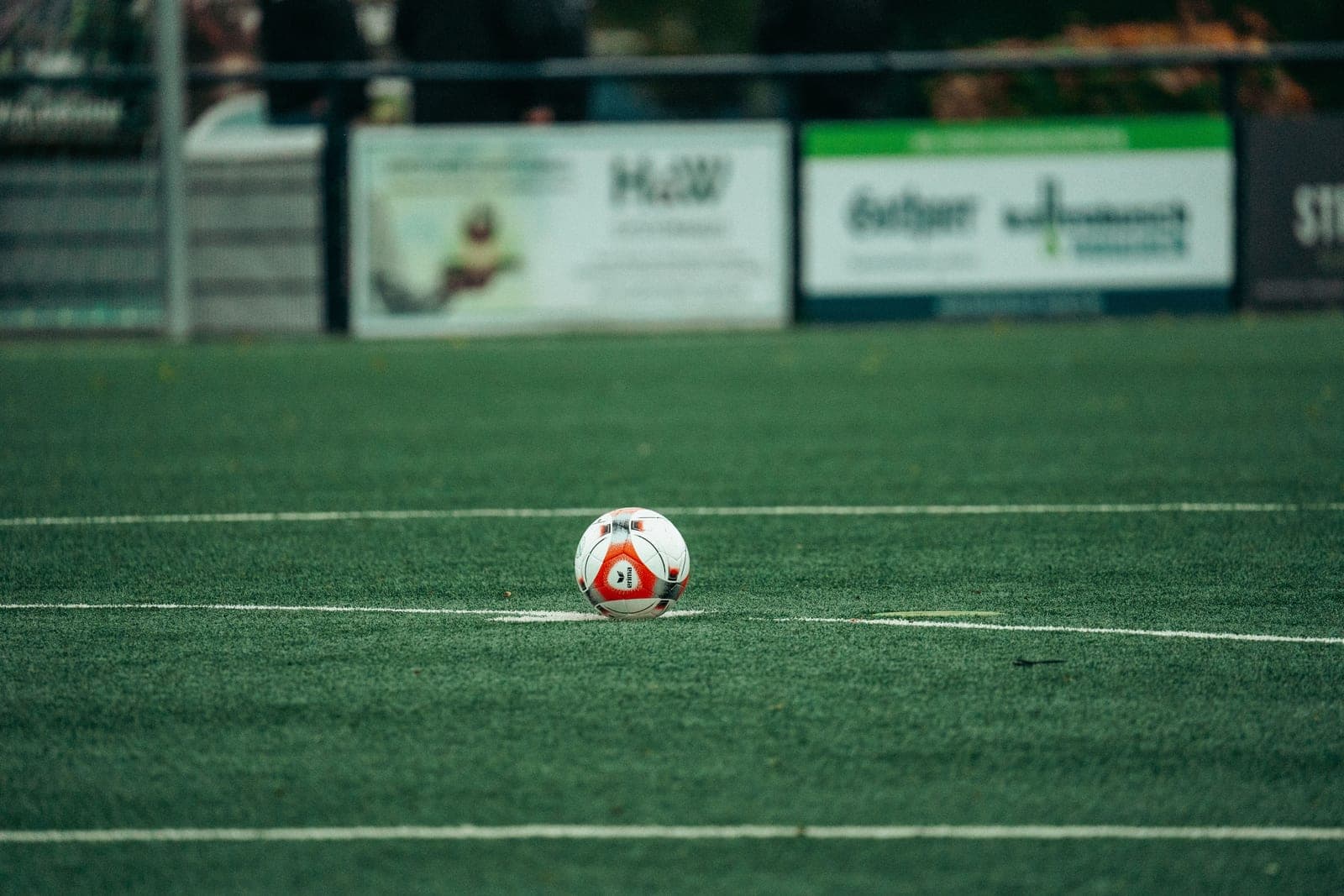
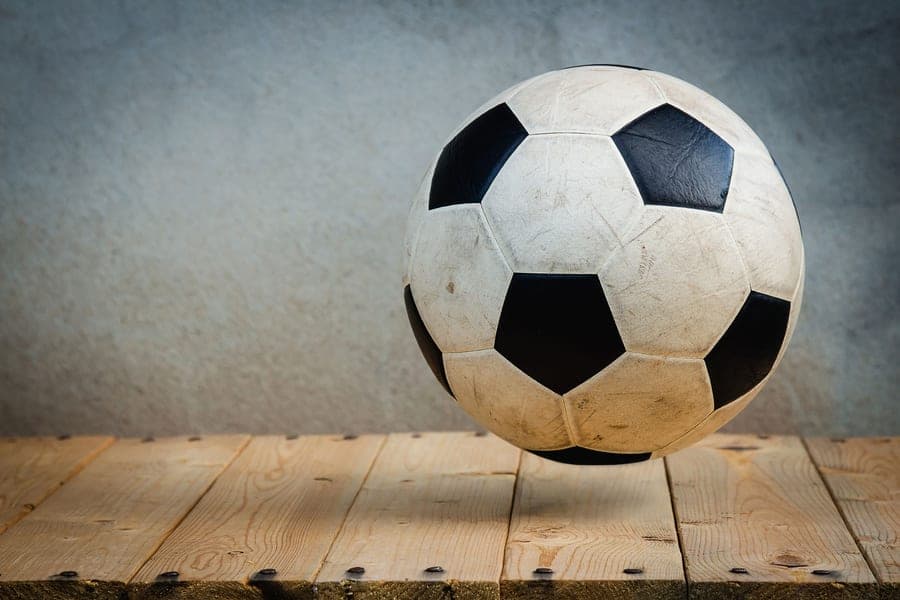
Product photos are licensed representative stock images, not photographs of the exact model.
Match, training, or rec?
At size 5 the categories genuinely diverge, and buying the wrong one is how money gets wasted in both directions.
Type
Construction
For
Do not
Match
Hand-stitched or thermally bonded, tightest tolerances
Games, and a player who strikes cleanly
Leave it in the yard
Training
Durable cover, heavier, built for volume
Club training several times a week
Expect match-ball flight
Rec
Machine-stitched, butyl bladder
Once-a-week play, yards, kickabouts
Use in a competitive match
Scroll the table sideways on a narrow screen.
The honest note on match balls: their advantage is consistency of flight, and consistency is exactly what a winter in a hedge destroys. If your kid will leave the ball outside, buy a rec ball and keep the money.
Why size 5 feels so different
The numbers explain it. AYSO puts the size 4 at 25.0–26.5 inches and 12–14 ounces, and the size 5 at 26.5–28.0 inches and 14–16 ounces. So the ball is both bigger and up to a third heavier at the top of the range.
For a thirteen-year-old that means a shorter strike at first, and a driven ball that dips sooner than they expect. Nothing is wrong. It resolves over a few weeks of playing, and the U13+ level page covers the rest of what changes at this level.
Budget size 5 balls: what you actually give up
A cheap size 5 is a perfectly reasonable purchase for a rec player. Being specific about the trade:
Flight consistency. Machine-stitched panels have looser tolerances, so the ball behaves slightly differently depending on where you strike it. Invisible at rec level, noticeable to a club player.
Water resistance. Stitched seams let water in over time, so the ball gets heavier in the wet. Thermally bonded seams do not.
Shape retention. Cheaper carcasses go slightly oval under heavy use and do not come back.
Air retention, if it uses a latex bladder rather than butyl. This is the one that actually annoys people day to day.
Of those four, only the last matters to a casual player — so the cheapest ball worth buying is a cheap one with a butyl bladder.
One ball or two?
Two, still, and the reason is stronger now than at the younger ages. A match ball and a yard ball are genuinely different products, and the failure mode is using one ball for both: either the good ball degrades or your kid stops kicking about at home.
If they are at a club, they may well need a third — many clubs specify a particular training ball. Ask before buying.
Indoor is still a different ball
If there is a winter futsal season, a size 5 outdoor ball is the wrong equipment regardless of quality. Futsal balls have a deliberately low bounce and their own sizing convention. See the indoor and futsal ball picks.
1. Select
Select Numero 10
Worth the money from about U12 upward, and a waste of it before then.
Best for
A U12+ player who wants a proper match-quality ball
Levels
U11–U12 · U13+ travel & club
Type / surface
Size 5 (also sold in smaller sizes)
How it fits
Primarily a size 5 ball. Confirm the size on the specific listing before ordering for a U12 or younger.
What we like
A noticeably better ball in flight than anything in the rec tier, which a U13 striking it properly will feel
Select balls hold their shape and stitching over far more hours than machine-stitched rec balls
Where it falls short
Costs several times what a Starlancer does, which is hard to justify for a kid who mostly plays in a yard
Overkill below about U11 — a size 4 player gets little from match-ball construction
Manufacturer’s published specs
Select's best-selling all-round match and training ball
Hand-stitched construction
Size 5 is the primary listing
These are the manufacturer’s own claims, not measurements we took.
Age 13 and up. AYSO lists the size 5 at 26.5 to 28.0 inches circumference and 14 to 16 ounces for the 14U, 16U and 18U divisions, and it is the standard adult ball — so it is the last size change there is.
When do kids switch to a size 5 soccer ball?+
At U13, or 14U depending on the organization. Expect a short adjustment: the jump from 12–14 ounces to 14–16 arrives at the same time as the pitch going full size and the format going to 11v11, so striking tends to be shorter and less clean for a few weeks.
Is an expensive size 5 soccer ball worth it?+
For a player who strikes the ball cleanly and plays competitively, yes — a hand-stitched or thermally bonded ball flies more predictably, and this is the last ball size so it will not be outgrown. For a once-a-week rec player, a cheap ball with a butyl bladder is genuinely enough.
What is the best budget size 5 soccer ball?+
Look for a butyl bladder above everything else, since air retention is the only one of the four budget compromises a casual player actually notices day to day. The adidas Starlancer family fits that description; the Wilson Traditional is cheaper still and best treated as a disposable yard ball.
Can a 12 year old use a size 5 ball?+
For a game, no — U12 plays with a size 4 under AYSO's standards. For practice it is not harmful, and some coaches introduce a size 5 late in the U12 year specifically to smooth the transition. Their matches will still be size 4.
Sources
AYSO — Size of Ball and Field by Age Division — Official ball sizes, circumference and weight ranges, and field dimensions by age division. Used for every ball-size and field-size figure on this site.