Shin Guards
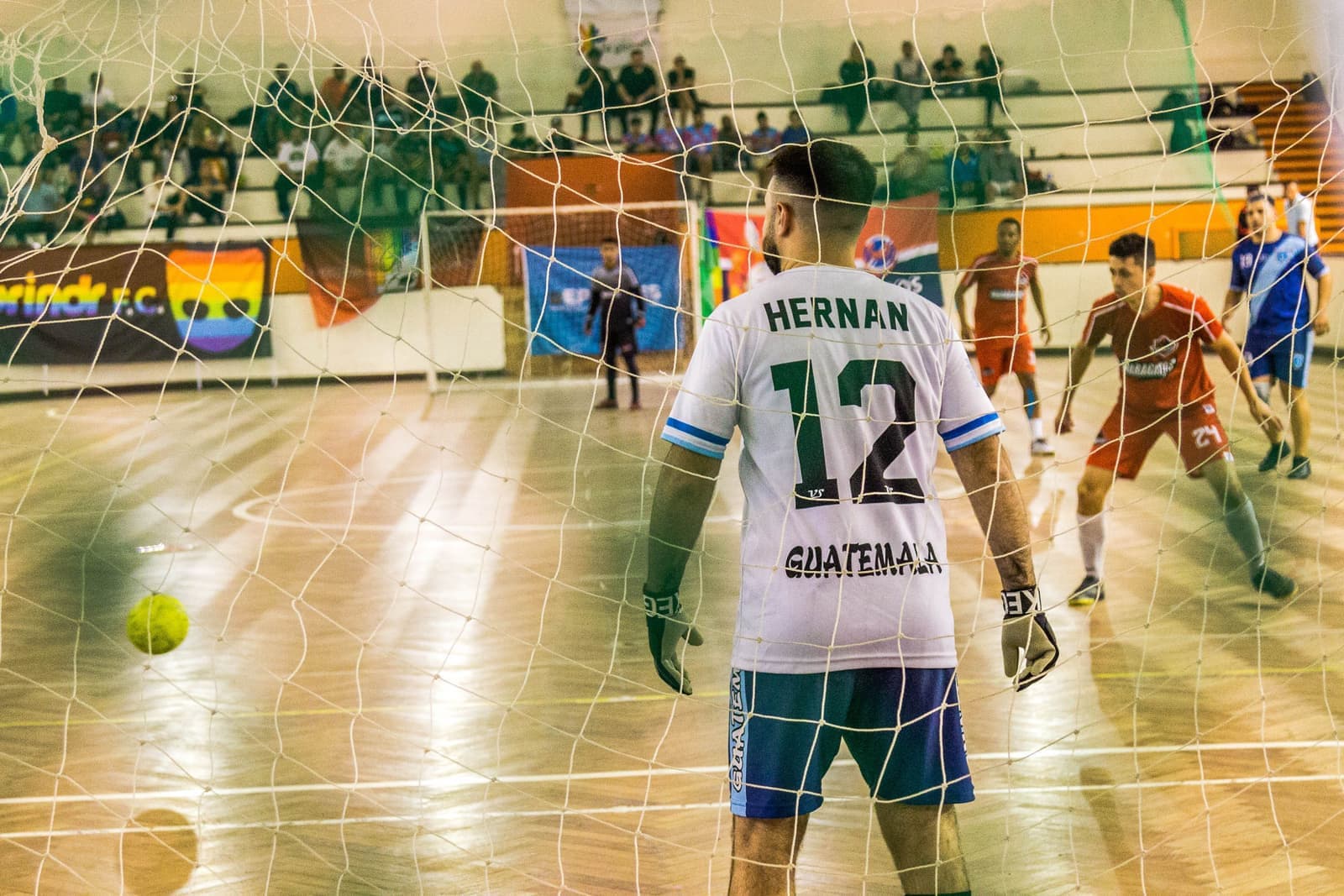
Do you need shin guards for indoor soccer?
Usually yes — and the smaller pitch is an argument for them, not against.
By Ryder M. · Published September 27, 2026
The short answer
Most indoor and futsal leagues require shin guards, and the smaller pitch is an argument for wearing them rather than against — there are more tackles per minute and less space to avoid one. A handful of purely recreational programs do not require them. Check the specific facility, because the rules vary.
The intuition that indoor soccer is gentler is understandable and wrong. Indoor and futsal are played in a confined space at high tempo, which means the ball is contested constantly and players have nowhere to step away to. There are more challenges in a twenty-minute indoor half than in most outdoor games.
What the rules actually say
It varies by organization and by facility, which is why this page cannot simply give you a yes. Broadly:
| Setting | Shin guards | Check |
|---|---|---|
| Sanctioned futsal league | Required | Also check the required ball and footwear — both are specific |
| Indoor league at a soccer facility | Usually required | The facility's own rules page |
| Recreational drop-in or a school program | Often optional | Ask the organizer |
The practical answer: assume they are required and bring them. Being turned away for not having guards is a worse outcome than carrying a pair you did not strictly need.
Why indoor arguably needs them more
- More challenges per minute. A small pitch means the ball is contested almost continuously.
- Less space to avoid contact. Outdoors a player can step away from a tackle. Against a wall, they cannot.
- Harder surfaces. A knock that would be absorbed by soft ground outdoors is not, on a court.
- Walls, in some formats. Indoor soccer played with walls in play means contact against a hard surface, which is its own consideration.
None of this makes indoor soccer dangerous. It makes the reasoning for shin guards at least as strong indoors as out.
Which style for indoor?
The same style logic as outdoors, with one adjustment: heat.
Indoor facilities are warm and the tempo is high, so bulky guards are noticeably less comfortable than they are on a cold Saturday morning outdoors. For a kid who is borderline between styles, indoor is the setting where a sleeve or slip-in becomes the more sensible choice.
- U6 to U10 — still strapped with ankle protection. Young kids take ankle knocks indoors just as they do outdoors, and the heat is a lesser concern than the coverage. See the ankle guard picks.
- U11 and up — a sleeve or slip-in. Lower profile, cooler, and by that age they will keep their socks up. See the slip-in picks.
Guards that suit a warm indoor session
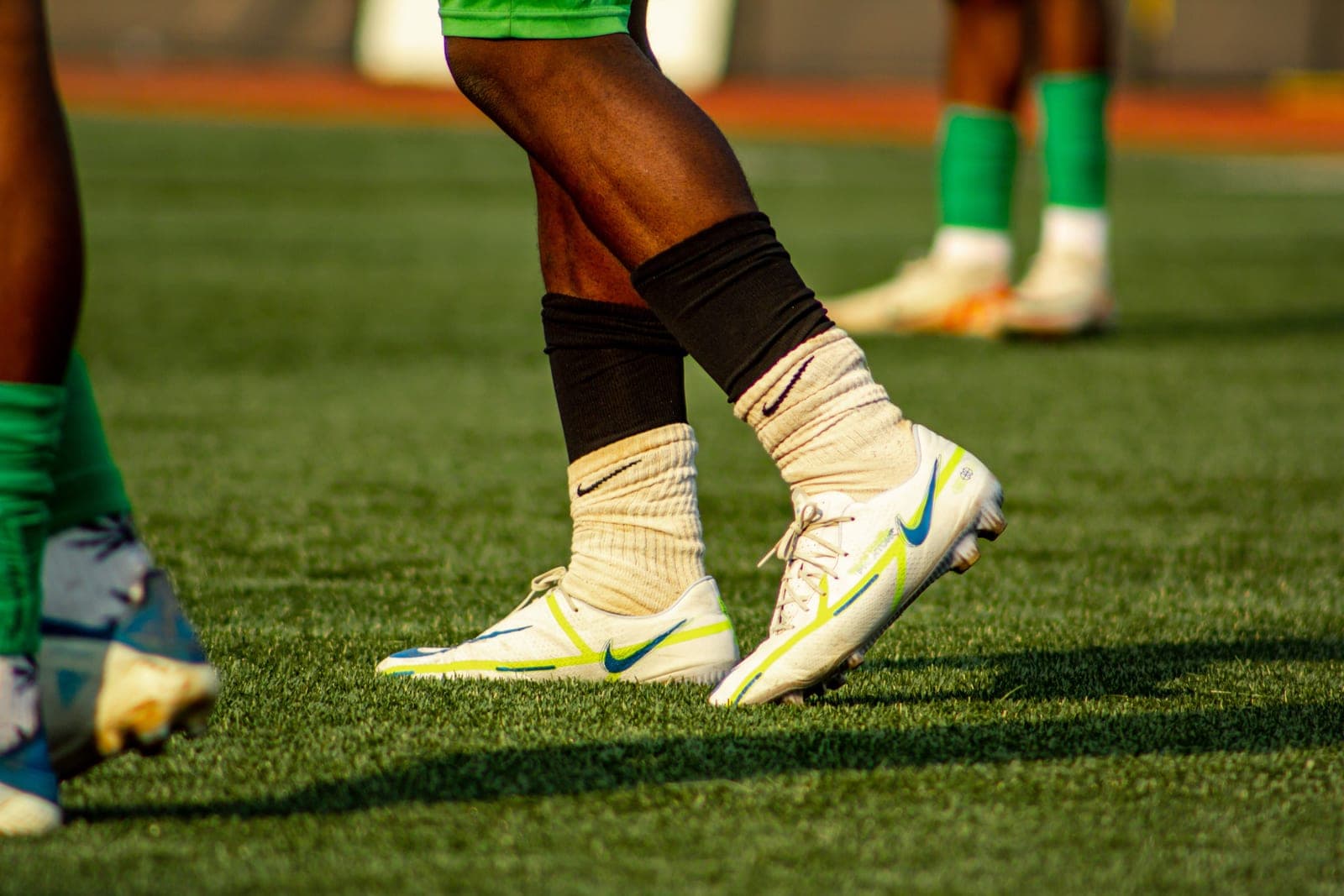
adidas
adidas Tiro League Shin Guards
The best compromise between the security of a strap and the low profile of a slip-in.
G-Form
G-Form Pro-S Vento Shin Guards
Worth it for an older player who would otherwise wear the thinnest possible slip-in; not the safest choice for a beginner.
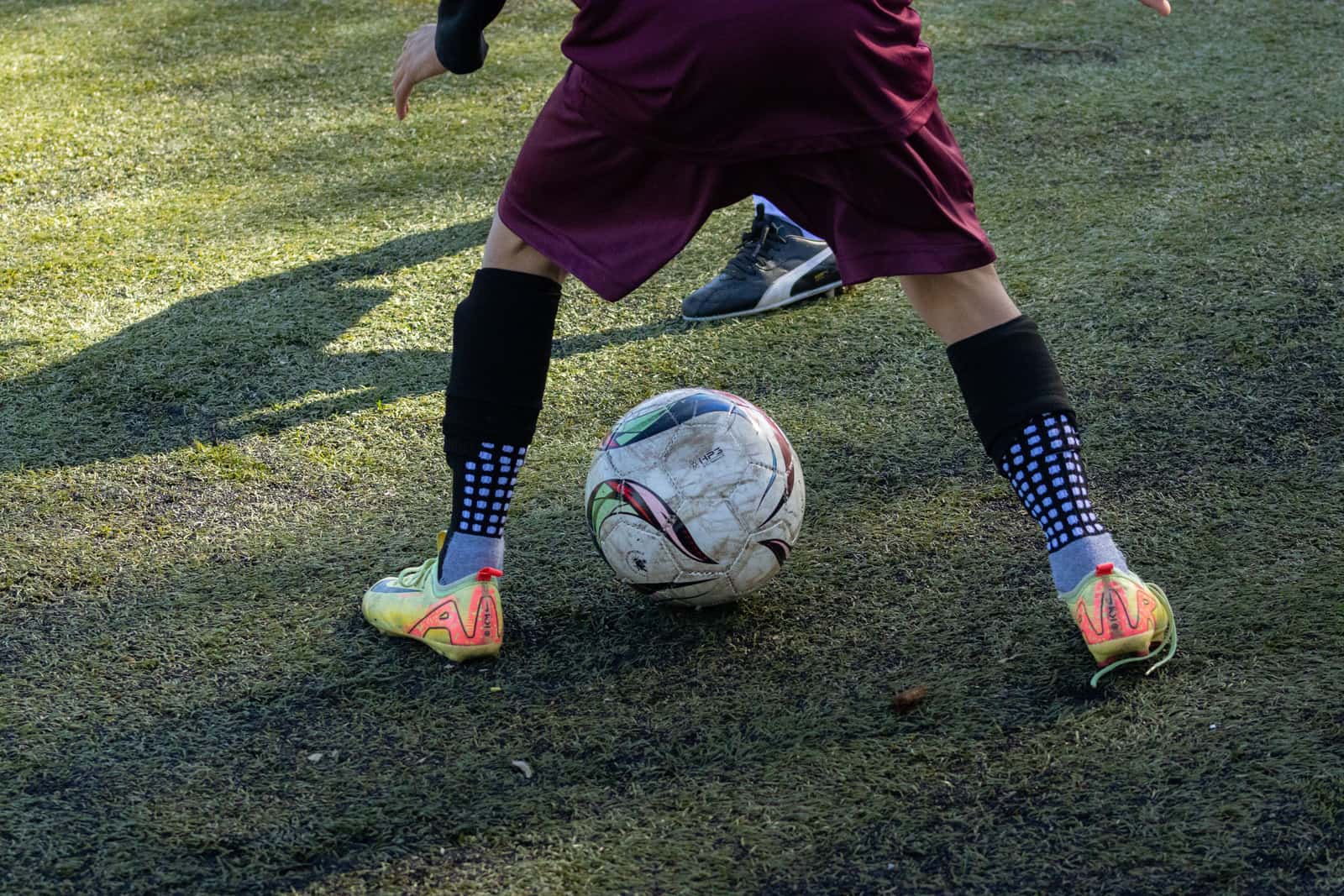
adidas
adidas Tiro Match Shin Guards Kids
The best first pair of shin guards for a young rec player, precisely because it protects the ankle too.
Photos are licensed representative stock images, not the exact models.
The two things indoor genuinely changes
Shin guards mostly do not change indoors. Two other pieces of kit definitely do, and both catch people out at the door.
Footwear
Indoor facilities require a flat, non-marking gum sole — labeled IN or IC. Cleats are obviously out, and turf shoes are usually refused too, because the nubs mark a sports floor. This is a separate pair of shoes from both the cleats and the turf shoes. See the indoor shoe picks.
The ball
For proper futsal, a futsal-specific low-bounce ball, on its own sizing convention where futsal size 3 means under-13 rather than U8. An ordinary ball on a futsal court spends the session in the rafters. Indoor turf programs usually use normal balls. See the indoor and futsal ball picks.
Practice as well as games?
Yes, and for the same reason as outdoors: practices involve the same challenges as games, often more per minute in a confined space. It also matters for habit — a kid who only wears guards in games finds them strange in games.
Common questions
Do you need shin guards for indoor soccer?
Usually yes. Most indoor and futsal leagues require them, and the smaller pitch is an argument for wearing them rather than against — more tackles per minute and less space to avoid one. Some purely recreational programs do not require them, so check the specific facility.
Do you wear shin guards to soccer practice?
Yes, and most clubs require it. Practices involve the same challenges as games, often more per minute in a confined space. It also matters for habit: a kid who only wears guards on Saturdays finds them uncomfortable on Saturdays.
Are indoor soccer tackles more dangerous?
Not more dangerous, but more frequent. A small pitch means the ball is contested almost continuously and players have less room to step away from a challenge, and the surface is harder than grass. That is why the reasoning for shin guards is at least as strong indoors as out.
What shin guards are best for indoor soccer?
The same style logic as outdoors, adjusted for heat — indoor facilities are warm and the tempo is high, so bulky guards are less comfortable. For U6 to U10, still strapped with ankle protection. For U11 and up, a sleeve or slip-in, with vented models being the coolest option.
Can you wear cleats for indoor soccer?
No. Indoor facilities require a flat, non-marking gum sole, and studs damage a sports floor. Turf shoes are usually refused too, because the nubs mark the surface. Indoor shoes are a separate pair from both cleats and turf shoes.
Sources
- Nike — kids' soccer cleats and shoes — Verified that each Nike model named on this page is currently sold, and the source for Nike's own published upper, plate and surface descriptions.
- adidas — kids' soccer — Verified current availability of the adidas models named here, plus adidas's published material and construction claims.
- Vizari Sports — youth cleats and indoor shoes — Verified the Vizari models named here are currently sold, including the toddler size range and the indoor line, plus Vizari's published material claims.
Read next
- Best indoor soccer shoes for kidsNon-marking indoor picks from U7 up, why turf shoes will not do, and what a futsal season needs.
- Best indoor and futsal soccer balls for kidsFutsal ball picks by age, why the low bounce matters, and how futsal sizing differs from outdoor.
- Best slip-in shin guards for kidsSlip-in and sleeve picks for U10 upward, what they give up in protection, and the sock that stops them sliding.
- Best kids' shin guards with ankle protectionStrapped guards with ankle protection for U6 to U11, and why that is the right style for young players.
- Youth shin guard size chartThe height-based size chart, how high guards should go, and the crouch test that confirms the fit.
- U11–U12: nine-a-side, and the travel questionAges 10 to 12. Size 4 still, 9v9 format, and the level where travel-club gear diverges sharply from rec.