Roughly ages 8 to 10
U9–U10: size 4, seven-a-side, and a goalkeeper
The biggest equipment step in youth soccer happens here.
By Ryder M. · Published September 27, 2026
Heads up: we earn a commission if you buy through our links, at no extra cost to you. It never changes which product we recommend — here’s how that works.
The short answer
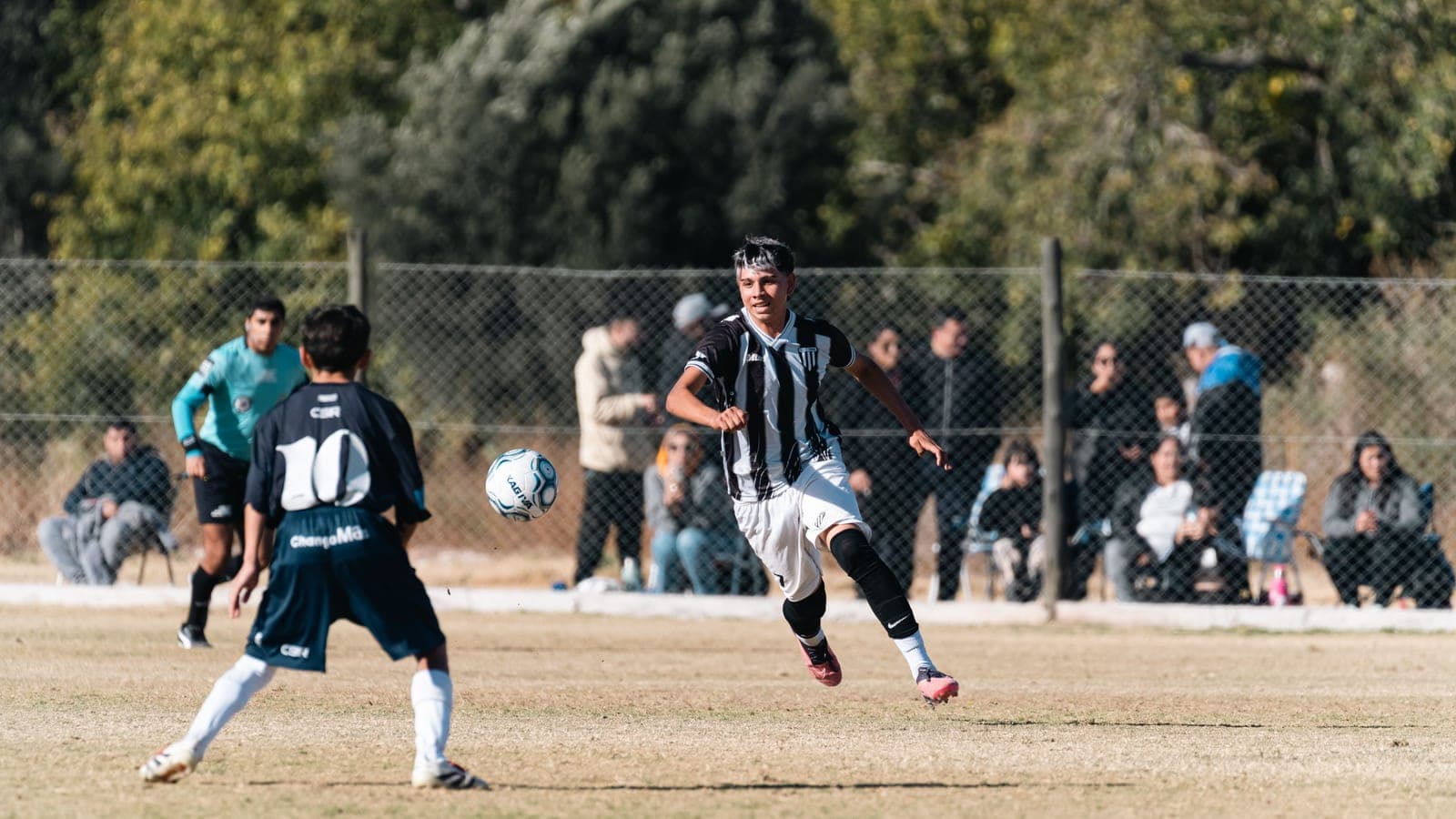
U10 uses a size 4 soccer ball — AYSO lists the size 4 at 25.0–26.5 inches circumference and 12–14 ounces for the 10U and 12U divisions. The format also steps up to 7v7 with a goalkeeper on a pitch of about 55–65 by 35–45 yards, which means gloves enter the kit list for the first time.
If one level in youth soccer justifies a shopping trip, it is this one. Three things change at once: the ball gets bigger, the pitch gets bigger, and there is suddenly a goalkeeper. A U8 kit does not carry over unmodified.
What changes, concretely
| U7–U8 | U9–U10 | |
|---|---|---|
| Ball | Size 3 | Size 4 |
| Format | 4v4, no keeper | 7v7 with a goalkeeper |
| Pitch | ~25–35 × 15–25 yards | ~55–65 × 35–45 yards |
| Offside | Not enforced | Enforced |
| Game length | Short segments | Typically two 25-minute halves |
The bigger pitch is the part that quietly changes the footwear calculation. Sixty-five yards of field means real sprinting and real turning, which is where a proper stud pattern starts mattering and where an ill-fitting cleat starts causing blisters rather than mild discomfort.
The U10 kit list
Start here
Pick by your kid’s level
The right answer changes with the level, not just the shoe size. Find your kid’s bracket and start there.
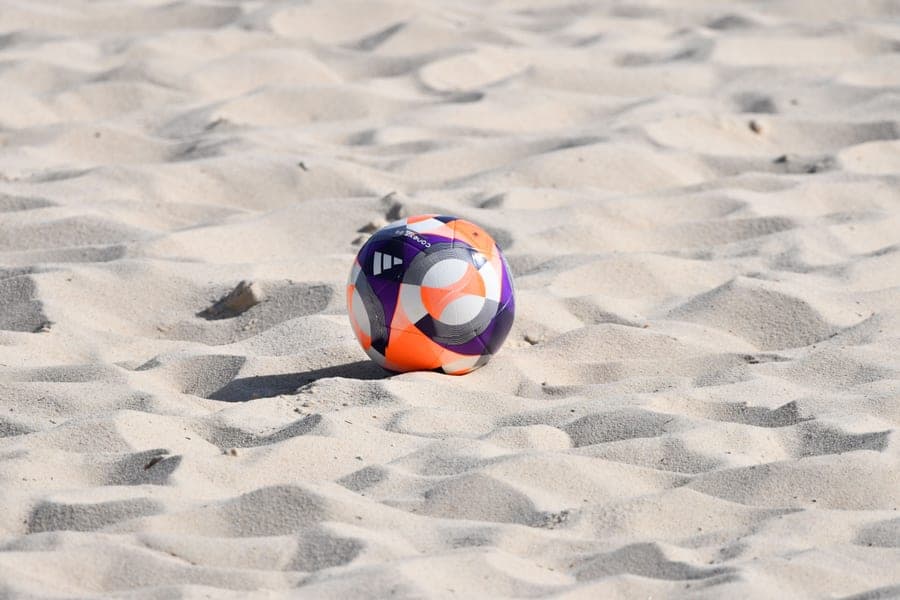
adidas Starlancer Club
A size 4 ball, which covers U9 all the way through U12 — the longest-serving ball you will buy. The butyl bladder is the reason to pick it over the cheapest options.
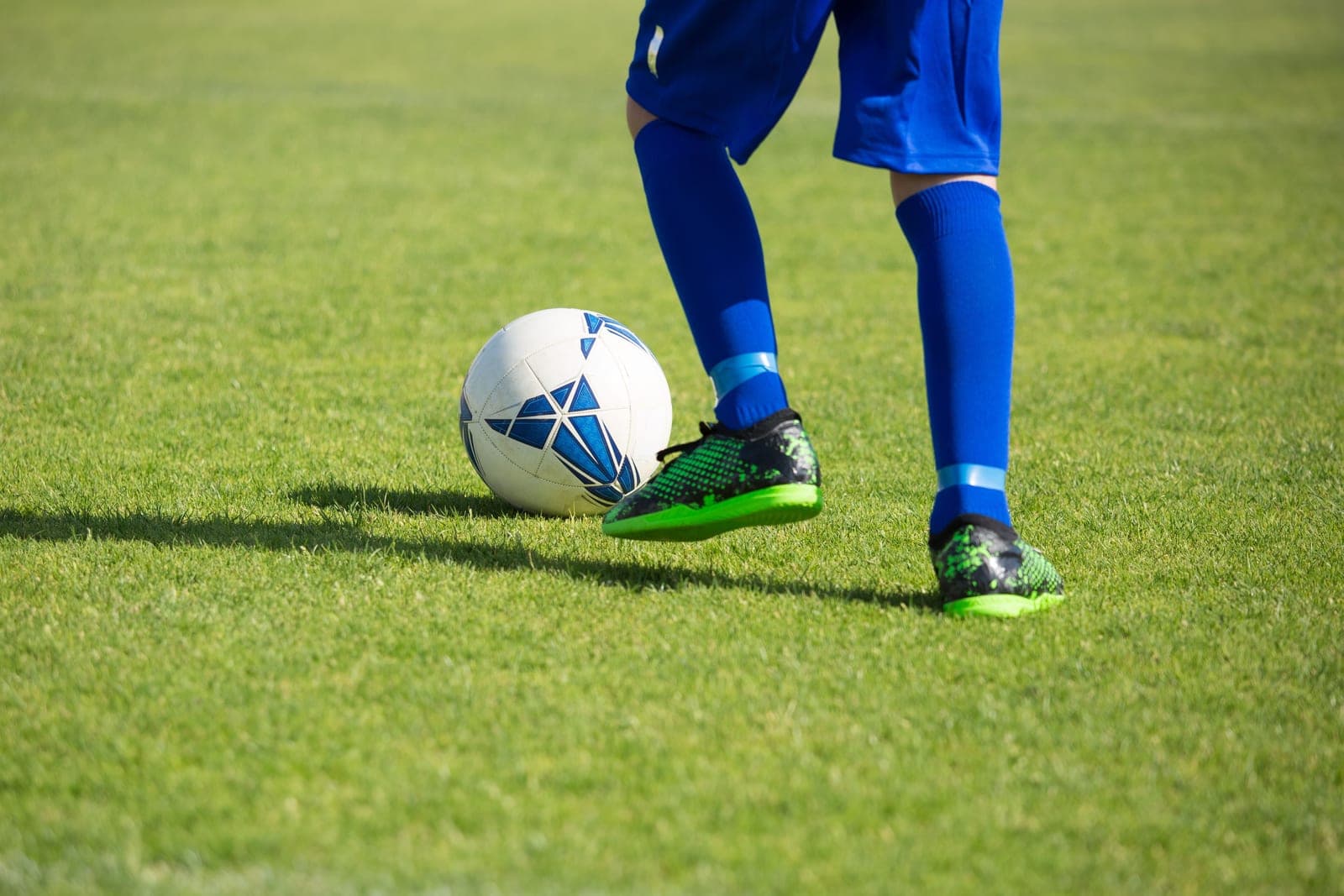
adidas Jr. Copa Pure.3 Firm Ground
The softest upper at this price, which genuinely helps a kid learning to receive a pass properly. Also the roomiest option for a broad foot.
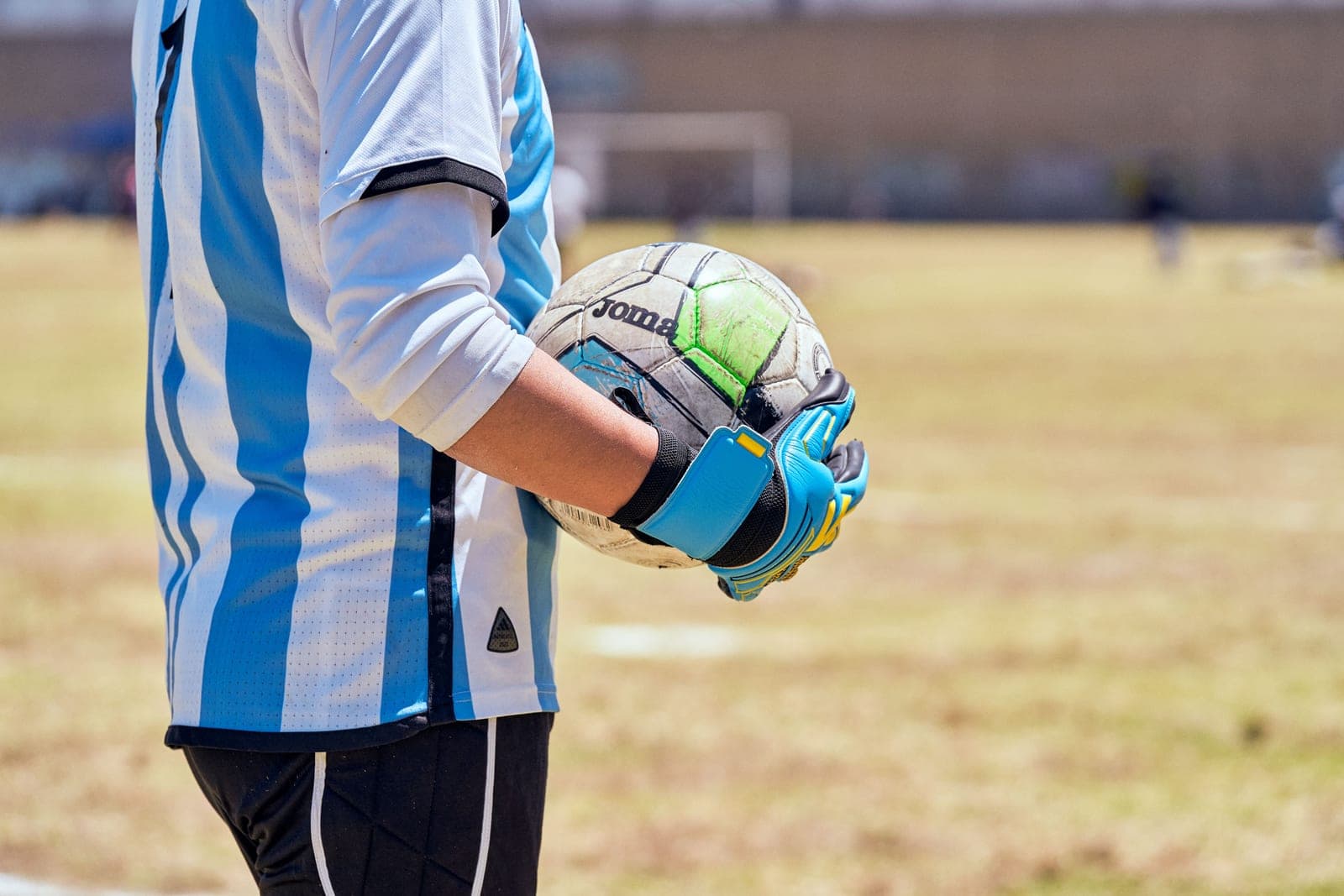
Nike Jr. Match Goalkeeper Gloves
Somebody has to go in goal now. For a kid rotating in for a quarter, a basic junior glove is exactly right and finger protection is unnecessary.
The ball is the one purchase you cannot skip
A size 3 ball at U10 is the wrong ball, and it is worth understanding why the sizes exist rather than treating it as bureaucracy. A ball too small for the player lets them get away with sloppy contact; a ball too large loads a growing leg and teaches them to toe-poke. Size 4 is calibrated for this age range for exactly that reason.
The good news is that size 4 covers a four-year stretch — U9 through U12 — so this is the ball purchase with the longest life. Buy a decent one. See the size 4 picks, and if you are unsure whether your kid is ready, size 3 vs size 4 covers the transition.
Cleats: the rec and travel split starts here
This is the first level where the honest recommendation genuinely diverges depending on how much your kid plays.
- Rec, one game and one practice a week — an entry-tier cleat is plenty. The Nike Mercurial Vapor Club or adidas Goletto covers it, and money is better spent on a ball and a rebounder. See the budget picks.
- Travel or two-plus sessions a week — the step up to an Academy-tier cleat starts to be worth it. Better plate, better upper, more cushioning underfoot, which matters once they are on a field three times a week. See the 10 year olds picks.
- Turf every week — a second, turf-specific pair becomes a genuinely good purchase rather than an indulgence. The spread-load turf outsole is the best thing you can do about turf-related foot soreness. See the turf shoe picks.
If you are trying to work out which side of that line your family is on, rec vs travel: what gear actually changes lays it out.
Shin guards: the age they get a vote
U9–U10 is where kids start objecting to bulky guards, and the objection is worth taking seriously — a guard they keep on protects more than a better one they remove at half time. Either style works at this age.
If they complain about the ankle cuff, a compression sleeve guard is the right compromise: lower profile than a strapped guard, far more secure than a bare slip-in. If they play in defense, stay with ankle protection a bit longer. The comparison covers the trade, and how to stop guards slipping covers the complaint that follows a move to slip-ins.
Gloves, because somebody is now the goalkeeper
In most rec setups every kid takes a turn in goal, and the right purchase for that is a basic junior glove — grip and a bit of palm padding, nothing more. Finger-protection gloves are for a kid who plays the position properly.
Size the glove by measuring across the palm in inches and adding one. There should be roughly a fingertip's gap at the end. Too tight and they cannot make a fist, which is the one thing a keeper must be able to do. See the glove size chart and the budget glove picks.
What comes next
At U11–U12 the ball stays size 4 and the format grows to 9v9 — and for a lot of families this is where the travel-club question gets answered one way or the other.
Common questions
What size soccer ball for a U10?
Size 4. AYSO lists the size 4 at 25.0 to 26.5 inches circumference and 12 to 14 ounces, covering the 10U and 12U divisions. That means one size 4 ball serves from roughly age 8 through 12.
What size soccer ball for a 9 year old?
Size 4, in almost every league. Age 9 sits at the start of the U9–U12 band where size 4 is standard. If your kid is moving up from a size 3, expect a short adjustment period — the ball feels noticeably heavier at first.
Does a U10 need turf shoes as well as cleats?
Only if they train on artificial turf regularly. For a mixed schedule, a multi-ground plate in one pair is the sensible answer. For a whole winter of turf training, a turf-specific outsole spreads the load across the foot and is the single best thing you can do about turf-related soreness.
What gloves does a rotating U10 goalkeeper need?
A basic junior glove. Grip and a little palm padding is all a kid playing one quarter in goal needs — finger-protection spines stiffen the glove and are aimed at players in goal every week. Measure across the palm and add an inch for the size.
Should a U10 move to an expensive cleat?
Only if the volume justifies it. One game and one practice a week is served perfectly well by an entry-tier cleat. Two or three sessions a week is where an Academy-tier plate, upper and sockliner start earning the extra money — and where a badly fitting cheap cleat starts causing blisters.
Sources
- AYSO — Size of Ball and Field by Age Division — Official ball sizes, circumference and weight ranges, and field dimensions by age division. Used for every ball-size and field-size figure on this site.
- US Youth Soccer small-sided playing formats — Player counts, game lengths and format progression (4v4, 7v7, 9v9, 11v11) by age group.