Heads up: we earn a commission if you buy through our links, at no extra cost to you. It never changes which product we recommend — here’s how that works.
The short answer
At ten, volume decides the tier. One game plus one practice: stay entry-tier.Two or three sessions a week: step up to the Academy tier for real cushioning and a better plate. Pick the line by foot width — Nike Mercurial narrow, adidas Copa Pure wide — and the plate by surface.
Ten is the first age where the honest recommendation splits in two. A rec player at ten plays roughly two hours a week on grass; a travel player might do six across grass, turf and occasionally indoors. Those are different problems and they have different answers, and most advice at this age fails by pretending otherwise.
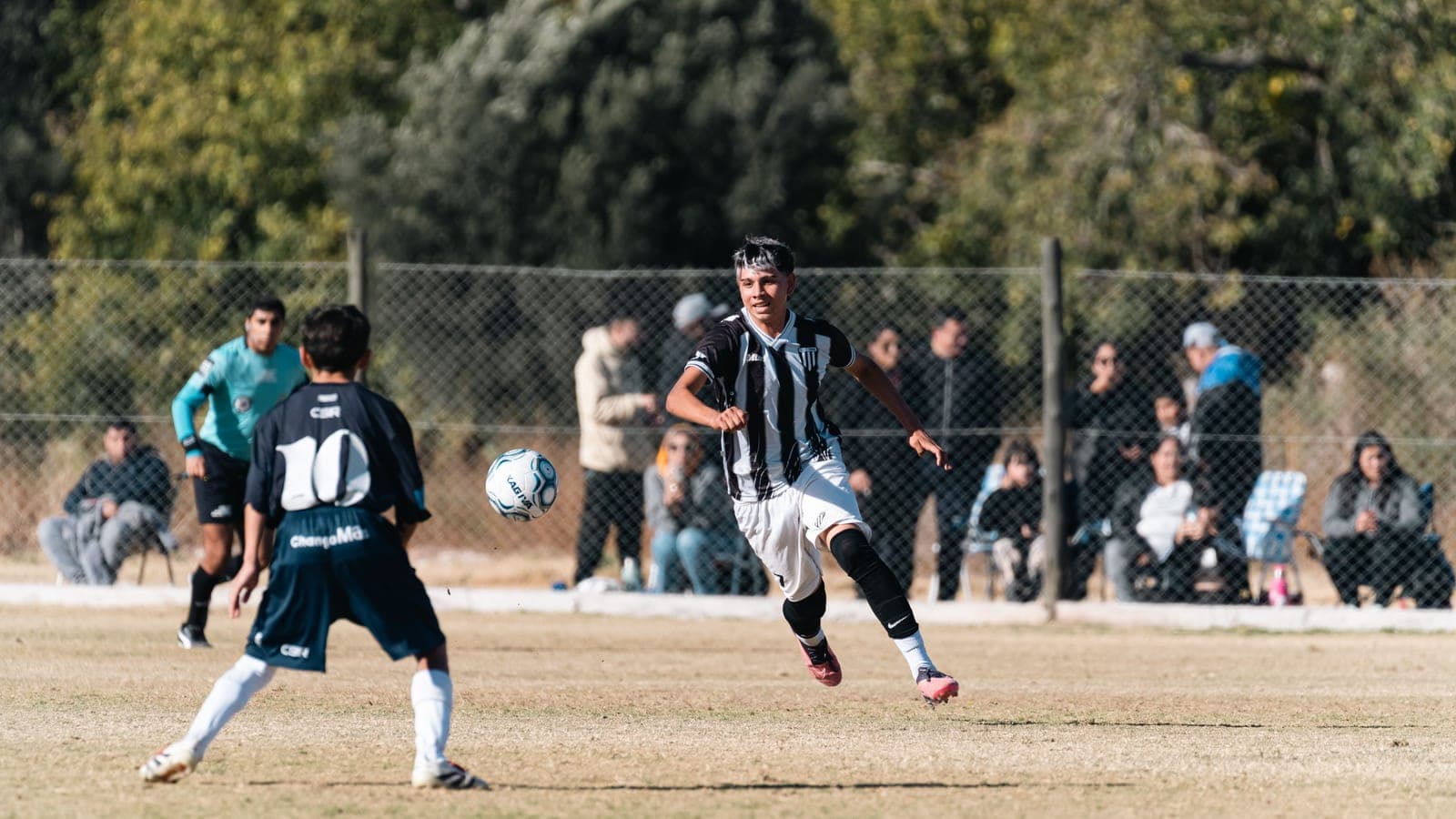
The format has also changed. U9–U10 is 7v7 with a goalkeeper on a pitch of roughly 55 to 65 yards — nearly double the length of the U8 field. That is real sprinting, which is where plates and stud patterns begin to matter for genuine reasons.
Start here
Pick by your kid’s level
The right answer changes with the level, not just the shoe size. Find your kid’s bracket and start there.
Tap any row to jump to the full write-up. We do not show prices because we do not hold live pricing — the button opens the current Amazon listing so you see today’s number rather than last month’s.
Nike Jr. Phantom GX II Academy FG/MGThe better Nike choice for a midfielder or defender who needs a reliable striking surface more than a few grams saved.
U9–U10, U11–U12, U13+ travel & club
FG/MG
Slightly more forefoot volume than a Mercurial at the same size.
adidas Goletto VIII Firm GroundThe sensible answer when the honest requirement is a cleat that survives one rec season and costs as little as possible.
U6, U7–U8 rec, U9–U10
FG
Runs slightly generous in width and true in length.
Product photos are licensed representative stock images, not photographs of the exact model.
Rec or travel? Start there
Rec (1–2 sessions)
Travel (3+ sessions)
Tier
Entry
Academy / mid
Pairs needed
One
Two — one never dries out
What breaks first
Nothing — outgrown first
Sockliner, then the upper
Worth upgrading
The ball, not the cleats
The cleats, genuinely
Scroll the table sideways on a narrow screen.
The second row is the one people miss. At three or more sessions a week, a single pair of cleats never dries out properly between uses, which rots the stitching and makes them smell. Two mid-tier pairs frequently costs less over a year than one top-tier pair replaced early. Rec vs travel: what gear actually changes works through the whole kit on this basis.
What the Academy tier actually buys you
Three concrete things, in descending order of how much a ten-year-old will notice them:
A thicker sockliner. The most noticeable difference. This is what stops a kid's feet aching after a midweek turf session.
A better upper. Holds its shape rather than creasing through at the flex point within two months of heavy use.
A stiffer, better-shaped plate. Real, and the least noticeable of the three at this age.
What it does not buy is a meaningful performance advantage. If your kid plays once a week, the Academy tier is a more durable cleat they will outgrow before the durability pays off.
Width still decides which line
Unchanged from the younger ages, and still the most useful fact about youth cleats: Nike's Mercurial line runs narrow, the Phantom has more forefoot room, adidas's Copa Pure is the roomiest mainstream option, and the Goletto is wide and cheap. PUMA's junior sizing runs short and snug at the heel, which makes it a line to try on.
Never fix a width problem with a bigger size. It gives you a cleat that is too long and still too narrow, with a heel that lifts every stride. The wide feet page covers the alternatives properly.
For 10 year old boys and 10 year old girls
Identical picks. Every model here is unisex at these sizes, and there is no divergence in foot shape at ten that affects which last fits. The variable that matters is individual width, which is why this page sorts by that rather than by who is wearing them.
The turf question gets sharper at ten
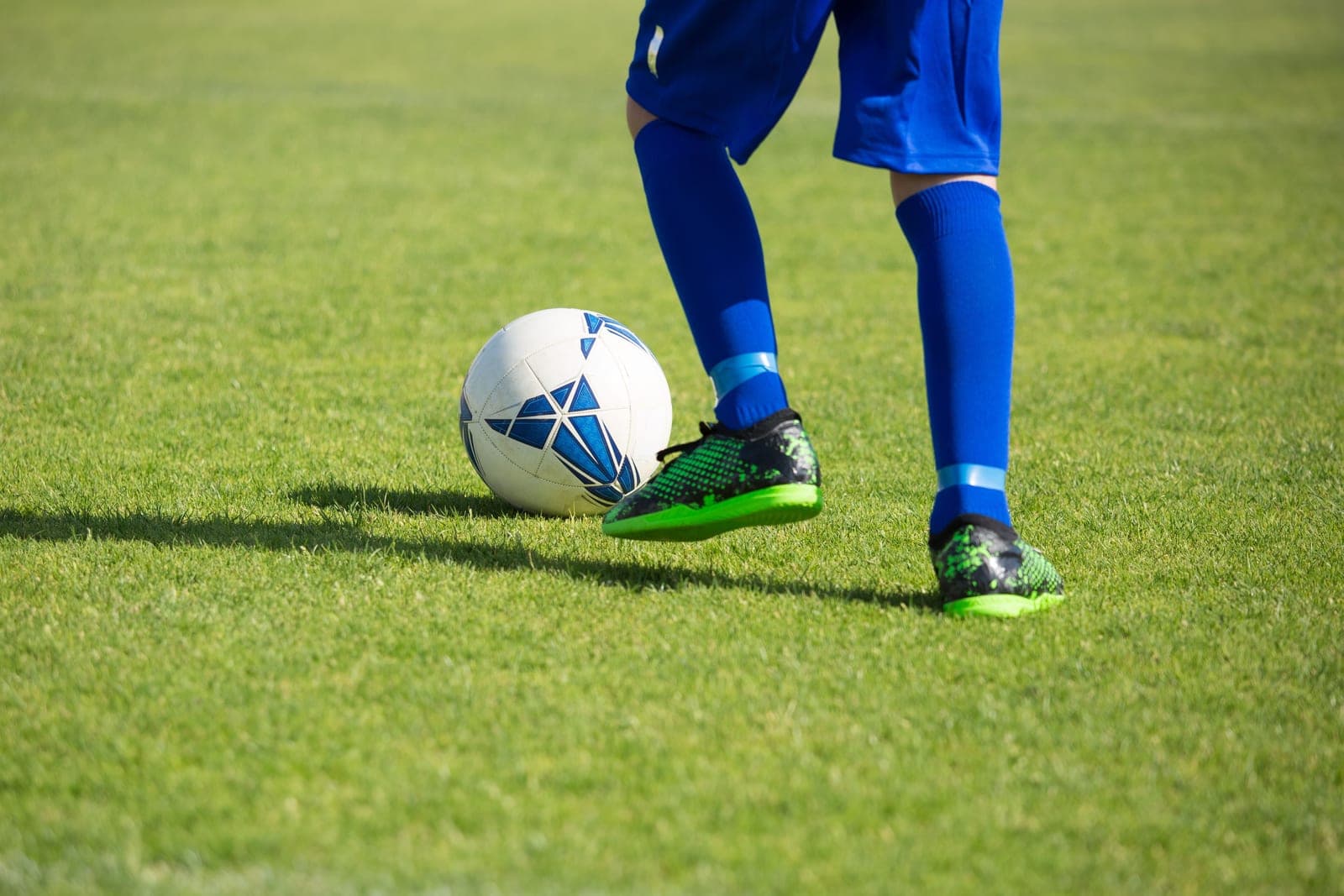
By ten, most club training happens on artificial turf, and the case for a turf-specific pair strengthens for a reason worth stating: the turf outsole's many short studs spread load across the whole foot, where firm-ground studs concentrate it on a few points. That is a comfort issue at eight and starts becoming a soreness issue at ten and eleven, particularly for kids going through a growth spurt.
If your kid is getting heel pain specifically, that is worth reading about rather than guessing at — cleats for Sever's disease and heel pain covers what a shoe can and cannot do about it, with the medical context cited.
1. Nike
Nike Jr. Mercurial Vapor 16 Academy FG/MG
Worth the step up only when the volume of play justifies it — two or three sessions a week, not one Saturday game.
Best for
A U10–U13 player who plays two or three times a week
Levels
U9–U10 · U11–U12 · U13+ travel & club
Type / surface
FG/MG
How it fits
Same narrow Mercurial shape as the Club. True to length. If the Club fit, this fits.
What we like
Noticeably better upper and plate than the Club tier, which matters once a kid is training midweek as well as playing weekends
Same last as the Club, so a player moving up from Club will not have to relearn the fit
Where it falls short
Costs meaningfully more than the Club for a difference a rec-only player will not notice
Still a narrow last — this is not the line for a wide foot
Manufacturer’s published specs
Step up from the Club tier within the same Mercurial 16 family (Nike)
FG/MG plate configuration
Low-top
Big kids' sizing
These are the manufacturer’s own claims, not measurements we took.
The safest default cleat for a rec player between U7 and U12, as long as the foot is average width or narrower.
Best for
The default first real cleat, U7 through U12
Levels
U7–U8 rec · U9–U10 · U11–U12
Type / surface
MG (multi-ground)
How it fits
Runs true to length but narrow. Order the regular size with a thumb's width at the toe and do not go up a full size to buy time — the heel will slip and blister.
What we like
Multi-ground plate means one pair covers a rec season split between grass and turf fields
The Club tier is the cheapest step into the Mercurial line, so the shoe looks like what the older kids wear without the Academy or Pro price
Wide size run from little kid up through big kid, so siblings can stay in one model
Where it falls short
Narrow through the midfoot like most of the Mercurial line — a genuinely wide foot will feel it
Synthetic upper does not stretch and mold the way leather does, so it will not grow with the foot at all
Manufacturer’s published specs
Synthetic leather upper with textured detailing for grip on the ball (Nike)
Molded studs on a plastic plate, rated by Nike for natural grass and artificial grass
Low-top collar
Sold in little kids' and big kids' sizing
These are the manufacturer’s own claims, not measurements we took.
Measure rather than converting from their last pair — ten-year-olds often move a full size in a season. Mark heel to longest toe, measure, and pick the size that leaves a thumb's width of room. Many ten-year-olds are near the top of big-kid sizing, where the junior ranges start running out.
Should a 10 year old have expensive soccer cleats?+
Only if they play enough to notice. One game and one practice a week is well served by the entry tier. At two or three sessions a week the Academy tier's thicker sockliner and better upper genuinely earn the money. The Pro tier is firm-ground only and rarely the right call at this age.
How often should a 10 year old get new soccer cleats?+
Usually every six to nine months, driven by growth more than wear. Check the fit every couple of months during the season — a thumb's width beyond the longest toe is the target, and less than that means they are finished regardless of condition.
Does a 10 year old travel player need two pairs of cleats?+
Effectively yes. At three or more sessions a week, one pair never dries out between uses, which rots the upper and makes them smell. A grass pair and a turf pair covers most club schedules, and two mid-tier pairs often costs less over a year than one expensive pair replaced early.
Nike or adidas for a 10 year old?+
Whichever matches the foot. Nike's Mercurial runs narrow and the Phantom is roomier; adidas's Copa Pure is the widest mainstream junior option and the Goletto is wide and cheap. If one brand has pinched your kid before, the answer is the other brand rather than a bigger size in the same one.
Nike — kids' soccer cleats and shoes — Verified that each Nike model named on this page is currently sold, and the source for Nike's own published upper, plate and surface descriptions.
adidas — kids' soccer — Verified current availability of the adidas models named here, plus adidas's published material and construction claims.
Vizari Sports — youth cleats and indoor shoes — Verified the Vizari models named here are currently sold, including the toddler size range and the indoor line, plus Vizari's published material claims.