Age 13 and up
U13 and up: size 5, full pitch, adult sizing
The last equipment change, and the first one where the expensive options are defensible.
By Ryder M. · Published September 27, 2026
Heads up: we earn a commission if you buy through our links, at no extra cost to you. It never changes which product we recommend — here’s how that works.
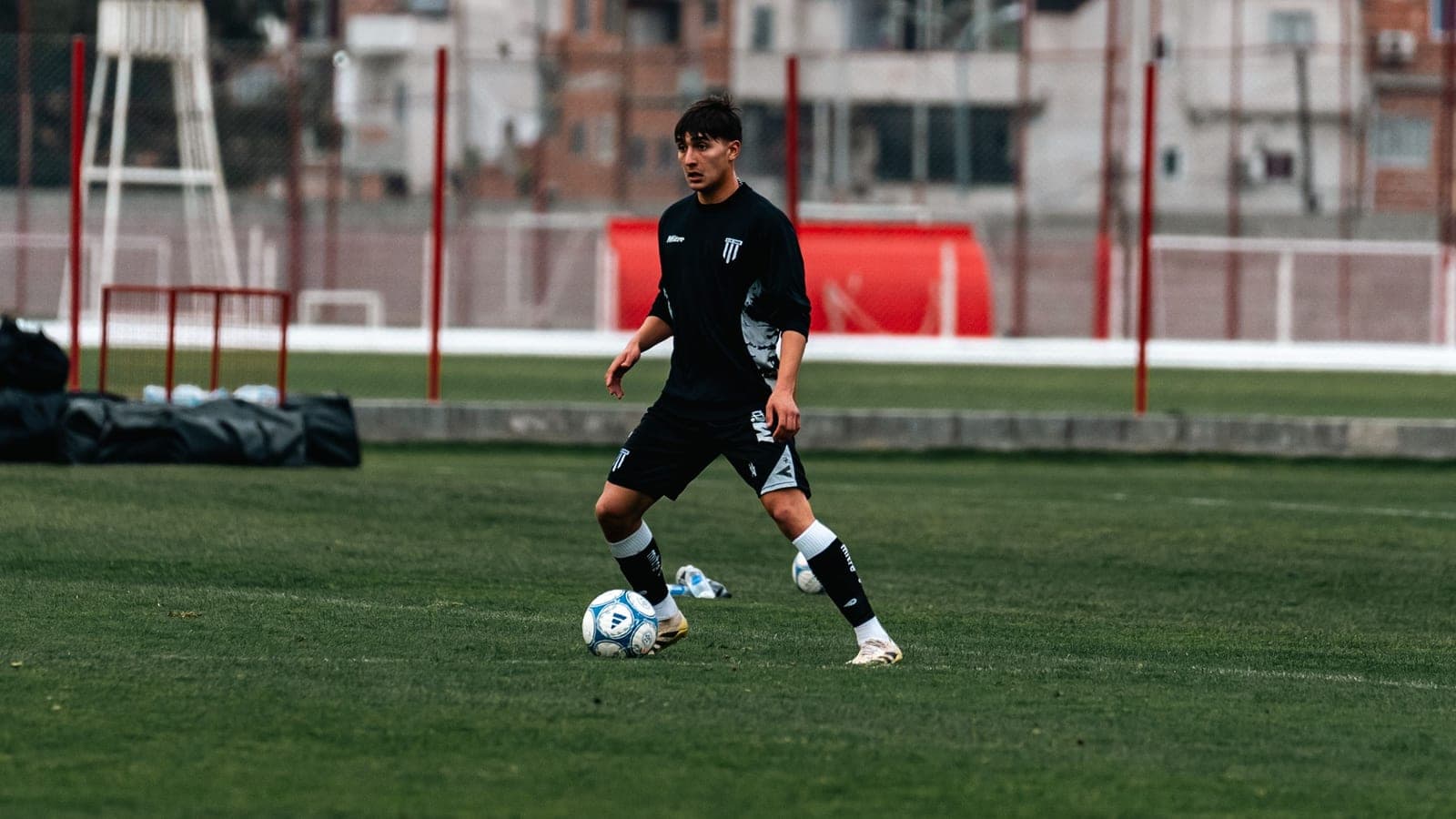
The short answer
From U13 the ball is size 5 — AYSO lists it at 26.5–28.0 inches circumference and 14–16 ounces for the 14U, 16U and 18U divisions, and it never changes again. The game moves to 11v11 on a full pitch under the standard Laws of the Game, and most players cross into adult footwear sizing.
This is the last time the equipment fundamentally changes. Size 5 is the ball for the rest of their playing life, 11v11 is the format, and the pitch is full size. From here the questions shift from what size to what quality.
What changes at U13
| U11–U12 | U13 and up | |
|---|---|---|
| Ball | Size 4 | Size 5 — 26.5–28.0 in, 14–16 oz |
| Format | 9v9 | 11v11 |
| Pitch | ~70–80 × 45–55 yards | Full size, ~100–130 × 50–100 yards |
| Footwear sizing | Youth / big kid | Often adult sizing |
| Position specialization | Emerging | Real — affects cleat choice |
The size 5 transition is a real adjustment
Going from a 12–14 ounce ball to a 14–16 ounce one is a bigger change than it sounds, and it lands at the same time as the pitch doubling. Expect a few weeks of shorter, less clean striking. The fix is repetition, not equipment.
This is also the first point where paying for a better ball is straightforwardly justified. A hand-stitched match ball flies more predictably, and a player striking it properly on a full pitch will feel that. See the size 5 picks and, for the transition itself, size 4 vs size 5.
The U13+ kit list
Start here
Pick by your kid’s level
The right answer changes with the level, not just the shoe size. Find your kid’s bracket and start there.
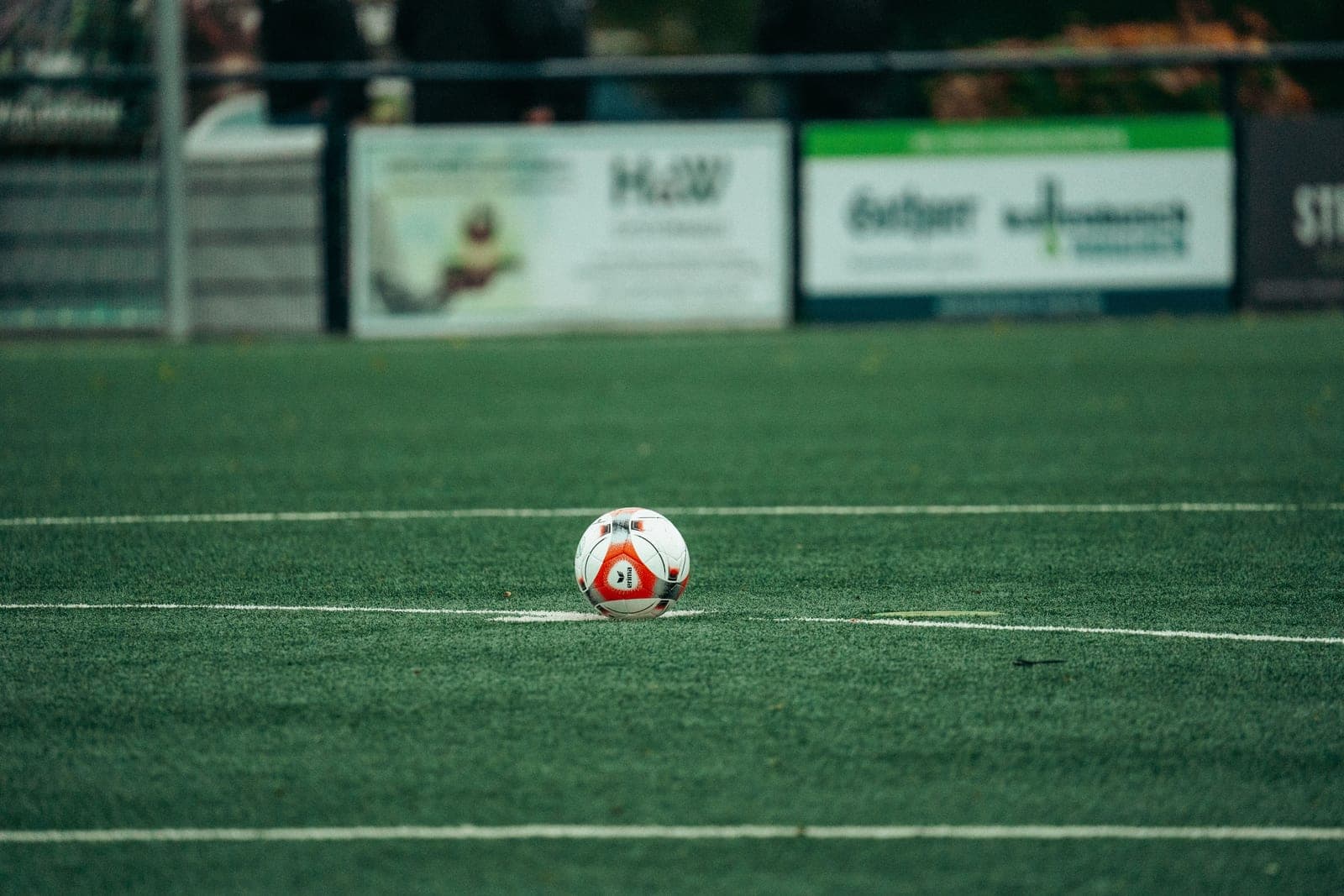
Select Numero 10
A proper size 5 match ball. At this level the flight difference over a rec ball is genuinely noticeable, which it is not at U9.
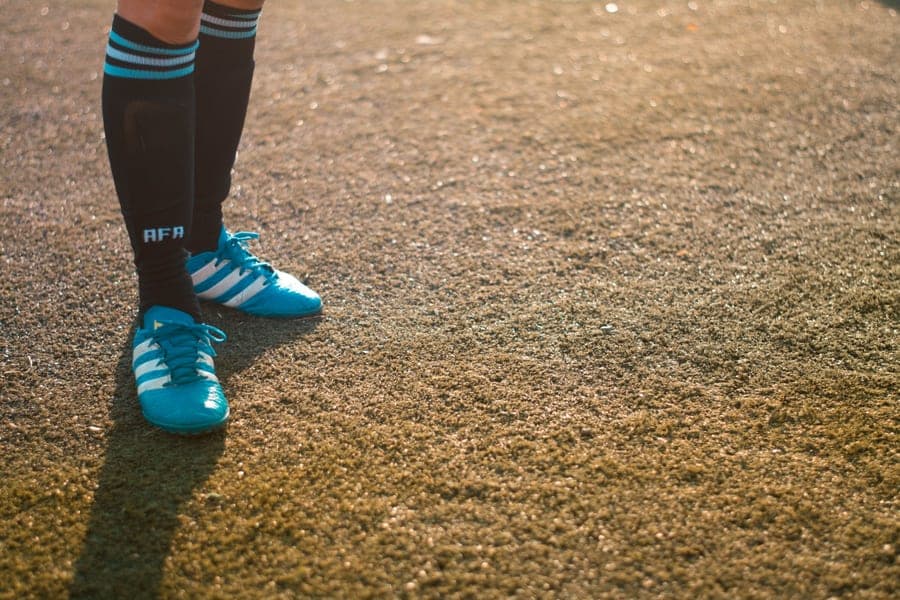
Nike United Jr. Mercurial Vapor 16 Pro FG
Firm-ground only and expensive, but a fast player on a grass pitch will feel it. Only worth it if their games are actually on grass rather than turf.
TRUsox 3.0 Mid-Calf Crew Grip Socks
Reduces foot movement inside the cleat, which is a real cause of blisters and lost touches at this volume. Genuinely hard to justify before now.
Cleats: position starts mattering
Under U12, cleat lines are mostly a style choice. From U13 the differences map onto how a player actually plays, and choosing by line rather than by colorway is worth doing.
- Speed lines (Nike Mercurial, adidas F50) — lightest, narrowest, thinnest upper. For a quick winger or full-back. Least protective and least forgiving on width.
- Touch lines (Nike Phantom, adidas Copa) — roomier, softer upper, a more predictable striking surface. For a midfielder or a player who needs reliable first contact.
- Leather-feel lines (Nike Legend/Tiempo) — the widest fit and the most comfortable, at some weight cost. Frequently the right answer for a broad foot at any position.
The Nike line comparison and the adidas line comparison go through this properly.
The surface decision also gets sharper. Firm-ground-only Pro-tier cleats are genuinely better on grass and genuinely worse on turf, and at this level a committed player usually ends up with a grass pair and a turf pair rather than one compromise plate. See the turf shoe picks.
Adult sizing changes where you shop
Most players cross into adult sizing somewhere in this band, and it is worth knowing what that does: the junior ranges vanish, the price goes up, and the fit options widen considerably. It also means the useful trick of buying a big-kid size for a small adult foot stops working.
One practical consequence for goalkeepers: adult small gloves fit many U13s badly, and the youth-specific ranges — Reusch's in particular — often fit a thirteen-year-old better than an adult small does. Measure rather than assuming they have graduated. See the glove size chart.
What is finally worth paying for
Three things that were poor value at U8 and are reasonable purchases now:
- A match-quality ball. Better flight, and durable enough to justify itself over a season of hard use.
- Grip socks. Real reduction in in-shoe movement at a volume where blisters are a recurring problem. See the sock picks.
- A proper training goal. An 8x5 in a real goal shape, because a teenager striking a ball needs a target that behaves like one. See the goals for teens picks.
And one thing that is still not worth it: anything sold on the basis that a professional wears it. A signature colorway costs more and performs identically.
Rec at U13 is a different purchase
Not every thirteen-year-old is at a club. A rec player at this age plays once a week on a full pitch with a size 5 ball, and almost nothing above the entry tier is worth buying for them — an entry-tier cleat and a decent size 5 ball covers it completely. Rec vs travel: what gear actually changes is the page for working out which set of advice applies.
Common questions
What size soccer ball for a 13 year old?
Size 5. AYSO lists the size 5 at 26.5 to 28.0 inches circumference and 14 to 16 ounces for the 14U division and up, and that is the ball size for the rest of their playing life.
When do kids switch to a size 5 soccer ball?
At U13, or 14U depending on the organization. It is the last ball-size change there is. Expect a short adjustment period — the jump from 12–14 ounces to 14–16 arrives at the same time as the pitch going full size.
Are Pro-tier cleats worth it for a 13 year old?
Only for a fast, committed player whose games are genuinely on natural grass. Pro-tier junior and adult cleats are firm-ground only, so a turf-heavy training schedule wastes their main advantage, and the thin upper offers less protection against a stray kick.
Does a U13 goalkeeper need adult gloves?
Not necessarily. Adult small gloves fit a lot of thirteen-year-olds badly — the finger stalls end up the wrong length relative to the palm. Measure across the palm and add an inch, and check the youth-specific ranges, which are built on a genuine youth last rather than scaled down from adult.
How often do U13+ players need new cleats?
Once growth slows, wear takes over as the driver — typically one pair per season of heavy use, or less. That is a real change from the six-to-nine-month replacement cycle of the younger ages, and it is part of why spending more per pair starts making sense here.
Sources
- AYSO — Size of Ball and Field by Age Division — Official ball sizes, circumference and weight ranges, and field dimensions by age division. Used for every ball-size and field-size figure on this site.
- US Youth Soccer small-sided playing formats — Player counts, game lengths and format progression (4v4, 7v7, 9v9, 11v11) by age group.