Goalkeeper
How to break in goalie gloves
A new pair is not broken in by wearing them — it is broken in by washing them before you do.
By Ryder M. · Published October 10, 2026
The short answer
- Pre-wash before first use. Rinse off loose dust, then soak and gently massage the palms in warm water, maximum 30C.
- Squeeze the water out — never twist. Wrap in a towel and press; do not scrub.
- Dry naturally for about 24 hours, away from heat, radiators and direct sunlight.
- Repeat once if you want full confidence the latex is ready.
- Dampen the palms lightly before kickoff. Latex is not designed to be dry.
A brand new pair of keeper gloves grips worse than the pair they replaced, and every young keeper notices within one session. It is not a bad glove and it is not bad luck. New latex arrives coated in preservatives from the manufacturing process, and until those come off, the pores that do the gripping are sealed.
So breaking in a keeper glove is not like breaking in a cleat. There is no stretching, no softening, no wearing them round the house. There is one wash, done before the first game rather than after it.
Why the pre-wash works
Glove makers publish this themselves. The One Glove Co's care guide opens its maintenance list with exactly this instruction: pre-wash a new pair before using them for the first time and allow them to dry naturally, in order to remove any preservatives from the manufacturing process. The guide states that this activates the latex and ensures you get the maximum grip from the gloves — and that if you want absolute confidence they are ready, a second pre-wash is a good idea.
The other half of the same point is that latex is not designed to be dry. That is why professionals squirt water on their palms, or spit on them, mid-game — damp latex grips, dry latex skates. A glove that has been pre-washed and is lightly damp at kickoff is doing what it was built to do.
The pre-wash, step by step
- Rinse the palms under a warm tap and lightly rub off any loose surface dust.
- Fill a sink with warm water — 30C maximum. Hotter water damages latex rather than cleaning it faster.
- Submerge, squeeze and soak the gloves. A minute or two is plenty.
- Massage the palm latex gently under the water with your fingers. A dedicated glove wash helps; plain water does a decent job on a new pair, because there is no dirt to lift yet.
- Squeeze all the excess water out, including the fingertips. Do not twist — twisting stresses the seams and the latex.
- Wrap them in a towel and press to soak up the remaining water. Do not wipe or scrub with the towel; that tears pieces of latex off the palm.
- Leave them to dry naturally for about 24 hours, out of direct heat and sunlight, with the palms not touching each other.
Gloves worth doing this properly for
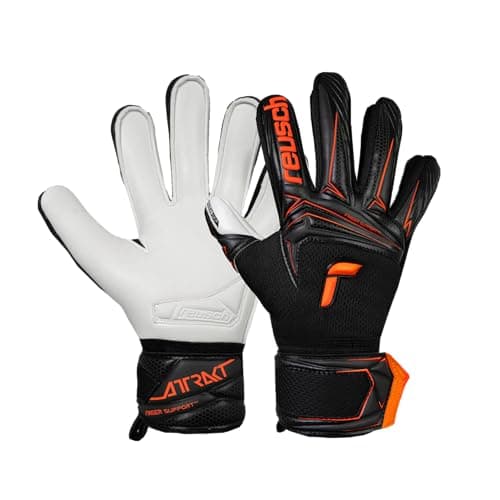
Reusch
Reusch Attrakt Advance Finger Support Junior
The best-fitting youth keeper glove here, and the right pick for a kid who genuinely plays in goal every week.
$54.99View on Amazon#ad — we may earn a commission · price as of October 16, 2026
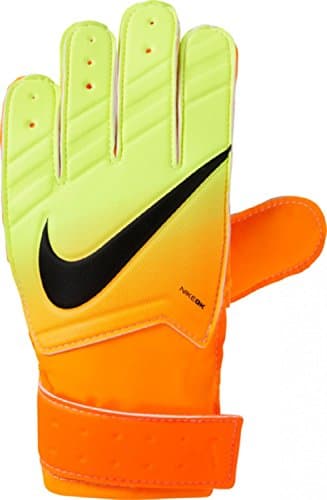
Nike
Nike Jr. Match Goalkeeper Gloves
The sensible glove for a rotating rec keeper, and not enough glove for a kid who plays the position properly.
$20.00View on Amazon#ad — we may earn a commission · price as of October 16, 2026
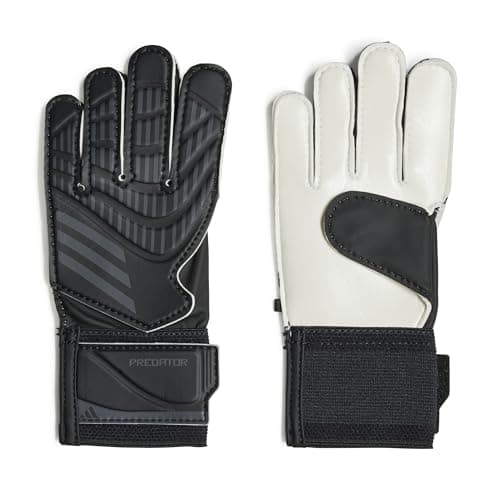
adidas
adidas Youth Predator Training Goalkeeper Gloves
A fine first glove to find out whether your kid actually wants to be a keeper.
$23.60View on Amazon#ad — we may earn a commission · price as of October 16, 2026
Product photos come from each item’s current Amazon listing.
Four things that will ruin a new pair
- Hot water. Above about 30C you are cooking the latex, not activating it. The same applies to a washing machine's warm cycle.
- Any heat source to speed up drying. Radiators, tumble dryers, hair dryers and sunny windowsills all dry the natural moisture out of latex and leave it brittle, which means it tears instead of wearing.
- Scrubbing with a towel. Press, do not rub. A towel dragged across soft wet latex lifts pieces off the palm.
- Drying or storing them with the palms touching. They stick, and peeling them apart tears the surface. Face the palms outward.
One more that is specific to young keepers: do not let them wear a brand new pair to a turf session as the break-in. Artificial surfaces put latex under much higher stress than grass, which means a glove's hardest first outing is also the one most likely to scuff a palm that has not been activated yet. The turf glove picks exist for precisely this reason.
What about stiffness and spines?
If the complaint is not grip but stiffness, the pre-wash will help a little and the glove design is doing the rest. Finger-protection gloves are stiffer by construction: fixed spines like adidas's Fingersave do not soften meaningfully, while Reusch's Finger Support spines are designed to adapt to the shape of the finger. Neither is a break-in problem, and neither gets fixed by bending the glove backwards in the car.
A glove that is stiff enough that a keeper cannot close their hand is the wrong size or the wrong glove, not an unbroken-in one. The fist test settles it: have them make a fist, and if they cannot close the hand comfortably, the glove is too small or too stiff whatever the size chart said. Finger protection vs no finger protection and the glove size chart cover both of those.
After the first pre-wash, the routine is the same every session: wash after use, squeeze, dry naturally, store cool with palms apart. That is the whole care routine, and it is also what decides how long the pair lasts. How to wash goalie gloves is the ongoing version of this page.
Common questions
Do you need to break in goalie gloves?
Not in the way you break in cleats. There is no stretching or softening to do. What a new pair needs is a pre-wash before first use, because manufacturing preservatives on the latex seal the pores that provide grip. Glove makers recommend this themselves, and a second pre-wash if you want to be sure.
How do you break in new goalie gloves?
Rinse the palms under a warm tap, soak and gently massage them in warm water no hotter than 30C, squeeze the water out without twisting, press them in a towel rather than scrubbing, and leave them to dry naturally for about 24 hours away from heat and sunlight with the palms not touching. Do it the day before a game, not the morning of.
Why are my new goalie gloves slippery?
Because the latex has not been activated yet. New gloves carry preservatives from the manufacturing process that seal the latex pores, and until they are washed off the palm grips noticeably worse than a used glove. A pre-wash fixes it; so does the fact that latex is meant to be slightly damp in play rather than dry.
Should you wet goalie gloves before a game?
Lightly, yes. Latex is not designed to be dry, which is why professionals squirt water on their palms mid-match. Damp palms grip better than dry ones. What you do not want is a layer of standing water between the latex and the ball, so dampen rather than soak.
Can you put goalie gloves in the washing machine?
Don't. Hand wash in warm water at a maximum of 30C, squeeze rather than twist, and air dry naturally. A machine cycle combines heat, detergent and mechanical agitation, all three of which degrade latex, and a dryer is worse still — heat dries the natural moisture out and leaves the palm brittle.
How long does it take to break in goalie gloves?
One wash and about 24 hours of natural drying. The drying time is the constraint, not the washing, which is why the job gets done the evening before a game rather than in the parking lot. If you want full confidence the latex is ready, run a second pre-wash.
Sources
- The One Glove Co — goalkeeper glove care guide — A glove manufacturer's own care guide and the source for the glove-care facts quoted on this site: pre-wash a new pair before first use and let them dry naturally, to remove manufacturing preservatives from the latex and activate it; dampen the palms occasionally in use because 'latex is not designed to be dry'; wash immediately after use in warm water at a maximum of 30C, squeeze rather than twist the water out, and dry naturally away from direct heat or light, since heat and UV dry the latex out and make it brittle; wrap in a towel and press rather than scrub; allow about 24 hours to dry, then store cool and out of direct sunlight with the palms not touching, because palms left in contact stick together and tear when peeled apart; never store them unwashed. Also the source for the wear facts: latex wear is normal and 'can even start from the very first save'; latex degradation depends on the surface and the volume of saves; gloves are predominantly designed for natural surfaces unless a specialist 3G/astro latex is specified, and 'if you are using a goalkeeper glove on an artificial surface such as 3G or astro turf you will be placing a higher level of stress on the latex, therefore it will wear much quicker'; negative-cut gloves show wear on the fingers and thumbs quicker than looser cuts because of the tighter fit and internal stitching, while roll finger and classic-fit cuts fare better; and using the palms to push up off the ground in training adds avoidable wear.
- The One Glove Co — goalkeeper glove latex guide — A manufacturer's latex guide, cited for two points: that its durability ratings explicitly assume the care routine is followed and that 'durability depends on how well you care for them and what surface you play on', and that entry-level latex is positioned for kids and recreational players to 'be used and abused' while technique develops rather than as a compromise.
- Reusch Attrakt Advance Finger Support Junior goalkeeper gloves — The retailer spec sheet for the junior Reusch glove this site recommends, and the source for its cut: an Evolution Negative Cut, described as wrapping the latex around the fingertips for a second-skin feel and improved ball control, with Grip Advance latex, DURAGUARD reinforcement in the high-wear zones, integrated Finger Support that stabilizes all fingers and the thumb, AIRVENTSYSTEM mesh panels, and a construction Reusch states is tailored specifically to junior keepers.
- Reusch — Attrakt goalkeeper gloves — Reusch's own description of the Finger Support system, AirVent ventilation and its youth sizing range.
Read next
- How to wash goalie glovesThe washing and drying routine that extends latex grip, and the one mistake that cracks a palm.
- How long do goalie gloves last?Why keeper gloves wear out, what surface and cut do to lifespan, the four signs a pair is finished, and how to stretch the next one.
- Youth goalie glove size chartGlove sizes by age and palm measurement, plus the fist test that tells you whether the fit works.
- Goalie gloves with or without finger protectionThe injury finger spines prevent, the feel they cost, and a decision table for which kids need them.
- Best goalie gloves for turfKeeper glove picks for turf and artificial grass, where match latex wears out in weeks — and the two-pair strategy that costs less than one good pair.