Heads up: we earn a commission if you buy through our links, at no extra cost to you. It never changes which product we recommend — here’s how that works.
The short answer
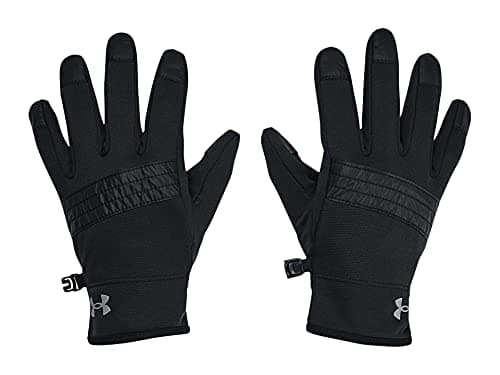
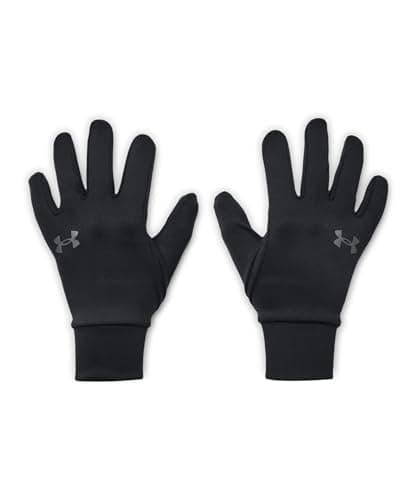
Buy first: a thin glove, not a warm one. The Under Armour Storm Liner is the default — water repellent, touchscreen tips, and thin enough that a throw-in still works.
If the budget is the point: the Kwik Goal Classic Player Gloves are the club-standard knit glove and cost a fraction of everything else here, with interior grips built for throw-ins.
For the youngest players: almost nothing soccer-branded fits a U6 hand. The SIMARI kids' glove has the size run and a grip palm.
For a real winter: step up to fleece — the UA Storm Fleece or the Nike Club Thermal Fleece — and accept that the ball will feel different.
The rule: gloves are permitted equipment under Law 4, but nothing that changes how the ball comes off the hands on a throw-in is worth the warmth.
Field-player gloves are the one piece of youth soccer kit that parents buy wrong in a predictable direction. The instinct on a cold morning is to buy the warmest glove in the shop, and the warmest glove in the shop is a ski glove, and a child in a ski glove cannot take a throw-in. They will have it off by the second half and in a puddle by the third.
So this page is sorted by the trade rather than by warmth. Everything here is a glove a field player can actually play in, ordered from the thinnest to the warmest, with the point at which the thickness starts costing you spelled out. Goalkeepers are a separate problem entirely — goalkeeper gloves are padded, sized by hand circumference and built for a different job.
The criteria, before the picks
Four things decide whether a cold-weather glove gets worn for the whole season or abandoned in October, and warmth is only one of them.
Can they take a throw-in? This is the test. A throw-in is the one moment in a field player's game where the hands have to grip something precisely, and it is the moment every bulky glove fails. If the glove changes it, the glove comes off.
Is there a grip surface on the palm? Silicone, rubber or a microfiber palm. Plain fleece or plain knit on a wet ball is worse than a bare hand, which is a genuinely counterintuitive thing about this category.
Does it come in their size? Most gloves marketed to soccer players start at an adult XS. Below about U10 you are usually buying from a general kids' winter range instead, and that is fine as long as the palm is right.
What happens when it gets wet? Everything here gets wet. Water-repellent treatments buy twenty minutes; what matters after that is whether the fabric dries or stays cold and heavy.
Start thin: liners and knit gloves
For most youth soccer in most of the US, the correct glove is a thin one. A fall and spring season in a temperate state never gets cold enough to need insulation; it gets cold enough that hands hurt, and a thin layer fixes that completely.
The Under Armour Storm Liner is the default here and the reason is the combination rather than any single feature: Under Armour states it is a thin fitted liner that can be worn alone or under a heavier pair, with dual-layer ColdGear fabric, a fluorine-free water-repellent Storm treatment and touchscreen-capable thumb and index fingertips. Thin enough for a throw-in, repellent enough for dew, and cheap enough that losing one over a season is survivable — which they will.
The cheaper answer, and the one most clubs already own a box of, is the Kwik Goal Classic Player Glove: 95% knit acrylic and 5% Spandex, with interior grips Kwik Goal states are there to enhance a player's grip for throw-ins. It is sold in XS, S, M and L with no youth-specific band, which makes it realistically a U10-and-up glove, and it has no water resistance whatsoever. At its price, neither of those is an argument against owning a pair.
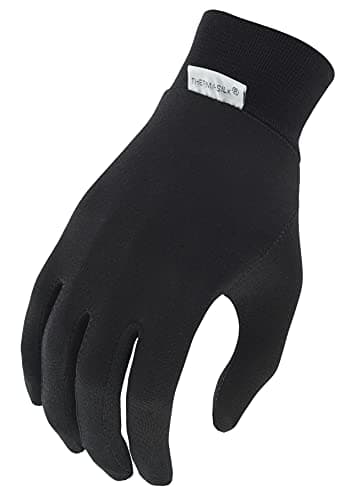
At the extreme thin end sits the Terramar Thermasilk liner — 100% filament silk interlock with a brushed interior, fast drying, with odor control and UPF in the fabric. Terramar sells it as a layer to pair under nearly any winter glove, and that is exactly how to think about it. It is also the answer for the specific child who refuses gloves because they cannot feel the ball, because it is barely there.
Start here
Pick by your kid’s level
The right answer changes with the level, not just the shoe size. Find your kid’s bracket and start there.
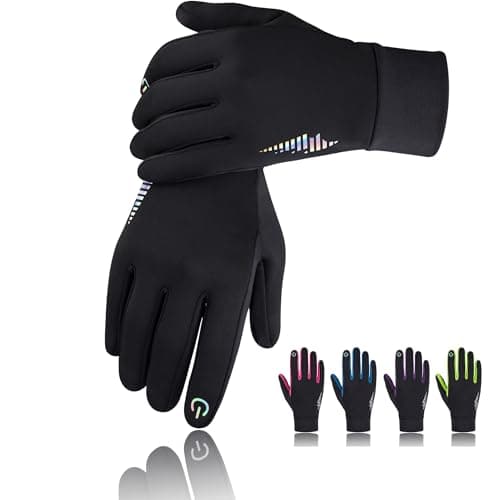
SIMARI Kids Winter Gloves with Touchscreen, Water-Resistant, Warm Thermal, Windproof
Nothing soccer-branded fits a five-year-old's hand. A general kids' winter glove with a silicone-gel palm and a size run that starts at age 3 is the honest answer, and at this level nobody is taking a technical throw-in anyway.
The age the thin glove starts to matter: hands get cold, throw-ins start being taught, and a liner does both. Genuine kids' sizing and touchscreen tips they will not use for another four years.
Same glove, and this is its best age. If your season runs into real winter rather than a chilly fall, the Storm Fleece is the same brand one step warmer with a microfiber grip palm.
Throw-ins are now a skill with technique attached, and the silicone grip palm is the feature worth paying for. Knitted stretch covers a growing hand across a wide band.
For a player who trains outdoors all winter, the only glove here built and sold specifically as a field player's winter glove. For everyone else at this age, the Kwik Goal knit at a fifth of the price does most of the job.
Tap any row to jump to the full write-up. The price in each button is the one Amazon reported on the date stamped under it — tap through for today’s number, which is the only one that can be relied on.
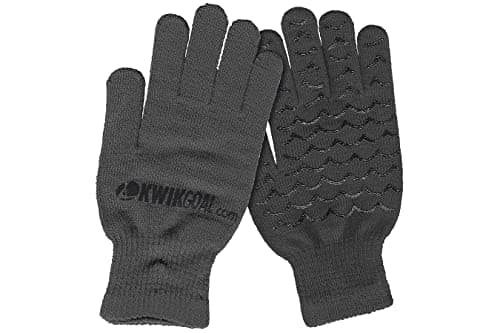
Kwik Goal Classic Player GlovesThe glove most clubs already have a box of, and the right first purchase: cheap enough to lose, thin enough not to change the touch.
U9–U10, U11–U12, U13+ travel & club
Knit field-player glove
Sized XS to L with no kids' band, so this is realistically a U10-and-up glove.
Under Armour Boys' Storm Fleece GlovesThe cold half of the Under Armour pair: buy this instead of the liner if your season runs into real winter rather than just a chilly fall.
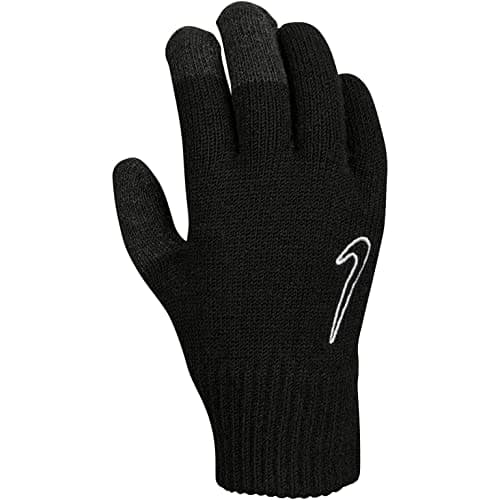
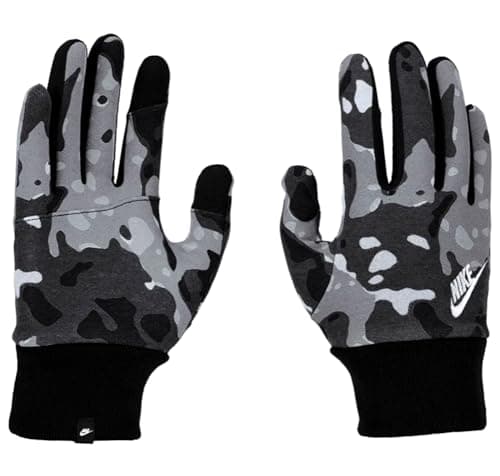
Nike Club Soft Thermal Fleece Gloves (Youth)Buy it for the sideline and the bench rather than for playing in — it is the warmest-for-the-money youth glove here and the least useful on the ball.
U7–U8 rec, U9–U10, U11–U12, U13+ travel & club
Fleece glove
Youth S, M and L, listed by colorway, so the size and the color are picked together on the same listing — check both before ordering.
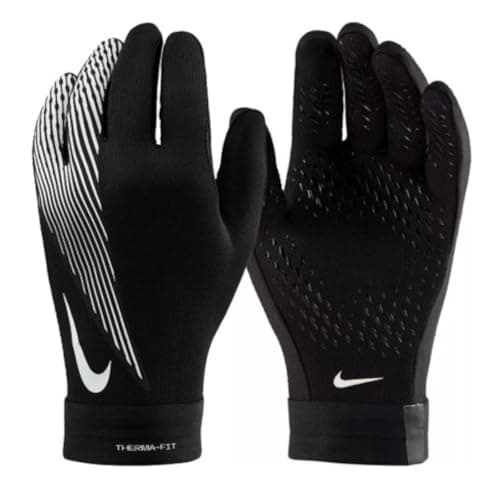
Nike Academy Thermafit Player GloveThe real thing, at a real price: worth it for a U13+ who trains outside through winter, and hard to justify for anyone else.
U13+ travel & club
Thermal field-player glove
Adult sizing, which rules it out for younger players entirely.
Product photos come from each item’s current Amazon listing.
When thin stops being enough
Below roughly freezing, and especially in wind, a liner stops working and the honest move is to accept a thicker glove and the cost that comes with it.
Two things change with a fleece glove. The first is obvious: the player will feel it on a throw-in. The second is less obvious and more important — a fleece glove needs a grip surface more than a thin one does, because the extra bulk already costs control. Under Armour's Storm Fleece has woven overlays and a microfiber palm; Nike's Club Thermal Fleece has neither, and is genuinely a warmth glove rather than a playing glove. That is not a criticism of it. It is the warmest-for-the-money youth option here and the right thing for a substitute on a bench, which is a real need on a cold Saturday.
Warmth and construction as the manufacturers describe them. The throw-in and wet-weather columns are editorial judgments from the published constructions, not measurements — nothing here has been tested by us.
Glove type
Warmth
Throw-in
Wet weather
Buy it for
Silk liner
Lowest
Unaffected
Dries fast, no grip
The kid who refuses gloves, or layering
Knit field glove
Low to medium
Unaffected, grip improved
Soaks through, keeps some warmth
Most players, most seasons
Technical liner (Storm)
Medium
Unaffected
Repellent for a while
The default purchase
Thermal fleece
Highest
Noticeable
Soaks and stays heavy
Real winter, and the bench
Ski or snow glove
Highest
Impossible
Good
Not soccer. Leave it in the car
Scroll the table sideways on a narrow screen.
1. Under Armour
Under Armour Boys' Storm Liner Gloves
The one cold-weather item kids ask for unprompted, and the cheapest of the three.
Best for
Cold hands at training, U6 and up
Levels
U6 — first kicks · U7–U8 rec · U9–U10 · U11–U12 · U13+ travel & club
Type / surface
Liner glove
How it fits
Sized in kids' size bands rather than by hand measurement. These are a field player's gloves — a goalkeeper needs actual goalie gloves, not a liner.
What we like
Thin enough that a field player can still take a throw-in properly, which rules out most warm gloves
Water repellent rather than waterproof, which is the right trade for a glove that has to stay thin
Cheap enough that losing a pair over a winter is survivable, and they will lose a pair over a winter
Where it falls short
A liner is not a warm glove on its own below freezing — Under Armour sells it as a layer, and that is what it is
Thin knit snags on hook-and-loop fastenings and turf, so it will not last multiple seasons
Manufacturer’s published specs
Thin, fitted liner gloves to wear alone or under a heavier pair (Under Armour)
Dual-layer ColdGear fabric
Fluorine-free water-repellent UA Storm treatment
Touchscreen-capable thumb and index fingertips
87% polyester / 13% elastane
These are the manufacturer’s own claims, not measurements we took.
The glove most clubs already have a box of, and the right first purchase: cheap enough to lose, thin enough not to change the touch.
Best for
The club-standard field glove, and the cheapest thing that works
Levels
U9–U10 · U11–U12 · U13+ travel & club
Type / surface
Knit field-player glove
How it fits
Sized XS to L with no kids' band, so this is realistically a U10-and-up glove. Buy the smallest size that goes on — a knit glove stretches and a loose one slides on a throw-in, which is the opposite of the point.
What we like
The cheapest glove here by a wide margin, which matters in a category where the realistic lifespan is one season and the realistic loss rate is one glove
The interior grip is the only one on this page aimed specifically at the throw-in, which is the one moment a field player's hands have to do something precise
Thin knit, so it does not change how the ball feels off the laces — the failure mode of warm gloves
Where it falls short
No youth or junior size in the run: XS is the smallest, and on a U9 hand that is still a loose fit
Acrylic knit has no water resistance at all, so a wet morning soaks them within twenty minutes
No touchscreen fingertip, which matters to a teenager and not at all to a nine-year-old
Manufacturer’s published specs
95% knit acrylic, 5% Spandex (Kwik Goal)
Interior grips Kwik Goal states are there to enhance a player's grip for throw-ins (Kwik Goal)
Sold in XS, S, M and L (Kwik Goal)
Described by the brand as a field-player item for warmth and functionality when temperatures drop
These are the manufacturer’s own claims, not measurements we took.
The best balance on this page for an older youth player: a real soccer glove with a real grip palm, still thin enough to play in.
Best for
A U11+ player who wants a soccer glove rather than a winter glove
Levels
U9–U10 · U11–U12 · U13+ travel & club
Type / surface
Knit training glove
How it fits
Youth sized in broad bands rather than by hand measurement, and the knit stretches considerably. If a player is between bands, the smaller one will still go on and will grip better.
What we like
The silicone grip is the detail that separates a soccer glove from a winter glove — it holds a wet ball on a throw-in where plain knit slips
Knitted stretch means one size band covers a wide hand range, which is useful on a hand that is still growing
Thin enough that it genuinely does not change the feel of striking the ball
Where it falls short
Acrylic knit with no stated water resistance, so it is a cold-and-dry glove rather than a cold-and-wet one
Sold in broad size bands (Small/Medium), so the fit is approximate rather than fitted
Costs roughly three times the Kwik Goal for a grip upgrade a rec player will rarely notice
Manufacturer’s published specs
95% acrylic, 5% spandex (Nike)
Knitted stretch fabric with an elasticated cuff (Nike)
Silicone grip on the palm (Nike)
Touchscreen fingertip (Nike)
Listed in a Small/Medium youth size
These are the manufacturer’s own claims, not measurements we took.
The cold half of the Under Armour pair: buy this instead of the liner if your season runs into real winter rather than just a chilly fall.
Best for
Genuinely cold mornings, U8 and up
Levels
U7–U8 rec · U9–U10 · U11–U12 · U13+ travel & club
Type / surface
Fleece glove
How it fits
Sized in kids' bands (YMD, YLG). Fleece has very little stretch compared with knit, so a glove on the small side will be genuinely tight rather than snug — size to the hand they have now.
What we like
Warmer than any liner on this page, which is the whole reason to own it — below about freezing a thin glove stops being enough
The microfiber palm is a real grip surface rather than bare fleece, so it survives being used to pick a ball up off wet grass
Sold in a genuine youth size run rather than an adult small
Where it falls short
Thick enough that a player will notice it on a throw-in, which is the trade you make for the warmth
Water repellent, not waterproof — a long wet session soaks the fleece and then it is colder than nothing
The most expensive of the two Under Armour options for a difference a mild climate never needs
Manufacturer’s published specs
UA Storm technology, which Under Armour states repels water without sacrificing breathability
Armour Fleece, described as light, breathable and stretchy (Under Armour)
Brushed interior to trap heat (Under Armour)
Tech Touch on thumbs and index fingers for touchscreens (Under Armour)
Woven overlays and a microfiber palm for durability and grip (Under Armour)
These are the manufacturer’s own claims, not measurements we took.
SIMARI Kids Winter Gloves with Touchscreen, Water-Resistant, Warm Thermal, Windproof
The pick for the ages nobody else makes gloves for, and the cheapest way to get a grip palm and a touchscreen tip on the same glove.
Best for
The budget pick, and the youngest players, U6 and up
Levels
U6 — first kicks · U7–U8 rec · U9–U10 · U11–U12
Type / surface
Thermal fleece glove
How it fits
Sized by broad age bands rather than by hand measurement, which is the main weakness. Buy to the hand, not the birthday, and expect the band above to be loose rather than roomy.
What we like
The only glove here with a size run that genuinely starts at the youngest end, which is the whole problem with this category
A silicone-gel grip palm at a price well under the branded knit gloves, and it does the same job on a throw-in
Reflective stripes are a real safety feature for a 5 p.m. practice in November, and nothing else here has them
Where it falls short
A generic marketplace brand rather than a soccer one: no club will stock them, and a listing can change supplier between orders
Bulkier than a knit soccer glove, so an older player will feel them on the ball
The size bands cover ages 3 to 15 in a handful of steps, so the fit is approximate at best
Manufacturer’s published specs
Stretchy spandex with thermal polar fleece (SIMARI)
Conductive PU leather on the index finger and thumb tips for touchscreens (SIMARI)
Water-resistant coating and an elastic cuff SIMARI states blocks wind (SIMARI)
Anti-slip silica gel on the palm and fingertips, which SIMARI names for gripping in cold-weather soccer (SIMARI)
Reflective stripes; sized by SIMARI for ages 3 to 15
These are the manufacturer’s own claims, not measurements we took.
The answer for the kid who will not wear gloves: thin enough to be forgotten about, and the only one here that layers under something warmer.
Best for
The thinnest possible layer, and for wearing under a warmer glove
Levels
U7–U8 rec · U9–U10 · U11–U12 · U13+ travel & club
Type / surface
Silk liner glove
How it fits
Kids' sizes run by letter and the silk has almost no stretch, so an exact size matters more than it does with a knit glove. Measure the hand rather than guessing from age.
What we like
Thinner than anything else here, so a player who refuses gloves because they cannot feel the ball will usually accept these
Fast drying is the specification that matters most on a youth field, where the glove will be wet by half time whatever it is made of
Works as a layer under a fleece glove on the coldest days, which no other glove on this page is designed to do
Where it falls short
A liner is not a warm glove on its own below about freezing — Terramar sells it as a layer and that is what it is
Silk is the least abrasion-resistant fabric here and will not survive being used to break a fall on turf
No grip surface at all, so a throw-in in the wet is worse with them than without
Manufacturer’s published specs
100% filament silk interlock with a brushed interior (Terramar)
Fast drying, with odor-control technology and UPF protection in the fabric (Terramar)
Midweight fabric Terramar describes as breathable
Stated by Terramar to pair under nearly any winter glove for added warmth
Sold in a range of kids' sizes and colors (Terramar)
These are the manufacturer’s own claims, not measurements we took.
Buy it for the sideline and the bench rather than for playing in — it is the warmest-for-the-money youth glove here and the least useful on the ball.
Best for
Warmth on the bench and the walk to the car, U7 and up
Levels
U7–U8 rec · U9–U10 · U11–U12 · U13+ travel & club
Type / surface
Fleece glove
How it fits
Youth S, M and L, listed by colorway, so the size and the color are picked together on the same listing — check both before ordering. Contoured fleece has little give; do not size down.
What we like
A proper youth size run in a fleece glove, which is harder to find than it should be
Ribbed cuffs are the practical detail: a glove a child can get off one-handed at a drink break is a glove that comes home
Warm enough to be the substitute's glove rather than only the player's
Where it falls short
No stated water resistance and no grip surface on the palm, so it is a warmth glove and not a playing glove
Fleece picks up grass and burrs on a wet field and does not shed them
Priced like the Nike knit glove without the silicone grip that makes the knit one useful in a game
Manufacturer’s published specs
Soft club fleece, which Nike states is there to keep hands warm (Nike)
Contoured design for fit and coverage (Nike)
Touchscreen-compatible thumb and forefinger (Nike)
Ribbed cuffs, described as easy to take on and off (Nike)
Sold in youth sizes S, M and L
These are the manufacturer’s own claims, not measurements we took.
The real thing, at a real price: worth it for a U13+ who trains outside through winter, and hard to justify for anyone else.
Best for
A committed U13+ player who trains outdoors all winter
Levels
U13+ travel & club
Type / surface
Thermal field-player glove
How it fits
Adult sizing, which rules it out for younger players entirely. For a tall U13 or U14 the smallest adult size is usually the right one, and a thermal glove should be close-fitting to work.
What we like
The only glove here that is built and sold specifically as a field-player's winter glove rather than adapted from a general winter line
The rubber content in the fabric blend is a grip surface rather than a coating, so it does not wear off the way a printed palm does
Thermafit is Nike's performance warm fabric, intended to be played in rather than stood around in
Where it falls short
By far the most expensive glove on this page, and roughly five times the Kwik Goal for a benefit only a serious player will use
Sold in adult sizing, so below about U13 it will not fit
Nike's listing gives a fabric blend and very little else — no stated water resistance and no stated touchscreen fingertip
Soccer brands size field gloves for adults. Kwik Goal's run starts at XS with no junior band. Nike's Academy Thermafit is adult only. The Nike knit glove is sold in broad youth bands rather than fitted sizes. There is no hand-circumference chart for field gloves the way there is for goalie gloves, because field gloves are not precision equipment.
Two practical consequences. Below about U10 you are usually buying from a general kids' winter range, and the thing to check is not the brand but whether there is a grip surface on the palm. And for knit gloves specifically, buy the smaller band when you are between — knit stretches, and a loose glove rotates on the hand during a throw-in, which is the exact failure the grip was supposed to prevent.
Buy two pairs of the cheap gloves rather than one pair of the good ones, at least for the first cold season. The loss rate on youth gloves is close to total, they come off at every drink break, and a single glove is worth nothing.
What about the rest of the kid?
Cold hands are the complaint, but they are rarely the whole problem. A player whose core is cold will have cold hands whatever the glove, because the body shuts the extremities down first — which is why a base layer often fixes the hands complaint better than gloves do.
The kit under the jersey is the bigger lever, and best youth soccer cold weather gear covers what actually fits under a club kit and in what order to buy it. Worth knowing before you shop: Law 4 requires undershorts and tights to match the main color of the shorts, and a club that specifies a kit usually specifies the layers too.
And the parent on the sideline has the same problem with none of the running. The sideline kit page covers the hooded waterproof blanket and the rest of the cold half of the season.
What to skip
Ski and snowboard gloves. Warm, waterproof and completely unusable for soccer. If they are already in the hall closet, they are for the walk from the car.
Mittens. Warmest design there is, and they make a throw-in impossible. Fine for a U6 who is mostly standing in a cluster; wrong from the moment the game has throw-ins.
Anything with a hard knuckle panel. Law 4 rules out dangerous equipment, and a plastic knuckle guard on a field player is an argument with a referee you will lose.
Goalkeeper gloves on a field player. They are padded, cut for catching and expensive, and a field player wearing them cannot feel the ball. Why goalies wear gloves explains why the two products are not interchangeable.
One expensive pair for a U8. They will lose a glove. Buy the cheap pair twice and spend the difference on a base layer.
One honest note on the whole category: if your season is a spring one in a mild state, you may not need any of this. A thin pair of liners in the bag for the two cold mornings a year is the correct amount to spend, and the full fleece purchase is for families whose league plays into December.
Common questions
What gloves should kids wear for soccer in cold weather?+
A thin one. A field player has to be able to take a throw-in, and anything bulky makes that impossible, so the right purchase is a liner or a knit field glove rather than a winter glove. Look for a grip surface on the palm — silicone, rubber or microfiber — because plain fleece on a wet ball is worse than a bare hand. Step up to a thermal fleece only if the season runs into real winter.
Are gloves allowed in youth soccer?+
Yes. Law 4 of the Laws of the Game names gloves specifically as permitted non-dangerous protective equipment, and it is not limited to goalkeepers. The only restriction is the general one: nothing dangerous, and nothing with a hard or sharp element, which rules out gloves with rigid knuckle panels.
What size gloves does a young soccer player need?+
There is no hand-circumference chart for field gloves the way there is for goalkeeper gloves, because field gloves are not precision equipment. Soccer brands mostly start at an adult XS, so below about U10 you are usually buying from a general kids' winter range. For knit gloves, buy the smaller band if you are between two — knit stretches, and a loose glove rotates on the hand during a throw-in.
Can kids wear goalkeeper gloves as field players in the cold?+
They can, and they should not. Keeper gloves are padded across the palm, cut for catching rather than for feel, sized by hand circumference and several times the price. A field player wearing them loses the touch on throw-ins and gains nothing — the warmth comes from a layer, and a liner glove does it better for less.
Do cold weather soccer gloves work in the rain?+
Only for a while. Water-repellent treatments like Under Armour's Storm finish buy perhaps twenty minutes on a wet field; nothing at this price is waterproof. What matters after that is whether the fabric dries — a fast-drying silk or synthetic liner recovers, while a soaked fleece stays cold and heavy for the rest of the game.
How much should I spend on soccer gloves for a kid?+
Less than you think, and twice. The loss rate on youth gloves over a season is close to total, they come off at every drink break, and a single glove is worth nothing. Two cheap pairs with a decent grip palm beat one expensive pair for any player below about U13, and the money saved is better spent on a base layer, which fixes cold hands more reliably than gloves do.
Sources
Pro:Direct Soccer (prosoccer.com) — Kwik Goal Classic Player Gloves — The specialist retailer listing carrying Kwik Goal's own copy, and the source for every figure quoted about these gloves: 95% knit acrylic and 5% Spandex; interior grips the brand states are there to enhance a player's grip for throw-ins; sizes XS, S, M and L, with no youth or junior-specific size in the run; and the stated purpose, that when temperatures drop but the game schedule does not, these are for field players for warmth and functionality.
Under Armour — UA Storm Kids' Liner Gloves (1365977) — Under Armour's published specification: thin fitted liner gloves to wear alone or under a heavier pair, dual-layer ColdGear fabric, a fluorine-free water-repellent UA Storm treatment, touchscreen-capable thumb and index fingertips, and 87% polyester / 13% elastane.
IFAB Laws of the Game — Law 4, The Players' Equipment — The Law text quoted on this site: undershorts and tights must be the same color as the main color of the shorts or the lowest part of the shorts, and players of the same team must wear the same color; shinguards must be of suitable material and appropriate size, covered by the socks, with the player responsible for their suitability; non-dangerous protective equipment of soft, lightweight padded material is permitted; and a player must not use equipment or wear anything that is dangerous, which must be removed rather than taped or covered. Law 4.3 is also the source for the kit-color rules quoted here: the two teams must wear colors that distinguish them from each other and the match officials, and each goalkeeper must wear colors that are distinguishable from the other players and the match officials. Law 4.4 names gloves, headgear, facemasks and knee and arm protectors of soft, lightweight padded material as permitted non-dangerous protective equipment, and separately permits goalkeepers caps and tracksuit bottoms.