Balls
How long do soccer balls last?
Almost nothing wears out a youth ball. Water, heat and a car trunk finish it off.
By Ryder M. · Published October 17, 2026
The short answer
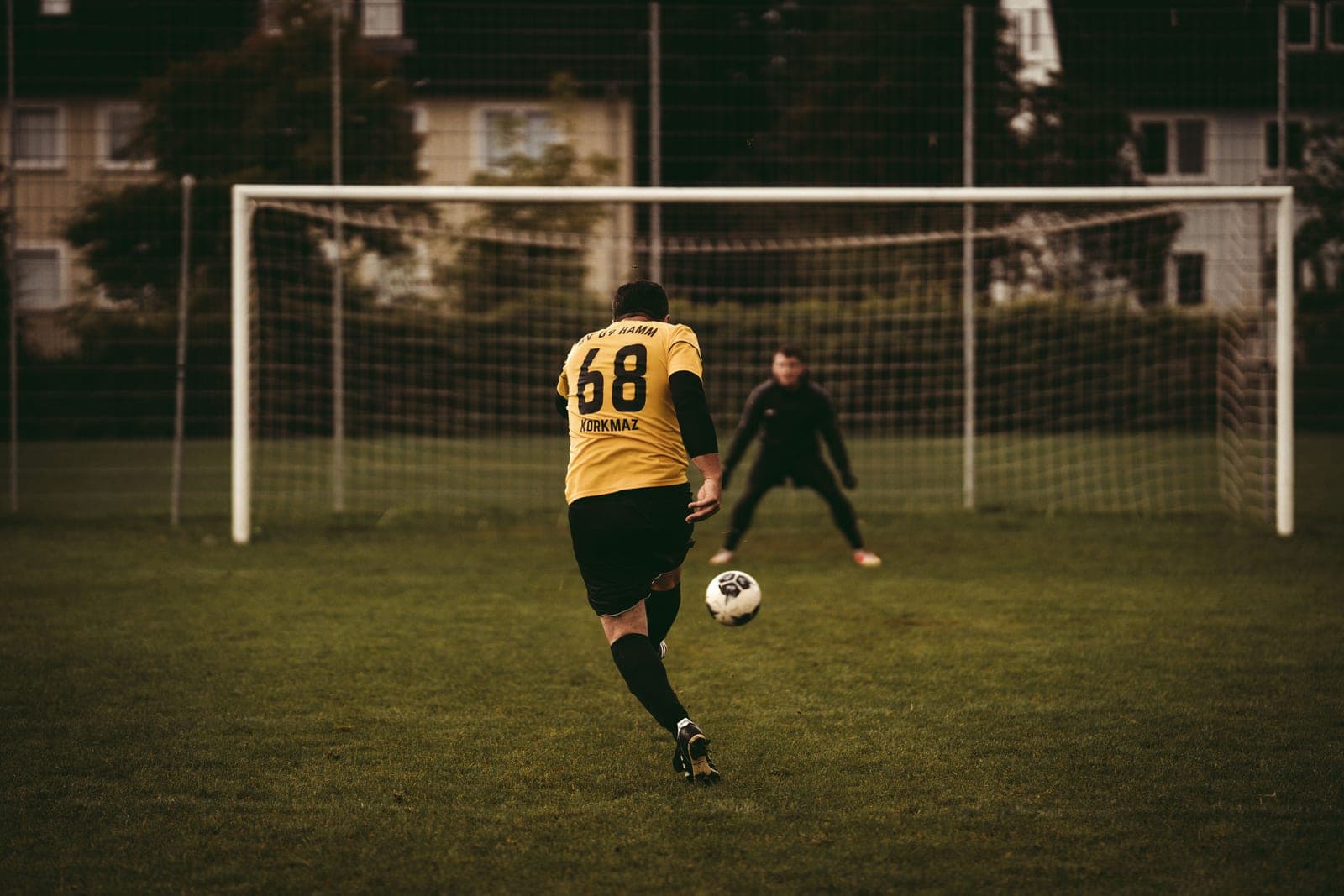
A youth soccer ball that is kept dry, stored indoors and inflated correctly will usually last two or three seasons. One that lives in a car trunk or a wet yard can be finished in a few months. Almost nothing about a youth player's use wears a ball out — what ends it is water getting into the seams, heat deforming the carcass, and chronic over- or under-inflation. A ball that will not hold air for a week is done.
Soccer balls are the one piece of youth kit that fails invisibly. A cleat looks worn out, a shin guard cracks, a jersey fades — a ball just gradually stops being round and nobody notices until a kid is striking something that behaves like a sandbag.
The useful thing to understand is that the hours of play are rarely the problem. A rec-season ball sees maybe eighty hours of being kicked in a year, which is nothing. Storage is the problem, and that is almost entirely under a parent's control.
The four things that actually end a ball
- Water in the seams. This is the big one for cheap balls. A machine-stitched cover has thread holes through it, and water gets in and stays in. The ball gets heavy, then heavy-on-one-side, and then it never flies straight again. FIFA's ball certification tests water absorption as one of its seven required checks, which tells you it is a known failure mode rather than a cosmetic complaint.
- Heat. Molten's own care instructions are blunt about it: never leave a ball in high temperatures or humidity such as a car trunk in summer, because it costs the ball its tuned shape and deteriorates the carcass. A summer of living in a trunk will do more damage than a season of being kicked.
- Chronic bad pressure. Over-inflation stretches the bladder and stresses the seams. Under-inflation makes the cover flex where it should not and wears the panel edges from inside. Both are slow and both are avoidable with a gauge.
- Valve damage. Usually inflicted at the moment of inflation, by a dry needle. Molten's instructions say to always use a thin needle and to moisten it; the Aoneky ball's own listing carries the same warning. A damaged valve means a ball that will not hold air, and it cannot be repaired.
The four signs a ball is finished
| Sign | What it means | Fixable? |
|---|---|---|
| Will not hold air for a week | Bladder or valve failure | No — replace it |
| Noticeably heavier than it was | Water absorbed into the cover and seams | No |
| Lopsided in flight, or wobbles | Shape loss, or water pooled on one side | No |
| Lifting seams or splitting panels | Cover failure | No |
| Scuffed graphics, dull surface | Cosmetic only | Yes — keep playing |
| Flat | Usually just flat | Yes — pump it and check in a week |
The air-retention test is the one that settles it. Inflate to the stated pressure, write the date on a sticky note, and check it a week later with a gauge. A ball that has lost a little is normal — butyl bladders hold air longer than latex ones, which is why adidas rates the Starlancer's butyl bladder for better air retention and why a bargain ball needs pumping most weeks. A ball that is soft again in a week has a leak.
Balls that survive longer than the average
adidas
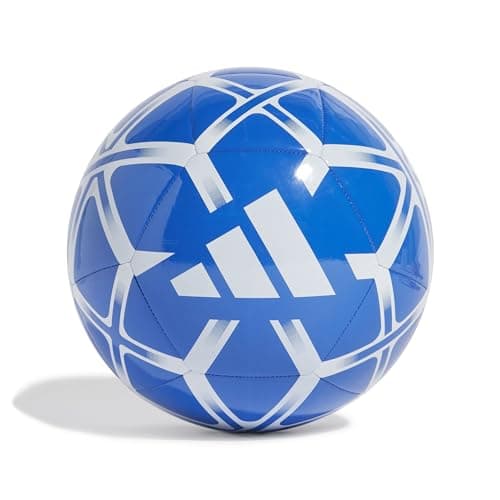
adidas Starlancer Club
The sensible default youth ball — right size range, right price, air stays in.
$18.00View on Amazon#ad — we may earn a commission · price as of October 17, 2026
Mikasa
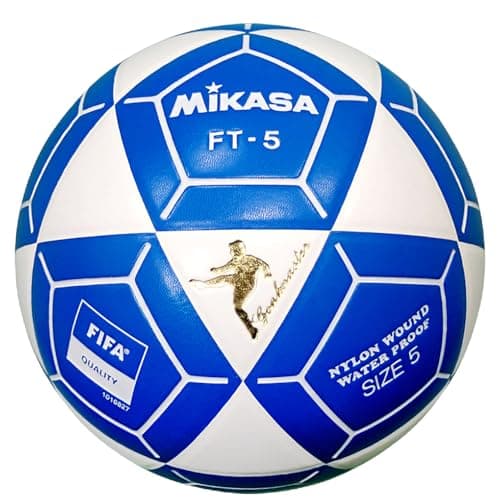
Mikasa FT5 Goal Master
A durable, slightly overlooked ball for an older player, and the heat-bonded cover is the real reason to pick it over a stitched rec ball.
$36.51View on Amazon#ad — we may earn a commission · price as of October 17, 2026
Select
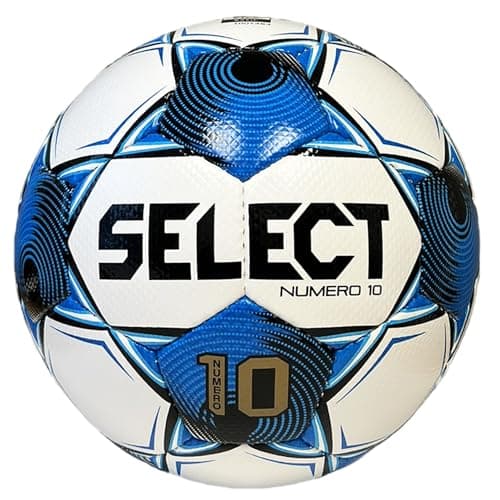
Select Numero 10
Worth the money from about U12 upward, and a waste of it before then.
$48.09$53.45−10%View on Amazon#ad — we may earn a commission · price as of October 17, 2026
Product photos come from each item’s current Amazon listing.
What construction buys you
Three tiers, and the difference is mostly about water.
- Machine-stitched is the rec and training standard. Cheap, tough enough, and the seams will eventually let water in — the adidas Starlancer's own trade-off, stated plainly. This is the right construction for almost every youth player, and it is why the honest advice is to buy two cheap balls rather than one expensive one.
- Heat-bonded or thermally bonded has no thread holes. Mikasa credits the FT5 Goal Master's heat-bonded construction for its water resistance, and on a wet morning that is a real difference rather than a marketing one. It is also why bonded balls are the ones that survive a damp climate.
- Hand-stitched is the match-ball construction — Select's Numero 10 is hand-stitched — and it holds its shape and stitching over far more hours than a machine-stitched rec ball. It is still stitched, so it is not waterproof, and it costs several times a rec ball.
For a kid under about U12, the machine-stitched training ball is the correct purchase and the money is better spent on a second one. Training ball vs match ball sets out what the tiers actually mean, and how to choose a soccer ball is the buying guide.
How to get three seasons out of one ball
- Bring it inside. This is most of it. A ball stored in a cool, dry place away from direct sunlight, as Molten's instructions specify, is a ball that is still round next year. A ball that lives in a yard or a trunk is not.
- Pump it to the printed pressure, with a gauge. The pressure is on the ball next to the valve. A pen-style gauge reads 0 to 20 psi and costs almost nothing, and it is the difference between guessing and knowing.
- Moisten the needle, inflate slowly. Both are in Molten's care instructions, and both protect the valve — the one failure you cannot recover from.
- Clean it with water and a mild detergent, never soaked. Molten's method: plenty of water and a mild detergent for a dirty synthetic cover, never left immersed, rinsed and drained thoroughly, then dried in a ventilated place out of the sun. Never a hair dryer. And no leather creams or protective sprays — they make the surface slippery.
- Rotate two balls. Molten says this outright: using two or more balls in rotation extends the life of each. It also means there is always one that is inflated when a kid wants to go outside.
- Let it down slightly for long storage. A ball kept at full pressure for a winter is a ball under constant stress. A few psi off for a few months is kinder to the bladder and the seams.
The pump is the piece of this most families do not own, and it is the cheapest thing on the list. Best soccer ball pumps covers which one to buy and why an inline gauge is worth the extra, and how to clean a soccer ball goes through the washing method step by step.
When to replace rather than repair
There is very little to repair on a soccer ball. The bladder is sealed inside the cover, the valve is bonded in, and the seams cannot be restitched. In practice a ball is either fine or finished, and the only genuinely repairable fault is a valve that has been left dry and sticky, which sometimes recovers with a drop of valve oil and a moistened needle.
The replacement trigger worth acting on is competition, not condition. A ball that no longer flies straight teaches a kid the wrong thing about striking — they compensate for the wobble, and the compensation sticks. That matters from about U11, when technique starts to be deliberate. Below that, keep playing with it until it will not hold air.
And size, which quietly outlasts condition as a reason to replace. A size 3 that is still perfect is still the wrong ball for a U9, and a size 4 is wrong for a U13. Size 3 vs size 4 and size 4 vs size 5 cover the two transitions, and soccer ball diameter by size has the full dimensions chart.
Common questions
How long should a soccer ball last?
Two or three seasons for a youth ball that is stored indoors, inflated correctly and kept off hard surfaces. A few months for one that lives in a car trunk or a wet yard. The hours of play are rarely what ends a youth ball — water in the seams, heat, bad pressure and valve damage are, and all four are storage and handling problems rather than wear.
How do I know if my soccer ball is worn out?
Four signs mean replace it: it will not hold air for a week, it is noticeably heavier than it was, it wobbles or curves in flight when struck cleanly, or the seams are lifting. Two signs are false alarms: scuffed graphics are cosmetic, and a flat ball is usually just flat. Inflate it, note the date, and check with a gauge a week later.
Does leaving a soccer ball in the car ruin it?
Yes, and it is the single worst thing you can do to one. Molten's own care instructions say never to leave a ball in high temperatures or humidity such as a car trunk in summer, because it loses its tuned shape and the carcass deteriorates. A summer in a trunk does more damage than a season of being kicked.
Why does my soccer ball keep going flat?
Either the bladder material or a damaged valve. Latex bladders lose air faster than butyl ones by design — a bargain ball often needs pumping weekly, while adidas rates the Starlancer's butyl bladder for better retention. If a ball goes soft within a week regardless, the valve is probably damaged, usually by a dry inflation needle, and that cannot be repaired.
Should I deflate a soccer ball for storage?
Slightly, for long storage. A ball held at full pressure through a winter is under constant stress at the seams and bladder, so letting a few psi out is kinder. Store it in a cool, dry place out of direct sunlight, and rotate two balls if you own two — Molten says rotation extends the life of each.
Can you wash a soccer ball?
Yes, carefully. Molten's method for a dirty synthetic cover is plenty of water with a mild detergent, never left immersed, rinsed and drained thoroughly, then dried in a well-ventilated place out of the sun — never with a hair dryer. Skip leather creams and protective sprays entirely: they make the surface slippery. Detergent may also fade the printed colors.
Are expensive soccer balls more durable?
Somewhat, and not in the way people expect. The durability difference is mostly about water: a heat-bonded cover has no thread holes, which is why Mikasa credits the FT5 Goal Master's bonded construction for its water resistance. A hand-stitched match ball holds its shape over more hours than a rec ball but is still stitched. Under about U12, two cheap balls beat one expensive one.
Sources
- Molten — ball care instructions — A ball manufacturer's published care instructions, and the source for the ball-care facts on this site: always use a thin inflation needle to avoid damaging the valve, and inflate slowly to the pressure printed on the ball; a very dirty synthetic-leather ball is cleaned with plenty of water and a mild detergent, never left immersed in detergent, and rinsed and drained thoroughly; detergent chemicals may fade the colors; the ball is then left to dry in a well-ventilated place out of the sun, and never dried with a hair dryer or similar appliance; store it in a cool dry place away from direct sunlight; never leave a ball in high temperatures or humidity such as a car trunk in summer, which costs it its tuned shape and deteriorates the carcass; leather protection creams and sprays must not be used because they make the surface slippery; and rotating two or more balls extends the life of each.
- FIFA — the quality marks for footballs — The three FIFA quality marks (FIFA QUALITY PRO, FIFA QUALITY, FIFA BASIC), the seven laboratory tests every certified ball must pass — weight, circumference, roundness, bounce, water absorption, loss of pressure, and shape and size retention — and the fact that the Pro mark means passing those same seven tests under more demanding conditions rather than passing extra tests.
- IFAB Laws of the Game — Law 2, The Ball — The official size 5 specification quoted on this site: circumference between 68 cm (27 in) and 70 cm (28 in), weight between 410 g (14 oz) and 450 g (16 oz) at the start of the match, and pressure equal to 0.6-1.1 atmosphere at sea level, which the Law itself states as 8.5-15.6 lbs per square inch.
- Kwik Goal — Pressure Gauge (PG-3) — Kwik Goal's specification for the PG-3: a pen-style metal gauge reading 0-20 PSI, sold for checking pressure rather than inflating.
- AYSO — Size of Ball and Field by Age Division — Official ball sizes, circumference and weight ranges, and field dimensions by age division. Used for every ball-size and field-size figure on this site.
Read next
- How to clean a soccer ballHow to get mud and turf rubber off a soccer ball the way manufacturers tell you to, what to never use on one, and how to store it between seasons.
- How to inflate a soccer ballStep by step, the official pressure range, and the thumb test for when there is no gauge in the bag.
- Soccer ball PSI by sizeThe official pressure range for a size 5, why sizes 3 and 4 do not have one, and how to inflate to a number instead of guessing.
- Best soccer ball pumpsWhich pump to buy, why dual action matters, and why the gauge is the feature worth paying for.
- Training ball vs match ballWhat separates a training ball from a match ball in construction, why the tier names mean nothing on their own, and the FIFA mark that does mean something.
- Best soccer balls for concreteWhy concrete destroys balls, the three specs that slow it down, the picks that survive a driveway, and the case for a futsal ball instead.
- Soccer ball diameter by sizeDiameter for sizes 1 through 5 in inches and centimeters, derived from the published circumference specs, plus why the official documents never give a diameter.
- How to choose a soccer ball for your kidThree checks in order — size, bladder, where it lives — and what you can safely ignore below U12.