Heads up: we earn a commission if you buy through our links, at no extra cost to you. It never changes which product we recommend — here’s how that works.
The short answer
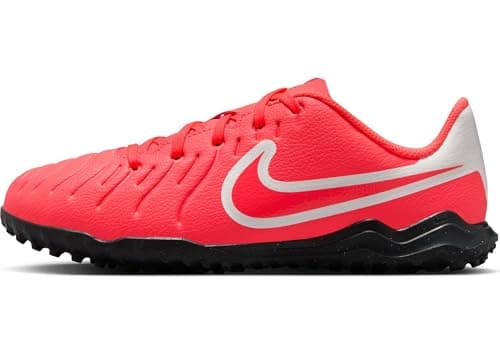
Best overall for winter: the Nike Jr. Legend 10 Club TF — a turf outsole handles frozen grass and indoor domes, which is where most winter youth soccer is actually played.
Budget pick: the adidas Kids Goletto IX TF, the cheapest turf outsole we would put a child in for a winter season.
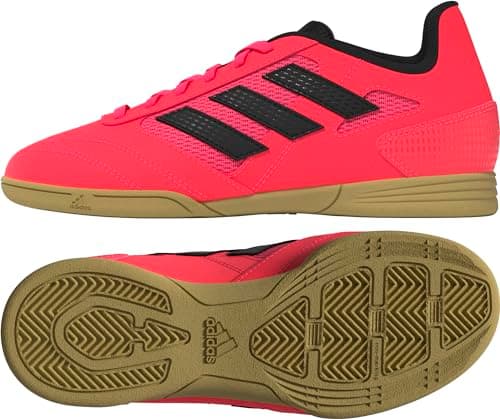
Best for an indoor court: the adidas Super Sala, a flat indoor sole — studs of any length are unsafe and usually banned on a gym floor.
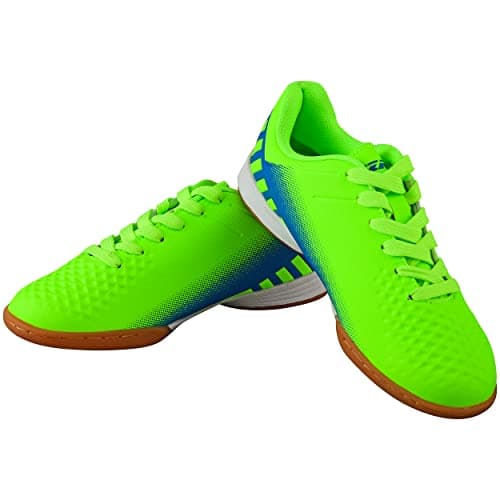
Cheapest indoor option: the Vizari Santos Jr, for a winter futsal block that may not repeat next year.
The honest answer: winter is a sock, glove and base-layer problem far more than a cleat problem. No soccer shoe is insulated.
People search for winter soccer shoes because their player is cold and slipping, and they assume there is a winter cleat. There is not. No major brand makes an insulated junior soccer shoe, and nothing on the market changes how cold a child's foot gets in a thin synthetic upper on a December field.
What does change in winter is the surface, and that is a real footwear decision. Winter youth soccer happens on three things: frozen or waterlogged natural grass, an artificial turf field or indoor dome, and a hard gym floor for futsal. Each one wants a different sole, and getting that right is the whole of the footwear question.
Pick the sole by what the winter season is actually played on
One table, four buyable answers and one non-answer. Facility rules override every row — indoor venues in particular publish their own footwear policies.
Winter surface
Buy
Why
Frozen or baked-hard natural grass
Turf outsole (TF or TT)
Studs cannot penetrate frozen ground, so they concentrate load on the tips; a turf sole spreads it
Waterlogged, soft winter grass
Firm ground (FG)
This is the one winter case where long molded studs are the right answer
Indoor artificial turf dome
Turf outsole
What the facility is designed for, and usually what its rules require
Hard court futsal or gym
Flat indoor sole (IN)
Studs are unsafe on a hard floor and almost always banned
Snow on the field
Nothing. The session is canceled
No youth soccer shoe is made for snow, and none claims to be
Scroll the table sideways on a narrow screen.
The first row is the one families get wrong most often. Frozen grass behaves like concrete, not like grass: a firm-ground plate cannot sink, so every stride lands on a dozen stud tips and the complaint is sore feet and slipping. A turf outsole is the correct winter shoe for a hard field, which is the same conclusion our page on best soccer cleats for hard ground reaches from the summer direction.
How we sorted these
Sole first, by surface. Every pick is matched to one of the winter surfaces above, and the list deliberately spans turf and indoor rather than ranking grass boots.
No insulation claims. None of these shoes is insulated and we do not pretend otherwise. Warmth is handled by socks and layers, covered further down.
Level, not age. Winter programs mix ages, so the picks are mapped to the levels this site uses throughout.
A named budget pick. Winter blocks are short and often one-off, so the cheapest workable turf and indoor options are called out explicitly.
Quick picks
Tap any row to jump to the full write-up. The price in each button is the one Amazon reported on the date stamped under it — tap through for today’s number, which is the only one that can be relied on.
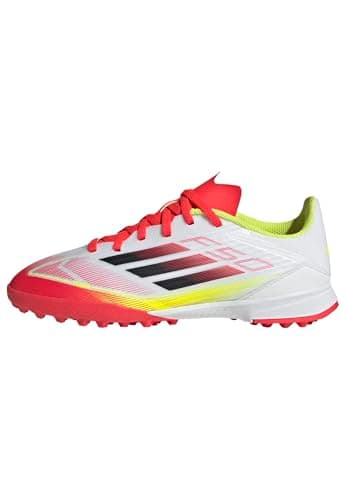
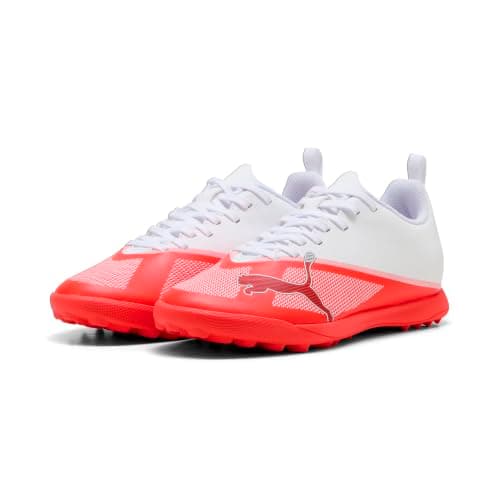
PUMA Future 8 Play TurfThe most comfortable junior turf shoe here, with the least protection — a fine trade for training, less so for a competitive match.
What actually keeps a kid warm, and it is not the shoe
Soccer footwear is thin by design, because feel matters and a padded boot would be useless. So the warmth comes from everywhere else, and in rough order of effect:
Dry shoes at kickoff. A damp upper from Thursday is a cold foot on Saturday. How to clean soccer cleats covers drying without wrecking the sole bond.
Something to sit on and under at the sideline. For the family, not the player — best youth soccer sideline kit is that list.
The warmth budget belongs in the layers and gloves. The shoe only has to match the surface.
Two things not to do in winter
Do not size up to fit a thicker sock. A cleat that was correct in September is correct in January; adding a bulky sock compresses the foot, cuts circulation and makes it colder, and sizing up to compensate gives you a sliding heel. If feet are genuinely cold, fix the layers and keep the fit.
And do not reach for metal studs for a frozen field. Soccer cleats are not made with metal spikes, and youth leagues very rarely permit them — are metal cleats allowed in youth soccer has the rule. The answer to hard ground is a turf outsole, not a longer stud.
Common questions
What soccer shoes should you buy for winter?+
A turf outsole for most winter situations: it handles frozen or hard natural grass, artificial turf and indoor domes, which is where the large majority of winter youth soccer is played. Buy a flat indoor sole instead if the winter season is futsal on a gym floor, where studs are unsafe and usually banned. Keep a firm-ground pair only if your winter fields stay soft and wet.
Are there insulated soccer cleats?+
No. No major brand makes an insulated junior soccer shoe, because soccer footwear is deliberately thin so the player can feel the ball. Warmth in winter comes from a base layer, gloves, correctly sized socks and dry shoes at kickoff — not from the footwear, and any listing claiming an insulated soccer cleat is worth reading very skeptically.
Can you wear firm ground cleats on frozen ground?+
You can, and it is uncomfortable and less safe. Frozen ground behaves like concrete: the studs cannot penetrate, so every stride lands on a dozen stud tips instead of the whole plate. That produces sore feet and the sensation of slipping. A turf outsole spreads the load across many short rubber studs and is the right shoe for a hard winter field.
Should kids wear thicker socks with soccer cleats in winter?+
No — and this is the most common winter mistake. A thick sock inside a correctly sized cleat compresses the foot and restricts circulation, which makes it colder, and sizing up to make room gives you a sliding heel and blisters. Keep the cleat fit as it is, use a proper soccer sock, and add warmth with a base layer and gloves instead.
What do kids wear for indoor winter soccer?+
It depends on the floor. An indoor artificial turf dome wants a turf outsole, which is also what most facilities require. A hard court for futsal or gym soccer wants a flat non-marking indoor sole, because studs of any length are both unsafe and generally banned. Check the facility's posted footwear policy before the first session, since those rules vary by venue.
Do you need different cleats for winter?+
Only if the surface changes, which in winter it usually does. A player who moves from grass in the autumn to an indoor dome in January genuinely needs a second pair of shoes, and a turf outsole under $50 covers it. A player whose fields stay soft and wet all winter can keep using firm ground and should spend the money on layers instead.
Sources
Nike — kids' soccer cleats and shoes — Verified that each Nike model named on this page is currently sold, and the source for Nike's own published upper, plate and surface descriptions.