Heads up: we earn a commission if you buy through our links, at no extra cost to you. It never changes which product we recommend — here’s how that works.
The short answer
On wet natural grass a youth player wants a firm-ground (FG) molded plate — longer studs that bite into soft turf. Turf shoes are the wrong answer: short nubs cannot grip wet grass and the kid will slip. Soft-ground (SG) cleats are also wrong, because they carry fewer, longer, usually metal studs that most youth leagues will not allow.
There is a specific Saturday this page is written for. It rained overnight, the field is soft, and your kid is going out in the turf shoes they wear to midweek training because nobody owns two pairs. They will spend the game sliding, and by the second half they will stop running at anything.
The fix is not a rain-specific cleat. It is matching the plate to the surface, which is the same decision as always — just with the answer pushed firmly toward firm ground.
Three plates, one wet field
Plate behavior on soft natural grass. Surface definitions follow the brands' own labeling and Under Armour's cleat-type guide.
Plate
On wet natural grass
Verdict
FG (firm ground)
Longer molded studs sink in and bite
What you want
MG / FG-AG (multi-ground)
Shorter studs, more of them — adequate, not ideal
Fine if it is the only pair
TF (turf)
Nubs sit on top of soft grass and slide
Wrong tool
IN (indoor)
Flat gum sole, no grip at all
Wrong tool
SG (soft ground)
Designed for genuine mud, usually metal-tipped
Rarely legal or sensible for youth
Scroll the table sideways on a narrow screen.
If your kid plays games on grass and trains on artificial turf, that is the standard American pattern and the firm ground vs turf comparison covers the one-pair-or-two decision properly. For a wet autumn specifically, firm ground is the pair that matters.
Why soft-ground cleats are the wrong purchase for a kid
SG is the category that sounds like the answer and almost never is. Vizari's own guide describes soft-ground construction as six to eight studs, often metal or metal-and-plastic, frequently replaceable, built so the longer studs penetrate deeper into wet or muddy natural grass.
Read that as a parent and three problems appear at once.
Metal studs are a league question, not a shopping question. Law 4 requires only that a player's equipment not be dangerous, and referee guidance is that worn, pointed or exposed-shaft studs and shoes with sharp metal spikes are not permitted. Many youth leagues go further. We have a whole page on whether metal cleats are allowed.
Six to eight long studs concentrate a child's weight on very few points. On anything firmer than real mud that is uncomfortable, and on a growing foot it is a worse trade than it is for an adult.
Replaceable studs are a maintenance job. A stud that works loose is exactly the exposed-shaft case a referee is told to look for.
None of that means SG cleats are bad equipment. It means they solve a problem a youth rec or club player on a wet-but-not-waterlogged field does not have.
Start here
Pick by your kid’s level
The right answer changes with the level, not just the shoe size. Find your kid’s bracket and start there.
A firm-ground plate at the lowest price a major brand sells one for. At this age the grip problem is real and the performance argument is not, so buy the plate and nothing else.
Firm ground with the roomiest toe box in mainstream youth cleats — which matters on a cold wet morning, when feet swell inside damp socks and a tight cleat becomes miserable.
An FG/MG plate with a textured strike zone, which is the honest priority in the wet: a predictable contact when the ball is heavy and the footing is not certain.
Firm-ground only, for a committed player whose games genuinely are on natural grass. The stud pattern bites into real grass instead of compromising for turf.
Tap any row to jump to the full write-up. The price in each button is the one Amazon reported on the date stamped under it — tap through for today’s number, which is the only one that can be relied on.
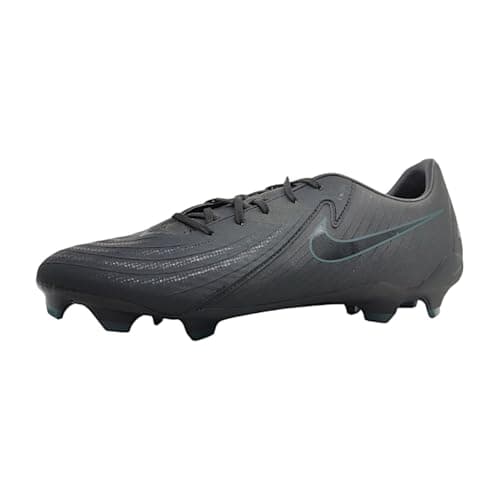
Nike Jr. Phantom GX II Academy FG/MGThe better Nike choice for a midfielder or defender who needs a reliable striking surface more than a few grams saved.
U9–U10, U11–U12, U13+ travel & club
FG/MG
Slightly more forefoot volume than a Mercurial at the same size.
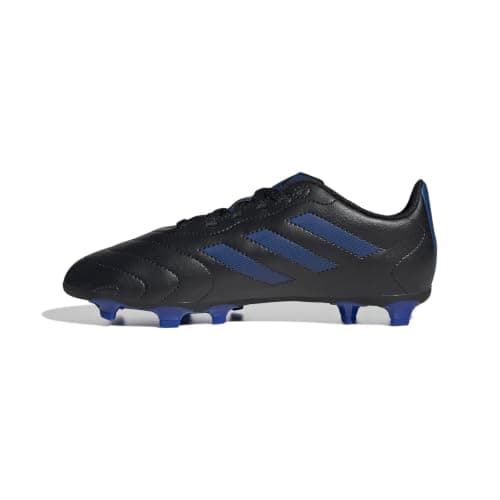
adidas Goletto VIII Firm GroundThe sensible answer when the honest requirement is a cleat that survives one rec season and costs as little as possible.
U6, U7–U8 rec, U9–U10
FG
Runs slightly generous in width and true in length.
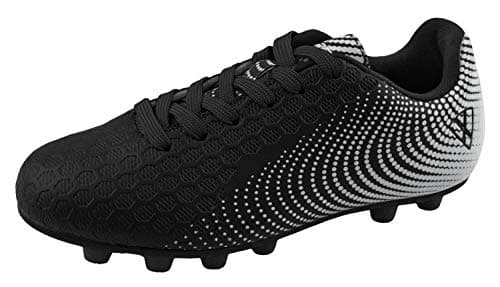
Vizari Stealth Firm GroundThe honest choice for a first-season player: enough cleat to play in, not enough money to regret if they switch to basketball.
U6, U7–U8 rec
FG
True to standard US kids' sizing and reasonably generous in width.
Product photos come from each item’s current Amazon listing.
Are soccer cleats waterproof?
No, and that is deliberate. A soccer upper is thin so the player can feel the ball, and the thinnest uppers are on the most expensive shoes. Nothing in a youth range is sold as waterproof, and a cleat treated to be waterproof would be a worse cleat.
What a wet-weather purchase actually buys you is grip and warmth, not dryness. Expect wet feet, and plan the drying instead.
How to dry soaked cleats properly
Knock the mud off outside and rinse the plate under a tap. Mud left to dry in the studs sets hard and holds water against the upper.
Pull the insoles out and loosen the laces fully. A closed cleat does not dry.
Stuff them with newspaper or paper towel and change it after a couple of hours. This is the step that actually works.
Dry them at room temperature, away from a radiator, a hair dryer or a car heater. Heat shrinks and cracks a synthetic upper and can separate the sole.
The full routine, including the parts that matter for turf pellets and smell, is on how to clean soccer cleats.
The rest of the wet-weather kit
Two things make more difference to a kid in the rain than the cleats do. A spare pair of socks in the bag, because wet socks are the actual complaint behind most wet-weather misery. And a layer under the jersey, because standing still in the rain at halftime is colder than running in it — the cold weather gear picks cover that.
Goalkeepers are the exception worth calling out: a keeper in the wet needs gloves chosen for a wet ball, which is a different problem. See the goalie glove picks and how to wash goalie gloves.
1. adidas
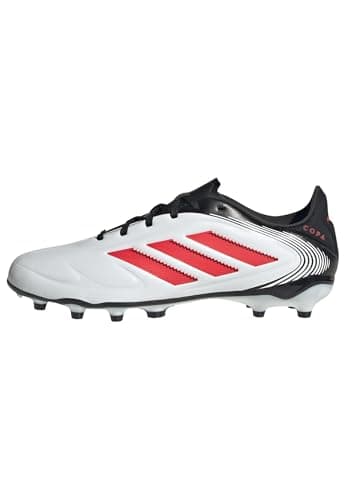
adidas Copa Pure 3 League Firm Ground (Kids)
The best mainstream junior cleat for a wide foot, and a real help to a player still learning first touch.
Best for
A U9+ player learning proper ball control
Levels
U9–U10 · U11–U12 · U13+ travel & club
Type / surface
FG
How it fits
Generous width, true length. The first cleat to try for a kid who has been squeezed by Nike junior models.
What we like
The softest upper of any junior cleat at this price, which genuinely helps a kid who is learning to receive a pass
Roomier toe box than the Mercurial or F50 lines — this is the adidas answer for a wide foot
Copa heritage means a plain, un-flashy look that holds up when the neon fades
Where it falls short
The soft upper scuffs and creases fast, so it looks worn well before it is worn out
Heavier than a speed cleat at the same price point
Manufacturer’s published specs
adidas positions the kids' Copa Pure line around comfort, ball control and natural touch for developing players
Softer upper than the Goletto line
Firm-ground plate
These are the manufacturer’s own claims, not measurements we took.
The safest default cleat for a rec player between U7 and U12, as long as the foot is average width or narrower.
Best for
The default first real cleat, U7 through U12
Levels
U7–U8 rec · U9–U10 · U11–U12
Type / surface
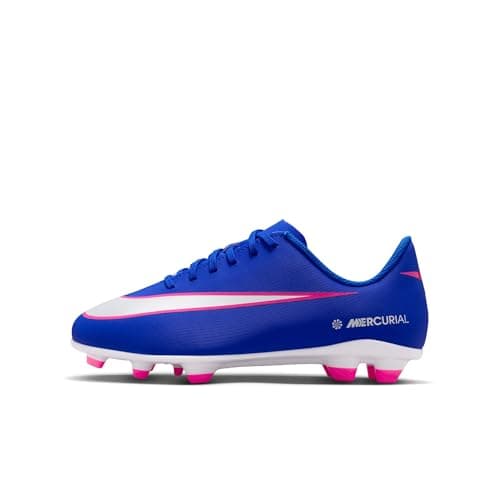
MG (multi-ground)
How it fits
Runs true to length but narrow. Order the regular size with a thumb's width at the toe and do not go up a full size to buy time — the heel will slip and blister.
What we like
Multi-ground plate means one pair covers a rec season split between grass and turf fields
The Club tier is the cheapest step into the Mercurial line, so the shoe looks like what the older kids wear without the Academy or Pro price
Wide size run from little kid up through big kid, so siblings can stay in one model
Where it falls short
Narrow through the midfoot like most of the Mercurial line — a genuinely wide foot will feel it
Synthetic upper does not stretch and mold the way leather does, so it will not grow with the foot at all
Manufacturer’s published specs
Synthetic leather upper with textured detailing for grip on the ball (Nike)
Molded studs on a plastic plate, rated by Nike for natural grass and artificial grass
Low-top collar
Sold in little kids' and big kids' sizing
These are the manufacturer’s own claims, not measurements we took.
The honest choice for a first-season player: enough cleat to play in, not enough money to regret if they switch to basketball.
Best for
A first pair for a U6–U8 who may not stick with the sport
Levels
U6 — first kicks · U7–U8 rec
Type / surface
FG
How it fits
True to standard US kids' sizing and reasonably generous in width. Check the toddler sizes especially — they run closer to sneaker sizing than cleat sizing.
What we like
One of the few brands that makes a genuine toddler-through-big-kid run in one model
Priced below the major brands' entry cleats, which is the right call for a first season
Simple hook-free construction with nothing fiddly for small hands
Where it falls short
Materials are visibly cheaper than a Goletto or Ultra Play and will not survive a second season of heavy use
Limited colorways compared with the big brands, which matters more to an eight-year-old than to you
Manufacturer’s published specs
Lightweight synthetic upper with a molded rubber firm-ground sole (Vizari)
Padded collar and supportive footbed
Sold in toddler, little kid and big kid sizing
These are the manufacturer’s own claims, not measurements we took.
A firm-ground (FG) molded plate. The longer studs sink into soft natural grass and bite, where a turf shoe's short nubs sit on top of it and slide. For a kid playing games on grass and training on artificial turf, a multi-ground plate is an acceptable one-pair compromise, but firm ground is what actually grips when the field is wet.
Should kids wear soft ground cleats in the rain?+
Almost never. Soft-ground cleats carry six to eight long studs, often metal or metal-tipped, built for genuine mud rather than ordinary wet grass. Many youth leagues restrict metal studs, the long studs concentrate a child's weight on very few points on anything firmer than mud, and replaceable studs work loose. Firm ground covers wet grass properly.
Are soccer cleats waterproof?+
No. Soccer uppers are deliberately thin so the player can feel the ball, and no youth cleat is sold as waterproof. A wet-weather cleat buys you grip, not dry feet. Plan for wet feet, pack spare socks, and dry the cleats properly afterwards with the insoles out and newspaper inside.
Can you wear turf shoes on wet grass?+
You can, and it is the wrong tool. Turf outsoles use many short rubber nubs designed for short, hard artificial surfaces. On longer or wet natural grass they cannot bite into soft ground and the player slips on every change of direction. If Saturday games are on real grass, turf shoes should not be the only pair.
How do you dry soccer cleats fast?+
Rinse the mud off, pull the insoles out, loosen the laces fully and stuff the cleats with newspaper or paper towel, changing it after a couple of hours. Dry at room temperature. Do not use a radiator, hair dryer or car heater — heat shrinks and cracks a synthetic upper and can separate the sole from the shoe.
Do you need different cleats for a muddy field?+
For ordinary mud on a youth field, no — firm ground handles it. Genuinely waterlogged, churned-up ground is what soft-ground cleats exist for, and at youth level that condition usually means the game is called off rather than that you need a second pair of cleats.
Sources
Vizari — guide to soft ground soccer cleats — A manufacturer's description of soft-ground construction: six to eight studs, often metal or metal-and-plastic, frequently replaceable, built for wet, muddy or soft natural grass so the longer studs penetrate deeper. Used for what SG cleats are, not for whether a child should wear them.
Coaching American Soccer — Law 4, The Players' Equipment — The Law 4 requirements quoted on this site: footwear is compulsory but cleats are not specified; shinguards must be of suitable material, appropriate size and covered by the socks, with the player responsible for suitability; a player must not use equipment that is dangerous; and the referee-level guidance that worn, pointed or exposed-shaft studs and shoes with sharp metal or pointed spikes are not permitted.
Soccer Wearhouse — artificial ground (AG) soccer cleats — Verified that junior FG/AG models are genuinely stocked rather than adult-only, including the PUMA Ultra 7 Match LL FG/AG Junior and Ultra Nitro 7 LL FG/AG Junior, and the prices they are currently listed at.
Nike — kids' soccer cleats and shoes — Verified that each Nike model named on this page is currently sold, and the source for Nike's own published upper, plate and surface descriptions.
adidas — kids' soccer — Verified current availability of the adidas models named here, plus adidas's published material and construction claims.
Vizari Sports — youth cleats and indoor shoes — Verified the Vizari models named here are currently sold, including the toddler size range and the indoor line, plus Vizari's published material claims.