Cleats
Futsal shoes vs indoor soccer shoes
Nearly the same product. The difference that is real is the sole, and it is smaller than the aisle labels suggest.
By Ryder M. · Published October 6, 2026
Heads up: we earn a commission if you buy through our links, at no extra cost to you. It never changes which product we recommend — here’s how that works.
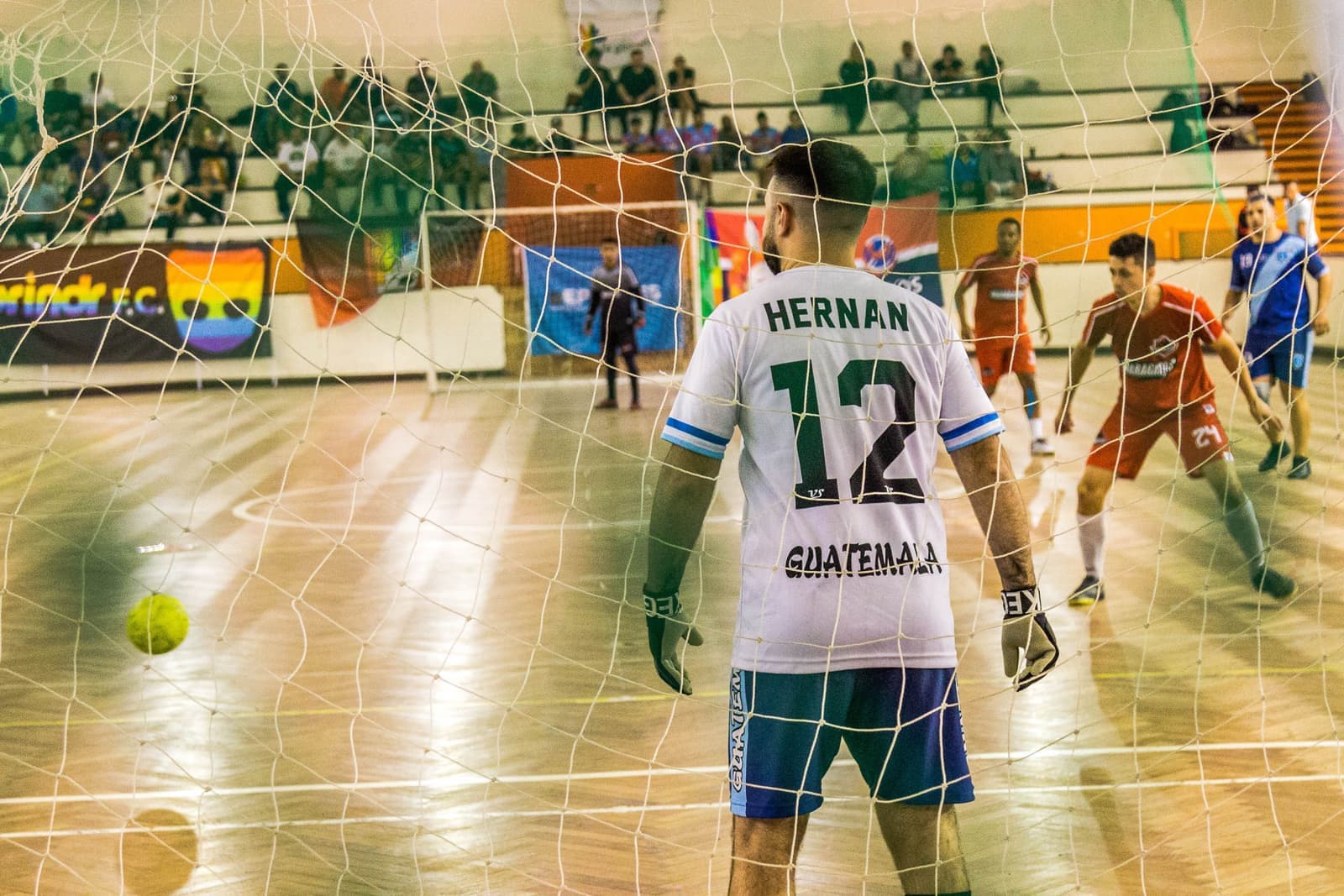
The short answer
They are largely the same shoe. Both are flat, non-marking gum rubber soles with no studs, and most models are sold under both names. The real difference is specialization: a true futsal shoe has a thinner, grippier gum sole and a closer upper for a hard court, while a general indoor shoe is built a little more cushioned and more forgiving. For a child, either works — the surface decides, not the label.
This question comes up because retailers split the aisle and the names sound like two categories. Open both and you find the adidas Super Sala listed as a futsal shoe in one store and an indoor shoe in the next, which tells you most of what you need to know.
What the futsal Laws actually require
Worth starting here, because it is the only part of this that is a rule rather than a preference. The Futsal Laws of the Game specify footwear directly: players must wear canvas or soft leather training or gymnastic shoes with soles of rubber or a similar material.
That is narrower than the 11-a-side Law 4, which requires footwear without specifying what kind. In practical terms it means cleats are not legal futsal footwear, and a flat rubber-soled shoe is. Most facilities also ban anything that marks the floor, which is where the non-marking gum sole comes from.
The differences that are real
| Futsal shoe | Indoor soccer shoe | |
|---|---|---|
| Sole | Thin gum rubber, grippy, non-marking | Gum rubber, non-marking, often slightly thicker |
| Cushioning | Minimal — closer to the floor for feel | More, for comfort over long sessions |
| Upper | Closer, more ball-feel | A little more structured |
| Best surface | Polished wood or sealed concrete court | Court, gym floor, sports hall |
| Works outdoors? | No — the sole wears fast on concrete | No |
| Typical price | Similar | Similar |
Notice what is not in that table: studs, plates, surface codes. Neither shoe has any. That is why the genuinely important decision is not futsal versus indoor but indoor versus turf, which is a different shoe entirely and the mistake families actually make.
The mistake: buying a turf shoe for an indoor court
A turf shoe (TF) has dozens of small rubber nubs. On artificial turf those bite. On a polished indoor court they lift the foot off the surface slightly and skate, and many facilities will not allow them because the nubs mark the floor.
If your kid's winter season is in a turf barn, buy turf shoes. If it is on a hard court or a gym floor, buy indoor or futsal. Firm ground vs turf vs AG sets out the whole code system, and the indoor shoe picks cover what to buy once you know which it is.
Indoor and futsal shoes in junior sizing
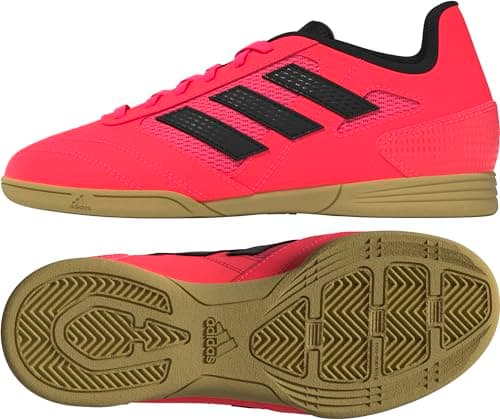
adidas
adidas Super Sala 2 Indoor
The default indoor shoe for a kid in a winter futsal league; add an insole if sessions run long.
$36.25View on Amazon#ad — we may earn a commission · price as of October 16, 2026
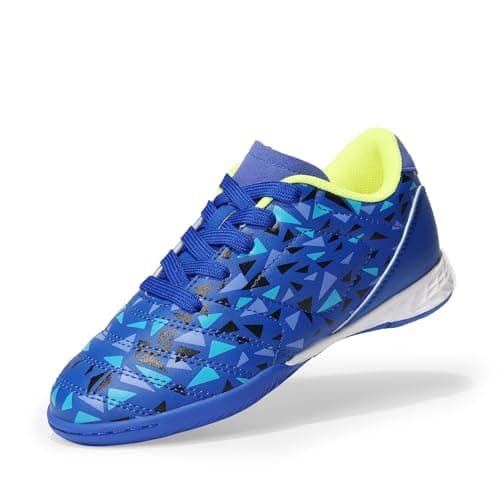
DREAM PAIRS
DREAM PAIRS Kids' Indoor Soccer Shoes
Enough shoe for a short indoor season at a fraction of the Super Sala's price.
$23.99$29.99−20%View on Amazon#ad — we may earn a commission · price as of October 16, 2026
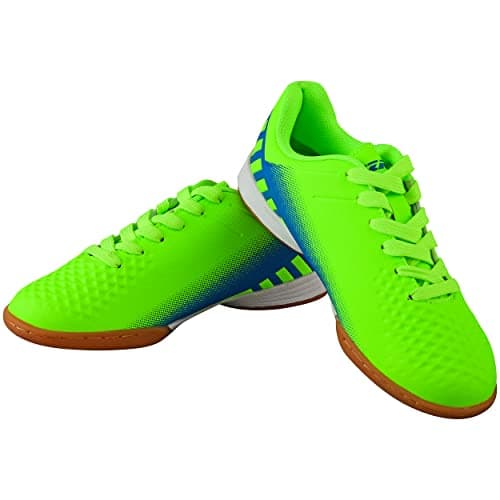
Vizari
Vizari Santos Jr Indoor
The wide-foot version of the same sensible budget indoor answer.
$27.98$31.99−13%View on Amazon#ad — we may earn a commission · price as of October 16, 2026
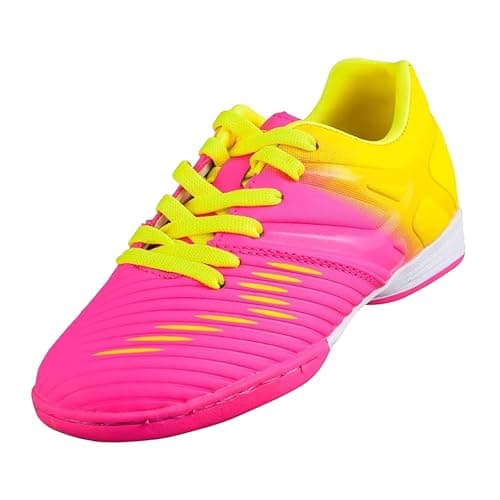
Vizari
Vizari Liga Youth Indoor
The Vizari indoor shoe to pick if your kid is genuinely playing futsal rather than just kicking about indoors.
$27.99View on Amazon#ad — we may earn a commission · price as of October 16, 2026
Product photos come from each item’s current Amazon listing.
Which should you buy for a kid?
Buy whichever of the two is available in the size you need, in a width that fits. That is a genuinely unsatisfying answer and it is the correct one — the gap between a junior futsal shoe and a junior indoor shoe is smaller than the gap between two sizes.
If you want a tiebreaker: for a player in a real futsal league who is on the court twice a week, take the futsal-labeled model for the thinner sole and the ball feel. For a kid doing one winter indoor session a week, take the indoor model for the cushioning. Neither choice will be the thing that limits them.
Sizing, which matters more than the label
Indoor and futsal shoes are built on sneaker-like lasts, so they generally run closer to a child's normal shoe size than cleats do and feel roomier at the same number. Futsal shoes vary more between brands than cleats, because the category is dominated by smaller manufacturers alongside adidas and Nike.
Measure rather than carry the cleat size across. Do soccer cleats run big or small has the measurement method, and it applies here with the note that indoor shoes are the one soccer category that does not run tight.
The ball is the other half of this
A futsal ball is not a resized outdoor ball. The Futsal Laws set a smaller circumference, a heavier weight for the size and a controlled low bounce — a first rebound of not less than 50 cm and not more than 65 cm when dropped from 2 m. Playing futsal with an outdoor ball changes the game more than the shoes do.
Futsal ball vs soccer ball covers the specification, and the indoor ball picks cover what to buy by age.
Common questions
What is the difference between futsal shoes and indoor soccer shoes?
Very little. Both are flat, studless, non-marking gum rubber soles, and many models are sold under both names. Where brands do distinguish them, the futsal version has a thinner and grippier sole with a closer upper for ball feel on a hard court, and the indoor version has a little more cushioning for comfort.
Can you wear indoor soccer shoes for futsal?
Yes. The Futsal Laws of the Game require canvas or soft leather training or gymnastic shoes with soles of rubber or a similar material, and an indoor soccer shoe satisfies that. The only shoes that fail the rule are cleats and anything that marks the floor.
Can kids wear cleats for futsal?
No. The Futsal Laws specify rubber-soled training or gymnastic shoes, which excludes studded cleats, and most facilities also ban studs because of floor damage. A studded plate on a polished court is slippery as well as against the rules.
Are turf shoes the same as indoor shoes?
No, and this is the mistake worth avoiding. A turf shoe has dozens of small rubber nubs built to bite into artificial turf; on a polished indoor court those nubs skate and often mark the floor. If the winter season is in a turf barn buy turf shoes, and if it is on a court buy indoor or futsal shoes.
Do futsal shoes run the same size as cleats?
Usually they feel roomier. Indoor and futsal shoes are built on sneaker-like lasts rather than the tight performance lasts cleats use, so the same numbered size generally fits with more room. Futsal sizing varies more between brands than cleat sizing does, so measure instead of carrying the cleat size across.
Do you need shin guards for futsal?
Yes. The Futsal Laws of the Game make shinguards compulsory, require that they be covered entirely by the stockings, and specify that they be made of rubber, plastic or a similar approved material providing a reasonable degree of protection. Many families arrive at a first futsal session without them.
Sources
- The FA — Futsal Laws of the Game, Law 4: The Players' Equipment — The futsal equipment requirements quoted on this site: shinguards are compulsory, must be covered entirely by the stockings, must be made of rubber, plastic or a similar approved material, and must provide a reasonable degree of protection. Also the futsal footwear requirement — canvas or soft leather training or gymnastic shoes with soles of rubber or a similar material — which is why cleats are not legal futsal footwear.
- The FA — Futsal Laws of the Game, Law 2: The Ball — The futsal ball specification quoted on this site: circumference not more than 64 cm and not less than 62 cm, weight 400-440 g at the start of the match, pressure equal to 0.6-0.9 atmosphere at sea level, and a first rebound of not less than 50 cm and not more than 65 cm when dropped from 2 m.
- Vizari Sports — indoor youth cleats — Current Vizari indoor and futsal models in youth sizing.
- Select Sport — futsal balls — Select's futsal range including the Junior and Senior Jinga models, and Select's own description of the low-bounce bladder construction.
- Vizari Sports — youth cleats and indoor shoes — Verified the Vizari models named here are currently sold, including the toddler size range and the indoor line, plus Vizari's published material claims.
Read next
- Best indoor soccer shoes for kidsNon-marking indoor picks from U7 up, why turf shoes will not do, and what a futsal season needs.
- Firm ground vs turf vs artificial grass cleatsThe FG, AG, TF and MG decision table, whether one pair can cover a mixed schedule, and the cost of guessing wrong.
- Best youth turf soccer shoesTurf shoe picks by age and width, and why the turf outsole does more for comfort than any upper.
- Do you need shin guards for futsal?The Futsal Law 4 requirement in its own words, why a court makes guards more necessary rather than less, and the guard styles that suit indoor play.
- Futsal ball vs soccer ballThe official circumference, weight, pressure and bounce specs side by side, plus which ball a winter indoor season needs.
- Best indoor and futsal soccer balls for kidsFutsal ball picks by age, why the low bounce matters, and how futsal sizing differs from outdoor.