Heads up: we earn a commission if you buy through our links, at no extra cost to you. It never changes which product we recommend — here’s how that works.
The short answer
No brand makes a goalkeeper-specific cleat. A keeper needs explosive push-off, secure footing on lateral movement and a clean distribution touch — so the comfort-and-touch lines (Nike Tiempo, adidas Copa) and the striking line (Predator) suit the role, and the plate should match the surface rather than the position.
Look for goalkeeper cleats and you will find pages of results and no actual product category, because there is not one. Every cleat sold is an outfield cleat, and a keeper picks from the same range as everyone else.
What is real is the set of requirements, and they genuinely differ from an outfield player's. Specialist coverage of keeper boots puts it simply: explosive push-off for diving saves and secure footing on quick lateral movement matter most, alongside a soft, composed touch for playing out from the back. Sprint speed barely features.
That points somewhere specific. It points away from the speed lines, which exist to save weight a keeper does not need to carry, and toward the lines built around comfort, stability and ball contact.
Start here
Pick by your kid’s level
The right answer changes with the level, not just the shoe size. Find your kid’s bracket and start there.
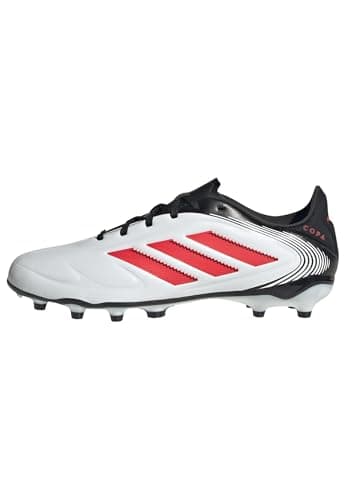
The roomiest mainstream junior last and the softest upper at the price, which covers both halves of the keeper brief — comfortable to stand in, and forgiving on a receive when a defender passes back.
The Nike comfort-and-touch line on a multi-ground plate. The MG plate is the right default for a keeper: stable on both grass and artificial grass, which is where most youth goals are.
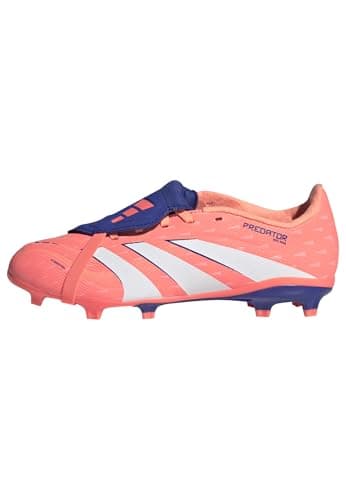
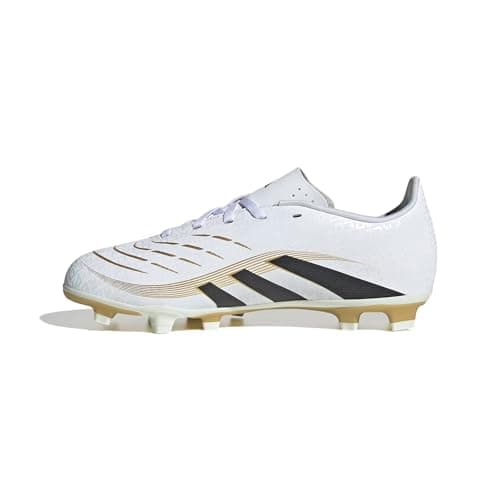
adidas Predator League Fold-Over Tongue Firm Ground (Kids)
Once a keeper is expected to distribute properly, the fold-over tongue and textured strike zone are a genuine help on a long goal kick — the one place the Predator argument applies to a keeper as strongly as to a midfielder.
Tap any row to jump to the full write-up. The price in each button is the one Amazon reported on the date stamped under it — tap through for today’s number, which is the only one that can be relied on.
#
Product
Best for
Surface
Fit notes
Price
1
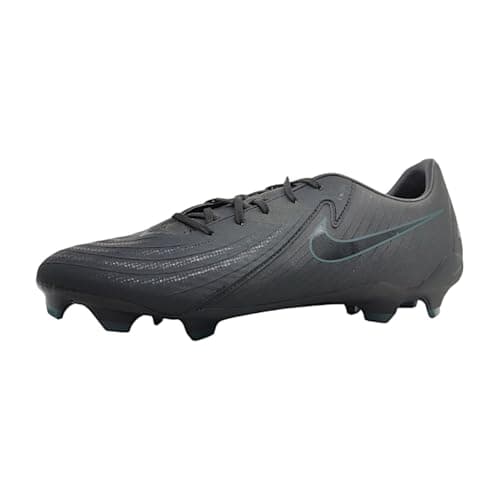
Nike Jr. Tiempo Maestro Academy MGThe comfort-first Nike junior cleat, and the sensible pick for a defender, a keeper, or a kid who plays in discomfort and has stopped mentioning it.
U9–U10, U11–U12, U13+ travel & club
MG (multi-ground)
The most generous Nike junior last — closer to the adidas Copa than to the Mercurial.
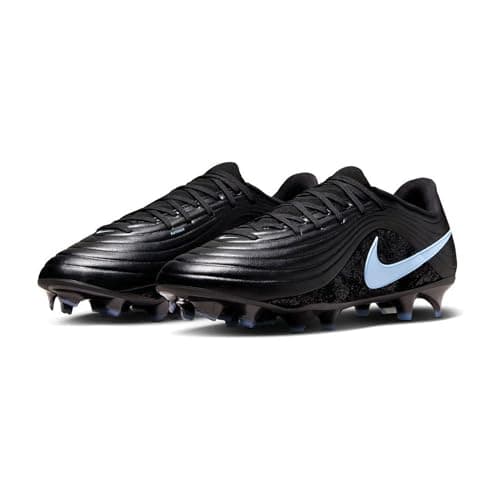
Nike Jr. Phantom GX II Academy FG/MGThe better Nike choice for a midfielder or defender who needs a reliable striking surface more than a few grams saved.
U9–U10, U11–U12, U13+ travel & club
FG/MG
Slightly more forefoot volume than a Mercurial at the same size.
Product photos come from each item’s current Amazon listing.
The three things a keeper's cleat has to do
Push off hard, sideways. A save starts with one foot driving the body across the goal. That is a lateral load through the outside of the plate, which is a different stress from the forward drive an outfield player puts through the forefoot.
Hold a plant on the same six square yards all game. A keeper's goal line gets churned up, wet and bare. The plate has to work on a patch of ground that is worse than the rest of the field by the second half.
Deliver the ball cleanly. Goal kicks, throws to feet, a pass out to a fullback. Modern youth keepers are asked to play out far more than they used to be, and a soft or textured upper genuinely helps a struck ball.
Nothing on that list is served by a narrow, weight-saving upper. Everything on it is served by fit, stability and ball contact.
Which plate for a keeper
This is the decision worth getting right, and the specialist guidance is blunt about it: match the plate to your playing surface, not to being a goalkeeper specifically.
Where the goal is
Plate
Note for keepers
Natural grass
FG firm ground
By late season the goal line is bare and often wet — FG studs still bite where nubs do not
Long-pile artificial grass
AG or FG/AG
Shorter, more numerous studs spread the load of repeated lateral push-off
Short, hard artificial turf
TF turf
Diving and landing on hard turf is punishing enough without stud points underfoot
A mixed schedule, one pair
MG or FG/AG
The sensible default, and the one most youth keepers should buy
Scroll the table sideways on a narrow screen.
One keeper-specific wrinkle: an FG plate on a bare, hard goal line in late summer behaves like an FG plate on turf — the studs stop sinking in and start sitting on top. If your kid keeps on a pitch that bakes hard, a multi-ground plate is the more forgiving choice. The full surface breakdown covers the rest.
What about the rest of the keeper kit?
Footwear is the part of a keeper's kit that matters least, which is worth saying plainly on a page about it. Gloves are the purchase that changes how a young keeper plays, and getting the size right matters more than the model.
Less than outfield players do, for one practical reason: a keeper covers a fraction of the distance, so a pair lasts longer in wear terms. Against that, a keeper's cleats get wetter and muddier than anyone's, because the goal line is the worst ground on the field.
So the honest answer is that a keeper benefits from one well-chosen multi-ground pair plus the discipline to dry them properly between sessions, more than from a second pair. How to clean soccer cleats covers the drying part, which is the bit that actually extends a keeper's pair.
1. Nike
Nike Jr. Tiempo Maestro Academy MG
The comfort-first Nike junior cleat, and the sensible pick for a defender, a keeper, or a kid who plays in discomfort and has stopped mentioning it.
Best for
A U9+ defender, keeper or any player who wants comfort over speed
Levels
U9–U10 · U11–U12 · U13+ travel & club
Type / surface
MG (multi-ground)
How it fits
The most generous Nike junior last — closer to the adidas Copa than to the Mercurial. True to length, and a reasonable first try for a foot the Mercurial has pinched.
What we like
The roomiest and most forgiving Nike junior line, which makes it the Nike answer for a broad or high-volume foot
Softer, leather-feel upper is more comfortable through the long stretches of standing and jogging that make up a youth session
Multi-ground plate means one pair covers grass games and turf training
Where it falls short
Heavier than the Mercurial at the same tier, which a genuinely fast player will feel
The softer upper creases and scuffs early, so it looks worn well before it is worn out
Manufacturer’s published specs
Tiempo is Nike's touch-and-comfort silo, positioned by Nike for players who prioritize a soft, precise touch and all-day comfort (Nike)
Academy tier of the current Tiempo Maestro junior family
Multi-ground plate; junior sizing
These are the manufacturer’s own claims, not measurements we took.
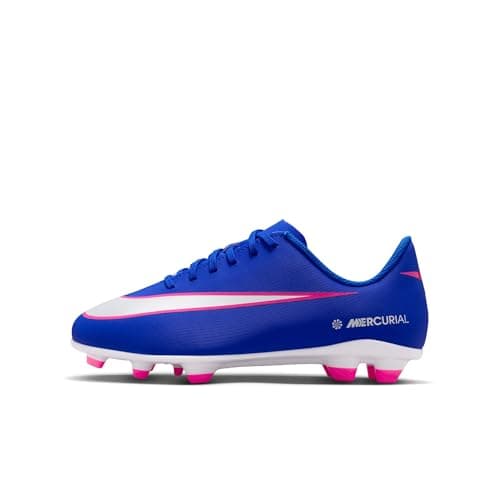
The safest default cleat for a rec player between U7 and U12, as long as the foot is average width or narrower.
Best for
The default first real cleat, U7 through U12
Levels
U7–U8 rec · U9–U10 · U11–U12
Type / surface
MG (multi-ground)
How it fits
Runs true to length but narrow. Order the regular size with a thumb's width at the toe and do not go up a full size to buy time — the heel will slip and blister.
What we like
Multi-ground plate means one pair covers a rec season split between grass and turf fields
The Club tier is the cheapest step into the Mercurial line, so the shoe looks like what the older kids wear without the Academy or Pro price
Wide size run from little kid up through big kid, so siblings can stay in one model
Where it falls short
Narrow through the midfoot like most of the Mercurial line — a genuinely wide foot will feel it
Synthetic upper does not stretch and mold the way leather does, so it will not grow with the foot at all
Manufacturer’s published specs
Synthetic leather upper with textured detailing for grip on the ball (Nike)
Molded studs on a plastic plate, rated by Nike for natural grass and artificial grass
Low-top collar
Sold in little kids' and big kids' sizing
These are the manufacturer’s own claims, not measurements we took.
They wear the same cleats as everyone else — no brand makes a goalkeeper-specific model. What differs is the requirement: explosive push-off, secure footing on lateral movement and a clean distribution touch, with sprint speed barely featuring. That points at the comfort-and-touch lines such as the Nike Tiempo and adidas Copa rather than at the speed lines.
What cleats are best for a youth goalkeeper?+
A comfortable, reasonably wide line on a plate that matches the surface — for most youth keepers that means a multi-ground plate, because youth goals sit on both grass and artificial grass. The Nike Tiempo and adidas Copa lines are the natural fit, and the adidas Predator is worth considering once a keeper is expected to distribute properly.
Should a goalkeeper wear firm ground or multi-ground cleats?+
Match the plate to the surface, not to the position. Firm ground on natural grass, turf on hard artificial turf, multi-ground for a mixed schedule. One keeper-specific point: a goal line often bakes hard or wears bare, and on hard ground firm-ground studs stop sinking in — so a multi-ground plate is often the more forgiving choice for a keeper.
Do goalkeepers need cleats with a good striking surface?+
It helps more than it used to. Youth keepers are increasingly asked to play out from the back, and a soft or textured upper makes a goal kick or a pass to a fullback more predictable. It is a secondary consideration behind fit and plate, but it is the reason the adidas Predator is a reasonable keeper choice.
What matters more for a young keeper, cleats or gloves?+
Gloves, clearly. Footwear is the part of a keeper's kit that changes their game least. Get the glove size right first — a glove that is too big is the most common reason a young keeper drops the ball — and treat the cleat choice as a comfort-and-surface decision rather than a performance one.
Sources
FootballBoots.co.uk — best boots for goalkeepers — What a keeper actually needs from a boot — explosive push-off, secure footing on lateral movement, and a soft distribution touch — plus its position that keepers should match the plate to the playing surface rather than to the position.
Nike — Mercurial, Phantom and Tiempo compared by playing style — Nike's own statement of which silo suits which position: Mercurial 'built for speed; best for forwards and wide midfielders', Phantom 'built for precision; best for central midfielders and playmakers', Tiempo 'built for comfort and control'. The source for every Nike position claim on this site.
Unisport — adidas Predator vs F50 vs Copa — Position mapping for the adidas silos — Predator for number 8s and 10s, F50 for wingers, attacking fullbacks and forwards, Copa for center-backs, defensive midfielders and classic number 9s — plus the width ranking (F50 narrowest, Predator middle, Copa most accommodating).
Nike — kids' soccer cleats and shoes — Verified that each Nike model named on this page is currently sold, and the source for Nike's own published upper, plate and surface descriptions.