Heads up: we earn a commission if you buy through our links, at no extra cost to you. It never changes which product we recommend — here’s how that works.
The short answer
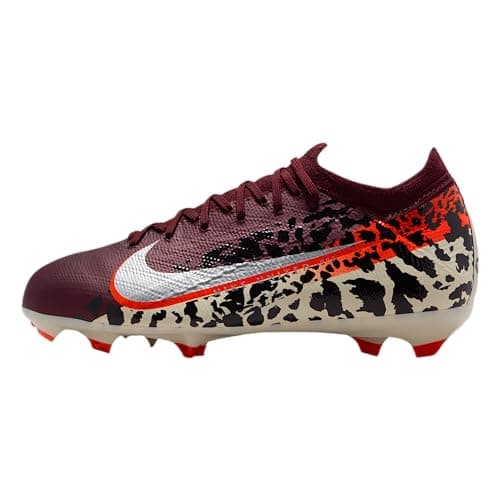
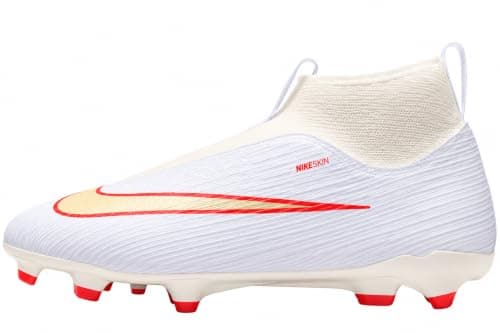
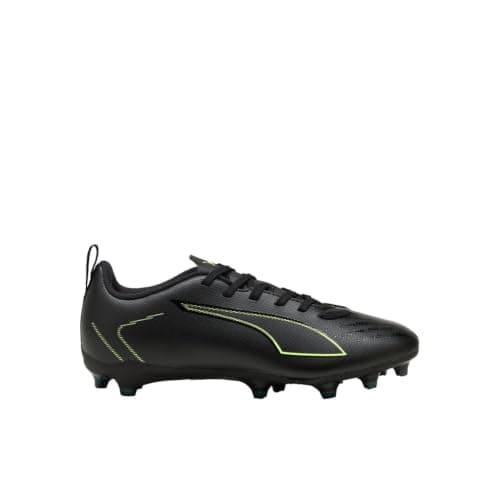
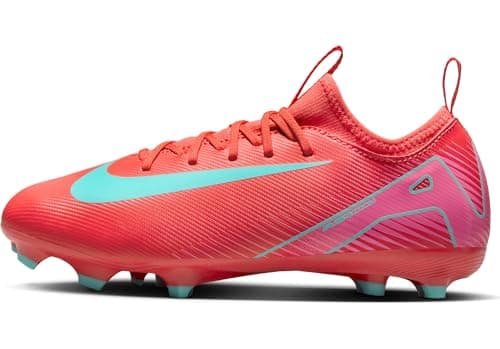
Under $100 the pick is the Nike Jr. Mercurial Vapor 16 Academy FG/MG — the mid tier of Nike's speed silo on a plate rated for grass and artificial grass, which covers the most common youth schedule. The budget pick is the PUMA Ultra Play FG, which gets you a genuine silo shape for roughly half the cap. Every price is read from the live Amazon listing when you load the page, with the date printed under each button.
About the prices: this page is built from the live price layer rather than typed-in list prices. Each pick was under $100 when Amazon last reported a price for it, and the as-of date renders under its button. Tap through for today's number before you buy.
This is the band where junior cleats stop being interchangeable. Below about $50 you are choosing an outsole and a length. Between $50 and $100 the upper gets thinner and better, the plate gets lighter and stiffer, and the silos genuinely diverge in shape — a Mercurial, a Copa and a Predator in this band feel like three different shoes rather than three colorways.
It is also the ceiling for almost every family. Best soccer cleats under $150 covers the band above and its conclusion is that the top of the junior range is a want; this page is the practical version of that argument, and best soccer cleats under $50 is the band below, which is the right one for most rec players.
Who this band is actually for
A player training midweek as well as playing weekends. Two or three sessions is where a better upper and a lighter plate start being noticed.
A player who has stopped growing a size a season. Usually somewhere between U11 and U13, and the point where cost-per-season arithmetic starts to favour a better shoe.
A player with a clear position and a clear preference. The silos differ meaningfully here, so a winger and a center-back can genuinely buy different shoes.
Not a U7 in their first season. If that is who you are shopping for, the band below is not a compromise. Buy there and spend the difference on a ball.
Quick picks
Tap any row to jump to the full write-up. The price in each button is the one Amazon reported on the date stamped under it — tap through for today’s number, which is the only one that can be relied on.
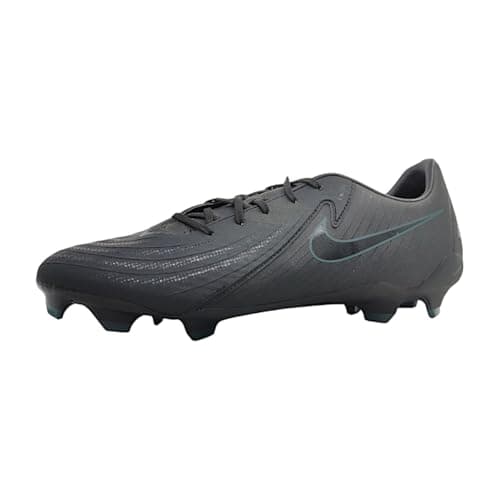
Nike Jr. Phantom GX II Academy FG/MGThe better Nike choice for a midfielder or defender who needs a reliable striking surface more than a few grams saved.
U9–U10, U11–U12, U13+ travel & club
FG/MG
Slightly more forefoot volume than a Mercurial at the same size.
PUMA Ultra 7 Match LL FG/AG JuniorA good dual-surface option for an older player with an average-to-wide foot, and the wrong purchase for a narrow one.
U11–U12, U13+ travel & club
FG/AG
Fits a generous average width with no way to snug it down, and runs slightly short like the rest of the PUMA junior range.
Nike Jr. Mercurial Superfly 11 Academy MGBuy it because the kid wants the collared Mercurial and the multi-ground plate fits the schedule; do not buy it as ankle support.
U11–U12, U13+ travel & club
MG (multi-ground)
Narrow, true to length, with a snug collar opening.
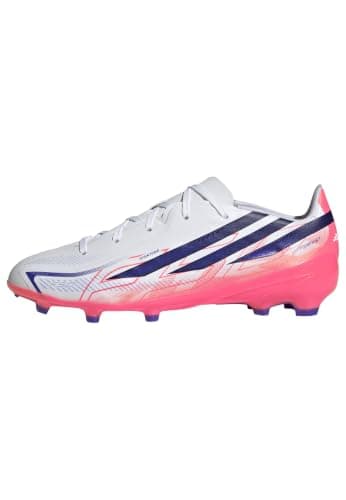
adidas F50 Hyperfast League Kids FGThe right speed cleat for a slim-footed winger or striker playing on grass, and the wrong shoe for almost everyone else.
U9–U10, U11–U12, U13+ travel & club
FG (firm ground)
Narrow through the forefoot and midfoot, true to length.
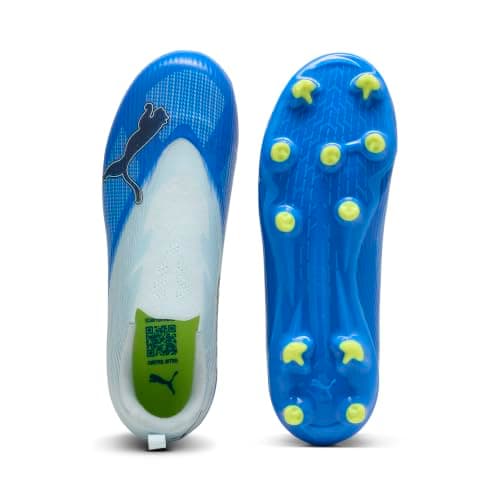
PUMA Kids' Ultra Play Firm Ground/Artificial Ground
The cheapest genuine silo shape in the band. At this age that is the right end of it — the money above this buys weight savings a nine-year-old cannot use.
A good dual-surface option for an older player with an average-to-wide foot, and the wrong purchase for a narrow one.
Best for
A U11+ player on mixed grass and artificial grass who wants no laces
Levels
U11–U12 · U13+ travel & club
Type / surface
FG/AG
How it fits
Fits a generous average width with no way to snug it down, and runs slightly short like the rest of the PUMA junior range. Not the pick for a slim foot.
What we like
A dual-surface plate and a clean striking surface in one junior shoe, which is an unusual combination at this price
Lighter than most junior cleats carrying a comparable plate
No laces to come undone mid-match, and no lace pressure across the instep
Where it falls short
Laceless means no adjustment at all, so a narrow foot slides inside it and a growth spurt cannot be accommodated
PUMA junior sizing is the least consistent of the big three — a model to try on rather than guess
Manufacturer’s published specs
Laceless construction — the LL in the model name (PUMA)
FG/AG outsole PUMA rates for firm natural grass and artificial grass
Lightweight synthetic upper, junior sizing
These are the manufacturer’s own claims, not measurements we took.
Choosing by silo, since in this band it finally matters
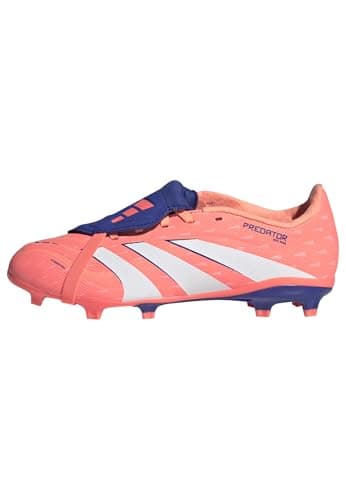
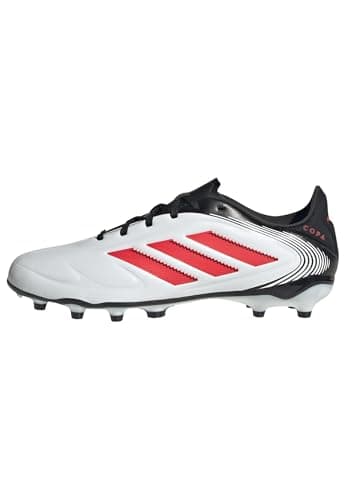
Each brand publishes what its lines are for, and in the mid tier those descriptions correspond to shoes that genuinely differ. Nike's guidance: Mercurial is built for speed and best for forwards and wide midfielders; Phantom is built for precision and best for central midfielders and playmakers; Tiempo is built for comfort and control. A specialist adidas guide maps Predator to number 8s and 10s, F50 to wingers, attacking fullbacks and forwards, and Copa to center-backs, defensive midfielders and classic number nines. A PUMA guide describes Ultra as speed-first with a streamlined shape and Future as made for creative playmakers.
Positioning is each brand's own published description or a specialist retailer's published guide. Width is the published cross-brand fit guidance, not a measurement we took.
If the player is
Buy from
Width note
Fast, plays wide or up front
Mercurial, F50 or Ultra
All three are the narrowest shapes their brands make
A central midfielder or playmaker
Phantom or Future
Middle of each brand's range
A center-back or defensive midfielder
Copa or Tiempo
The most accommodating shapes on either brand
Someone who shoots a lot
Predator
Middle of the adidas range
Broad-footed, position unclear
Copa
Start here regardless of position; a shoe that fits is faster
The mid tier is where silos stop being colorways. It is also where a wrong-shape purchase starts costing real money.
What the extra fifty dollars buys over the band below
A thinner, better-finished upper. Closer ball feel, and less material to swing. It also wears through faster — best durable youth soccer cleats is the counter-argument page.
A lighter, stiffer plate. More energy returned on a plant, less forgiveness on baked ground.
A real silo shape. The single best reason to be in this band: the shoe can be matched to the foot and the position instead of just the field.
Sometimes a dual-rated plate. Several picks here are FG/MG, which covers a week split between grass and artificial turf without a second pair.
What it does not buy is durability, and it does not buy a better player. If the pair has to survive two abrasive turf seasons, the band below is the more sensible purchase. If what you actually want is a softer ride, best soccer cleats with cushion is the page.
Common questions
What are the best soccer cleats under $100 for youth players?+
The Nike Jr. Mercurial Vapor 16 Academy FG/MG is our pick: the mid tier of Nike's speed silo on a plate rated for both natural grass and artificial grass, which matches the most common youth schedule. If the player is a central midfielder, the Phantom GX2 Academy is the better shape; if they are broad-footed, start with the adidas Copa Pure 3 FG, which is the most accommodating adidas shape.
Is $100 enough for good soccer cleats?+
In junior sizing it is more than enough. Under $100 covers the whole youth mid tier across Nike, adidas and PUMA — a better upper, a lighter and stiffer plate, and silos that genuinely differ in shape. Only the top of each brand's junior range sits above it, and that tier is a want rather than a need until a player has settled into a shoe size and is playing several times a week.
What is the difference between $50 and $100 soccer cleats?+
Four things: a thinner and better-finished upper, a lighter and stiffer plate, a shape that actually corresponds to the silo name, and more often a dual-rated FG/MG outsole. What you do not get is more durability — thinner uppers wear faster, especially on abrasive artificial turf — and nothing about the higher tier makes a child play better.
Should I buy mid-tier cleats for a 10 year old?+
Only if they are training more than once a week and have stopped changing shoe size every few months. At U9 to U10 most players are better served by the band below, because growth ends the pair before the upper is worn in. The exception is a player with an unusual foot shape, where the extra choice of silos in the mid tier can be the difference between comfort and blisters.
Which brand is best under $100 for kids?+
None of them in general, and all of them for a specific foot. Nike offers the most FG/MG dual-rated plates in junior sizes, which suits a split grass-and-turf week. adidas offers the widest spread of shapes, from the narrow F50 to the accommodating Copa. PUMA junior tends to run short, so size carefully. Pick the shape that matches the foot and treat the badge as the last variable.
Are mid-tier cleats less durable than cheap ones?+
Often, yes. Mid and top-tier boots are built lighter, and lighter means thinner material with less to lose at the toe and the forefoot crease. On artificial turf, which is abrasive, an entry-tier synthetic frequently outlasts a mid-tier speed upper. If the pair has to survive two seasons, buy down rather than up.
Sources
Nike — kids' soccer cleats and shoes — Verified that each Nike model named on this page is currently sold, and the source for Nike's own published upper, plate and surface descriptions.
Nike — Mercurial, Phantom and Tiempo compared by playing style — Nike's own statement of which silo suits which position: Mercurial 'built for speed; best for forwards and wide midfielders', Phantom 'built for precision; best for central midfielders and playmakers', Tiempo 'built for comfort and control'. The source for every Nike position claim on this site.
adidas — kids' soccer — Verified current availability of the adidas models named here, plus adidas's published material and construction claims.
Unisport — adidas Predator vs F50 vs Copa — Position mapping for the adidas silos — Predator for number 8s and 10s, F50 for wingers, attacking fullbacks and forwards, Copa for center-backs, defensive midfielders and classic number 9s — plus the width ranking (F50 narrowest, Predator middle, Copa most accommodating).
Under Armour — how to buy soccer cleats for kids — A manufacturer's own buying guide, and the source for the statement that kids' soccer cleats are unisex and sized to normal shoe size, plus its guidance on leaving about half an inch at the toe and fitting with match socks on.