Heads up: we earn a commission if you buy through our links, at no extra cost to you. It never changes which product we recommend — here’s how that works.
The short answer
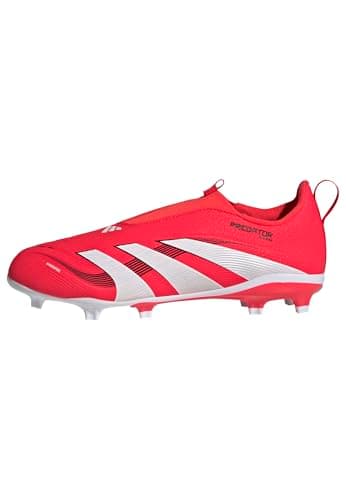
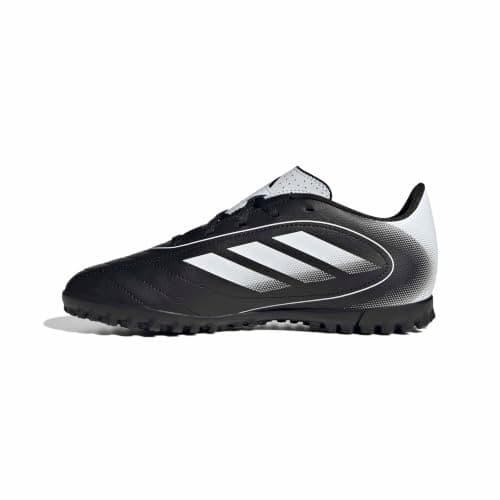
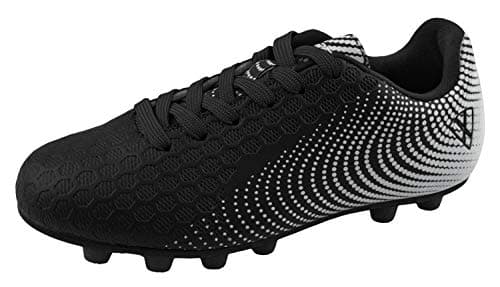
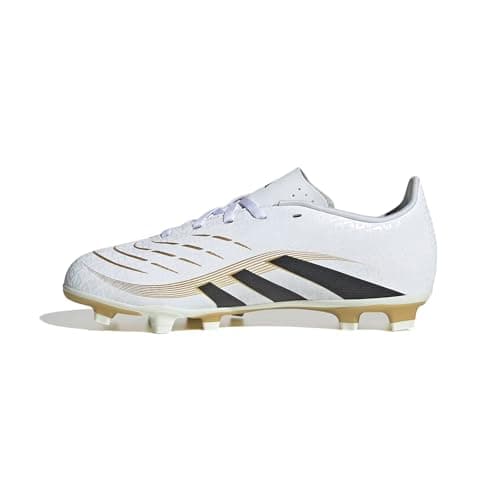
Under $50 the pick is the adidas Predator Club FG — the entry tier of the Predator shape, which sits in the middle of the published adidas width range, on a firm-ground plate that suits the grass fields most youth leagues play on. The budget pick is the Vizari Stealth FG, which is the cheapest cleat on this site that genuinely does the job for a first season. Every price here is read from the live Amazon listing at the moment you load the page, with the date it was read printed under the button.
About the prices: this page is built from the live price layer, not from list prices we typed in. Each pick was under $50 when Amazon last reported a price for it, and the as-of date renders under its button. Prices move — tap through for today's number, which is the only one that can be relied on.
Junior cleats are far cheaper than adult ones, which is the fact that makes this band interesting rather than sad. A $50 ceiling in youth sizing is not the bargain bin: it covers the entire entry tier of all three major brands plus the specialist value brands, across firm ground, turf and indoor. For a rec player under about U11 it is where the correct answer lives, not where the compromise starts.
The reason is growth. A nine-year-old will be a different shoe size by spring, so a pair that survives two seasons is a pair that was wasted. Are expensive soccer cleats worth it works through the arithmetic; this page just does the shopping.
How we sorted these
Under the cap on the live listing. No pick appears here on the strength of a list price. The price layer reads Amazon and stamps the date, and anything without a live price under the cap is off the page.
Surface coverage first. Buying the wrong outsole is a bigger mistake than buying the wrong tier, so the list spans firm ground, turf and indoor rather than giving you eight grass boots.
Shape second. Where two picks were close, the more accommodating shape won, because a growing foot is the constraint that actually bites in this band.
A named cheapest-workable pick. Not the cheapest listing on Amazon — the cheapest pair in our registry with a molded plate and a real size run for a child.
Quick picks
Tap any row to jump to the full write-up. The price in each button is the one Amazon reported on the date stamped under it — tap through for today’s number, which is the only one that can be relied on.
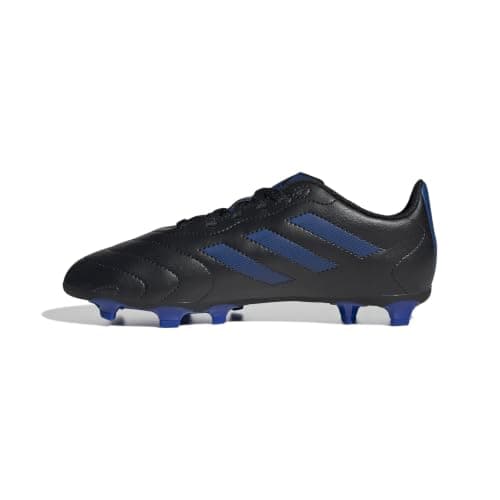
adidas Goletto VIII Firm GroundThe sensible answer when the honest requirement is a cleat that survives one rec season and costs as little as possible.
U6, U7–U8 rec, U9–U10
FG
Runs slightly generous in width and true in length.
Vizari Stealth Firm GroundThe honest choice for a first-season player: enough cleat to play in, not enough money to regret if they switch to basketball.
U6, U7–U8 rec
FG
True to standard US kids' sizing and reasonably generous in width.
The honest choice for a first-season player: enough cleat to play in, not enough money to regret if they switch to basketball.
Best for
A first pair for a U6–U8 who may not stick with the sport
Levels
U6 — first kicks · U7–U8 rec
Type / surface
FG
How it fits
True to standard US kids' sizing and reasonably generous in width. Check the toddler sizes especially — they run closer to sneaker sizing than cleat sizing.
What we like
One of the few brands that makes a genuine toddler-through-big-kid run in one model
Priced below the major brands' entry cleats, which is the right call for a first season
Simple hook-free construction with nothing fiddly for small hands
Where it falls short
Materials are visibly cheaper than a Goletto or Ultra Play and will not survive a second season of heavy use
Limited colorways compared with the big brands, which matters more to an eight-year-old than to you
Manufacturer’s published specs
Lightweight synthetic upper with a molded rubber firm-ground sole (Vizari)
Padded collar and supportive footbed
Sold in toddler, little kid and big kid sizing
These are the manufacturer’s own claims, not measurements we took.
The band's genuine advantage: at these prices two single-surface pairs cost less than one mid-tier compromise plate.
Surface
What to buy under $50
What you give up
Natural grass
Entry-tier firm ground (FG)
A thinner, lighter upper and a stiffer plate — neither of which a U10 needs
Artificial turf
A turf outsole (TF or TT)
Almost nothing. Turf outsoles are cheap and the band covers good ones
Indoor court or futsal
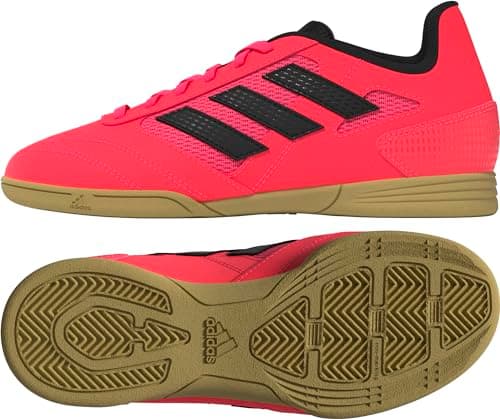
A flat indoor sole (IN)
Nothing meaningful; indoor shoes are the cheapest category on the site
Grass and turf in one week
An entry FG pair plus a cheap turf pair
Two pairs under the cap beats one multi-ground plate at twice the price
Baked, hard summer ground
A turf outsole, not a stiffer plate
Grip on soft grass, which matters less than comfort on concrete-hard fields
Scroll the table sideways on a narrow screen.
That last row is the recommendation most families in this band miss. A multi-ground plate exists to avoid buying two pairs — but when both pairs are under $50, two correct outsoles beat one compromise. Best multi-ground soccer cleats for kids is the page if you would rather have one pair anyway, and firm ground vs turf cleats explains why the surface decision comes first.
Where the cap genuinely hurts
Three cases, stated plainly rather than papered over.
A heavy training load on hard ground. Entry-tier plates are less forgiving and entry-tier insoles are thin. Best soccer cleats with cushion is the right page if a kid already complains about their feet after sessions.
An older player who has stopped growing. From about U13 a better upper can genuinely last two seasons, which changes the cost-per-season maths. Best soccer cleats under $100 is the band above this one, and best soccer cleats under $150 is the ceiling.
In this band the fit is the whole purchase. A thumb's width at the toe, heel locked, no lateral slide.
Three ways to spend less than $50 badly
Buying a size up to get two seasons. It produces a sliding foot, a collapsed heel counter and blisters, and it rarely buys the second season anyway. How should kids soccer cleats fit is the two-minute version.
Buying a grass plate for a turf league. Cheaper and wrong is still wrong. Check what the club trains on before you check the price.
Buying an unbranded marketplace listing with no size run. The registry on this site only includes models with a real child size run, which is why the cheapest pick here is a known value brand rather than the cheapest thing on Amazon.
In youth sizing, yes, comfortably. A $50 ceiling in junior sizes covers the entire entry tier of adidas, Nike and PUMA plus the specialist value brands, across firm ground, turf and indoor. Below about U11 this is where the correct purchase usually sits, because growth ends a pair long before the shoe wears out. The compromise you accept is a thicker, heavier upper, which a nine-year-old does not notice.
What are the best soccer cleats under $50 for kids?+
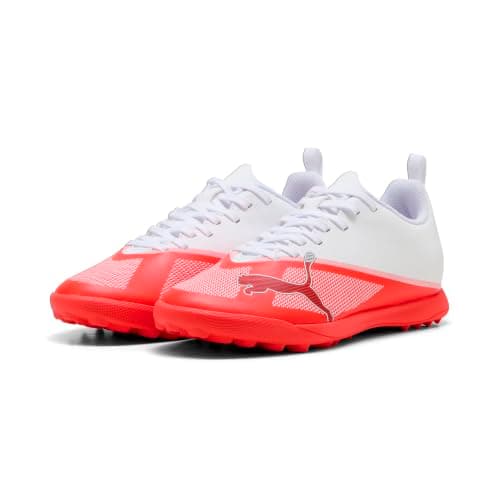
The adidas Predator Club FG is our pick: it is the cheapest step into a real silo shape, it sits in the middle of the published adidas width range, and it is on a firm-ground plate that suits most youth fields. If the fields are artificial turf, buy a turf outsole such as the PUMA Ultra 7 Play TT or the adidas Goletto IX TF instead — the surface matters more than the tier.
Is it worth spending more than $50 on youth soccer cleats?+
Usually only once a player has stopped growing a size a season, which happens somewhere between U11 and U13, or when they are training three or four times a week. Before that the extra money buys a thinner, lighter upper that wears faster and a stiffer plate, neither of which helps a rec player. After that, the cost-per-season arithmetic starts to favour a better-built pair.
Are cheap soccer cleats bad for your feet?+
A cheap cleat that fits is better for a child's foot than an expensive one that does not. What causes problems is length and width: a size-up pair slides, collapses the heel and blisters, and a narrow last on a broad foot presses. Entry-tier cleats do have thinner insoles, so if your player already complains of heel or arch pain after sessions, read our pages on cushioning and on heel pain before buying to a price.
Should I buy two cheap pairs or one better pair?+
If the week splits between grass and artificial turf, two cheap pairs with the right outsole each beat one multi-ground pair at twice the price — and they dry between sessions, which is the single biggest factor in how long youth cleats last. If the player only uses one surface, one correct pair is enough and the second pair is a want.
How often will a kid need new cleats at this price?+
Expect one season, sometimes two, and expect the foot rather than the shoe to end it. Check three places at the end of a season: the outside edge of the big toe, the sole-to-upper bond at the forefoot crease, and whether the stud tips have rounded flat. If all three are sound and the shoe still fits, keep going.
Sources
adidas — kids' soccer — Verified current availability of the adidas models named here, plus adidas's published material and construction claims.
Vizari Sports — youth cleats and indoor shoes — Verified the Vizari models named here are currently sold, including the toddler size range and the indoor line, plus Vizari's published material claims.
Unisport — adidas Predator vs F50 vs Copa — Position mapping for the adidas silos — Predator for number 8s and 10s, F50 for wingers, attacking fullbacks and forwards, Copa for center-backs, defensive midfielders and classic number 9s — plus the width ranking (F50 narrowest, Predator middle, Copa most accommodating).
Under Armour — how to buy soccer cleats for kids — A manufacturer's own buying guide, and the source for the statement that kids' soccer cleats are unisex and sized to normal shoe size, plus its guidance on leaving about half an inch at the toe and fitting with match socks on.