Heads up: we earn a commission if you buy through our links, at no extra cost to you. It never changes which product we recommend — here’s how that works.
The short answer
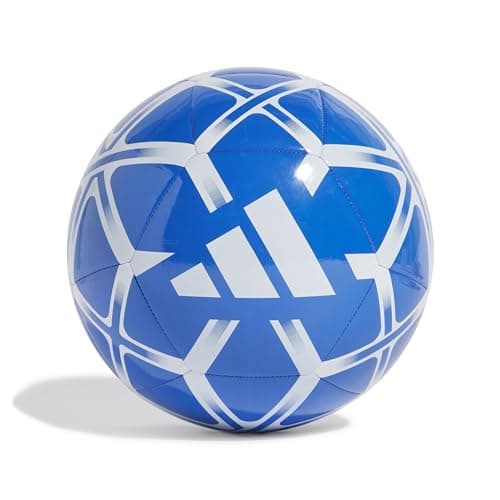
Best overall: the adidas Starlancer Club — sold in sizes 3, 4 and 5, which means one model covers a family from U6 to U13 and up. It is also the top pick on our under-$25 page, and that is this page's whole point.
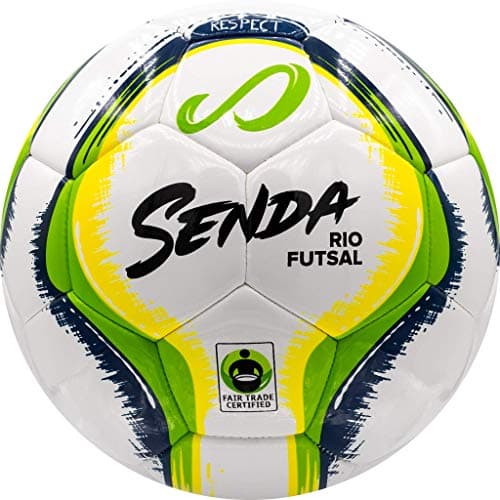
Best use of the extra money, indoors: the Senda Rio Match Futsal Ball in size 3, a genuine low-bounce futsal ball for a winter season.
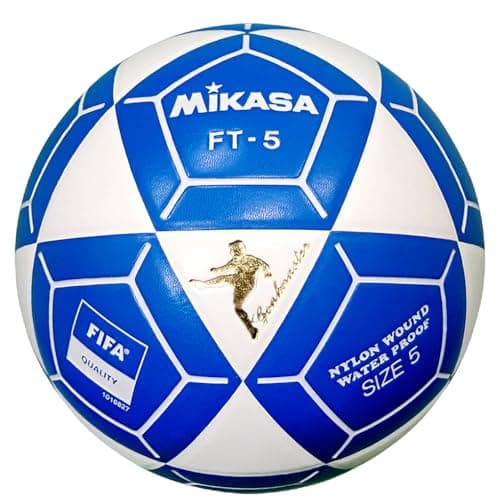
Best use of the extra money, hard surfaces: the Mikasa FT5 Goal Master, built for recreational and hard-surface play.
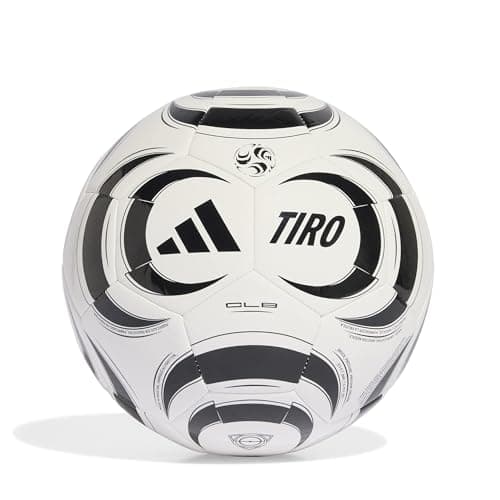
Best practice ball: the adidas Tiro, for the ball that lives outside so the good one stays in the garage.
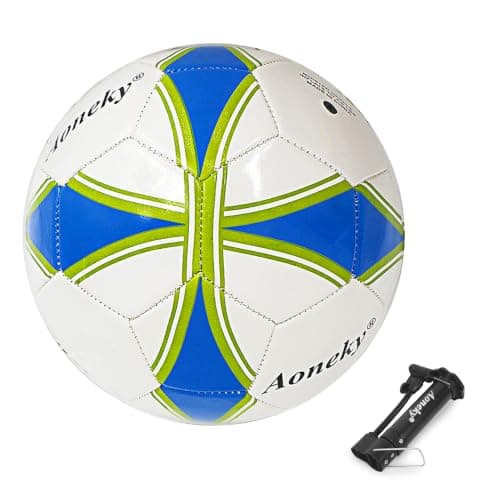
Budget pick: the Aoneky size 3 ball with pump — the cheapest complete purchase here, because the pump is the part families forget.
The finding: the extra $25 over the recreational tier buys a SPECIALIST ball, not a better general one. If you want one ball for everything, buy at the bottom of this band.
About the prices: this page is built from the live price layer rather than typed-in list prices. Every pick was verified under $50 with a buyable offer on 2026-11-20, and the as-of date renders under its button. Prices move — tap through for today's number, which is the only one that can be relied on.
A price-capped page is usually a list of compromises. This one is not, and saying so plainly is more useful than inventing a constraint. In youth soccer balls, $50 is close to the whole category: of every ball on this site, exactly one sits above the cap, and it is a size 5 match ball a few dollars over.
So the real question is not what fits the budget. It is what the top of the band buys that the bottom does not — and the answer is narrower than most roundups in this category admit. It does not buy a better all-round ball. It buys a ball built for a specific surface or a specific format.
Why the cap barely bites
A soccer ball is one of the few pieces of sports equipment held to a published specification regardless of price. Law 2 of the Laws of the Game sets a size 5 ball at a circumference between 68 cm and 70 cm, a weight between 410 g and 450 g at the start of the match, and a pressure of 0.6 to 1.1 atmosphere at sea level — which the Law itself states as 8.5 to 15.6 pounds per square inch.
An $18 ball and a $180 ball are measured against the same numbers. What separates them is construction and consistency over time rather than whether the ball is legal or round on the day it arrives.
FIFA's quality program runs three marks and every certified ball passes the same seven tests — weight, circumference, roundness, bounce, water absorption, loss of pressure, and shape and size retention. The Pro mark means passing them under more demanding conditions, not passing extra tests.
What the top of this band buys
What it actually is
Worth it for a youth player?
A low-bounce futsal bladder
A denser ball specified separately: 62-64 cm and 400-440 g, with a capped first rebound
Yes, if there is an indoor season. It is a different ball, not a better one
A hard-surface build
A cover and carcass meant for concrete and asphalt rather than grass
Yes, if the ball lives on a driveway
Thermally bonded panels
Panels fused rather than stitched, so seams absorb less water
Marginal below U13; real in sustained rain
A match-grade bladder
Holds pressure longer and more evenly
Only if nobody in the house owns a pump
A FIFA quality mark
Certification against seven lab tests at set tolerances
No, unless a league specifically requires a marked ball
A premium cover
Softer first touch, less abrasion resistance
No. On concrete a tougher cheap cover lasts longer
Scroll the table sideways on a narrow screen.
Read down that table and the pattern is clear: the first two rows are genuine reasons to spend more, and they are both about SURFACE or FORMAT. The last four are reasons that mostly do not apply to a player under about U13.
How we sorted these
Under the cap on the live listing, verified today. Nothing qualifies on a list price. Every pick was checked against its live listing on 2026-11-20 and was reporting a buyable offer under $50 at the time of the check.
Purpose, not price order. The list runs from the general-purpose answer to the specialist ones, because that is the decision this band actually presents.
Size coverage. Buying the wrong size is a much bigger mistake than buying the wrong tier, so the picks span sizes 3, 4 and 5 rather than being seven size 5 balls.
Whether it survives outdoors. The real difference inside this band is how a ball copes with being left on a lawn or dragged onto a driveway, which is where every family's balls actually live.
A named budget pick. The cheapest purchase that leaves you ready to play, pump included, gets called out rather than buried.
Quick picks
Tap any row to jump to the full write-up. The price in each button is the one Amazon reported on the date stamped under it — tap through for today’s number, which is the only one that can be relied on.
#
Product
Best for
Surface
Fit notes
Price
1
adidas Starlancer ClubThe sensible default youth ball — right size range, right price, air stays in.
U6, U7–U8 rec, U9–U10, U11–U12, U13+ travel & club
Sizes 3, 4 and 5
Check the size on the ball, not the box: size 3 is for roughly U8 and under, size 4 for U9–U12, size 5 from U13..
Mikasa FT5 Goal MasterA durable, slightly overlooked ball for an older player, and the heat-bonded cover is the real reason to pick it over a stitched rec ball.
The one to buy if the ball is going to live in the yard rather than the gear bag.
Best for
A practice ball that lives outside, U7+
Levels
U7–U8 rec · U9–U10 · U11–U12 · U13+ travel & club
Type / surface
Size 4
How it fits
Size 4 is the U9–U12 match size. Confirm the size on the listing before buying — the colorways are listed separately and not every one carries every size.
What we like
Costs little enough that a ball lost over a fence is an annoyance rather than a replacement purchase
An adidas training ball rather than an unbranded one, so the cover and valve are to a known standard
Where it falls short
Heavier feel than a match ball, which is fine for practice and noticeable in a game
Listed in size 4 only, so it suits U9 upward rather than the youngest brackets
Manufacturer’s published specs
adidas's basic training ball, listed in size 4 (adidas)
Requires inflation on arrival
These are the manufacturer’s own claims, not measurements we took.
We may as well be direct about it: the best ball under $50 is also the best ball under $25, and it is the same adidas Starlancer Club. That is not an oversight and it is not laziness. It is the most useful thing this page has to tell you.
In most categories a higher cap unlocks a better version of the same thing. In youth soccer balls it does not, because the recreational tier already meets the published specification and the money above it goes into specialization. Doubling the budget gets you a futsal ball, or a hard-surface ball, or a thermally bonded match ball — all of which are better than the Starlancer at one specific job and none of which is better at being the one ball in the garage.
So the practical reading of this band: if you want one ball, buy near the bottom of it and read best soccer balls under $25, which is the same shortlist with the specialists removed. If you want a second, specialized ball, spend the difference here on the row of the table above that matches your situation.
Get the size right before you get the price right
A ball a size too big teaches a child to lean back and scoop, which is a hard habit to unlearn and costs far more than any amount saved on the ball. The published bands are consistent across US youth soccer: size 3 for the youngest age groups, size 4 in the middle years, size 5 from about U13 upward.
Two wrinkles worth knowing. Futsal sizing runs on its OWN scale and does not map onto outdoor sizes — size 3 is the junior futsal workhorse and size 4 is the ADULT futsal size, so a child on a size 4 outdoor ball needs a size 3 futsal ball. And nobody official publishes a diameter for any ball, only a circumference, so every diameter you see online is a derived figure.
Size before price, every time. An oversized ball costs a child more than a cheap cover ever will.
Two things worth more than the rest of this budget
A pump with an inline gauge. Most balls families complain about are simply underinflated, and you cannot judge a pressure window by thumb. One pump serves every ball in the house for years — best soccer ball pumps ranks them and the PSI chart by size says where to stop.
Somewhere to kick it. A ball with nothing to aim at gets used for a week. Best soccer goals under $50 is the cheap frame band, and a rebounder beats a bigger goal for a child practicing alone — best soccer rebounders for kids covers those.
And one habit that outlasts any upgrade. Ball makers' own published care instructions warn that high temperatures cost a ball its tuned shape and deteriorate the carcass, specifically naming a car trunk in summer, and that a ball should be inflated slowly with a thin needle and stored cool, dry and out of direct sunlight. How long do soccer balls last and how to clean a soccer ball cover the rest, and together they matter more to a ball's life than the price on it.
Common questions
What is the best soccer ball under $50?+
The adidas Starlancer Club. It is sold in sizes 3, 4 and 5, so one model covers a family from U6 through U13 and up, and it is the ball most youth players should actually be using. It is also our pick under $25, which is the point of this page: the extra money in this band buys a specialist ball — a futsal ball, a hard-surface ball or a match-grade one — rather than a better all-rounder.
Is a $50 soccer ball better than a $20 one?+
At a specific job, yes. In general, no. A ball is held to a published specification regardless of price — Law 2 sets a size 5 ball at 68 to 70 cm circumference, 410 to 450 g and 0.6 to 1.1 atmospheres — and a recreational ball meets those numbers. What more money buys is thermally bonded panels, a match-grade bladder, a FIFA mark or a specialist construction, and only the last of those reliably changes anything for a player under about U13.
What should I spend the extra on if I have $50?+
One of three things, depending on your situation. A genuine low-bounce futsal ball if there is a winter indoor season, because that is specified as a different ball and no outdoor ball substitutes for it. A hard-surface ball if the ball lives on a driveway. Or a pump with an inline gauge plus a cheap second ball, which for most families does more than either.
Do I need a FIFA approved ball for youth soccer?+
Almost never. FIFA's quality program has three marks and every certified ball passes the same seven laboratory tests — weight, circumference, roundness, bounce, water absorption, loss of pressure, and shape and size retention — with the Pro mark meaning those tests are passed under more demanding conditions rather than extra tests being added. Unless your league's rules specifically require a marked ball, the certification is not buying your player anything.
What size soccer ball should I buy under $50?+
Size 3 for the youngest age groups, size 4 in the middle years and size 5 from about U13 up — the published bands are consistent across US youth soccer. If you are between sizes, go down rather than up, because an oversized ball teaches a child to lean back and scoop. And remember futsal runs on its own scale, where size 3 is the junior workhorse and size 4 is the adult size.
Is a more expensive ball better on concrete?+
Usually the opposite. A premium ball is tuned for touch, and touch is not the limiting factor on a ball that spends its life on a driveway. A tougher, cheaper cover genuinely survives abrasion better, which is why a ball built for recreational and hard-surface play beats a match ball on asphalt. Our concrete-specific roundup covers the picks that hold up there.
How long should a soccer ball under $50 last?+
Longer than most people expect, if it is inflated correctly and not cooked. The two things that kill youth balls are being left underinflated, which stresses the seams, and heat — manufacturers' own care instructions specifically warn that a car trunk in summer costs a ball its tuned shape and deteriorates the carcass. A pump with a gauge and a garage shelf will outlast any upgrade you could buy.
Sources
IFAB Laws of the Game — Law 2, The Ball — The official size 5 specification quoted on this site: circumference between 68 cm (27 in) and 70 cm (28 in), weight between 410 g (14 oz) and 450 g (16 oz) at the start of the match, and pressure equal to 0.6-1.1 atmosphere at sea level, which the Law itself states as 8.5-15.6 lbs per square inch.
AYSO — Size of Ball and Field by Age Division — Official ball sizes, circumference and weight ranges, and field dimensions by age division. Used for every ball-size and field-size figure on this site.
FIFA — the quality marks for footballs — The three FIFA quality marks (FIFA QUALITY PRO, FIFA QUALITY, FIFA BASIC), the seven laboratory tests every certified ball must pass — weight, circumference, roundness, bounce, water absorption, loss of pressure, and shape and size retention — and the fact that the Pro mark means passing those same seven tests under more demanding conditions rather than passing extra tests.
The FA — Futsal Laws of the Game, Law 2: The Ball — The futsal ball specification quoted on this site: circumference not more than 64 cm and not less than 62 cm, weight 400-440 g at the start of the match, pressure equal to 0.6-0.9 atmosphere at sea level, and a first rebound of not less than 50 cm and not more than 65 cm when dropped from 2 m.
Senda Athletics — Fair Trade Certified — Senda's own Fair Trade page, and the source for the Senda claims on the ball-brands page: that its soccer and futsal balls have been Fair Trade Certified since the company's beginning, that it introduced what it calls the world's first Fair Trade Certified soccer cleats in 2026, and its stated description of what the certification covers — fair wages, safe and healthy workplaces, worker empowerment, community development and more transparent supply chains. The page names no factory or country.
Walmart — Mikasa FT5 Goal Master, Official Footvolley Ball — The retailer listing carrying Mikasa's own product copy for the FT5 Goal Master, and the source for the point made on the ball-brands page that this ball is sold as the official footvolley ball rather than as a soccer match ball: size 5, Mikasa Hyde cover, nylon-wound carcass, waterproof molded triangle pattern.
Molten — ball care instructions — A ball manufacturer's published care instructions, and the source for the ball-care facts on this site: always use a thin inflation needle to avoid damaging the valve, and inflate slowly to the pressure printed on the ball; a very dirty synthetic-leather ball is cleaned with plenty of water and a mild detergent, never left immersed in detergent, and rinsed and drained thoroughly; detergent chemicals may fade the colors; the ball is then left to dry in a well-ventilated place out of the sun, and never dried with a hair dryer or similar appliance; store it in a cool dry place away from direct sunlight; never leave a ball in high temperatures or humidity such as a car trunk in summer, which costs it its tuned shape and deteriorates the carcass; leather protection creams and sprays must not be used because they make the surface slippery; and rotating two or more balls extends the life of each.
adidas — kids' soccer — Verified current availability of the adidas models named here, plus adidas's published material and construction claims.