Shin Guards
How long do shin guards last?
Usually one or two seasons — and usually it is the leg that changed, not the guard.
By Ryder M. · Published October 17, 2026
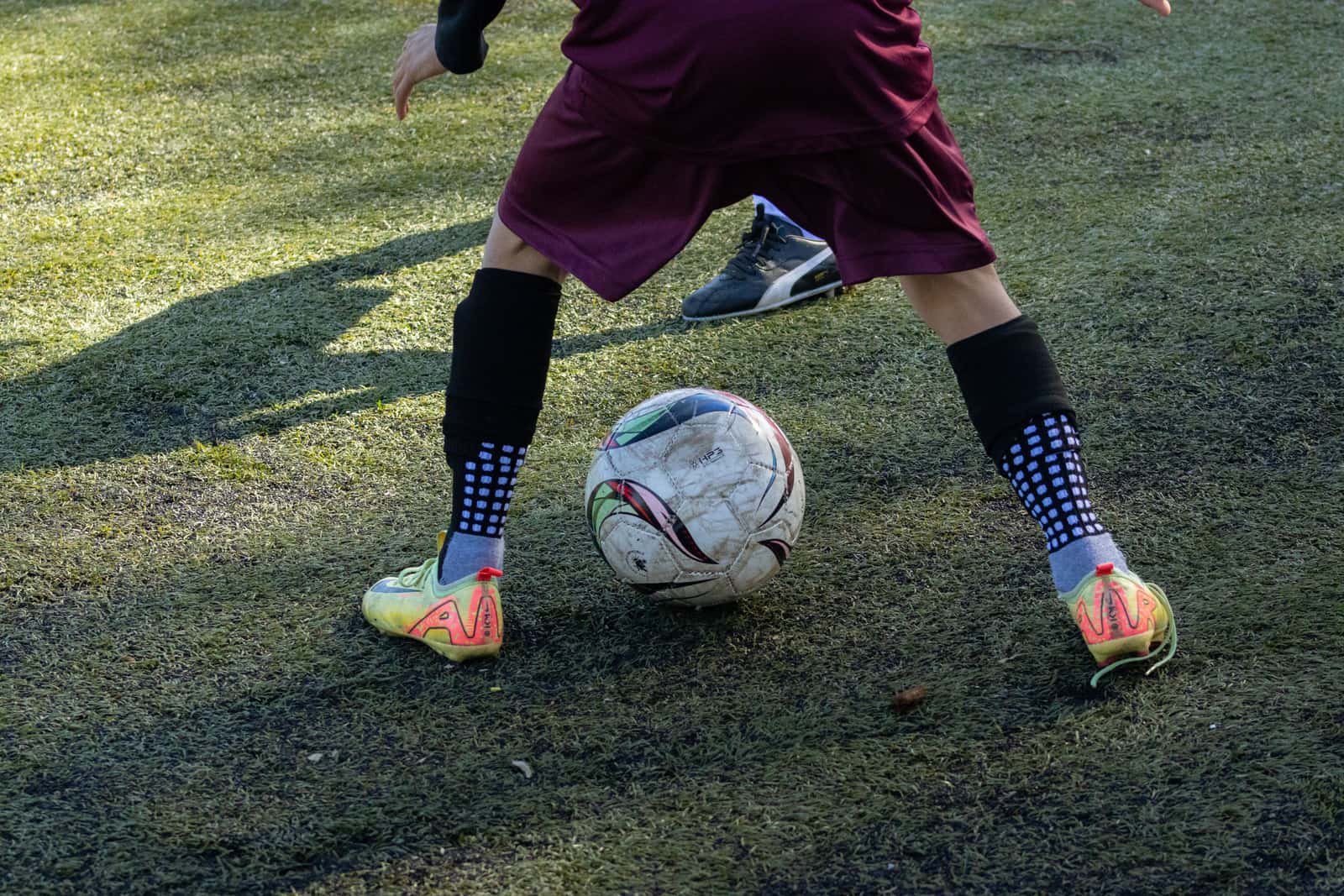
The short answer
A youth shin guard usually lasts one to two seasons, and in almost every case it is outgrown rather than worn out — the leg gets longer and the guard stops reaching from below the knee to above the ankle. The parts that genuinely fail first are the hook-and-loop strap, which clogs with grass and loses grip, and the foam backing, which compresses. A cracked shell is a replace-now failure. Heat and damp storage shorten all of it.
Shin guards are cheap, durable and almost never thrown away for the right reason. Families keep a pair until it visibly breaks, by which point the child has usually been wearing a guard that is the wrong length for a season — which protects less than the right-sized guard they outgrew.
The five signs it is time
- It no longer reaches. The sizing target is just below the knee to just above the ankle bone. When the gap at the ankle opens up, the guard has failed at its job regardless of condition. This is the most common and most ignored sign.
- The strap has stopped gripping. Hook-and-loop collects grass and turf pellets and loses hold over a season or two — adidas's own copy for the Tiro Match names this as the trade-off of a strapped guard. A strap that pops mid-game is a guard that migrates.
- The shell is cracked or crazed. A rigid guard works by spreading a point impact across its whole area, and a crack stops it doing that. Replace it rather than playing on.
- The foam backing has gone flat or hard. The shell takes the hit and the foam decides how much of it reaches the shin. Compressed, crumbling or hardened foam is a quieter failure than a cracked shell and just as real.
- The sleeve has lost its stretch. On a sleeve-style guard the compression is the retention system. A sleeve that no longer grips the calf lets the pad move, which is exactly what you paid to avoid.
Why outgrowing beats wearing out
A youth season is maybe thirty to forty hours of play. A molded polypropylene shell is not meaningfully degraded by that, and the impacts a youth guard absorbs are nowhere near its limit. Meanwhile a primary-school child can add several centimeters of leg in a year, and the guard's usable length is fixed.
So the honest replacement schedule for most families is: re-measure before each season, replace when the length no longer works, and inspect the strap and the foam at the same time. That is a once-a-year job and it costs very little, because guards are the cheapest piece of kit a player wears. Youth shin guard size chart has the height conversion, and how should shin guards fit covers what right looks like on the leg.
| Style | What fails first | Typical youth lifespan | Replace because |
|---|---|---|---|
| Strapped hard shell | The hook-and-loop strap | 1-2 seasons | Outgrown, or the strap stopped holding |
| Hard shell with ankle discs | Strap, then the ankle cuff elastic | 1-2 seasons | Outgrown, or the cuff stretched out |
| Compression sleeve | The sleeve's stretch | 1-2 seasons | Sleeve no longer grips the calf |
| Flexible sleeve pad | Pad stiffening, sleeve stretch | 1-2 seasons | Pad has hardened |
| Bare slip-in | Foam compression | Often longest — there is least to fail | Outgrown |
Sensible replacements, by style
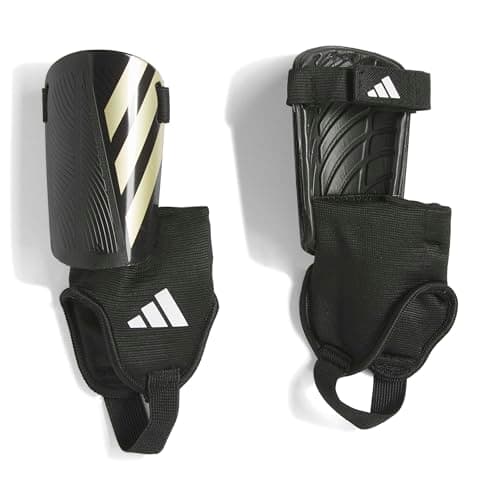
adidas
adidas Tiro Match Shin Guards Kids
The best first pair of shin guards for a young rec player, precisely because it protects the ankle too.
$14.99View on Amazon#ad — we may earn a commission · price as of October 17, 2026
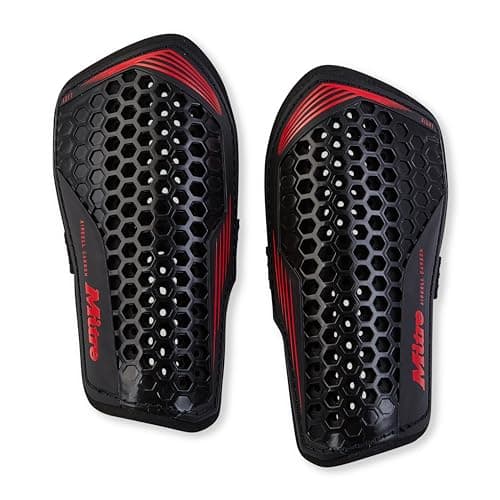
Mitre
Mitre Aircell Carbon Shin Guards
A sensible middle option if you want strap security without the bulk of an ankle-disc guard.
$17.00View on Amazon#ad — we may earn a commission · price as of October 17, 2026
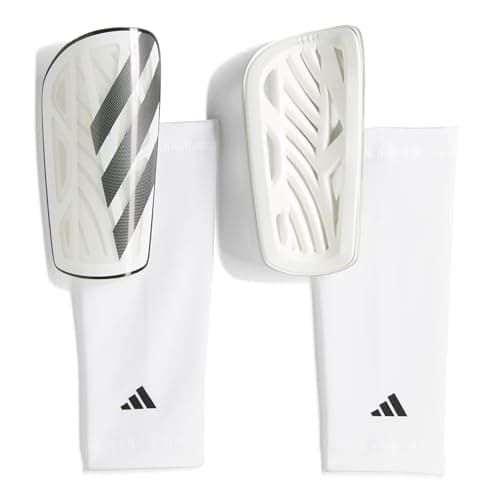
adidas
adidas Tiro League Shin Guards
The best compromise between the security of a strap and the low profile of a slip-in.
Product photos come from each item’s current Amazon listing.
Storage is what actually shortens their life
Reusch publishes care instructions for its hard-shell guards, and they are worth following whoever made yours. Remove dirt with a soft brush and wipe with a damp cloth. Do not use solvents or other cleaners, because they may cause damage. Do not expose the guard to excessive heat or strong sunlight. Store it in a dry, ventilated area — their own words are that otherwise the performance of the shinguard reduces significantly.
Which rules out the two places shin guards normally live: sealed in a kit bag in a warm car, and at the bottom of a bag still damp from Saturday. Heat warps and embrittles a molded shell, and trapped damp destroys the foam and the strap and makes the smell permanent.
- Take them out of the bag after every game, not before the next one.
- Dry them in air, not on a radiator or in a dryer. Heat is explicitly out, and it is also what kills the hook-and-loop adhesive.
- Brush the strap. Most of a strap's lost grip is grass and turf fibers in the hooks, and a stiff brush or a comb recovers a surprising amount of it.
- Wash sleeves as often as socks. A sleeve-style guard has a textile component that lives against sweaty skin, and adidas's own copy notes sleeves need washing as often as socks.
- Store them out of the car. The same advice applies to soccer balls and for the same reason: a trunk in summer is the harshest environment any piece of kit meets.
How to wash shin guards has the full method for shells and sleeves separately, including what to do about the smell when brushing is not enough.
Hand-me-downs and second pairs
Shin guards are one of the better pieces of kit to pass down, because the common failure is size rather than condition — a guard outgrown by one child is usually in perfectly serviceable shape for a smaller one. Check three things before handing a pair on: no cracks in the shell, foam that still springs back under a thumb, and a strap that still holds.
A cheap second pair is also worth owning for a different reason. The Franklin Superlight guards are widely stocked in general sporting-goods stores and cheap enough to keep in the car, which solves the Saturday morning when the real ones are at school. They are thinner than the soccer-brand equivalents, so they are a backup rather than a first pair.
What not to hand down is a guard that has done the job it was bought for. A shell that has taken a serious impact has spread that load through itself, and a crazed or softened area is a guard that will not do it again. Same principle as the rest of the kit — when to replace kids' soccer cleats covers the equivalent question for footwear, where the answer is less forgiving.
And the compliance angle, briefly: a guard has to be of suitable material and appropriate size and covered entirely by the socks, which means an outgrown guard is not only less protective but can be a kit-check problem. Are shin guards required in soccer sets out what the Law asks for.
Common questions
How often should you replace shin guards?
For a growing child, once a year is a sensible default — re-measure before each season and replace when the guard no longer reaches from just below the knee to just above the ankle bone. Condition is usually not the trigger: a molded shell easily survives a youth season, while the leg it is strapped to does not stay the same length.
How do I know if my shin guards are worn out?
Five signs: the guard no longer reaches from below the knee to above the ankle, the hook-and-loop strap has stopped gripping, the shell is cracked or crazed, the foam backing has gone flat or hard, or a sleeve has lost its stretch. Scuffs, stains and a battered shell face are cosmetic — a shin guard is supposed to look hit.
Can you still use cracked shin guards?
No. A rigid guard works by spreading a point impact across its whole surface, and a crack interrupts that path, so the force concentrates where the damage is. Replace a cracked or crazed shell rather than playing on with it — guards are the cheapest piece of kit a soccer player wears.
Why do shin guard straps stop sticking?
Grass and turf fibers clog the hooks. adidas names this as the trade-off of a strapped guard, and it is normal rather than a defect. A stiff brush or a fine comb through the hook side recovers a surprising amount of grip. Heat is the other culprit: drying guards on a radiator or in a dryer degrades the adhesive and the shell together.
How should you store shin guards?
Dry, ventilated, out of heat and out of direct sunlight — Reusch's own care instructions say performance reduces significantly otherwise. In practice that means taking them out of the kit bag after every game rather than before the next one, air-drying them, and keeping them out of a car trunk. Brush off dirt and wipe with a damp cloth; skip solvents and cleaners entirely.
Can shin guards be handed down?
Yes, and they are one of the better items to pass on, because the usual reason a pair is retired is size rather than condition. Check three things first: no cracks or crazing in the shell, foam that springs back under a thumb, and a strap that still holds. A shell that has absorbed a serious impact should not be passed on.
Do slip-in shin guards last longer?
Often, simply because there is less to fail — no strap, no sleeve, no ankle cuff elastic. The failure mode is foam compression, which is slow. The catch is that a slip-in is the least secure style to begin with and needs a tight sock to stay put, so a longer life is not the same as a better guard for a young player.
Sources
- Reusch — Shinguard Attrakt Supreme (care instructions) — A manufacturer's own care instructions for a hard-shell shinguard, quoted on this site: remove dirt with a soft brush and wipe with a damp cloth; do not use solvents or other cleaners as they may cause damage; do not expose the product to excessive heat or strong sunlight; store in a dry and ventilated area, otherwise the performance of the shinguard reduces significantly.
- IFAB Laws of the Game — Law 4, The Players' Equipment — The Law text quoted on this site: undershorts and tights must be the same color as the main color of the shorts or the lowest part of the shorts, and players of the same team must wear the same color; shinguards must be of suitable material and appropriate size, covered by the socks, with the player responsible for their suitability; non-dangerous protective equipment of soft, lightweight padded material is permitted; and a player must not use equipment or wear anything that is dangerous, which must be removed rather than taped or covered. Law 4.3 is also the source for the kit-color rules quoted here: the two teams must wear colors that distinguish them from each other and the match officials, and each goalkeeper must wear colors that are distinguishable from the other players and the match officials. Law 4.4 names gloves, headgear, facemasks and knee and arm protectors of soft, lightweight padded material as permitted non-dangerous protective equipment, and separately permits goalkeepers caps and tracksuit bottoms.
- Coaching American Soccer — Law 4, The Players' Equipment — The Law 4 requirements quoted on this site: footwear is compulsory but cleats are not specified; shinguards must be of suitable material, appropriate size and covered by the socks, with the player responsible for suitability; a player must not use equipment that is dangerous; and the referee-level guidance that worn, pointed or exposed-shaft studs and shoes with sharp metal or pointed spikes are not permitted.
- AYSO — Size of Ball and Field by Age Division — Official ball sizes, circumference and weight ranges, and field dimensions by age division. Used for every ball-size and field-size figure on this site.
Read next
- How to wash shin guardsThe manufacturer-stated method for a hard shell, how sleeve guards differ, why heat is the one thing that ruins them, and what the smell actually is.
- How should shin guards fit?Where the edges of a shin guard belong, how tight is tight enough, and the four checks that catch a bad fit before the first game.
- Youth shin guard size chartThe height-based size chart, how high guards should go, and the crouch test that confirms the fit.
- Are shin guards required in soccer?What Law 4 actually says about shin guards, the two conditions that get pairs rejected at a kit check, and where the rule is stricter than parents expect.
- Slip-in vs ankle shin guardsThe protection trade-off stated plainly, the age the answer flips, and the sleeve option in between.
- How to stop shin guards from slippingThe three real causes of slipping guards and the fixes in order — starting with the one nobody checks.
- When to replace kids' soccer cleatsThe four signs a pair is finished, how often replacement actually happens, and what to check every two months.
- Best youth soccer socksSock picks that actually hold slip-in shin guards, plus whether grip socks are worth the money.