Shin Guards
Do you need shin guards for soccer practice?
The Laws do not cover training. Your club almost certainly does, and there is a better reason than the rule.
By Ryder M. · Published October 6, 2026
The short answer
The Laws of the Game only govern matches, so there is no rule requiring shin guards at practice — but most clubs require them anyway, and you should wear them regardless. The reason is simple: a kid takes more unprotected contact in a competitive small-sided practice drill than in a game, because nobody is refereeing the tackles.
This question usually arrives on a Tuesday evening with practice in twenty minutes and the guards at school. The useful answer covers both parts: what the rule actually is, and what to do about the pair you cannot find.
What the rule is
IFAB Law 4 lists shinguards in the compulsory equipment for a match, with the requirement that they be of suitable material and appropriate size, covered by the socks, and the player responsible for their suitability. Inspecting players for compulsory equipment before kickoff is the referee's responsibility.
None of that applies at training, because there is no match and no referee. What governs practice is the club's own policy, and in US youth soccer those policies are near-universal for one unexciting reason: insurance. A club that lets kids train without guards is carrying risk its policy does not want.
The practice sessions where guards matter most
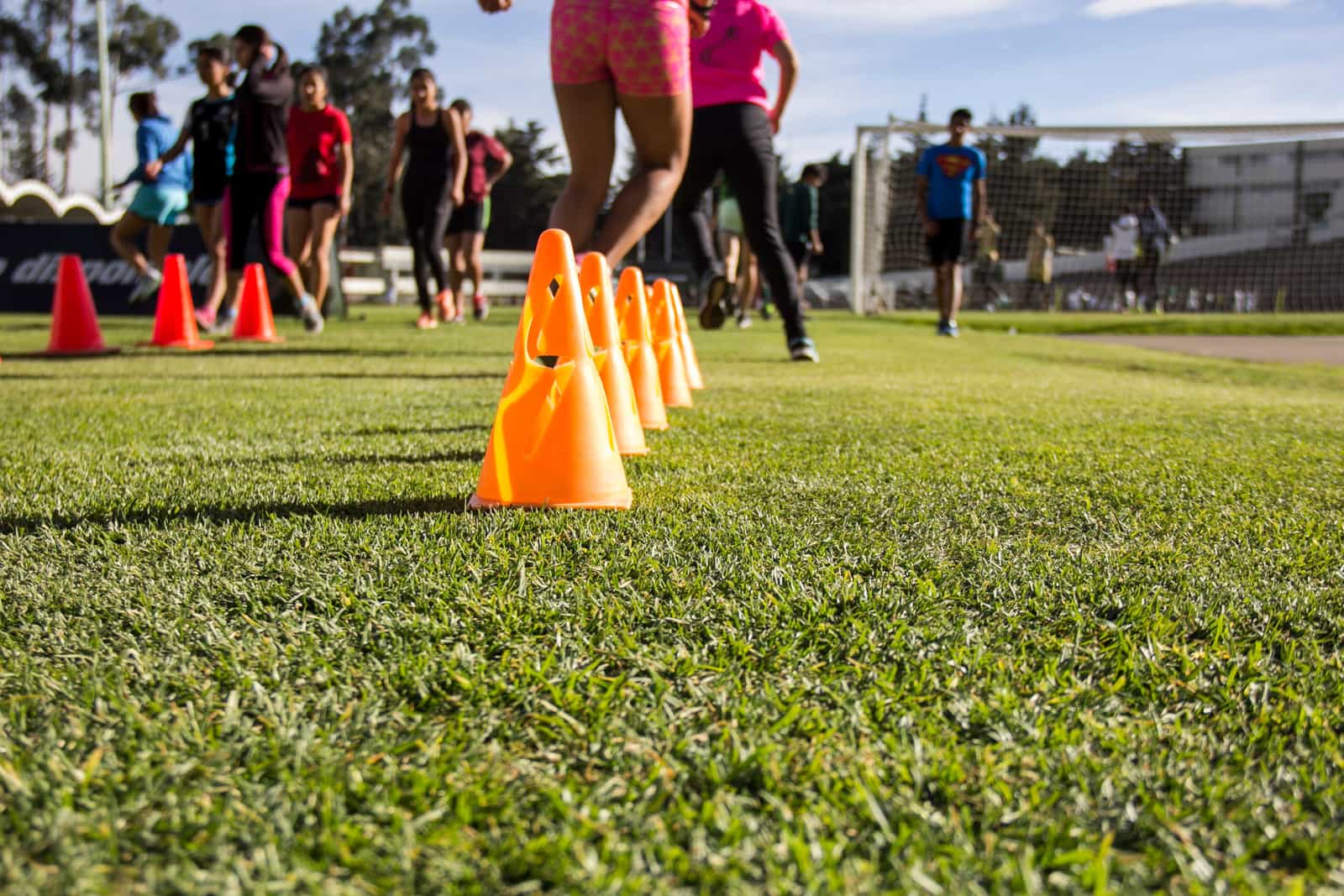
Not all training is equal. A technical session of cones and passing produces almost no contact. These are the ones that do:
- Small-sided games and scrimmages. The end of almost every practice, and the highest-contact part of the week. More tackles per minute than a game, with nobody blowing a whistle for a mistimed one.
- One-v-one and defending drills. Deliberately contested, repeatedly, at close range. The whole point is a tackle.
- Shooting drills with a keeper. A ball struck hard at close range from a kid who is still learning to hit it, with defenders and the keeper's feet in the way.
- Indoor and futsal sessions. The highest-contact format there is, and the one most often treated as casual. Do you need shin guards for futsal has the rules for that one.
Read that back and it is most of a normal practice. Which is why the "only for games" instinct does not survive contact with how training actually runs.
The habit argument, which is the real one
Here is the argument nobody makes and it is the most persuasive. A kid who puts guards on correctly at every practice puts them on correctly on a Saturday without being told. A kid who only wears them for games is the kid fumbling with a strap over a sock five minutes before kickoff while a parent re-does it.
Getting a sock over a guard on a thin leg is awkward the first twenty times and automatic after that — do shin guards go under socks has the order that actually works. Practice is where that becomes automatic for free.
A cheap second pair for the gear bag
Franklin Sports
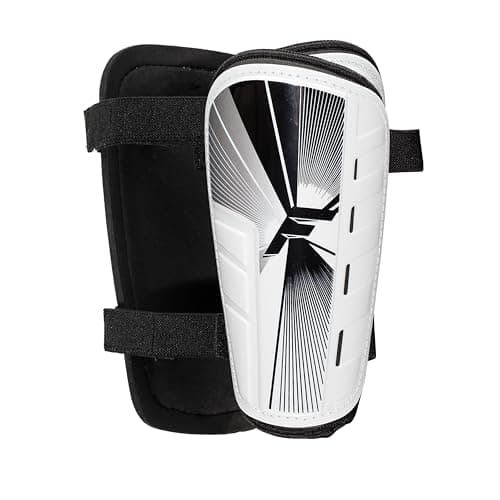
Franklin Sports Superlight Soccer Shin Guards
The pair to keep in the car for the morning you discover the real ones are at school.
$11.99View on Amazon#ad — we may earn a commission · price as of October 16, 2026
Vizari
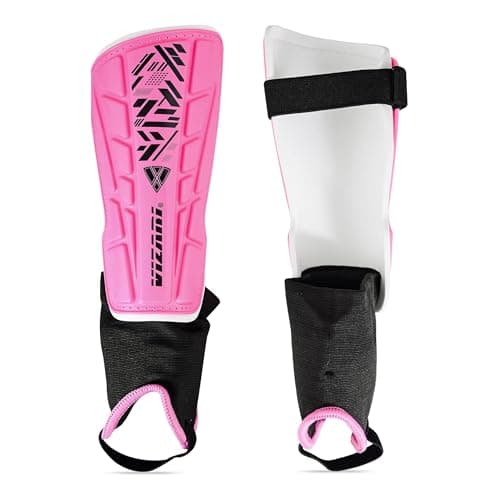
Vizari Malaga Youth Shin Guards
Acceptable for a first rec season on a tight budget; step up to the Tiro Match if the play gets physical.
$15.49View on Amazon#ad — we may earn a commission · price as of October 16, 2026
Mitre
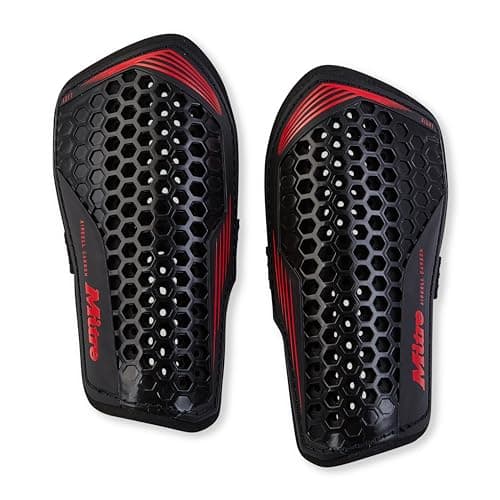
Mitre Aircell Carbon Shin Guards
A sensible middle option if you want strap security without the bulk of an ankle-disc guard.
$17.00View on Amazon#ad — we may earn a commission · price as of October 16, 2026
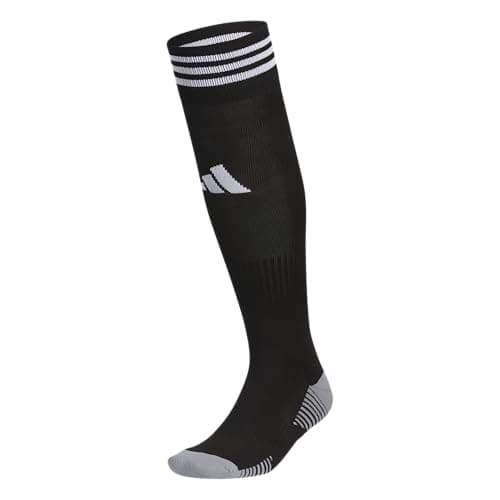
adidas
adidas Copa Zone Cushion Over-the-Calf Socks
The safe default. If your kid wears slip-in shin guards, the grip through the calf is the reason to pick these.
$10.00$16.00−38%View on Amazon#ad — we may earn a commission · price as of October 16, 2026
Product photos come from each item’s current Amazon listing.
Buy a second pair. It is the whole solution.
Shin guards are the cheapest item in youth soccer and the one most often left somewhere. A spare pair that lives permanently in the car costs less than one missed session and removes this question from your life.
It does not have to be the good pair. The generic sporting-goods guards are thinner-shelled than the soccer-brand equivalents and perfectly adequate as a backup, and because guards are sized by height rather than by foot, buying a spare is genuinely easy — the size chart is one measurement.
One caveat on the cheap option: the straps run long and leave a tail flapping on a small leg. Trim it or tuck it rather than letting a kid trip on it.
Does the guard need a sock at practice too?
Functionally, yes for most styles. A slip-in guard has no strap and is held in place entirely by being between the sock and the leg, so without a sock it does not stay put at all. A strapped guard will hold without one, but the strap against bare skin is uncomfortable and the exposed shell edge is a hazard to the other kid.
So the honest answer is that the sock is part of the equipment rather than part of the uniform. Training socks do not have to be match socks, but they do have to come over the top of the guard.
What if your kid refuses to wear them at practice?
Usually it is not defiance, it is that the guards are uncomfortable and the complaint has settled into a refusal. Three things to check before treating it as a discipline problem:
- Size. Too long and the guard fights the ankle every stride; too short and the sock has nothing to grip. Measure against the chart rather than guessing.
- Heat. A solid shell in August is genuinely unpleasant. Vented or sleeve-style guards are much cooler and that is a real fix, not an indulgence.
- Slipping. A guard that migrates down the leg all session is maddening. How to stop shin guards slipping covers why going up a size usually makes it worse.
Fix the cause and the refusal usually goes with it. A kid who finds their guards comfortable stops arguing about them.
Common questions
Do you need shin guards for soccer practice?
There is no rule from the Laws of the Game, because Law 4 governs matches rather than training. In practice most clubs require guards at training for insurance reasons, and the injury case is strong: a competitive small-sided drill produces more tackles per minute than a game with nobody refereeing the mistimed ones.
Is it against the rules to practice without shin guards?
Not under the Laws of the Game. Law 4 lists shinguards as compulsory match equipment and makes the referee responsible for the pre-kickoff check, and neither applies at training. What applies instead is your club's own policy, which usually requires them and is usually published in the registration pack rather than announced.
When do kids most need shin guards at practice?
Small-sided games and scrimmages, which end almost every session and produce the highest contact of the week; one-v-one and defending drills, which are deliberately contested at close range; shooting drills with a keeper; and any indoor or futsal session, which is the highest-contact format there is.
Should I buy a second pair of shin guards?
Yes, and it is the cheapest problem to solve in youth soccer. Guards are the item most often left at school, and a spare pair living permanently in the car costs less than one missed session. Because guards are sized by the child's height rather than by foot, buying a spare without them present is easy.
Do shin guards need socks over them at practice?
Functionally yes. A slip-in guard has no strap and is held in place only by being between the sock and the leg, so it does not stay put without one. A strapped guard holds, but the strap against bare skin is uncomfortable and the exposed shell edge is a hazard to other players. Training socks are fine, as long as they come over the top of the guard.
My child refuses to wear shin guards at practice. What should I check?
Size, heat and slipping, in that order. A guard that is too long fights the ankle every stride; a solid shell in hot weather is genuinely unpleasant and a vented or sleeve-style guard fixes it; and a guard that migrates down the leg all session is maddening, usually because the sock has lost its elastic rather than because the guard is wrong.
Sources
- IFAB Laws of the Game — Law 4, The Players' Equipment — The Law text quoted on this site: undershorts and tights must be the same color as the main color of the shorts or the lowest part of the shorts, and players of the same team must wear the same color; shinguards must be of suitable material and appropriate size, covered by the socks, with the player responsible for their suitability; non-dangerous protective equipment of soft, lightweight padded material is permitted; and a player must not use equipment or wear anything that is dangerous, which must be removed rather than taped or covered. Law 4.3 is also the source for the kit-color rules quoted here: the two teams must wear colors that distinguish them from each other and the match officials, and each goalkeeper must wear colors that are distinguishable from the other players and the match officials. Law 4.4 names gloves, headgear, facemasks and knee and arm protectors of soft, lightweight padded material as permitted non-dangerous protective equipment, and separately permits goalkeepers caps and tracksuit bottoms.
- Coaching American Soccer — Law 4, The Players' Equipment — The Law 4 requirements quoted on this site: footwear is compulsory but cleats are not specified; shinguards must be of suitable material, appropriate size and covered by the socks, with the player responsible for suitability; a player must not use equipment that is dangerous; and the referee-level guidance that worn, pointed or exposed-shaft studs and shoes with sharp metal or pointed spikes are not permitted.
- Vizari Sports — youth cleats and indoor shoes — Verified the Vizari models named here are currently sold, including the toddler size range and the indoor line, plus Vizari's published material claims.
- adidas — Entrada 22 jersey — Verified current availability and adidas's published AEROREADY fabric description for the youth Entrada 22.
- TRUsox — 3.0 performance grip socks — TRUsox's own description of the IN//EX grip technology and the range's construction.
Read next
- Do shin guards go under socks?The Law 4 requirement, why it exists, and how to get a sock over a guard on a thin leg without it sliding.
- Youth shin guard size chartThe height-based size chart, how high guards should go, and the crouch test that confirms the fit.
- How to stop shin guards from slippingThe three real causes of slipping guards and the fixes in order — starting with the one nobody checks.
- Do you need shin guards for futsal?The Futsal Law 4 requirement in its own words, why a court makes guards more necessary rather than less, and the guard styles that suit indoor play.
- How to wash shin guardsThe manufacturer-stated method for a hard shell, how sleeve guards differ, why heat is the one thing that ruins them, and what the smell actually is.
- Best youth soccer socksSock picks that actually hold slip-in shin guards, plus whether grip socks are worth the money.